
Domestic Cat Specialist: What is their name and what does they do?
A felinologist is a person who studies the behavior of domestic cats. How does one learn this profession, and what knowledge does a specialist need? Where do felinologists work, and is there a high demand for them?
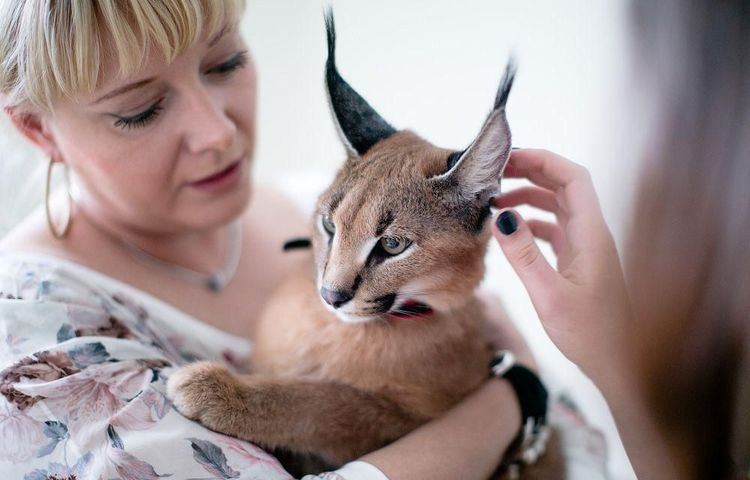
Features of the profession
Felinology is a science that studies the physiology, anatomy, behavior of domestic cats, as well as the nuances of breeding and maintenance.
A specialist in this field is usually either a club owner or an expert at a cat show; sometimes they are professional cat breeders. The animal care industry also requires felinologists. Developers of food, pet products, and medications also fall into this profession.
The main tasks that felinologists solve by uniting in associations:
- development and improvement of breed standards;
- determination of exhibition rules, requirements for them and cat clubs;
- regulation of the activities of clubs, nurseries, and rules for registering breeds;
- development of training programs for experts at exhibitions who evaluate animals.
The most famous world associations:
- WCF;
- FIFe;
- GCCF;
- CFA
Twelve major organizations operate globally. Some adhere to the European scoring system, while others use the American system. The European system is more closed, with the judge completing the score sheet in private, in a separate room. The American system is a show with an audience, and the judge scores openly.
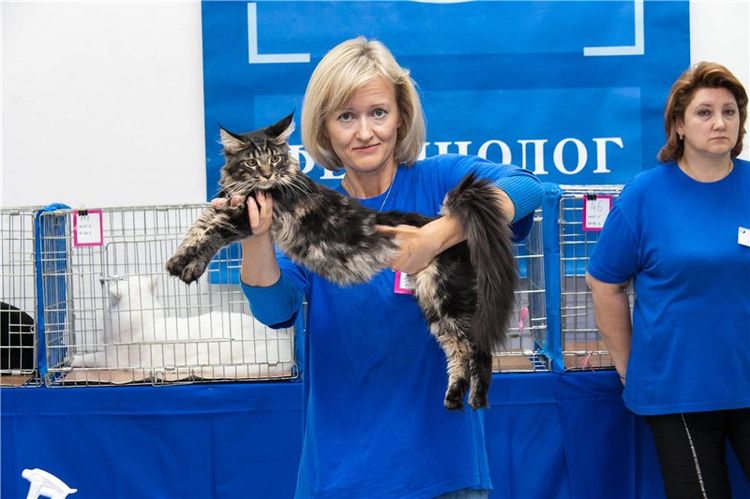
Interesting! Cat shows are held not only for purebreds but also for non-pedigree cats. In this case, the pets' physical beauty, character, and harmonious build are judged. Each criterion is assessed in points, and the participant with the highest score wins.
The depth of knowledge required by felinologists to perform their duties suggests that this is not a hobby, but a true profession. But where are domestic cat specialists trained?
Where specialists are trained
A specialist with a higher education can work as a zootechnician in a laboratory, judge a competition, manage a cattery or club, or provide consultations. Without a higher education, someone who has studied domestic cats in depth most often becomes a professional breeder. After completing training, they work in a cattery.
Salaries for specialists range from 20,000 to 80,000 rubles on average. Salaries depend on the location and level of education. It's not uncommon for people to pursue felinology as a hobby and find employment elsewhere.
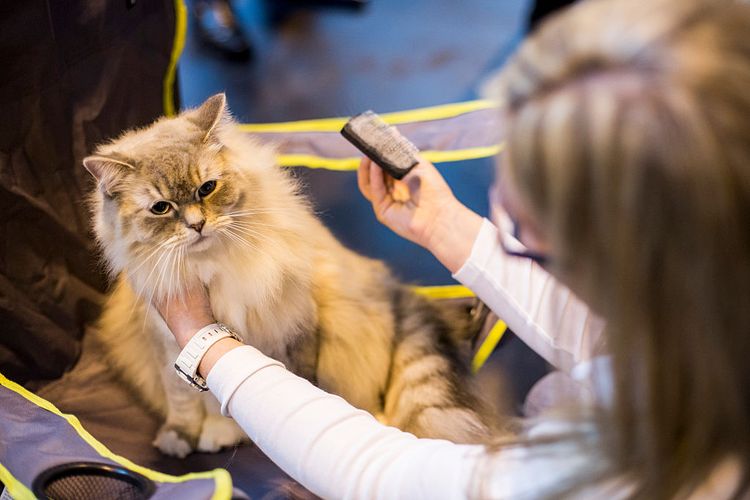
Several universities teach professions in Russia, for example:
- Russian State Agrarian University - Moscow Agricultural Academy named after K.A. Timiryazev, Department of Zoology.
- RGAZU trains felinologists at the zootechnical faculty.
- P.A. Kostychev Russian State Agrarian University. Here, specialists are trained in the Faculty of Veterinary Medicine and Biotechnology. Students specialize in cynology and felinology.
Feline clubs offer courses and seminars. You can obtain a certificate at the following institutions:
- Russian Feline Federation (RFF);
- Feline Association "Ros" (FAR);
- International Association of Cat Fanciers Assolux and others.
Some organizations offer year-round correspondence courses for beginners.
Who else studies cats?
Another specialist in animal behavior, including that of domestic cats, is called a zoopsychologist. A professional in this field understands how animals' mental processes occur, how they perceive the world around them, and how their intelligence develops.
Animal psychologists are often consulted when they want to understand the origins of behavioral anomalies in their pets, such as aggression or fear. These can be caused by both nervous system disorders and stress reactions. An animal psychologist can help analyze situations that the owner is unable to understand.
These specialists work not only with domestic animals but also with wild animals. They work in scientific laboratories and clubs, and offer private consultations.
To learn the profession, you can enroll in a university, such as the Timiryazev Agricultural Academy, or another institution that offers psychology training. They typically also have a separate department of animal psychology. Moscow State University's Faculty of Psychology has a laboratory for animal psychology. It conducts practical research and also gives lectures to students.
Read also:
- How many hours a day do cats sleep?
- The smallest wild cat in the world
- How to tell if your cat loves you


Add a comment