
Concussion in Cats: Symptoms and Treatment
A concussion can occur in cats due to head injuries, so every owner needs to know the dangerous symptoms that may indicate internal injuries, what to do to assess the severity of the animal's condition, and how to provide first aid at home.
Content
Concussions from a medical perspective
A cat, male cat, or even a small kitten can suffer a concussion as a result of an injury:
- falls from a height;
- strong blow;
- car accident.
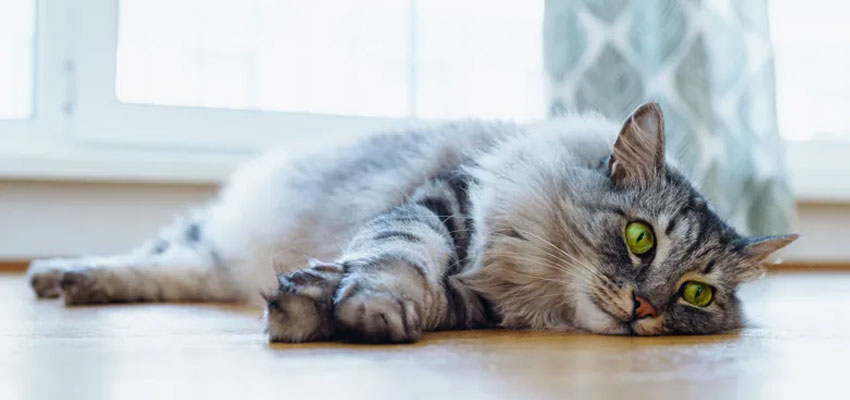
Important! External signs of a blow to the head (blood, skin laceration, bruise, or hematoma) are not always obvious in cases of brain injury. Even a mild blow is enough to cause a concussion in a small kitten.
When a blow occurs, the brain shifts sharply within the cranium, disrupting neural connections within the tissues. Trauma can also cause mechanical damage, focal lesions, and hemorrhages, which are impossible to diagnose at home. Therefore, after a fall or a head blow, regardless of any symptoms, it is essential to take your pet to a veterinarian for a diagnosis and to ensure everything is alright.
Symptoms of concussion in animals
If a person can describe their condition and complain of headache, dizziness, or memory loss, then a concussion in a cat can be suspected only by assessing external symptoms.
The main signs of SGM in animals:
- impaired coordination of movements;
- nausea and vomiting (may occur once or repeatedly);
- loss of consciousness (depending on the degree of damage, it may be short-term or long-term);
- change in pupil size (depending on the animal’s condition, they may be greatly dilated, constricted, or of different sizes);
- deterioration of vision (with a severe concussion, partial or complete blindness is possible);
- behavioral disturbances (apathetic behavior, lack of appetite and interest in games).
If a cat suffers a severe concussion, life-threatening symptoms may occur, such as difficulty breathing, seizures, paralysis, or coma.
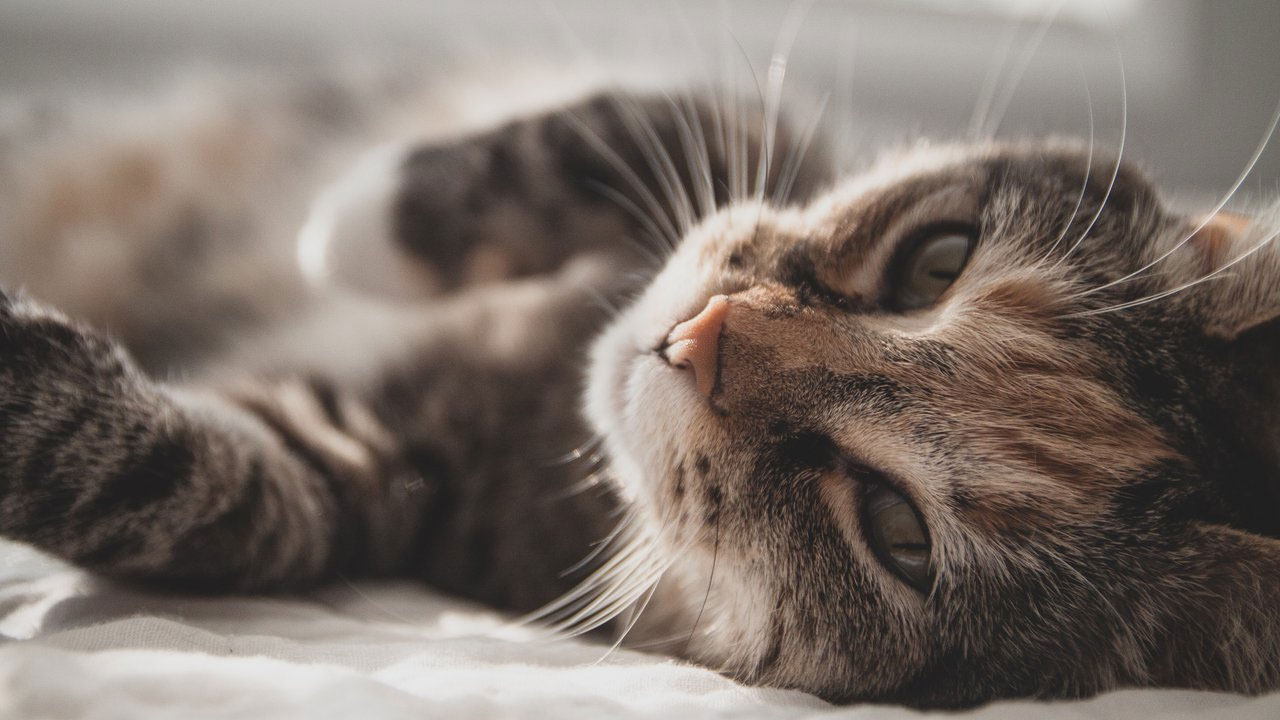
It's important to note that even if you witnessed your cat fall or hit its head hard, there's no 100% certainty that the symptoms described above indicate a concussion. There are many conditions that can produce similar clinical symptoms (for example, encephalitis, benign and malignant tumors localized in the skull). Therefore, even if you know how to determine whether your cat has suffered a concussion from hitting its head, it's still best to take your pet to the vet as soon as possible.
It's important to remember that the effects of an injury can manifest over time. Even if there are no immediate warning signs, the condition can worsen sharply within a few hours or even a day. Only a veterinarian can determine whether your pet is okay and the extent of the internal injuries sustained.
First aid for injury
What to do if you witness your pet being injured?
- Ensure safetyA frightened animal, experiencing pain and disorientation, may thrash around and cause further harm to itself. If necessary, the animal can be calmed and immobilized by wrapping it in a towel.
- Assess the conditionFirst of all, we look at: possible accompanying external injuries, the presence of consciousness, the state of the pupils (eye position), and coordination of movements.
- Contact a veterinarianWhenever an incident occurs, you must immediately contact a veterinarian and describe the animal's condition, following any further recommendations.
You should not try to give water or food to an injured animal or give it any medications.
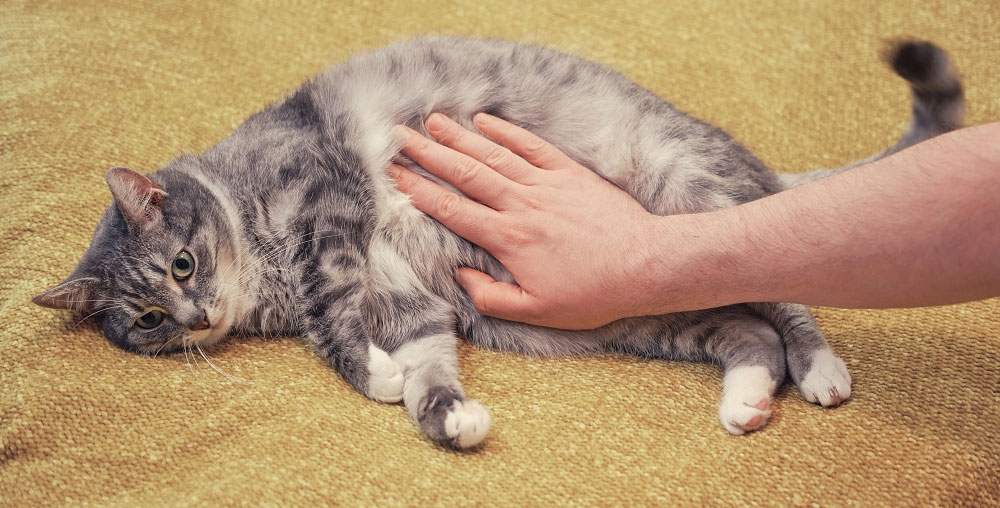
If the cat is uncaged, it should be carefully placed on its side on a flat surface suitable for transport to the clinic. This can be a collapsible carrier or a cardboard box.
Do not lift a cat "by the paws" or carry an injured pet in your arms, as this type of transportation can worsen the condition if there are serious internal injuries!
Diagnostics in a clinical setting
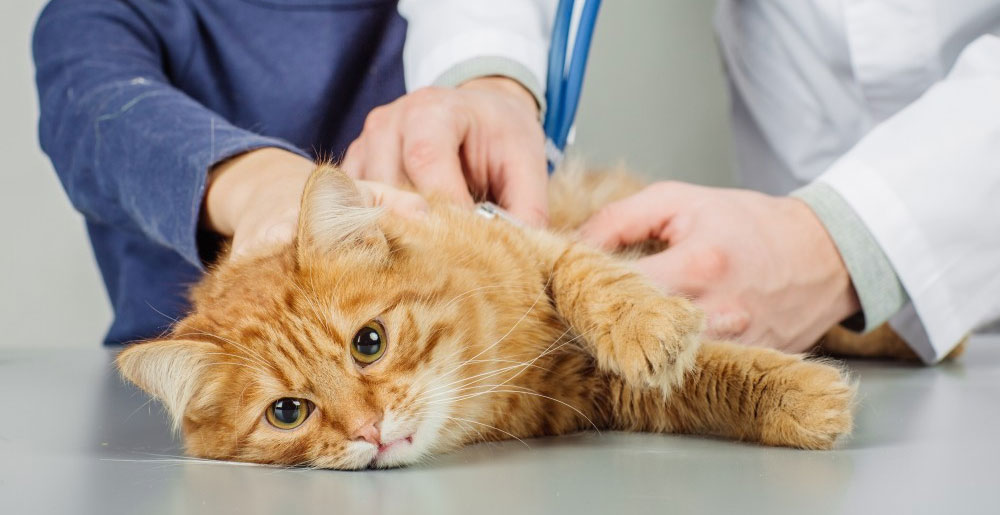
Diagnosis of concussion in cats includes:
- physical examination of the animal;
- neurological examination of reflex functions and motor coordination;
- hardware techniques (X-ray examination, CT or MRI);
- blood test to rule out an acute inflammatory process characteristic of encephalitis;
- cerebrospinal fluid analysis (usually performed in severe cases).
Treatment and rehabilitation period
In each specific case, the veterinarian will decide how to treat the animal based on the severity of its condition.
The course of treatment may include:
- surgical intervention (performed in cases of complex injuries and intracranial hemorrhages);
- drugs to stabilize the condition (if necessary, administered intravenously in a hospital setting);
- medications to reduce swelling, which is dangerous in the post-traumatic period;
- anticonvulsants (as indicated);
- anticoagulants (as indicated);
- pain relief, because after a concussion, headaches can torment the animal for quite a long time.
Once the animal's condition has stabilized, it will require specialized care and medication at home. The length of the recovery period depends on the area of the brain involved, the severity of the disorder, and the individual's ability to recover. In some cases, physiotherapy and a specialized course of exercises to restore motor function and coordination may be recommended.
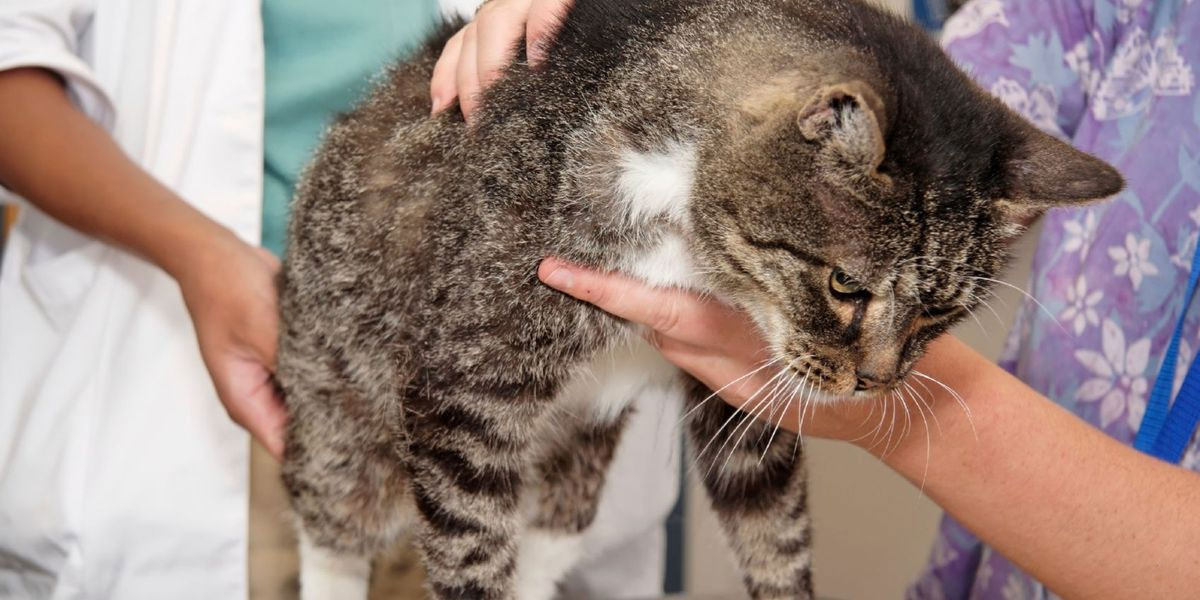
During the recovery phase, the owner will be required to:
- Creating comfortable and safe conditions for your pet to prevent them from falling from heights or hitting objects due to impaired coordination.
- High-quality, regular nutrition. It's important to ensure your cat eats and drinks regularly during the recovery phase.
- Continue treatment and follow all veterinarian recommendations.
- Patience is key, as after a serious injury, your pet may have to learn everything all over again, including litter box training.
- Regular visits to the clinic to monitor the animal’s condition and adjust treatment if necessary.
Advice from veterinarians
For more information on traumatic brain injuries in animals, diagnostic methods, and treatment, watch these videos:
Read also:
- Sarcoma in cats: symptoms and treatment
- Why is my cat losing weight and what should I do?
- Why does a cat shake its head and ears?


Add a comment