
Runny nose in dogs: causes and treatment
A runny nose in dogs is quite common, especially in the fall and spring. There can be many causes of a runny nose, including inflammation of the nasopharyngeal mucosa, an allergic reaction, or an infectious agent entering the upper respiratory tract. A runny nose itself is not considered dangerous and can often be treated at home.
However, nasal discharge can also be a symptom of other diseases, so to rule them out, it's recommended to consult a veterinarian. The veterinarian will conduct an examination, make an accurate diagnosis, and prescribe appropriate treatment to prevent potential complications and disease progression.
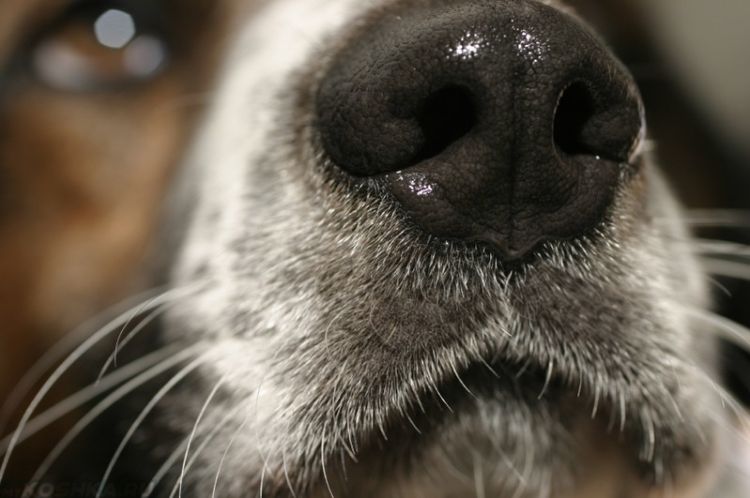
Reasons
Like people, dogs can occasionally suffer from a runny nose. In dogs, the condition can be more severe and progress rapidly. Treatment will depend on the underlying cause. If the source of the nasopharyngeal mucosal dysfunction is not addressed, the runny nose will recur, and the unpleasant symptoms will continue to plague the dog.
A dog's runny nose can be primary, indicating inflammation of the nasal mucosa itself, or secondary. In this case, the discharge is a consequence of a disease and manifests as one of its symptoms. To determine the appropriate treatment, you should consult a veterinarian. It's better to rule out a pathology than to treat its symptom for a long time without success.
Among the most common causes of a runny nose in dogs, the treatment of which can be carried out at home, are:
- Hypothermia. A runny nose in an animal can result from prolonged exposure to low temperatures. For example, a long walk in temperatures below -10°C (14°F). Also, prolonged walks in damp weather or during rain in late fall or early spring can have an adverse effect, especially if the animal is a puppy or small breed dog and is not accustomed to such walks. A runny nose can also be caused by sleeping in a draft or bathing in cold weather. Hypothermia can also be accompanied by fever and coughing.
- Allergies. Nasal discharge is the result of an allergic reaction to a substance. The allergen could be food, shampoo, deodorants, insect collars, or even laundry detergent used to wash the pet's bedding. Other allergy symptoms include excessive tearing, eye swelling, photophobia, sneezing, and restlessness.
- Exposure to strong-smelling substances. A runny nose can occur from contact with substances that have a strong, pungent odor. These substances don't necessarily have to be pet care products. Among the substances used by humans, perfumes, household chemicals containing chlorine, and air fresheners are the most common causes of nasal discharge in animals. Smoke (such as from cigarettes or a campfire) can also negatively affect the nasal mucosa.
- Ingestion of a small foreign body. Dogs are prone to sniffing various objects, so it's possible for twigs, pebbles, and small children's toys to get into their nose. The animal will become restless, paw at its nose, and turn its head.
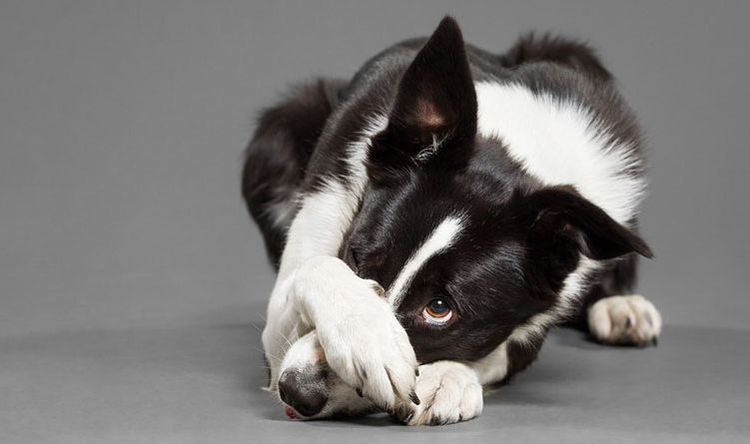
If such rhinitis develops, simple treatments at home or eliminating the source of irritation (in the case of allergies or strong-smelling substances) are sufficient. If the cause is a foreign body, it must be carefully removed. If this cannot be done at home, consult a veterinarian.
The following violations require mandatory intervention by a specialist:
- Infectious lesion. If a bacterial or viral infection occurs, a runny nose will be the first sign of infection. The disease progresses rapidly, and the discharge becomes opaque and thick. Additionally, cough, swelling of the mucous membrane of the eyes, fever. General condition is lethargic, and there is a poor appetite. Rhinitis can be one of the symptoms of many dangerous infectious diseases, such as inflammation of the pharynx or plague.
- Tumors of the nose and nasopharynx. Various tumors in the nasal area often cause discharge by affecting the mucous membrane. They can also lead to nasal congestion by mechanically compressing the nasal passage.
- Sinus injuries. Most often occur due to trauma to this area, such as a fall or a fight. They are usually accompanied by bloody discharge.
- Various diseases. Diseases of any organ (liver, heart, endocrine, or urinary system) negatively impact the immune system. As a result, infection can easily penetrate the weakened body, causing secondary damage. This condition is dangerous to the pet's health, as the disease will progress rapidly, leading to serious complications.
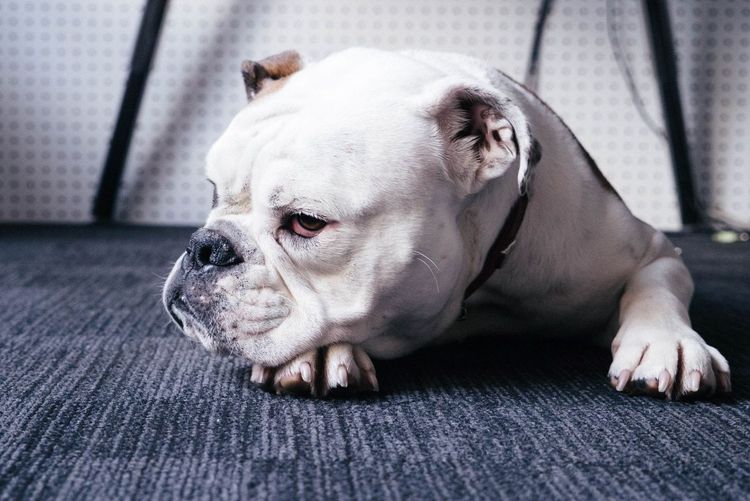
The likelihood of developing mucosal inflammation depends on the breed. Breeds with flattened muzzles (pugs, boxers) and small dogs with weakened immune systems are most susceptible to rhinitis.
Diagnostics
To detect infectious diseases in animals, various laboratory methods are used: PCR, ELISA, as well as bacterial or fungal culture.
If a foreign body or tumor in the nasal cavity is suspected, computed tomography (CT) is most often used. To determine the tumor type, a histological examination is performed, with specimens conveniently obtained using endoscopic equipment. This method also confirms the diagnosis of lymphoplasmacytic rhinitis.
Dental diseases are usually diagnosed through a visual examination, but in some cases, x-rays are required to more accurately identify the problem. Allergy-related diagnoses are often made by exclusion when other tests are inconclusive.
Symptoms
The main sign of rhinitis in dogs is nasal discharge. Initially, it will be clear and runny. Over time, the discharge becomes thicker and takes on a color (milky, yellow, or light green). If a bacterial infection develops, the discharge will become purulent.
When a dog has a runny nose, it may constantly scratch, lick, or wipe its nose on any surface. It may sneeze and shake its head violently. Over time, the discharge forms a crust on the nostrils, which interferes with normal breathing. This can lead to sniffling, snoring, and frequent mouth breathing.
If rhinitis is primary, meaning the runny nose is caused by inflammation of the nasopharyngeal mucosa, it usually doesn't affect the pet's well-being or appetite. If the discharge is the result of an underlying disease (secondary rhinitis), the animal may experience coughing, fever, weakness, and refusal to eat.
If chronic rhinitis persists for several weeks, your pet should be examined by a veterinarian to determine the underlying cause. At home, it's possible to miss a latent condition.
Symptoms of concern that require a visit to the veterinarian include:
- Viscous snot of a pale green color.
- Heavy breathing.
- Refusal of food and water.
- Loss of strength.
- Gastrointestinal disorders (vomiting, diarrhea).

Treatment
Treating a runny nose in dogs of any breed requires a thorough medical history. This includes determining the conditions under which the nasal discharge occurred and any events that preceded it (for example, a walk in the rain). If the rhinitis is primary, the dog's mucus is runny and clear, and the animal is behaving normally and eating well, treatment can be done at home. No special procedures are required. Limiting walks in the cold is sufficient. The rhinitis should resolve on its own within 3 days.
If your runny nose continues to flow for more than 3 days, you can treat it at home using the following methods:
- Thick or dried nasal mucus can be removed from the nose with cotton swabs.
- The discharge should be blotted with a soft cloth or paper towels, being careful not to damage the dog's nose.
- Crusts on the nose should be soaked in warm water or chamomile tea. Apply a cotton pad to the affected area and hold it there for a while until the crusts can be easily removed.
- To prevent crusts from forming in the future, you can lubricate the nasal passage with Vaseline or oxolinic ointment.
- You can rinse your nose with saline solution or sea water (sold in pharmacies in special packages with a dispenser).
- You can also rinse your nasal passages with folk remedies: chamomile tea, beetroot or carrot juice diluted with warm boiled water.
Rhinitis drops should be discussed with your veterinarian. Dosage will vary depending on the size of your pet.
Important! Human medications should not be used on dogs as they can cause serious side effects.
During illness, it's best to feed your pet more liquid food. It can be difficult for an animal to chew dense, dry pieces when it has a runny nose. If your pet is accustomed to dry food, soak it slightly in warm water or broth before serving. The food should be complete and contain all the vitamins and minerals your pet needs.
Prevention
To prevent infectious diseases in animals, annual vaccination is recommended. In addition to the core vaccine, a nasal vaccine, such as against Bordetella, is often used to provide additional protection of the upper respiratory tract.
Allergic reactions in cats and dogs are most often hereditary, making them difficult to prevent. The development of tumors is linked to multiple factors, including genetic predisposition, radiation, and microwave exposure, making their prevention virtually impossible.
Regular brushing with veterinary toothpastes and toothbrushes helps reduce plaque and tartar buildup, promoting dental health. The causes of lymphoplasmacytic rhinitis are not fully understood, so there are currently no effective methods for preventing this condition.
Until fully recovered, avoid bathing your pet, and limit or eliminate walks if it's cold outside. While resting, you can cover your pet with a blanket.
Read also:
- Pneumonia in dogs: symptoms and treatment
- Kennel cough in dogs: symptoms and treatment
- My dog's paw hurts after an injection: why and what to do


Add a comment