
My dog was stung by a bee: what to do
During warmer months, dogs, especially puppies, are at risk of being stung by bees, wasps, and other dangerous insects. These bites most often occur on the paws and face, as well as the lips, tongue, and oral mucosa (if the dog has tried to swallow a bee or wasp). What should you do if your dog is stung by a bee, bumblebee, or other stinging insect?
Content
- 1 Why is a bee sting dangerous for a dog?
- 2 Bite to the mouth or throat: highest risk
- 3 Symptoms of a bite
- 4 First aid
- 5 What to do in case of an acute allergic reaction
- 6 Antiallergic drugs
- 7 Dosage of drugs for acute allergies
- 8 Peculiarities of reaction in puppies
- 9 The danger of multiple bites
- 10 Post-Sting Home Monitoring Program
- 11 Medicines and dosages
- 12 When home help is enough
- 13 Precautionary measures
Why is a bee sting dangerous for a dog?
Not all dog owners are aware of the harm a wasp or bee sting can cause to their pet. In fact, such an incident should not be ignored: after all, dogs, like people, can develop allergy to insect venom. This allergy comes in one of two forms:
- congenital (the reaction occurs after the first bite);
- acquired (develops with repeated bites).

Every dog owner should be aware that a certain percentage of dogs with bee venom allergies experience anaphylactic shock, which can lead to swelling of the larynx, resulting in difficulty breathing and even death. Particularly dangerous are multiple insect bites, such as those that occur when a dog destroys a wasp nest, as well as situations in which the dog is stung on the muzzle, lip, or tongue. If this occurs, it is recommended to take the dog to the veterinarian as soon as possible.
However, there is no need to panic: although most dogs react painfully to insect bites, they do not cause serious harm to health, provided that proper assistance is provided and the pet is closely monitored.
Bite to the mouth or throat: highest risk
When a dog is stung by a bee in the mouth, tongue, roof of the mouth, or throat, it's a critical situation. Is a bee sting dangerous for a dog? Yes, because swelling of the mucous membranes, airway obstruction, and suffocation are possible. Symptoms appear quickly: excessive salivation, wheezing, coughing, difficulty breathing, and weakness. If these signs appear, call a veterinarian immediately. Even a single sting to the throat can be life-threatening.
What to do:
— Contact the clinic immediately.
— While you are preparing to leave, give an antihistamine (according to the dosage).
— Do not feed or give water to your dog - this will increase safety in case of aspiration risk.
Symptoms of a bite
How can you tell if your dog has been stung so you can take prompt action? If it happened without your knowledge, look for the following signs:
- If a bee stings a dog on the paw, the dog whines, chews or licks its claws and fingertips - this is caused by pain and itching at the site of the sting;
- If the muzzle is injured, the dog may howl, whine, and rub the bitten area with its paws.

Swelling, lethargy, increased salivation, and difficulty breathing may also occur.
First aid
If bitten, remain calm, and don't panic or scold your dog. After all, your dog is already experiencing stress from the pain and surprise. Take the following steps as soon as possible:
- Remove the stinger if there is one. Insects sting in different ways: for example, a bee sting leaves a stinger behind, while wasps, bumblebees, and hornets don't. Therefore, if a dog is stung by a bee, the stinger must be removed immediately. This can be done with tweezers, fingernails, nail scissors, or a handy tool, such as a plastic card. A bee stinger contains a venom sac, so it must be removed carefully, using sliding motions, to prevent any remaining poisonous substance from being squeezed out and entering the animal's bloodstream.
- Treat the stung area. Apply a gauze or cotton ball soaked in water and ammonia to your dog's paw, nose, or lip. You can also rinse the bite with rubbing alcohol or even regular vodka. If you don't have anything handy, just rinse with water.
- Apply a cold compress. Cold helps reduce swelling, relieve pain, and slow the absorption of bee venom. Don't keep the ice pack on for longer than 15 minutes. During all these manipulations, talk to your dog and use your voice to reassure them.
- Use folk remedies.In addition to the above, the piece can be treated with grated parsley leaves, dandelion juice, plantain or honey.
- In case of multiple bites, provide the dog with plenty of water to drink. – this way toxic substances will leave the dog’s body faster.
- Apply an anti-allergic ointment to the wound to relieve itching.This is important because, as any dog owner knows, a dog can easily scratch an itchy bee sting and become infected. Fenistil, Lorinden, 1% hydrocortisone ointment, and other topical treatments can be used.
- Give your dog an antihistamine. One tablet will be enough. suprastin, loratadine, diphenhydramine or tavegil.
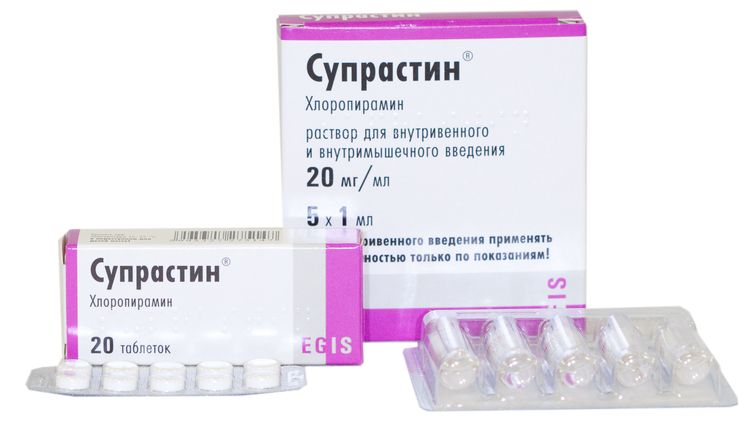
These measures are usually sufficient for a bite on the paw. In the immediate aftermath of the bite, observe your dog closely to detect any signs of an acute allergy to a poisonous insect bite.
What to do in case of an acute allergic reaction
If a dog has been stung for the first time, the risk of developing an allergy is lower than with subsequent bites. The following symptoms indicate that the consequences for the dog are more serious than usual:
- heavy or difficult breathing;
- severe swelling of the stung area;
- foam from the mouth;
- vomit;
- change in tongue color to purple;
- loss of consciousness.

In this situation, you should immediately give the dog an antihistamine injection and take it to a veterinary clinic immediately.
Antiallergic drugs
In the event of a bite to the face or lip, or if a severe allergy occurs, injections should be given rather than pills: pills act too slowly, and the stung area swells very quickly. Therefore, dog owners should purchase a couple of ampoules of the following medications to keep on hand in their home veterinary medicine cabinet. These ampoules should also be taken with you on outdoor trips – to keep them safe and sound, wrap them in foil.
- You can buy Suprastin or Tavegil in ampoules over the counter at a pharmacy. Diphenhydramine is also suitable, but unlike the above, it requires a prescription.
- Dexamethasone, also in ampoules.
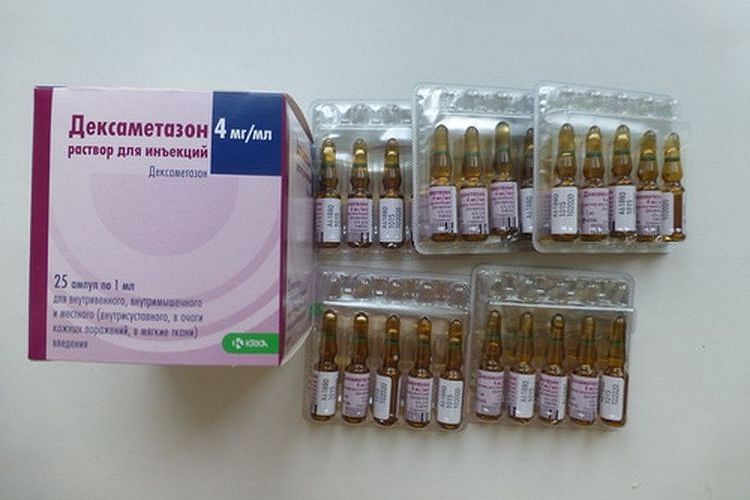
If swelling is severe, some veterinarians recommend additionally injecting the dog with a diuretic (furosemide) and magnesium.
Dosage of drugs for acute allergies
Please note! Injectable medications and their dosage should be prescribed by a specialist. Consult a veterinarian before use. The amounts below are for informational purposes only and are for single use only; significant differences in dosage may occur with long-term use.
- Suprastin, Tavegil and DiphenhydramineIf your pet weighs less than 10 kilograms, use 0.1 ml of the drug per kilogram. For example, for a dog weighing 8 kg, the dose is 0.8 ml. For a dog weighing 10 to 20 kg, use 1 ml; for a dog over 20 kg, use 2 ml.
- Dexamethasone: weight less than 10 kg – 0.1 ml per kilogram; from 10 to 30 kg – 1 ml; more than 30 – 2 ml.
- Furosemide: less than 10 kg – 0.1 ml per kilogram of weight, from 10 to 20 – 1 ml, more than 30 – 2 ml.
- Magnesia (25% solution) – 0.1 ml per kilogram of body weight. For example, for a weight of 10 kg – 0.1 ml, for 20 kg – 2 ml, for 30 to 40 kg – 3 ml, for 40 to 60 kg – 4 ml.
Peculiarities of reaction in puppies
If your puppy has been stung by a bee, don't wait for the first symptom. Young puppies' immune systems are still developing, making them more sensitive to venom and stress. Even a single sting can cause a toxic reaction or an allergic reaction. Furthermore, puppies often have poor tongue control, and a bite to the mouth can easily lead to airway swelling. Puppies often whine, refuse food, and become restless.
Recommendation:
— Take the animal to the vet the same day, even if there are no severe symptoms.
— Give a dose of antihistamine calculated by weight.
— Observe the reaction for at least 12 hours.
The danger of multiple bites
A single bee sting typically causes moderate pain and swelling. However, when a dog is stung by several, the venom quickly accumulates. Multiple stings on the neck, chest, and abdomen are especially dangerous, as they can cause toxic syndrome, and in mild cases, kidney and blood damage, as well as anaphylaxis.
Symptoms:
— Developing edema.
— Weakness, increased salivation, tachycardia.
— Choking, vomiting, diarrhea, change of consciousness.
Actions:
— Call a veterinarian immediately or take the animal to a clinic.
— Before seeing the doctor, give antihistamines and steroids (dexamethasone 0.1–0.2 mg/kg).
— The clinic may prescribe infusions and oxygen.
Post-Sting Home Monitoring Program
For 48 hours after the bite, it is important to observe:
-
Measure your body temperature twice a day - a rise may indicate inflammation.
-
Inspect the bite site for swelling, redness, warmth, and pus. It's best to do this every 6 hours.
-
Behavior assessment: decreased activity, refusal to eat, and nervousness appear first.
-
Breathing control - even minor difficulty after a light bite requires attention.
-
Evaluation of urination - after a toxic reaction, changes in the frequency and color of urine are possible.
If any new symptoms appear, consult a veterinarian immediately.
Medicines and dosages
Competitors have sample plans in their database. Below is a reworking of them with doctor recommendations:
| Preparation | Dose per 10 kg dog | Comment |
|---|---|---|
| Diphenhydramine (Diphenhydramine) | 1 ml (0.1 ml/kg) | It inhibits allergic reactions and is administered subcutaneously. |
| Suprastin | 0.1 ml/kg | Used similarly to diphenhydramine. |
| Dexamethasone | 0.1 ml/kg | Fast effect in case of severe swelling. |
| Magnesium sulfate 25% | 0.1 ml/kg | Reduces toxic reaction. |
| Furosemide (Lasix) | 0.1 ml/kg | Removes fluid, relieves swelling. |
Important: Dosage → for single use. Any repeat use should only be done under a doctor's supervision.
When home help is enough
If there was one bite, in a safe area (paw, possibly muzzle, but not mouth/larynx), and there are no symptoms:
-
Remove the sting immediately with a sliding motion - with a piece of cardboard or your fingernail, not with tweezers.
-
Rinse with water and baking soda (1 teaspoon per 0.5 l) - neutralizes the poison vetspravka.ru.
-
Cold compress, alternately applied (10-15 min) 2-3 times within an hour.
-
Apply Fenistil gel or hydrocortisone to relieve itching and pain.
-
Give an antihistamine in tablet form (Cetrin: 1 tablet/10 kg) petstory.ru.
-
Provide peace, a cool place, access to water and supervision.
If symptoms do not worsen, there is a chance to avoid a visit, but there is always a risk of complications.
Precautionary measures
Even the most attentive dog owner is unlikely to be able to completely protect their pet from bites. The following recommendations will help reduce the risk:
- When walking outdoors, keep your dog away from flower beds and bushes, and don't let him prop up fallen pears, apples, or other fruits—all of these attract stinging insects.
- When playing with your pet, stay away from places where hymenoptera live: beehives, wasp nests, etc.
- If you discover insect nests on your property, try to get rid of them. Wasps and hornets typically nest under roof eaves, in pipes, under building boards, near bodies of water, and in tree hollows and stumps.
- Place wasp traps in areas where your dog and family members do not go.
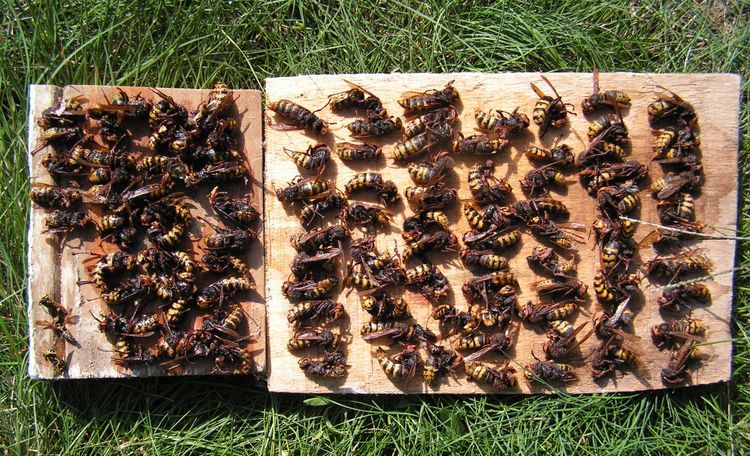
Remember the most important thing: if your dog's condition after a bite is causing concern, do not delay visiting a veterinarian under any circumstances, and before taking any serious measures on your own, it is advisable to consult with them by phone.
You can also ask our website's staff veterinarian a question, who will answer them as quickly as possible in the comments box below.
Read also:
- What to do if a dog is bitten by a viper
- My dog was bitten by a tick: what to do
- Why a dog is shaking: reasons and what to do


Add a comment