
My dog was bitten by a tick: what to do
What should you do if your dog is bitten by a tick? This question is relevant in the spring and summer. The first ticks can be encountered in April. After hibernation, they require food—fresh blood from animals and humans. Their activity peaks in May. During the breeding season, the number of tick colonies increases millions of times. In June, the offspring (larvae) are born, and from the first minutes of life, they can feed on blood.
Content
Ticks with encephalitis – a little biology
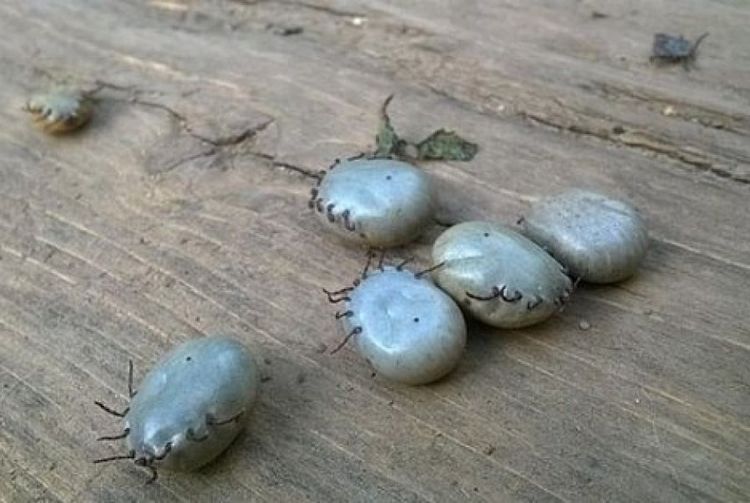
A tick is a parasitic insect, a small arachnid with 8 legs. Females are larger than males. They lack a head. The mouthparts are 1 mm long and are an extension of the body. After feeding, they fall off naturally. They carry dangerous infections:
Veterinarians define piroplasmosis as tick-borne encephalitis. Piroplasms (protozoan viruses) enter the bloodstream through the insect's saliva.

Ticks are capable of mutating and adapting to chemicals. Often, the products used have a short duration of action or offer little protection.
Tick bite – initial steps
Once in the animal's fur, the parasite searches for a bite site, which it has up to two hours to do. Weak spots include the withers, neck, chin, eye area, ears, groin, armpits, and inner thighs.
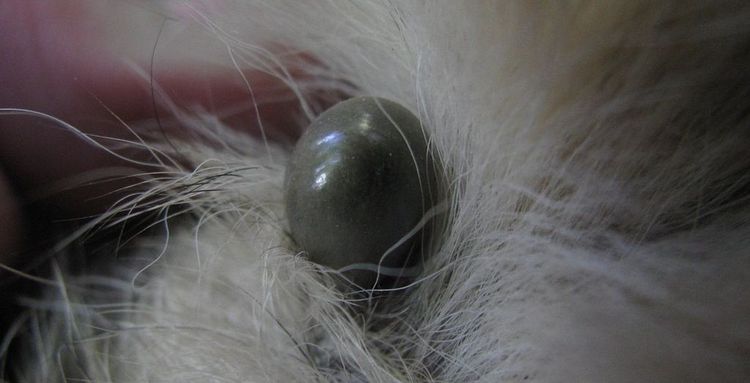
Before penetrating the skin, it anesthetizes the dog, preventing it from feeling the pain of the bite. It then chews a tiny hole and begins to twist clockwise, anchoring itself in the wound. After feeding on blood, it grows in size, resembling a giant papilloma. It digests the food and injects the digested "waste," containing the virus, into the victim's body.
If you discover a parasite attached, don't panic. Remove the "vampire" immediately and disinfect the bite site with alcohol. Then, monitor your dog's condition and never leave them unattended.
Not every tick bite is dangerous. The risk of infection is low. Statistically, it ranges from 6-14%.
If possible, do not destroy the parasite. Take it for laboratory testing. This will determine whether it is a carrier of infection. If the test is negative, there is no cause for concern. If part of the insect remains in the animal after removal, try to remove it with a sterile needle.
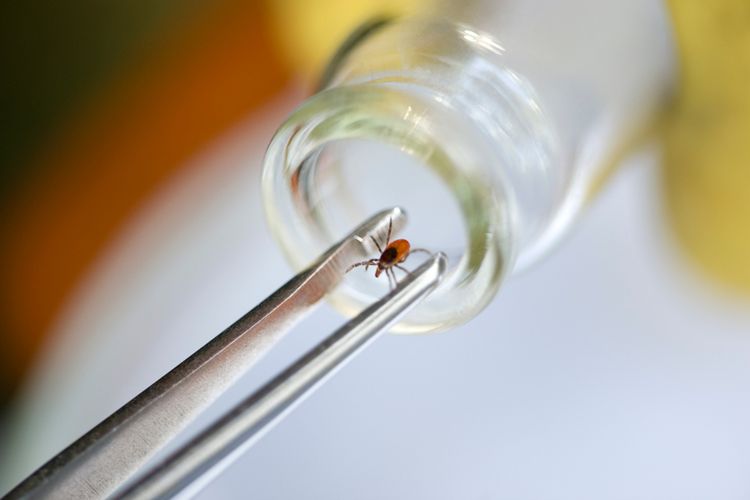
How to remove a tick at home
Extract the "vampire" You can do it yourself. Unscrew it counterclockwise, like a bolt. The grip is made as close to the victim's body as possible.
It's crucial not to tear the tick's body away from its proboscis and mouthparts. Do not pull or attempt to yank the tick out with a sharp jerk, as this will leave parts of the insect in the body. This will lead to inflammation, suppuration, and abscess formation.
Tip 1: Pharmacy tweezers
You can use special tweezers (available at pharmacies). They have curved ends and allow you to remove the insect securely without breaking it.
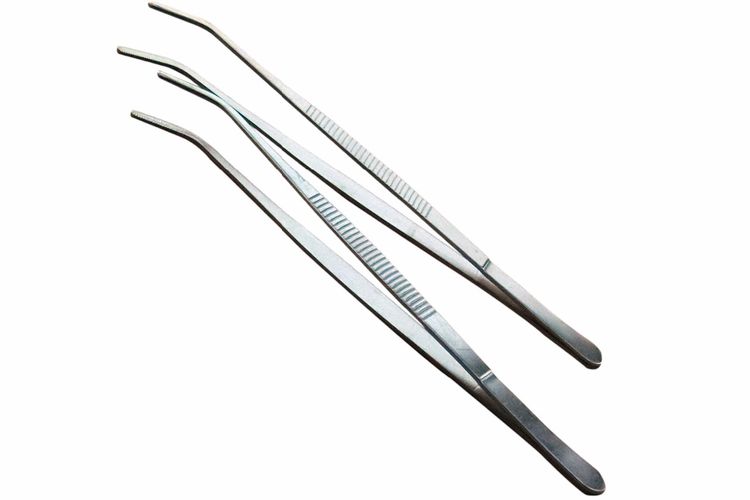
Tip 2 – tweezers
Take the space tweezers and use them as you would a pharmacy tweezers. The tweezers have a different configuration, and if you move them awkwardly, you could tear the parasite's body away from the oral cavity.
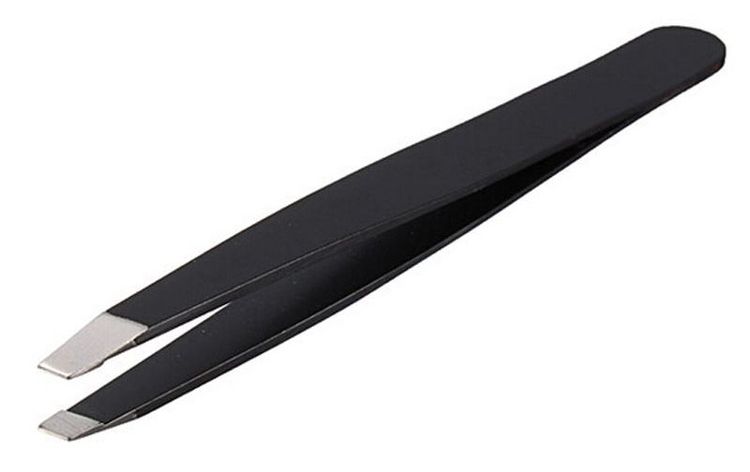
Tip 3: Lasso made from strong thread
Take a strong silk thread and form a lasso loop in the center. Place it over the bloodsucker and secure it. Then, pull the left and right ends of the thread alternately, thereby loosening the insect.
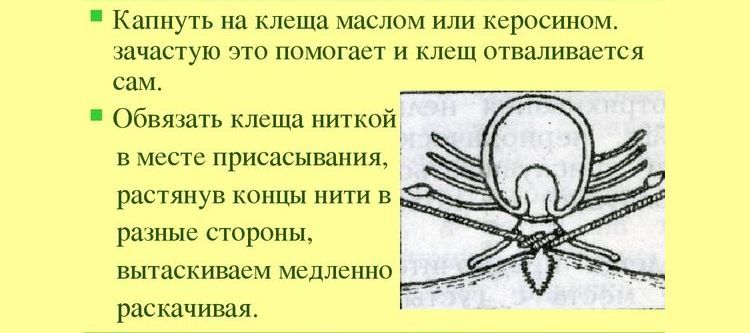
Tip 4 – Manual removal
The parasite can be removed using a finger grip. Firmly grasp the insect's body with your thumb and index finger and twist it 2-3 times.
Tip 5: Syringe
Buy an insulin syringe and cut off the tip with a knife. Apply the cut syringe to the "vampire" and, pulling back on the plunger, try to remove the insect. This method works if the insect hasn't yet penetrated deeply into the skin.
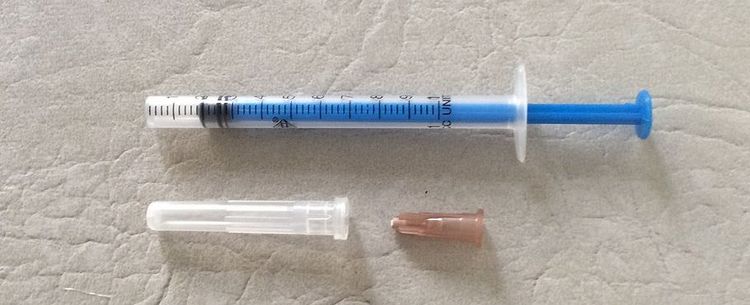
All operations must be carried out with gloves and care must be taken to ensure that parts and entrails of the removed pest do not come into contact with the skin and mucous membranes.
Stages and symptoms of piroplasmosis
Please note that after parasite removal, the animal should be monitored closely. The incubation period for the virus can be rapid or sluggish. It can last 24-36 hours or manifest within a week. The period depends on the following factors:
- number of bites containing infectious virus;
- the pet's health status before the bite;
- age (it is believed that individuals older than 4 years are more resistant to the virus);
- whether vaccination was carried out.
It's not always possible to detect and remove a tick in a timely manner. It's possible that it fell off on its own after feeding on blood. To determine if a dog has been bitten by a tick, it's important to understand the clinical picture of piroplasmosis, its stages, and symptoms.
Primary stage
- lethargy, depression;
- loss of appetite;
Positive results from early-stage treatment are achieved within 2 days. Recovery therapy is then prescribed.
Advanced stage
- a sharp increase in temperature to 41-42 degrees;
- urine acquires a dark, atypical color.
- bad breath;
- body tremors;
- dyspnea;
- diarrhea with blood particles;
- vomit;
- the eyeballs acquire a yolk tint.
- vaginal bleeding in bitches.
Extremely severe stage
- a combination of symptoms of the primary and secondary stages;
- unsteadiness of movements;
- limb failure;
- convulsions.
The chances of survival in the severe stage are slim. The treatment period lasts from 1 to 3 weeks and has serious long-term consequences. Limb failure and seizures lead to cerebral edema, making survival impossible.
According to veterinary reports, 98 out of 100 dogs die in advanced stages of the disease. If a dog is bitten by a tick, prompt recognition of symptoms and prompt treatment are essential.
Drug treatment and consequences
Virus-infected plasma attacks the animal's vital organs. At the first sign of symptoms, try to contact a veterinarian. Urine and blood tests will be required to detect the infection.
Veterinarians do not recommend administering medication at home, but if for some reason the owner cannot take the pet to the hospital or call a doctor, they can purchase the necessary medications at a veterinary pharmacy and try to save the pet themselves. The medications used in this case are: Pyro-stop, Berenil, Azidin-Vet, Pirosan, Veriben or their equivalents. Injections are given with novocaine, intramuscularly, into the back of the thigh.
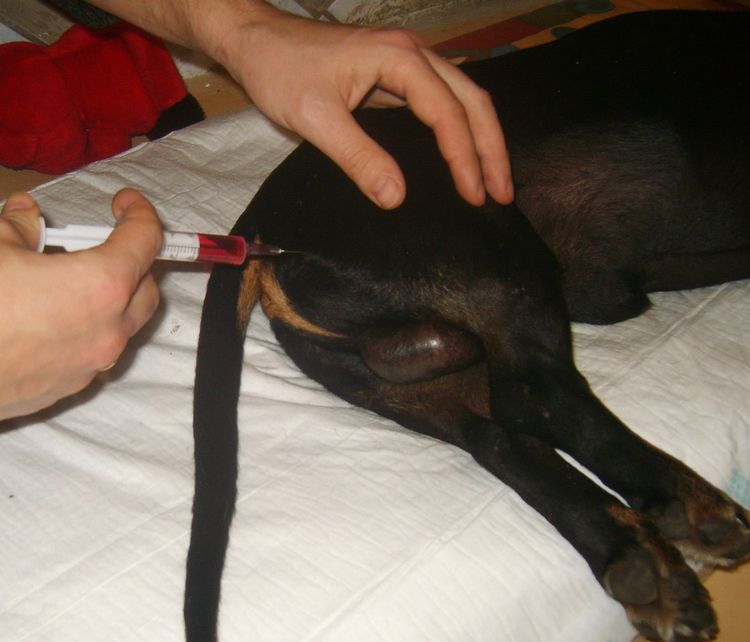
If a dog is bitten by a tick, home treatment has only a 20% success rate. It requires 1-2 hourly intravenous drips to cleanse the blood. No owner without specialized training is capable of administering an IV.
Antiparasitic drugs are highly toxic. They kill the virus but also cause harm to the body. A single injection is not sufficient, so in addition to direct treatment aimed at eradicating the virus, supportive therapy for vital organs (such as the kidneys, liver, gastrointestinal tract, and heart) is required (saline solutions and diuretics). Once the acute phase is over, long-term rehabilitation is necessary.
Once piroplasmosis has been contracted, immunity does not develop. Each subsequent infection will be more difficult to treat than the previous one.
Often, after a course of treatment, lifelong complications develop:
- heart failure;
- disruption of the central nervous system;
- anemia of organs;
- joint diseases;
- kidney dysfunction.
Be vigilant! If a dog is bitten by a tick carrying encephalitis, there is a risk of human infection with the encephalitis virus (if a person comes into contact with the infected animal through contaminated saliva entering the bloodstream).
Preventive measures
To protect your furry friend from ticks in the spring and fall, you need to use available means: drops on the withers, a special collar, and a coat spray.

Many dog owners, trying to protect their pets, use them simultaneously. drops, give pills, put on a collar, and spray the animal with a spray before each walk. This should not be done!
All products are toxic. Follow the directions for use. Excessive use of toxins can lead to poisoning.
After a walk, carefully inspect your pet. Breeds with thick, voluminous coats require special attention.
Parasites don't thrive on properly treated fur; they either die or seek out another host. This is where the danger for humans lies: a dog can bring a viral insect home from a walk.
Graft
Currently, there are two vaccines in the Russian Federation designed to protect pets from tick-borne piroplasmosis: Pirodog, Nobivac Piro.
Vaccines are designed to strengthen a weak immune system to resist the disease. To consolidate the effect, injections are administered twice, 14 days apart. The vaccines are effective for 6 months. They work by helping to milder the course of the disease if infected.
Reference information
Whether animals can get encephalitis remains controversial. It's possible that encephalitis could be a consequence of piroplasmosis. Veterinarians don't identify this disease separately, and there are currently no treatments for it. Death occurs quickly. In this case, euthanasia (putting the animal to sleep) is performed.
Let's sum it up
- Remember that a tick bite does not always lead to illness.
- Use only high-quality and proven protective equipment.
- Get your vaccinations up to date.
- Learn the first symptoms of piroplasmosis.
- If you suspect a virus, do not delay an emergency visit to the veterinarian.
- Do not try to treat the animal yourself (except in cases of force majeure).
You can also ask our website's staff veterinarian a question, who will answer them as quickly as possible in the comments box below.
Read also:
- Jaundice in a dog after a tick bite
- Flea and tick collars for dogs
- Tablets, drops, and tick remedies for dogs


57 comments
Olga
Hello! My Spitz was bitten by a tick. The tick was removed and the wound was treated with iodine. We gave him two Gemavit injections and said he needs two more injections each day. We gave him Hematoved drops. The dog is active and has no symptoms. What else should I do? Should I give him frontal drops now?
Daria is a veterinarian
Hello! The medications you mentioned don't exist! Not Hemavit, but Gamavit. And what it has to do with treating an animal after a tick bite is unclear. It's essentially rose water. The concentration of useful substances is minimal! Roughly speaking, it's a drop of vitamin per BARREL of water for an injection. And if piroplasmosis is suspected, Gamavit is completely useless! The hematologic specialist also doesn't know what he's talking about, but I can only assume it's Hepatovet for restoring liver function. And Frontline can only be administered after confirmation that the animal is completely healthy (the blood needs to be tested for blood parasites). If everything is clear, then go ahead and use the medication.
Tatiana
Good evening! I have the same problem and the same topic! A young dog, 3 years old, was tied up, never let out, walked only in an area where there was no grass... and suddenly he got untied and took off for a day "on a business trip"... A couple of days later, my mother noticed that he had no appetite, that he was lethargic... They gave him an Alben tablet (dogs tolerate it well and never had problems with it)... A day later, his condition had not improved, lethargy and sluggishness appeared. We untied him and let him walk around the yard... We thought about Alben poisoning, although the dosage did not work out - Khan weighs 10-12 kg, he is not a purebred, but it does not matter - the dog is dear as a memory... On the third day, he just lay down and did not get up. We put him on the sofa in the house, he still responded to the voice, got up and urinated on his own... Unfortunately and terribly, there is no veterinary clinic nearby, so It was simply not possible to take him there. We checked for ticks, but there weren't any. On the third day, his urine turned dark and his sclera turned yellow. Some friends had Pirostop and Gamavit, they gave him an injection, and he reacted to it - bradycardia, salivation, muscle contractions, weakness, but we were terribly scared!!! Please tell me what to do next (there is no clinic nearby), what medications can I give the dog to alleviate the symptoms and the course of the illness? By evening (the injection was given at 12 noon), Khan lifted his head on his own and even crawled from the wet spot to a dry one. He absolutely refuses to eat, drinks water often, but little by little...
Daria is a veterinarian
Hello! We urgently need to find a way to get to a veterinary clinic so the animal can receive all the necessary care. A simple injection of Pyrostop is not enough (especially since the injection will have to be repeated 24 hours after the first administration). IVs are essential! And not even with glucose, but with saline solutions (hypotonic solutions are prohibited, as hemolysis is already in full swing). Ideally, a blood transfusion is necessary to speed up the animal's recovery. You can't manage this on your own! In your case, time counts down to hours and even minutes, as yellowed sclera and dark urine are already signs of full-blown hemolysis.
Natalia
The dog stopped eating, became lethargic, and almost never left its kennel. It was too late to realize it, and on the fifth day of this condition, we took it to the veterinary clinic. They removed four engorged ticks from the dog. They diagnosed advanced piraplasmosis. They gave it a bunch of injections and started an IV. They recommended at least 3-5 more IVs. I agreed to all the treatments the doctor prescribed, but the dog survived. The doctors can't give a definitive answer as to whether this treatment will help. Is there a chance of curing the dog?
Daria is a veterinarian
Hello! There's almost always a chance of recovery. But the more advanced the disease, the less likely it is. No one can ever guarantee a 100% recovery. Therapy will be lengthy (specific treatment will definitely last for a week, then symptomatic or supportive therapy may be prescribed, as it's necessary to restore red blood cells and support kidney and liver function). Much also depends on the animal itself, and how hard it fights (the younger, the better). Improve feeding, including more iron-rich foods. Vitamin B12 to enhance homeopoiesis (hematopoiesis). IVs are essential (ideally with plasma substitutes; a blood transfusion may even be necessary).
Catherine
Tell me, we have a puppy with 2 swords, we removed a tick, but he hasn’t drunk yet, what should we do?
Daria is a veterinarian
Hello! Contact a veterinarian as soon as possible. Place the tick in a jar (if you haven't already) and take it to the clinic's lab (maybe the Hygiene and Epidemiology Center—they'll just call it a sanitary station). The puppy will also be taken to the vet. They'll test the blood and examine the animal thoroughly. Piroplasmosis must be ruled out immediately. A tick doesn't necessarily need to drink a lot of blood. It's enough for the tick to bite, then inject its saliva, and the protozoa will enter the animal's system. And a puppy is small. Everything will develop more quickly than in an adult dog.
Olga
Good morning! Yesterday we went for a walk in the forest, and this morning the dog refused to eat and became lethargic. We went to the clinic, got blood work done, and tested for piroplasmosis. We gave him three injections: antipyretic, anti-allergy, and anti-parasite. We sent him home. How long should it take for him to get better? His temperature was 104.3°F (40.3°C) at the clinic, and now it's 102.6°F (39.6°C).
Daria is a veterinarian
Hello! Everything depends on the animal's own strength and how quickly treatment is started. If it is started within the first 24 hours of the tick bite, or at least when the first clinical signs appear, the pet will recover within 2-3 days (provided the specific medication was administered at the correct dosage). If the body is weakened, additional supportive and symptomatic therapy may be required (IV drips, medications to support cardiac, kidney, and liver function, and anemia medications), in which case recovery will take about a week.
Anna
Hello, my dog has been lethargic. We showed him to the doctor and they said it was a tick bite. We gave him IV injections and we continued giving him injections at home for five more days, but he is still lethargic. At first he seemed to be more cheerful and even started eating a little, but then he became lethargic again. Three days have passed since a week of treatment. What could it be?
Daria is a veterinarian
Hello! There's no such diagnosis as "tick bite." Piroplasmosis/babesiosis, isosporiasis, or at worst, tick-borne encephalitis—these are the diagnoses that can be made after a tick bite. Was there any specific treatment? Was a blood transfusion given, or just glucose/saline IVs? Perhaps plasma-substituting solutions were given? A blood smear is the easiest way to confirm or rule out a blood parasite infection. The condition may not be caused by a tick. But without seeing the animal, it's impossible to say what exactly is wrong. An examination, including an in-person examination by a doctor, is necessary.
Catherine
Hello! Four days after the bite signs appeared (bloody urine, loss of appetite, occasional vomiting after eating), is there any chance of saving my pet? I'm an adult Rottweiler, 8 years old. We've already taken him to the vet, but unfortunately, it's been four days... Please advise!
Daria is a veterinarian
Hello! There's almost always a chance, but the later you seek help, the less likely it is. Specific medications are needed (most commonly PiroStop, Forticarb, Pirosan, and others), and IV fluids are essential! Ideally, IV fluids with plasma substitutes will help the animal recover more quickly. Further supportive and symptomatic therapy is needed (there's a strain on the heart, kidneys, and liver).
Guest
There's a dog living in the courtyard of an apartment building. For a week now, I've noticed it's having seizures and eating little. One of the residents said it was bitten by a tick. When I asked if they'd removed it, they shrugged their shoulders. I personally couldn't find the tick. What steps should I take? How can I treat the dog myself? What medications should I give it? I'd be grateful for any help.
Dasha is a veterinarian
Hello! A blood smear should be done. If the doctor detects any characteristic changes, they will prescribe treatment immediately. If an infected tick had bitten you, you wouldn't have immediately noticed convulsions, but a high fever, lethargy, and red urine—these are the most obvious signs of piroplasmosis. In addition to specific treatment (medications containing imidocarb or diminazine as the active ingredient), symptomatic therapy with intravenous plasma substitutes will be required. The cause of the convulsions must be investigated. Moreover, the convulsions themselves are not described: whether they occur throughout the body or in specific parts, whether they are mild tremors or severe ones with loss of coordination, how often, etc.
Alena
We removed a tick from my dog this morning; it had already sucked blood. Should I give it an injection right away, as the vet said?
Dasha is a veterinarian
Hello! The medication used for piroplasmosis is harmful to the liver and kidneys, so it's not recommended to administer it casually. A blood smear can be done. If the diagnosis is confirmed, then Forticarb can be administered. Many people are playing it safe and administering the injection immediately to prevent the disease (if present) from developing.
Elena
Hello. My dog was bitten by a tick. We've been at the vet for two days now. His temperature has dropped and he's started vomiting heavily. He drinks and then vomits. What should we do? How can we help him? Thank you for your reply.
Dasha is a veterinarian
Hello! Was the diagnosis of piroplasmosis confirmed? Or was treatment started at random? What is the treatment? Could vomiting be due to severe liver damage? How long after the bite did you seek treatment at the clinic? Was Cerucal prescribed as an antiemetic or serene? Are IVs given to combat dehydration?
Dmitry
Hello. My dog was bitten by a tick a month ago. It was later discovered to be pyloric plasmosis. Now he's been bitten again. Could you please tell me my dog's chances if the tick is contagious?
Dasha is a veterinarian
Hello! Wait, did you find out who did this and how long after the bite? Was the animal treated? How quickly did the animal recover from the infection, and how severe was the piroplasmosis? And the most important question: why wasn't the animal treated for ticks if piroplasmosis is reported in your region?
Was the tick removed and discarded? Was it taken to the vet for testing to rule out or confirm the presence of blood parasites? If your pet had a severe illness last month, the risk of complications is high. This disease severely damages the liver and kidneys.
Anna
Hello. My dog was bitten by a tick today. What should I do since we're on the road? We found it in the Chuvash Republic. We simply removed it with a wipe and used hand sanitizer, which we have in the car. We can't drive into cities because we're driving a truck. Are there ticks that could infect us during this time?
Dasha is a veterinarian
Hello! Ticks can infect at any time of year if they are active and biting. They don't infect at a specific time of year, so it's important to protect your pet at all times. If you can't go to the vet right now, keep an eye on your pet. If your dog's temperature rises, it becomes lethargic, its urine turns red, or it shows signs of nervousness, you'll need to go to the vet immediately if you don't want to say goodbye to your beloved family member.
Olga
Good afternoon! We discovered a bunch of strange, dark, flat plaques on our dog's head and around the edges of his ears. We didn't think they were ticks. But when we saw the gray-yellow one and his paws along the edges, we realized they were ticks. The dark ones are probably ticks too, but they're strange... Two years ago, our dog had Lyme disease, which was treated and restored to health. Now he seems to be doing well, jumping around and eating. What should we do about these ticks?
Dasha is a veterinarian
Hello! Take these ticks to the clinic! They'll either examine the bloodsucker at the clinic's lab or at the Hygiene and Epidemiology Center. These bugs carry a lot of infections. It's not worth the risk.
Hope
Hello, yesterday and today we removed ticks, but they haven't had time to feed on blood yet. What should we do? We went to a village that is very far from the city. There are no veterinary clinics or pharmacies here, and we can't go back to the city until next week. What should we do?
Dasha is a veterinarian
Hello! If the ticks haven't attached at all (you captured them while they were still moving), it's unlikely anything will happen to your pet. If the ticks have already attached and you've twisted them, you'll need to watch your pet closely (after a day or two, symptoms will become apparent). Monitor their general condition. If you notice lethargy, a high body temperature, refusal to eat, yellow mucous membranes, or red urine, rush to the veterinarian! The countdown is in hours. The longer you wait, the less likely you are to save your pet. So, keep an eye on them for now. And for the future: if you go outdoors, treat your pet and protect it from skin parasites!
Natalia
Hello! My Alabai puppy had a tick removed today. He's playing and drinking milk, but his appetite has clearly decreased. What should I do?
Dasha is a veterinarian
Hello! Get to the clinic immediately! The puppy needs an injection of a special medication (pirastop or similar), containing diminazene aceturate (azidine/berenil) or imidocarb dipropionate. These medications will help fight the blood parasite infection before it makes any signs. (Ideally, the tick should be examined, but a blood smear will also be informative.) Don't delay your visit. If piroplasmosis is confirmed, without treatment, the animal will suffer kidney and liver damage, and ultimately die within a couple of days. In addition to the injection, an IV with plasma substitute, a diuretic, and medications to support heart and liver function may be required.
Victoria
Hello, my dog initially had a red rash on his belly and ears. We gave him suprastin, and the rash seemed to go away. We went to the vet today and they said it was a tick. He's tired, but he can play. They also said he might have removed the tick. What do you think about this?
Dasha is a veterinarian
Hello! The animal needs to be examined. What kind of tick do you suspect: a cutaneous bloodsucker or an intradermal one (since there's a rash)? Have you taken a blood swab? How can you suspect piroplasmosis and not give the necessary injection? Have you ruled out food allergies? Have you washed the animal with any shampoos? Has it been dewormed recently? Has it been vaccinated?
Faya
Good evening, two days ago my dog was bitten by a tick. The tick was removed but nothing was done. Yesterday he ate and played normally, but today he is kind of lethargic. Can you please tell me what medicine there is?
Dasha is a veterinarian
Hello! Your pet needs urgent medical attention! Lethargy after a tick bite is a worrying symptom, especially if the body temperature rises and the urine turns reddish or brown. Medications are available, but they are administered by a veterinarian after a physical examination (assessing the animal's general condition and weight). Intravenous plasma substitutes may be required. Without specific treatment, piroplasmosis (after a tick bite) will cause death within a few days.
Lydia
Hello. We gave Bravecto on April 30th. On May 13th, a tick was removed from the dog. I'm very worried. What could happen next?
Dasha is a veterinarian
Hello! Keep an eye on your pet. It's possible they may have been infected with piroplasmosis. Bravecto doesn't repel ticks; for them to die, they need to "bite" a warm-blooded animal. But even that contact is enough to become infected. Is Bravecto certified? Is it possible to buy a counterfeit product? What about the dosage (have you found the right dosage)? Monitor their behavior, appetite, body temperature, and urine color. If you have any doubts, go to the vet immediately.
Lyudmila
Hello! On May 1st, we found a tick on my 5-month-old Malamute puppy's face. We carefully removed it and treated the bite site with brilliant green. On May 2nd, I bought Bravekta and gave it to him. He's been eating, drinking, and acting normal, but has been vomiting for two days. What's the cause? Have you taken him to the vet? Maybe I gave him the pill too early?
Dasha is a veterinarian
Hello! After a tick bite, your pet needs to be taken to a clinic. Don't remove the tick yourself, but have it taken to a clinic (piroplasmosis should be ruled out immediately). Did you give the correct tablet based on the animal's weight? Have you ruled out an overdose? Did you buy a certified product? Bravecto is often counterfeited, so it's important to buy it from reputable pharmacies and check the product's certification. Your pet needs to be examined now. It may be necessary to treat the intoxication caused by Bravecto and rule out liver and kidney damage (sometimes counterfeit products cause liver and kidney failure). Rule out blood-borne parasitic infections; don't delay your visit and examination.
Tanya
Hello, please tell me my dog is lethargic, lies down all the time, doesn't respond to commands (doesn't wave its tail), eats as usual, I didn't find a tick on her, or should I take her to the vet for a blood test?
Dasha is a veterinarian
Hello! This is a must! The most terrifying season has begun for both animals and veterinarians. The tick could have sucked its fill and fallen off, or it could still be hungry and lodged in the fur (if the fur is thick). Take your pet's temperature, check the mucous membranes (they might be turning slightly yellow), and be sure to watch when the dog urinates (to see if the urine is pink)! I'm heading to the clinic tomorrow.
Sergey
Today I found a tick on my dog. I went to the vet, they removed it, gave me an injection, and we came home. The dog ate and drank well, but he's acting lethargic and sleeping, even though he's an active Jack Russell Terrier.
Dasha is a veterinarian
Hello! What exactly did they inject? Did they tell me to come back to the clinic? Did they take the animal's temperature? Has the urine changed (or changed color)? Observe your pet for the next two to three days. If any symptoms of piroplasmosis appear, go to the clinic immediately. However, the dog's lethargy is most likely caused by the medication administered (they use quite strong ones).
Anastasia
Hello! My Yorkie was bitten by a tick, but it didn't stick very well! I removed it with tweezers, and there's a small hole left at the site! I treated it with brilliant green. She's active and hasn't lost her appetite! But I think she shakes occasionally! What do you recommend?
Dasha is a veterinarian
Hello! Your pet needs to be taken to the clinic for a blood smear. If the veterinarian detects babesia or other blood parasites in the smear, immediate treatment will be necessary. Every day of delay reduces the chances of recovery. It's good if the blood comes back clean; then you just need to observe your dog. Don't apply brilliant green to any wounds, bites, or other injuries. Firstly, you could burn the tissue, and secondly, how should the doctor examine the area after applying brilliant green? Green disguises redness! The skin changes won't be noticeable. Don't make the doctor's job any more difficult.
Anastasia
Thanks a lot!!!
Olesya
Hello! We went to the vet two days after a tick bite. The dog is now feeling well, eating, running around, and has clear urine. Should we go back on the third day? The issue is the dog's morale and, of course, money.
Dasha is a veterinarian
Hello! Has your cat been diagnosed? Has piroplasmosis been confirmed, or are you just observing? Please understand that this is a dangerous disease; if left untreated, it will worsen. It's essential to complete treatment and have blood tests. If you're just going for observation, it's your decision—your pet and you assume all the risks.
Victor
My dog was bitten by a tick. After testing, I was diagnosed with piroplasmosis. After IVs, I was prescribed antibiotics. What is the purpose of these antibiotics and is it necessary?
Dasha is a veterinarian
Hello! Should I take it? Why upset the stomach when injectable antimicrobials have been used in veterinary medicine for a long time? They CAN be prescribed if there's concern that a tick bite will cause inflammation (at the bite site, for example) or to "prevent" the development of a bacterial infection (ticks can carry more than just babesia; they can sometimes transmit other diseases as well). If there's a suspicion of a bacterial infection (perhaps a blood test showed something other than piroplasmosis, or maybe a complete blood count was done), then antibiotics can be used. Otherwise, it's not necessary.
Mylnikova Tatyana Alekseevna
Hello! My dog was bitten by a tick and was sick for four days with a fever and weakness, but he's starting to recover. Will he survive? Is there a chance?
Dasha is a veterinarian
Hello! Blood parasitic diseases (after a tick bite) do not heal spontaneously! Even with treatment, the animal may die, and without veterinary treatment, the fatality rate is almost 100%. Bring your animal for an immediate examination. If the diagnosis is confirmed, they will administer special medications and prescribe intravenous fluids. If the diagnosis is not confirmed, medications will be prescribed based on the situation. The longer you wait, the more serious the situation.
Nata
Hello! Can you please tell me my dog was bitten by a tick, it's shaking, it's not eating, how can I treat it? Is there a way to take it to the vet?
Dasha is a veterinarian
Hello! Please find a way to take your pet to the vet! Piroplasmosis must be ruled out. A medication for this condition is urgently needed (pyrostop and other similar medications containing imidosan, forticarb, imizol, or the more toxic azidine or berinil), but these must be administered after a blood smear is analyzed! You will need intravenous plasma substitutes and medications to support liver and kidney function, as blood parasites have a strong impact on them. Even with timely, COMPREHENSIVE therapy is highly fatal, and every day the animal is not seen by a veterinarian increases the risk of death from blood parasitic diseases following a tick bite.
Larisa
My Spitz was bitten by a tick two weeks after being treated by a vet. The tick was removed and the bite site was treated. What are the possible consequences? What should I do?
Dasha is a veterinarian
Hello! Observe your pet very carefully. If your dog's body temperature rises, it refuses to eat, vomits, or its urine changes color, consult a veterinarian IMMEDIATELY! Also, inspect the bite site. Sometimes inflammation can develop at this site (you'll see redness, swelling, and tenderness when you touch the area).
Irina
Hello, our dog has four ticks around each eye. What medication should he take now? And what should he take for prevention? We have two ticks. What should we give the other dog, the one who wasn't bitten? The breed is a Bernese Mountain Dog.
Dasha is a veterinarian
Hello! Your pet needs to be examined by a vet (the tick should be examined to rule out piroplasmosis); specific treatment may be required. To protect your pet, use drops on the withers, collars, sprays, and even chewable tablets. However, before using these, be sure to consult a vet to rule out any contraindications (for example, internal organ diseases). Examine the second dog carefully (their fur is thick, so it's possible to miss a tick). Keep an eye on the first dog. If any changes occur, consult a vet immediately (especially monitor their temperature and urine).
Add a comment