
My dog gets car sick: what to do
Car sickness in dogs is a common problem for owners, especially in animals under one year old. This can make traveling together tiring and uncomfortable for both pet and owner. However, this problem is solvable: there are helpful tips and medications available to make travel more comfortable and enjoyable.
Content
The nature of motion sickness and its symptoms
Motion sickness (kinetosis) This is associated with the development of dizziness and nausea, which occur in response to signals from the vestibular system, located in the inner ear, sent to the brain. Every change in a dog's body position is accompanied by the transmission of corresponding information through the vestibular system to the brain, where it is processed and commands are then distributed to the muscles and body parts to restore balance.
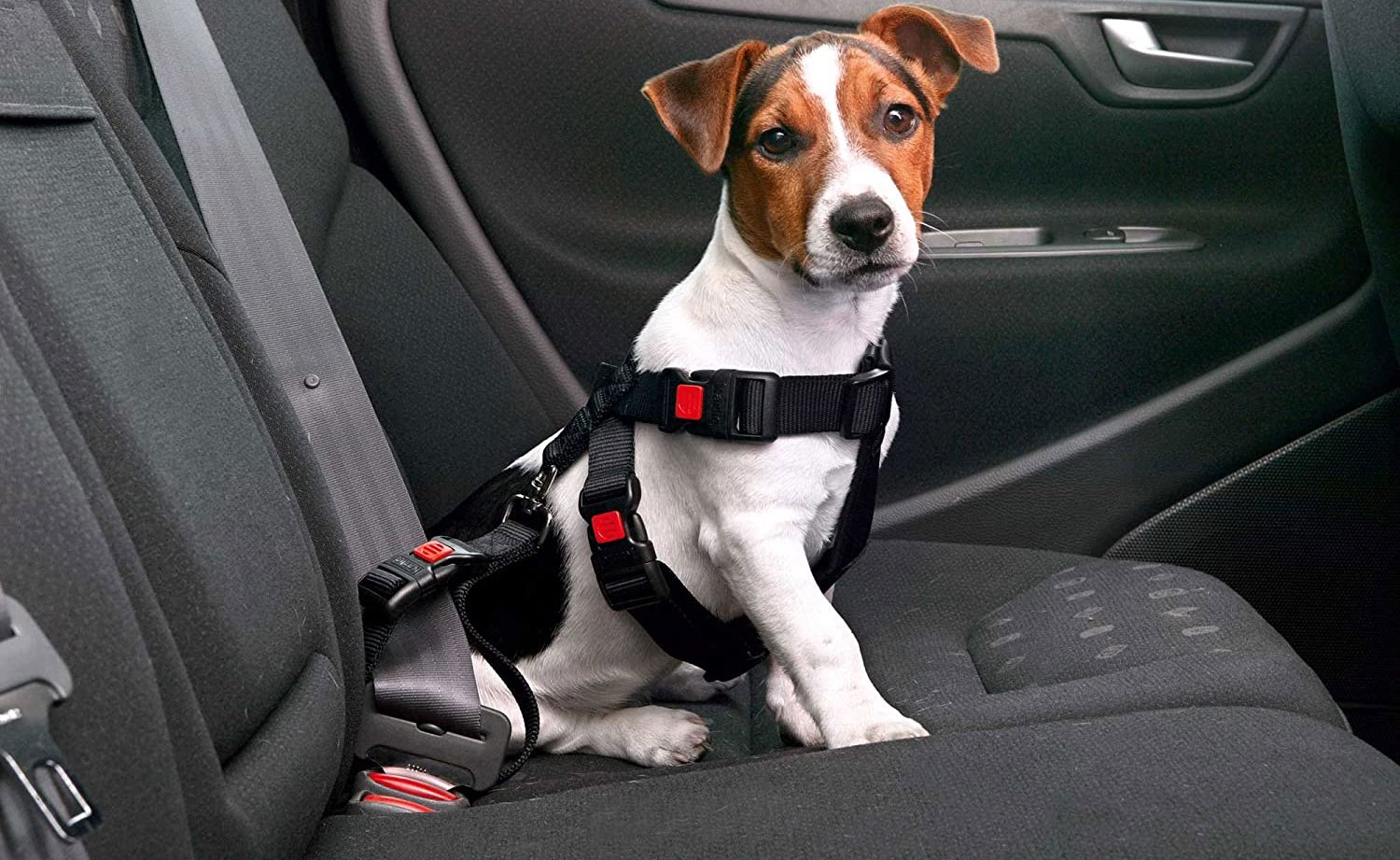
When a ride jolts the animal, the vestibular system sends impulses to the brain in a chaotic manner. The brain also receives additional impulses from the senses of vision and movement. If the information coming from the eyes contradicts other impulses—for example, the eyes signal that the dog is moving while the paws are standing still—motion sickness occurs.
A similar chaos occurs when poisons enter the body, disrupting the flow of impulses. The body eliminates the poisons through vomiting, which is why shaking triggers a similar reaction.
You can determine if your pet is suffering from car sickness by the following symptoms:
- excessive salivation (hypersalivation);
- increased breathing, constant swallowing and licking of the nose;
- trembling in the body, restless behavior, constant change of body position;
- belching and vomiting.
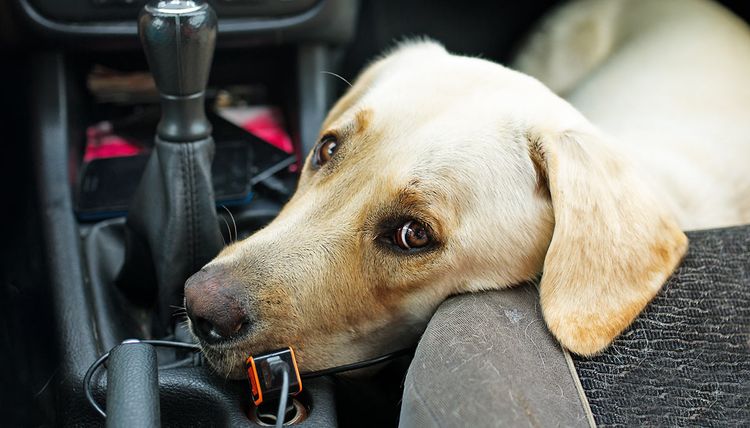
Some animals exhibit a single symptom, while others experience all of the above. If you notice even one of these symptoms (most often associated with drooling), your dog is suffering from motion sickness and needs help.
Reasons
Motion sickness is most common in puppies under one year old, caused by an immature vestibular system, which can lead to vomiting and motion sickness. As puppies mature, the problem often subsides, but in some cases, dogs suffer from motion sickness throughout their lives, making even short trips a real challenge. This can be due not only to medical factors but also to behavioral ones.
The problem can be exacerbated by a negative initial experience of car travel. If your pet's first car trip was to the veterinarian for a routine vaccination or during an illness, when they were taken for injections and IVs, then the car will long remain a strange and noisy device in their minds, taking them to unpleasant places. Stress can exacerbate motion sickness, and the dog will experience discomfort even before they're placed in the car. Sometimes nausea can begin as soon as they climb into the backseat. In such situations, it's important to use various methods to encourage positive emotions about car travel. This can be achieved by taking your dog on several more enjoyable trips that don't involve fear and anxiety. These might include:
- a walk outside the city;
- swimming in the river;
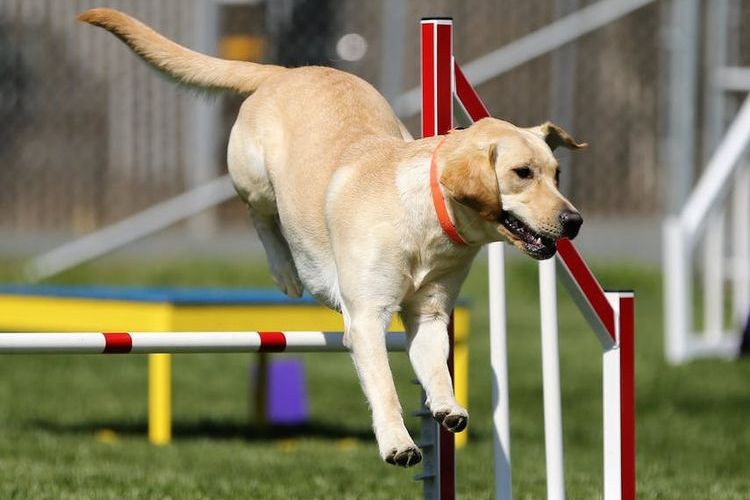
- training on the sports ground.
Pre-trip tips
If your dog is prone to motion sickness, that doesn't mean you have to give up traveling with them altogether. The following tips can help reduce your pet's discomfort during travel:
- Don't feed your pet before traveling. The last meal should be no later than 2 hours before departure.
- Take your pet for a good walk before setting off on the road.
- When driving, leave the window slightly open to allow fresh air to enter.
- Avoid sharp turns, acceleration and braking.
- Do not smoke in the car.
- Turn off the radio.
- Remove air fresheners with strong scents and it is better to avoid using perfumes.
- Start training your animal with short distance travel and increase the duration over time.
- During long journeys, make regular stops so that the dog can get out of the car, run around, drink water, and go to the toilet.
It's worth noting that these tips may actually help some animals, but for others, they have no effect. For these animals, specialized medications aimed at preventing motion sickness or its specific symptoms should be used.
Motion sickness medications for dogs
If your pet doesn't show signs of motion sickness, but is very nervous and restless, you can use sedatives:
- Fitex – drops based on plant extracts that have a calming effect, relieve irritability, anxiety, and fear associated with stressful situations, including transportation, diagnostic procedures, and other situations.
- Stop stress – Contains tranquilizers, so it's important to strictly adhere to the dosage. It can cause drowsiness and lethargy, so it's only suitable for use in cases of severe stress, not for prevention. Not suitable for dogs under one year old, pregnant or lactating females, or those with diabetes, liver disease, genitourinary disease, or cancer. Dosage is calculated based on weight.
- Dramamine Dramina tablets, developed for humans by the Croatian company Jadran, are often recommended for dogs to treat motion sickness. They are available in liquid and tablet forms. The active ingredient is dimenhydrinate, which has a depressant effect on the vestibular system of the inner ear, as well as antiemetic and sedative effects. Dramina is effective if the dog's motion sickness is due to vestibular problems, but will not help in many other cases. The dosage of Dramina for dogs is calculated individually based on the animal's weight, at a rate of 2-4 mg of active ingredient per 1 kg of body weight.
For more information on the dosage of medications available in veterinary pharmacies, watch this video:
Important! In any case, avoid giving dogs other strong sedatives intended for humans, as animals react differently to medications and it's not always possible to calculate the correct dosage.
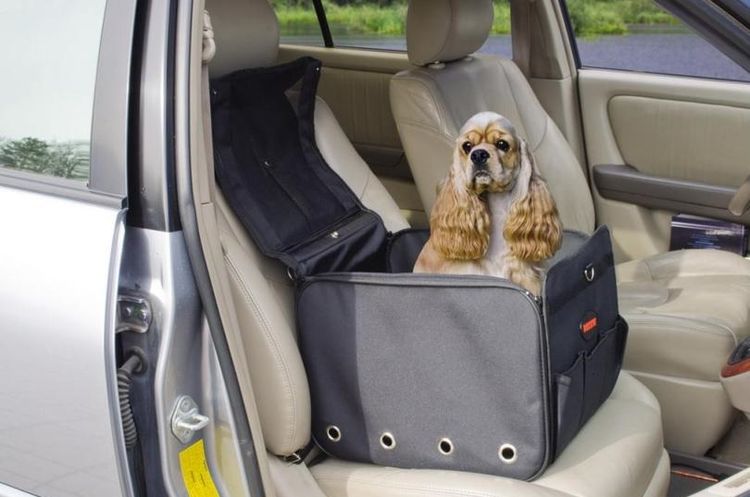
For some small breeds, using special bags or carriers during travel can be effective, as they feel more comfortable and protected in them.
In cases of severe motion sickness, which, in addition to restlessness, is accompanied by salivation and nausea, it is recommended to treat these symptoms with medication. These medications have different effects, so a knowledgeable veterinarian can help you choose the right medication for your dog. The most popular are:
- Serenia (Pfizer or Zoetis) — Maropitant-based tablets, an antiemetic agent, neutralize the symptoms of nausea and vomiting without depressing the central nervous system, so the dog remains active and alert after administration. The dosage is 8 mg of active ingredient per kilogram of body weight. Before administration, feed the pet lightly, then place the tablet on the back of the tongue and ensure it is swallowed. Serenia is administered no later than one hour before departure and is effective for 12 hours.
- Reisfit (Beaphar) These are tablets containing cyclizine HCl, which inhibits the action of substances that cause spasms of the smooth muscles of the stomach wall, which is the cause of vomiting. The dosage is 4 mg per kilogram. The drug is not recommended for dogs weighing less than 2.5 kg, so it is not suitable for small breed dogs. The tablets are given half an hour before departure, and if motion sickness recurs, the dose is repeated after 6 hours. Reisfit can be administered no more than three times per day.
- Relax (Sanar) These tablets contain tryptophan, which stimulates the production of serotonin, which has a calming effect and suppresses nausea. The medication also reduces the effects of stress on dogs, such as travel and change of location. For animals weighing up to 5 kg, the dosage is 1-2 tablets, for those weighing 5-15 kg, 2-4 tablets, and for those over 15 kg, 4-6 tablets. Dosage can be repeated after 5-6 hours.

General recommendations for getting rid of motion sickness
The best way to get rid of motion sickness is to strengthen the vestibular system and vestibular exercises (read about vestibular syndrome (See our website here). This means taking your pet for car rides whenever possible. It's best to start with short periods of time, even if it's just a drive around the block. In addition, focus on active games that involve running, sharp turns, and jumping. It's believed that active, nimble animals have a more trained vestibular system and are therefore less likely to suffer from motion sickness.
Another way to overcome motion sickness is to make the car a pleasant place for your pet. To do this, leave a favorite treat, toy, or rug there. For the first time, you don't even have to drive anywhere; just sit inside, let your dog explore, and pet him so he understands that the car is a place where pleasant experiences can happen.
In any case, a dog requires the same (and sometimes even more) attention during a trip as other passengers. Show it the necessary care and try to make it as comfortable as possible in the car to ensure your trip together leaves only pleasant memories.
Read also:
- How to teach a dog the "Lie Down" command
- Diseases of the nervous system in dogs
- Stop-stress for dogs


1 comment
Vladimir
good article
Add a comment