
My dog is chattering its teeth: why and what to do
Continuing our exploration of pet behavior, today we'll explore why dogs sometimes chatter their teeth. Often, when owners notice their dog's lower jaw shaking, they worry whether it's a symptom of a serious illness. In this article, we'll explore in detail all the possible causes of jaw tremors and what to do if you notice this symptom.
Content
Tremor of the lower jaw
This symptom is hard to miss, as the dog's lower jaw trembles quite intensely. Sometimes the jaw twitches silently, but other times it feels as if the pet is involuntarily clicking its teeth, producing a clearly audible sound.
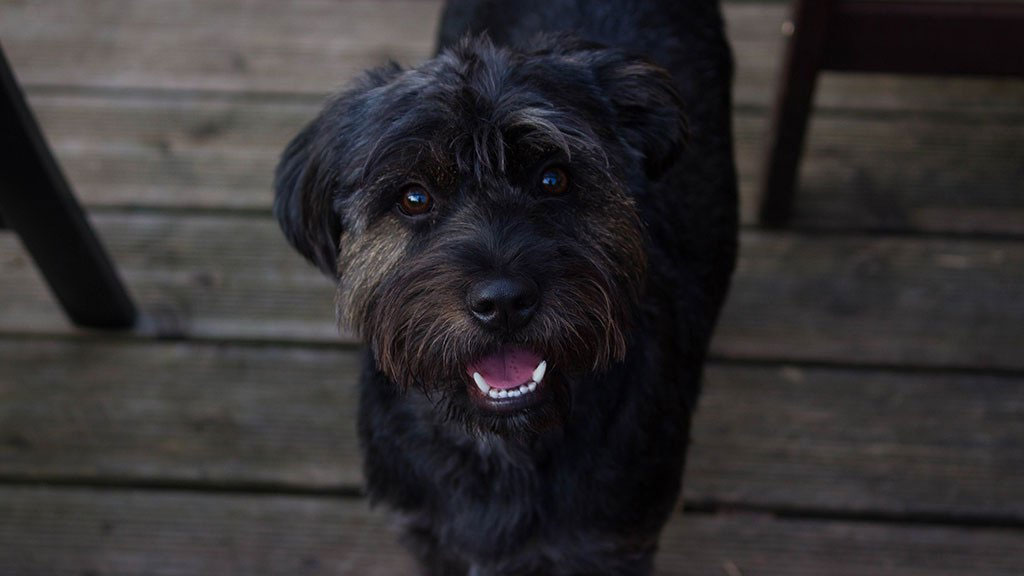
Physiologically, tremors occur as a result of tension in a certain group of muscles responsible for jaw movement, but the causes of this spasm can be very diverse.
Causes of Jaw Shaking in Dogs
The symptom may occur in various situations:
- in a dream or while awake;
- during active play;
- when the dog sniffs the marks;
- before meals or, conversely, after meals;
- against the background of emotional tension.
To understand why your dog's lower jaw is shaking, you need to observe your pet and evaluate a number of accompanying signs that may indicate the dog is feeling well or, conversely, indicate problems that require a visit to the veterinarian.
Below, we'll list the possible reasons why a dog may chatter its teeth. First, we'll look at the harmless, normal causes, and then at those that require an immediate visit to the vet.
Hypothermia
Many owners believe that if a dog's jaw trembles, it's cold, but in reality, this is nothing more than a meme, and teeth chattering in dogs is extremely rarely an independent symptom of hypothermia.

If a dog is cold, its body will try to obtain energy by tensing and relaxing its large muscles, which often results in the dog's entire body shaking, rather than its jaws. However, it is also possible for a cold dog to shiver and chatter its teeth.
If the cold is the cause, you will easily understand this by the icy ears and paws, as well as the animal’s desire to find a warm place and the cessation of tremors as soon as the body temperature returns to normal.
Reaction to tags
Often, owners can observe how the dog greedily inhales air (while greatly flaring the flutter of the nose), and then its lower jaw trembles.
Veterinarians reassure dog owners, explaining that this is normal behavior for intact dogs. Animals are capable of detecting scents left by members of the opposite sex from several kilometers away. The scent molecules penetrate the animal's nasal passages and settle on receptors, causing intense arousal and a surge in hormonal activity.
This is why a dog, having inhaled a sufficiently stimulating scent, seems to freeze for a few seconds, twitching its jaw and chattering its teeth. It's worth noting that, under the influence of the "call of nature," the pet may not respond to its owner's commands at such moments and instead seek out the woman who left the "message."
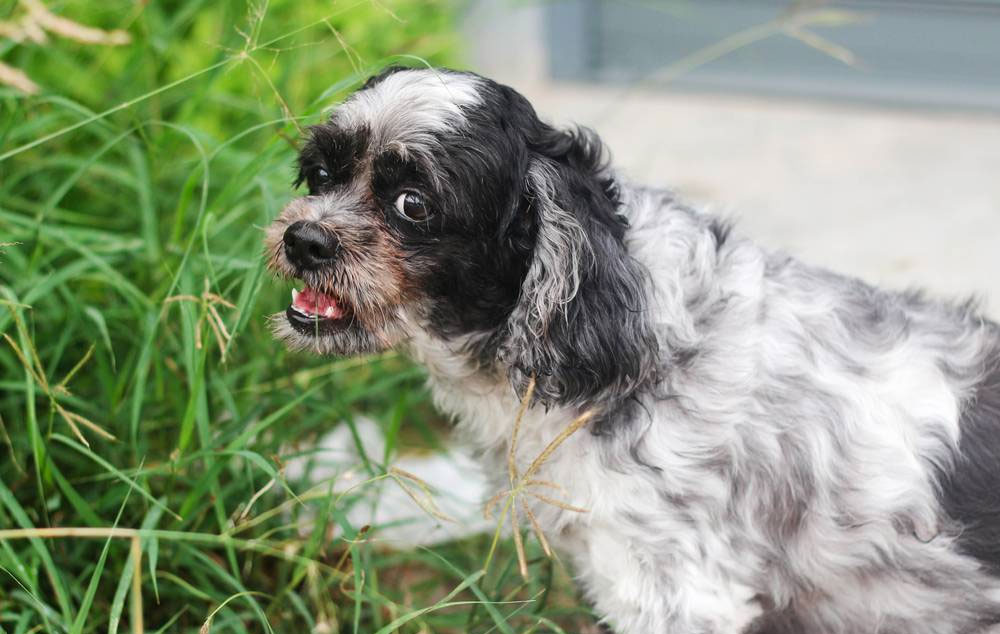
Stormy emotions
Hyperactive dogs who are easily aroused may react with jaw tremors to any situation that causes them to experience an outburst of emotion:
- the arrival of the owner;
- the appearance of a favorite toy in a person’s hands;
- getting ready for a walk;
- upcoming feeding.
If your dog is chattering its teeth due to emotional outbursts, try training your pet to be more patient. You can find many recommendations online from veterinarians and animal psychologists for owners of hyperactive animals.
Stress
Tremor can occur not only in the context of pleasant emotions, but also in the context of stress.
Stress triggers can include:
- moving;
- repair;
- the arrival of a new pet;
- the appearance of a new family member;
- negative experience (aggression from a person or another animal);
- prolonged absence or death of the owner.
If this symptom appears following dramatic changes in your pet's life, consult a veterinarian. Your pet may need to reduce nervous tension with a mild sedative, which your veterinarian should prescribe.
Nervous excitement
Jaw tremors are common not only in dogs but also in cats when they are intensely focused on their prey. Dogs with a strong hunting instinct may react with tremors to stimuli such as:
- ball;
- retrieval items;
- leaves raised by a gust of wind;
- a cat, bird, rodent or other animal running past, exciting dormant hunting instincts.
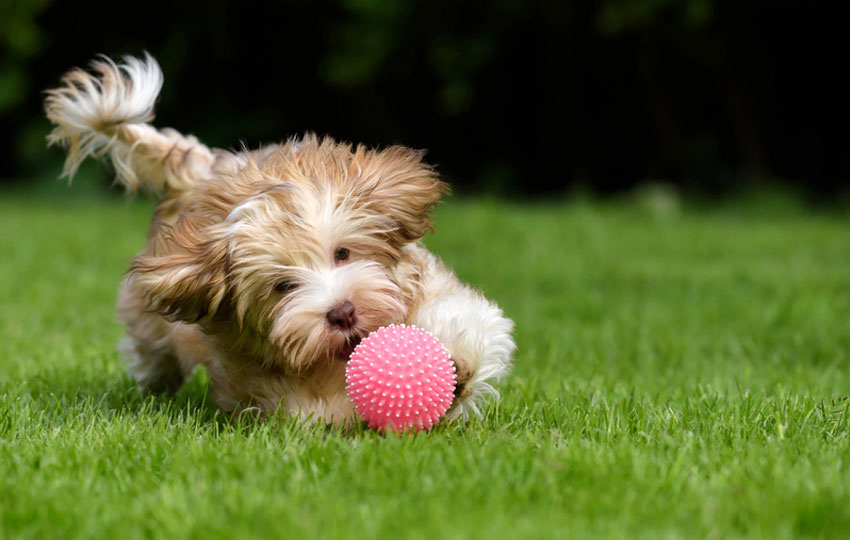
In this case, trembling means only one thing: the animal is extremely concentrated and tense.
Toothache
A dog can't communicate its toothache. Often, the pet is forced to endure the pain for a long time before the problem becomes obvious to its owner.
In addition to jaw tremors, in this case you may notice:
- loss of appetite (the dog wants to eat, but refuses as soon as it bites the food or begins to prefer soft food);
- bad breath (often associated with diseases of the teeth and gums);
- pain when biting (the dog may refuse to play, spit out its favorite toy as soon as it takes it into its mouth);
- increased salivation;
- anxiety (the animal is noticeably nervous, sleeps poorly);
- aggression (due to pain, the dog may react violently to attempts to look into its mouth).
Neurological diseases
Sometimes a dog chatters its jaws due to problems with the central nervous system.
There are many diseases that can cause a wide variety of CNS manifestations:
- nervous tic;
- focal seizures;
- epileptic seizures.
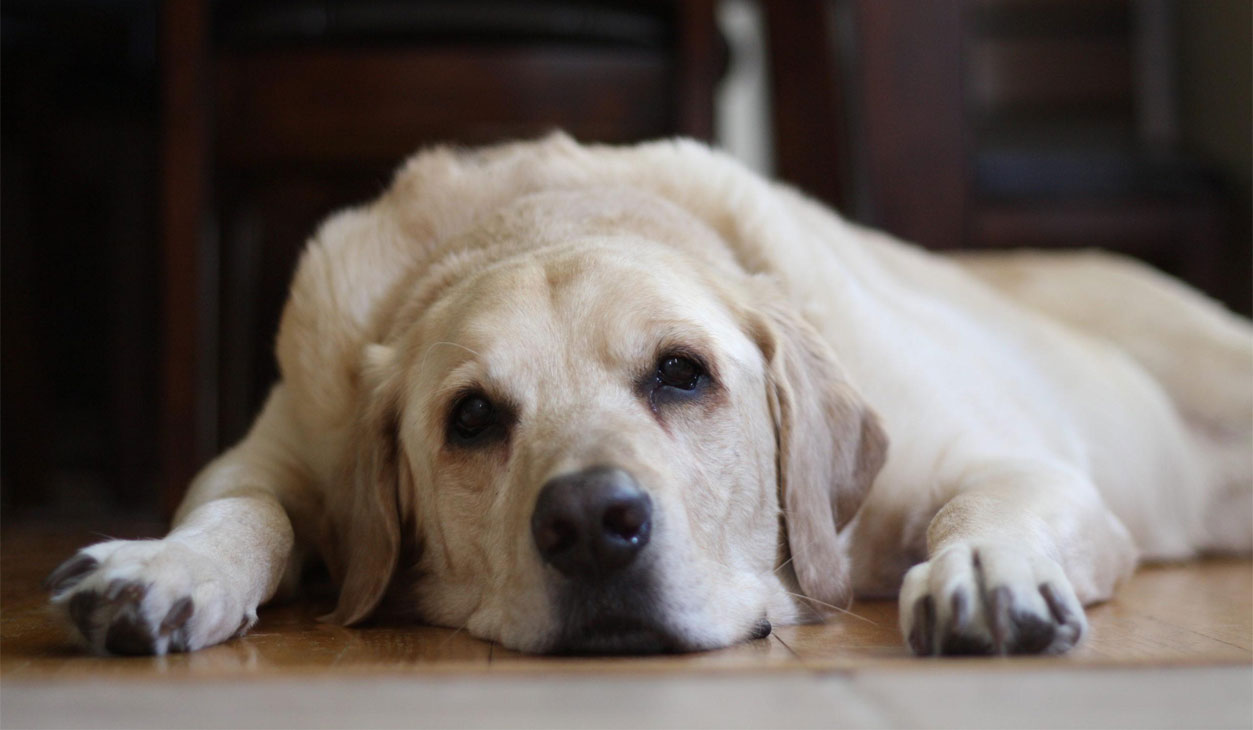
It is essential to take your dog to the veterinarian if the following alarming symptoms are observed at the time of jaw tremors:
- the animal is drooling heavily or foaming;
- at the time of the attack, the animal is frightened, disoriented, does not respond to the owner’s voice and commands;
- the dog loses its creation;
- against the background of tremor, paleness of the mucous membranes is observed;
- vomiting occurs during an attack;
- After a short tremor, the dog looks lethargic, tired, and apathetic.
Remember that observing your pet's behavior alone is not enough to make a proper diagnosis. To determine whether there are any underlying pathological processes causing neurological symptoms, your veterinarian may recommend a comprehensive examination.
What to do if you notice a tremor
Now you know why dogs' jaws may tremble and their teeth may chatter. But what should you do if you're experiencing this for the first time?
Veterinarians recommend following this simple algorithm:
- Assess the awareness of the gaze, the presence of consciousness.
- Try to distract the dog (call, give a command, lure with a treat).
- Assess external factors that may affect the animal's condition.
- Film the seizure so you can show it to the vet (most often, the seizure will have passed by the time you get to the clinic).
- If any alarming symptoms are present, promptly contact your veterinarian or take your dog to the nearest clinic.
If you had difficulty assessing the severity of your dog's condition during the seizure, but afterward your pet appears healthy and alert, take him to the vet anyway to determine the nature of the symptoms. Only an examination can confirm or refute your suspicions.
Read also:
- Why do Chihuahuas shake?
- Elevated creatinine in dogs: what does it mean and what to do
- How to collect urine from a dog for analysis


Add a comment