
Spitz dog - breed characteristics
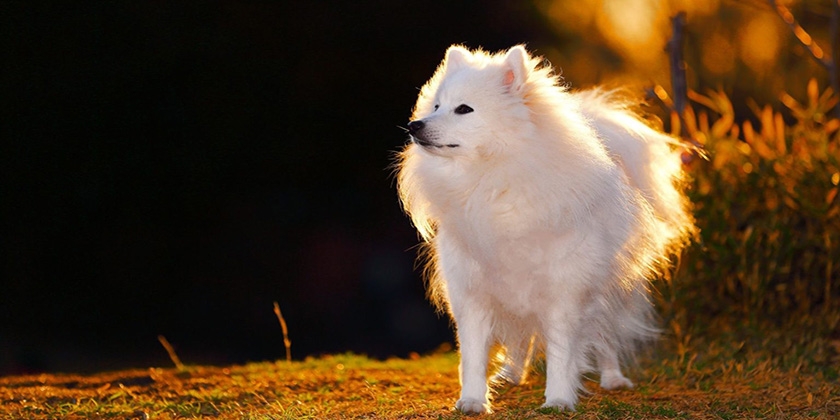
The Spitz is a dog with a unique, very attractive appearance, and today this breed is very popular. There are many varieties, varying in size and weight, build, muzzle shape, coat length, and color, but the characteristic feature of all is a thick, lush, cotton-soft coat.
Content
History of the breed
Dogs classified as "Spitz" by the FCI have lived alongside humans for a very long time. According to legend, they accompanied the Magi who came to worship the infant Jesus. The closest relatives of this breed are the Samoyed and Eskimo Laikas.
Having served for centuries as sled dogs and guard dogs, these Canis lupus dogs, thanks to their beauty, eventually became favorites of the aristocracy. They were frequently depicted in paintings and literary works (recall Chekhov's famous story "The Lady with the Dog"). Queen Victoria of England made a significant contribution to the development of the Spitz breed. At her insistence, large-scale breeding efforts were initiated, resulting in a vast number of varieties.
Description of the breed
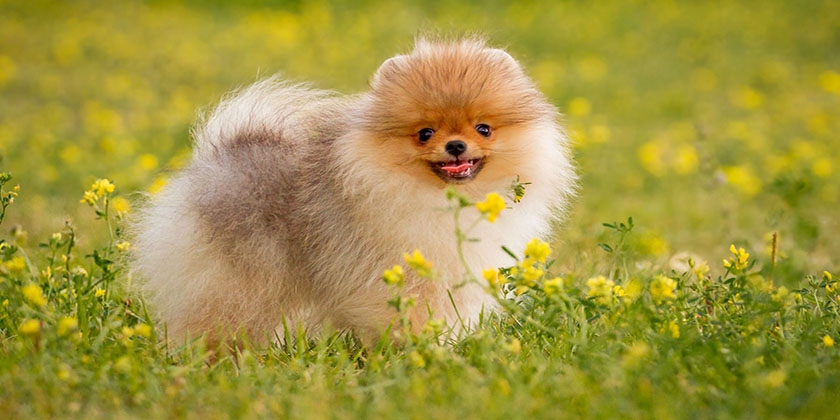
Spitz dogs are well-proportioned, with a nearly square body shape—their height at the withers is roughly equal to their body length. Their limbs are strong, their backs are straight, and their chests are broad. Their thick coats have a well-developed undercoat. Larger varieties of the breed have shorter hair on their heads and limbs, while the hair on their thighs, forearms, and tail is longer, and forms a luxurious ruff on their necks. In dwarf breeds, the hair is nearly uniform in length throughout the body.
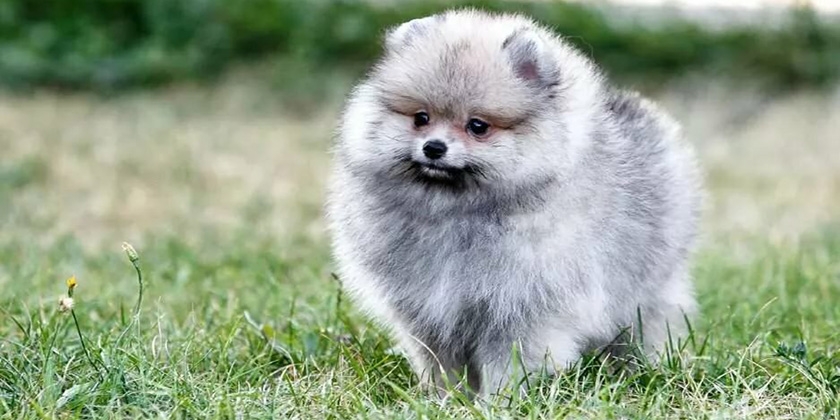
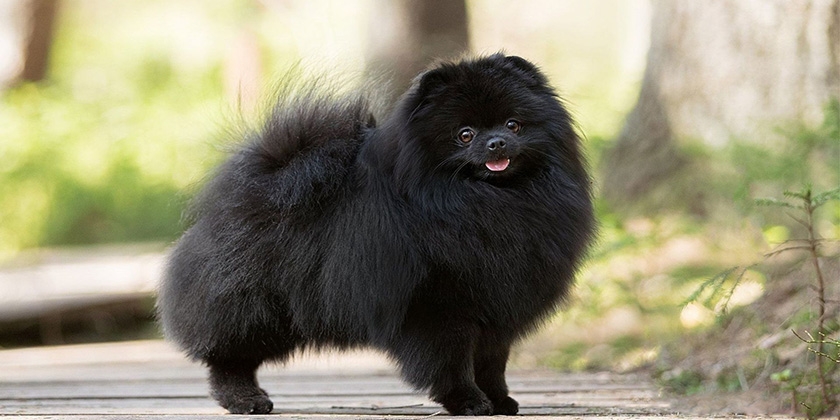
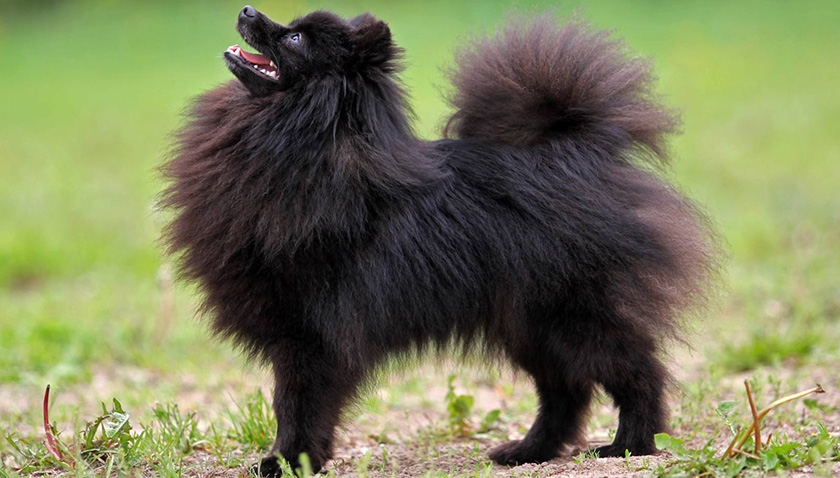
These dogs are most often white or light red, sometimes with evenly distributed light or dark spots. FCI standards also allow colors such as black, black and tan, gray, cream, and sable (sable, with a light base and dark tip). Spitz prices vary significantly depending on color: a red or cream dog costs from 50,000 rubles, a white dog up to 150,000, and other varieties range from 20,000 to 35,000 rubles.

Spitz dogs are energetic and playful by nature, and they retain these qualities throughout their lives. These animals move quickly, yet smoothly and silently. Thanks to their keen sense of smell and hearing, they can be used not only as pets and companions, but also as conscientious watchdogs, alerting intruders from afar and barking loudly.
The advantages of this breed include:
- With an exceptionally cute appearance, a photo of a Spitz dog always evokes a smile and tenderness.
- Non-aggressive, good-natured character and the ability to get along with any other animals.
- Highly intelligent, smart, and easy to train, this breed is suitable even for novice dog owners.
- They provide endless amounts of energy, making them a great option for people with an active lifestyle.
- Thanks to their thick and very warm fur, they do not freeze during the cold season.
- Dogs of this breed are not “eaters”, they eat little and are not picky about food.
The following can be noted as disadvantages of the breed:
- The Spitz cannot stand long separations from its owners; if left alone for a long time, it will “cry” loudly.
- Spitz puppies have very fragile bones, they easily break when falling or jumping from a height;
- Grooming thick fur takes quite a lot of time.
- The breed is prone to respiratory diseases and allergies;
- Among congenital pathologies, malocclusion is the most common.
Varieties of the breed
There are about 20 types of Spitz dogs, and the photo shows how much they differ in both color and size: some are 55 cm tall at the withers and weigh 30 kg, while others are 18 cm tall and weigh 1.5 kg.
German
The characteristic features of the German Spitz breed are a head tapering towards the front, a lush “collar” on the shoulders and neck, and “pants” of long hair on the hind legs.
There are five subgroups of this species:
- Wolfspitz ― height 43-45 cm, weight 15-18 kg, color black or silver.
- Grossspitz - height up to 50 cm, weight up to 22 kg, color white, brown, black, with any color the ears and tip of the tail are black, around the eyes there are light "glasses".
- Mittelspitz — height about 35 cm, weight 7-11 kg, acceptable colors are white, gray, black, chocolate, red.
- Kleinspitz - average height 27 cm, weight 3.5 to 5 kg, standard colors black, white, brown, red (orange), zonal gray (each hair has several shades of color).
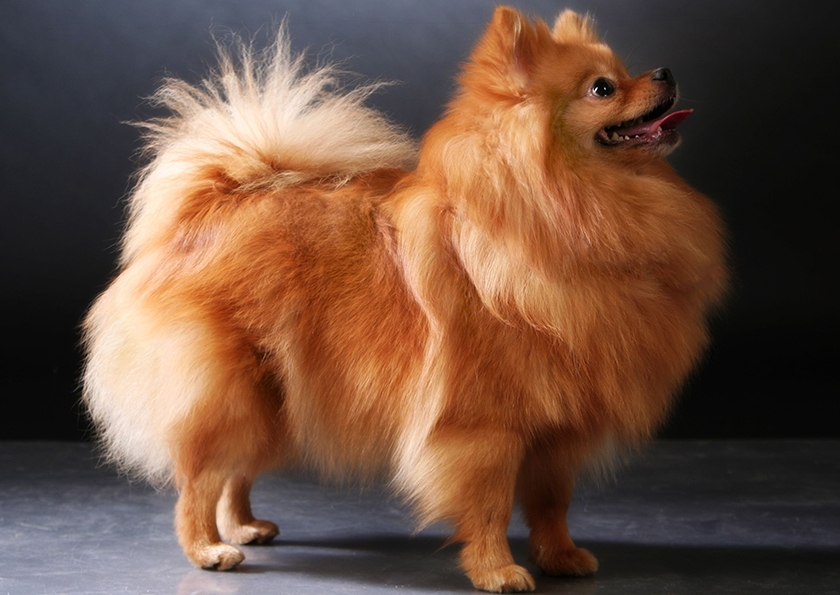
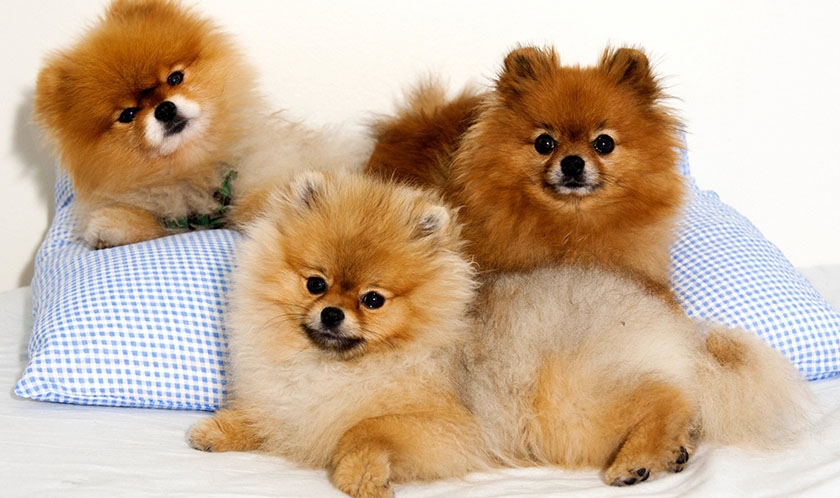
- Zwergspitz (Pomeranian). A dwarf breed, weighing 2-3.5 kg and standing 18-24 cm tall. There are subspecies of the bear, fox, and toy types. The distinctive feature of the "bear" type is the very thick fur on the cheekbones. The fox-type Pomeranian has an elongated, wedge-shaped muzzle and medium-length fur. The toy-type Pomeranian, with a flat muzzle and wide-set eyes, is the most sought-after; a Spitz of this subspecies costs up to 150,000 rubles.
American (Eskimo)
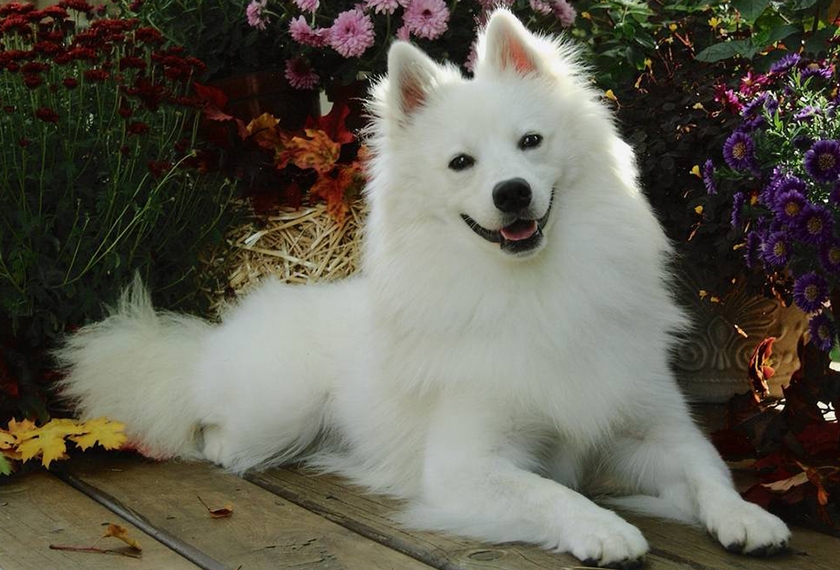
There are subspecies: standard, 48.3 cm at the withers, miniature – no more than 38.1 cm, and toy (height from 23 to 30 cm). Toy line American Spitz Considered the most expensive, the "Eskimo" weighs between 2.7 and 16 kg, depending on the subspecies, and is available in white or cream color.
Italian
The Volpino Italiano is a miniature breed, standing approximately 30 cm tall and weighing no more than 5 kg. This dog has a pointed muzzle and deep-set eyes. Its coat color is white, fawn, and red. Unlike its relatives, the Italian Spitz does not have a hunting instinct.
English
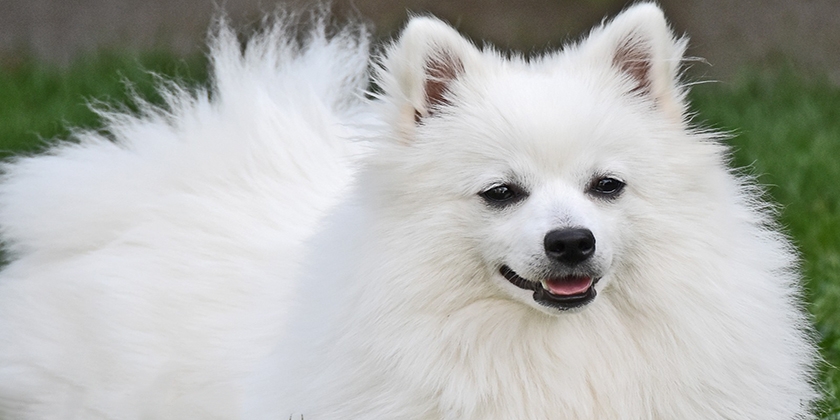
Bred from German Miniature Spitz, this tiny dog stands no more than 16 cm tall and weighs 1.5 kg. It's so small that its tail doesn't fit on its back, reaching to the back of its head. Its fur is very soft and fluffy, and comes in a variety of colors.
Japanese
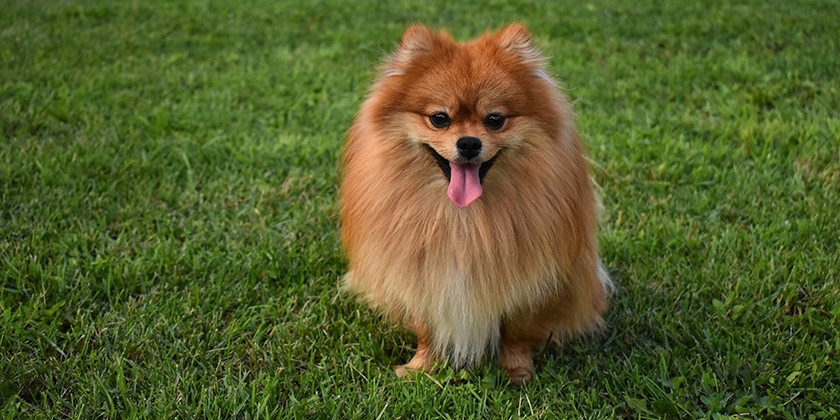
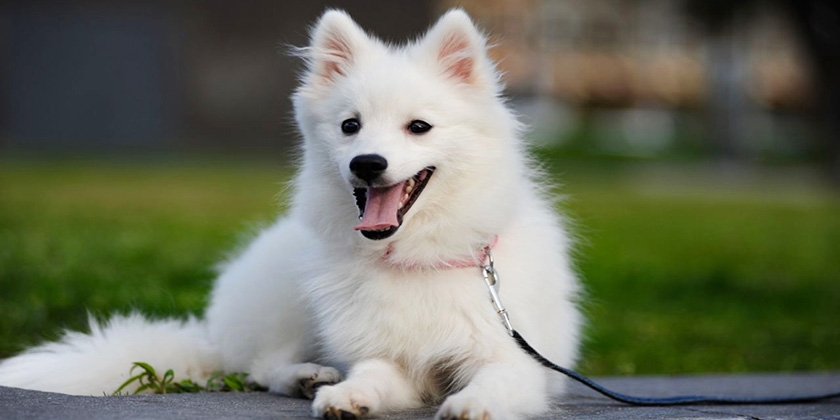
A medium-sized dog weighing up to 10 kg and standing 30-40 cm tall, the standard color is white. A distinctive feature of the breed is the shape of its muzzle: the dark edges of its rather long lips form a semblance of a smile.
Maintenance and care
Despite the Pomeranian's very thick coat, it doesn't require much grooming, as it's not prone to matting. However, you should brush your pet frequently, at least every three days, paying particular attention to the areas behind the ears, under the arms, and in the groin. It's recommended to bathe your dog every 1-1.5 months, and after a walk, simply wipe the paws with a damp cloth. Ears should be cleaned once a week; at home, you can use a cotton ball soaked in a special lotion. Nails should be trimmed as they grow; it's best to have this procedure done by a professional, at least the first time.
When choosing a diet for your dog, consider its age, weight, and exercise level. There are a number of foods that are prohibited for this breed. These include:
- fatty meat (lamb, pork);
- smoked foods (they have a negative effect on the digestive system and contribute to obesity);
- fresh milk (Spitz dogs lack the lactose enzyme, which is responsible for the digestion of milk);
- tubular bones (they can injure the esophagus).
When feeding naturally, the diet should contain:
- Meat (lean beef, lamb, chicken, turkey) and organ meats (heart, liver) are the main sources of protein, trace elements, and vitamins.
- Sea fish is a source of essential amino acids, vitamins A, D, E, B and B12, and trace elements calcium, magnesium, iron, iodine, and phosphorus.
- Cereals - rice, buckwheat, rolled oats (10% of the daily diet).
- Cottage cheese and kefir. These foods contain protein, B vitamins, potassium, calcium, magnesium, iron, zinc, and phosphorus.
- Eggs (no more than 2 per week).
- Fruits and vegetables.
Feeding prepared foods—kibbles and canned food—is easier; they provide the necessary amounts of protein, fat, carbohydrates, vitamins, and micronutrients. It's best to choose premium foods. The best manufacturers of such foods include the Canadian companies Pronature, Orijen, Ontario, and GO NATURAL; the Italian companies FORZA 10, Brooksfield, and Farmina; the Swedish company Magnusson; and the European corporation Delimeal.
If you bought a Spitz puppy from a breeder, it is recommended to feed it the same food and dosage for the first 1-2 weeks.
Vegetables are a source of coarse fiber, best introduced after the puppy reaches 4 months of age. By-products should not be introduced until at least 9 months of age. For puppies under 4 months of age, it is recommended to soak dry food in warm water or kefir before feeding.
A dog aged 1-3 months should be fed 5-6 times a day; 3-8 months – 2-4 times a day; and 8 months and older – 2 times a day. Portion sizes depend not only on the dog's size and activity level, but also on its individual characteristics. If there's food left in the dog's bowl after a meal, it's best to reduce the portion size. If your pet licks the bowl for a long time after a meal, the portion size should be increased.
Read also:
- Swedish Lapphund (Lapland Spitz)
- Nenets Laika (reindeer herding Laika, Nenets Spitz)
- Karelo-Finnish Laika (Finnish Spitz)


Add a comment