
A dog ate rat poison: symptoms of poisoning and what to do
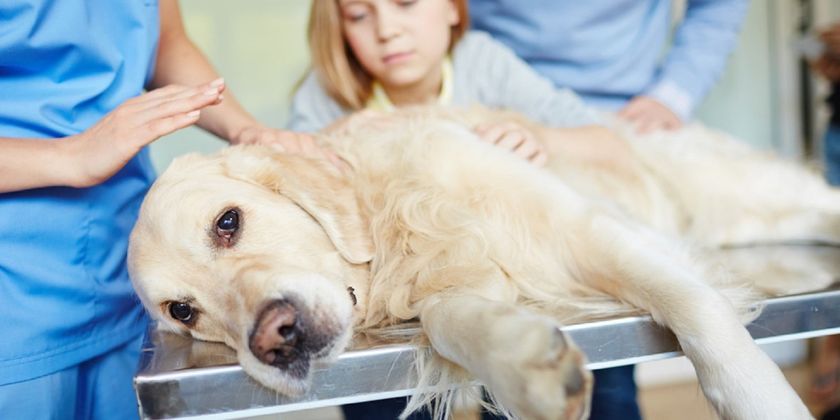
Rat poisons are substances used to kill warm-blooded pests such as rats, mice, and other rodents, ensuring hygiene and preventing spoilage of materials and products. These substances are classified as rodenticides, a type of pesticide, and are extremely dangerous to pets. If a dog ingests rat poison, serious consequences or death are possible without immediate veterinary care.
Content
Composition and action of rodenticides
The composition of rat poison can vary depending on the manufacturer and product type. The product consists of an active ingredient, which is toxic to rodents, and auxiliary components.
The standard active ingredients in rat poison are anticoagulants—chemicals that inhibit the activity of the blood clotting system.
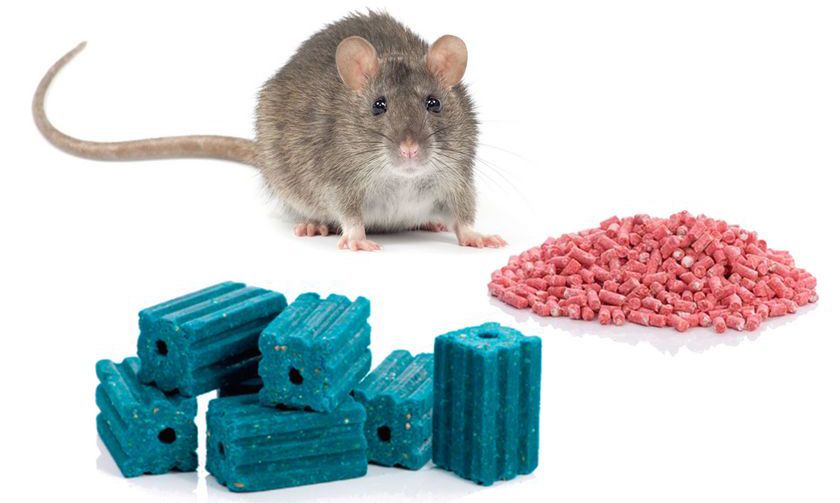
Rodenticides include first-generation blood anticoagulants:
- difenacin;
- Trifenacin;
- ethylphenacine;
- coumatetralyl;
- chlorphacinone;
- thiourea derivatives (ratsid);
- naphthylthiourea;
- warfarin;
- ratindan;
- brodifacoum;
- zinc phosphide;
- arsenic compounds;
- strychnine.
Modern poisons for mice and rats, second-generation rodenticides with delayed action, contain:
- bromadiolone;
- isoindane;
- difenacum;
- brodifacoum;
- difethialone;
- flocoumafen.
Excipients of rat poison may include aromatic or flavor additives that are attractive to rodents, as well as stabilizers and binding agents that help keep the poison unchanged for a long time and ensure its effectiveness when used.
After ingesting a poison containing an anticoagulant, the rodent's blood vessels are unable to form clots, preventing the damage from healing. As a result, internal bleeding begins within minutes to days, leading to general weakness and death.
Symptoms of rat poisoning in dogs
Each dog's reaction to poison can be unique, and not all symptoms may appear at the same time. Therefore, pay attention to any changes in your dog's behavior, appetite, activity, or digestion.
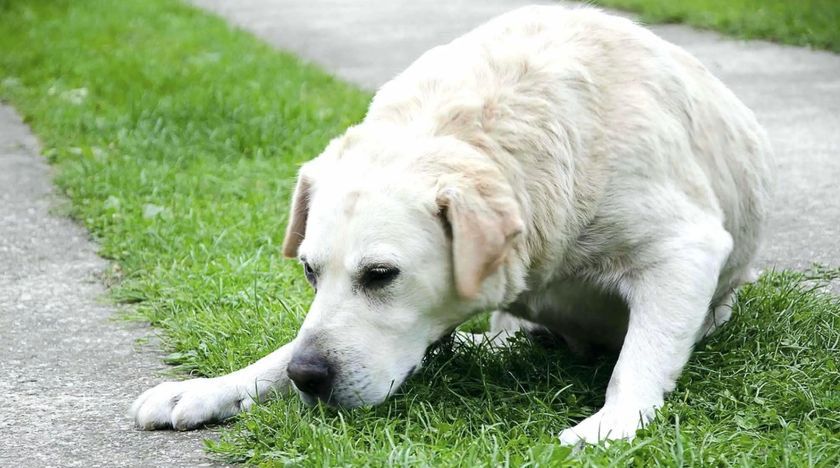
When the blood clotting system is disrupted, the following symptoms appear over time:
- General weakness and apathy. Dogs poisoned with rat poison may appear depressed, passive, and indifferent to their surroundings.
- Loss of appetite. The dog may show a decreased desire to eat or refuse food altogether.
- Changes in gastrointestinal function. Symptoms of rat poison poisoning in dogs may include gastrointestinal upset, which can manifest as vomiting, diarrhea, or loose stools. Stool may have an unusual color or odor, or may contain blood.
- Bleeding from the mouth, nose, or intestines. Bruising under the skin or bloody urination are also possible.
- Bluish, swollen gums and/or bleeding on them.
In cases of severe rat poisoning, dogs may experience difficulty breathing and develop a serious complication known as hematorax (accumulation of blood in the pleural cavity). Animals with hematorax are usually unable to lie on their sides; they spend most of their time standing or sitting.
Actions of the owner in case of dog poisoning
What should you do if your dog has ingested rat poison? If the poison has recently entered the dog's stomach, you can induce vomiting, give a laxative, activated charcoal, or a few tablets to remove it. If more than four hours have passed and the toxin has already entered the intestines, these measures are useless.
In any case, take your pet to a veterinary clinic immediately, providing the vet with detailed information about how and when the poisoning occurred. If possible, bring a sample of the poison or its packaging so the veterinarian can determine what substance was ingested. This will help them develop a more effective treatment.
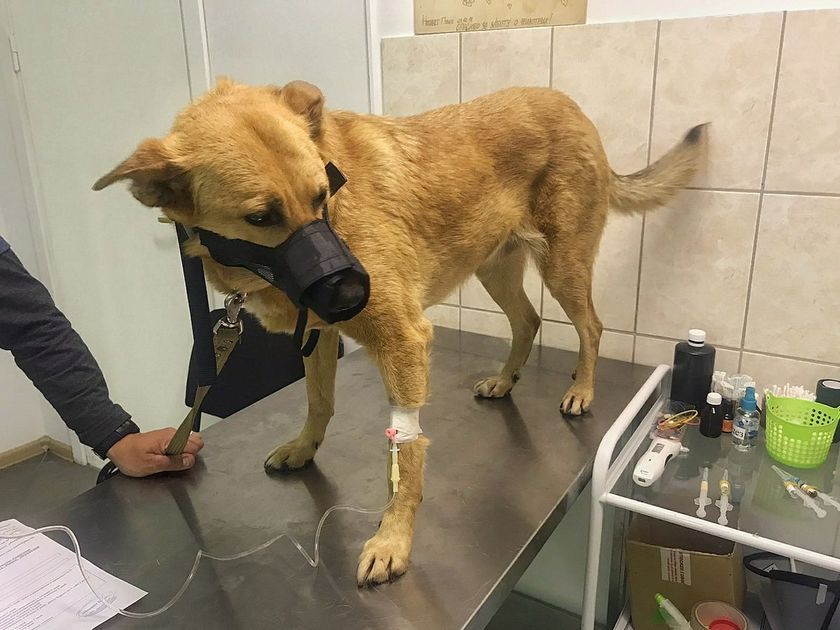
You should contact a veterinary clinic even if you did not see your dog eat rat bait, but you notice signs that may indicate poisoning: weakness, loss of appetite, vomiting, gastrointestinal upset.
Veterinary procedures, diet
Rat poisoning in dogs is a serious and potentially dangerous condition, so the sooner assistance is provided, the greater the chance of a full recovery. Basic veterinary procedures that can be used in most cases of rat poisoning in dogs include:
- Diagnosis. The veterinarian will conduct a comprehensive examination of the dog. To accurately determine the poisoning, laboratory tests may be performed, such as blood tests (a Petri dish clotting time test and a coagulogram, which allows for an assessment of the hemostatic system).
- Induced vomiting. If your dog is suspected of having recently ingested rat poison, your veterinarian may induce vomiting to remove the poison from the stomach.
- Gastrointestinal decontamination. To reduce the amount of poison entering the dog's bloodstream, the veterinarian may prescribe gastric lavage or activated charcoal, which binds to the poison and aids in its elimination.
- Antidote. There are antidotes specifically designed to counteract rat poison. A specific antidote to anticoagulant-based rodenticides is phytomenadione vitamin K1 (Konakion), it is administered over several days.

Poisoning of dogs with rat poisons of other types is treated by administering:
- Copper sulfate pentahydrate (copper sulfate). It is a powerful antidote for phosphorus poisoning.
- Tannin is an effective antidote for poisoning with lead salts, mercury, and urea (a derivative of urea); it also acts as a hemostatic agent.
In severe cases of poisoning, hospitalization may be necessary to save the dog. Intensive care performed in the hospital may include blood transfusions, diuretics, and medications to detoxify and support the cardiovascular system. The veterinarian may also prescribe symptomatic treatment aimed at alleviating clinical signs of poisoning, such as bleeding, weakness, and others.

Once the threat to life has been removed, the dog should be given proper rehabilitation. Feeding can be resumed 24 hours after the antidote has been administered. To restore the protective layer of the gastrointestinal mucosa and maintain fluid and electrolyte balance, it is recommended to feed the dog a mucous-rich rice or oatmeal broth for several days. Subsequent feedings should be frequent, up to five times a day, but light (broth, thin porridge with water).
Dry food should be excluded for the entire rehabilitation period.
It's important to remember that prevention is the best defense. The primary way to prevent rodenticide poisoning in dogs is by closely supervising the owner. Monitor your dog's area and prevent access to rat poison or other toxic substances. In public areas, your pet should be walked on a leash and muzzled. When roaming freely in the yard, it's advisable to fence it in.
Read also:


Add a comment