
Purple Tongue Dog: Breed
The normal color of a dog's tongue is pink. Discoloration of this muscular organ—darkening, paleness, or bluish tint (cyanosis)—is caused by health issues in most breeds. However, for some dog breeds, an unusually blue tongue is normal; this pigmentation serves as a sign of their purebred origin.
Content
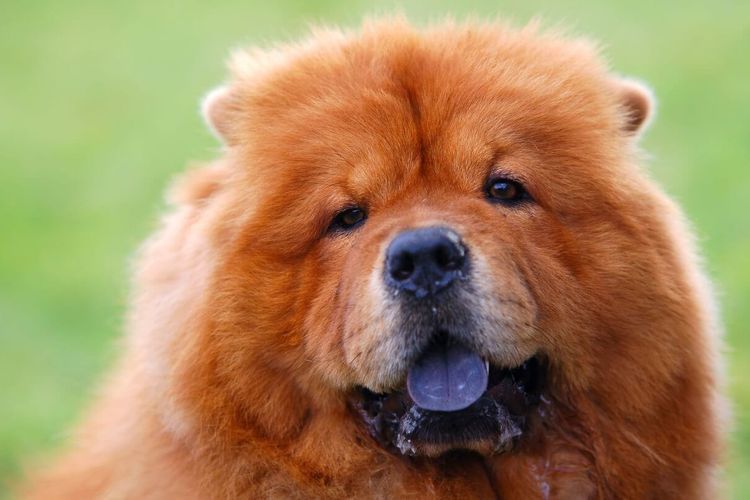
Chow Chow
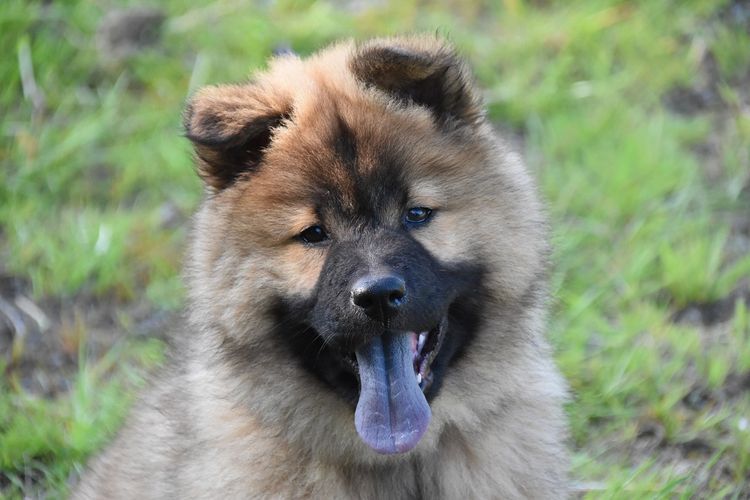
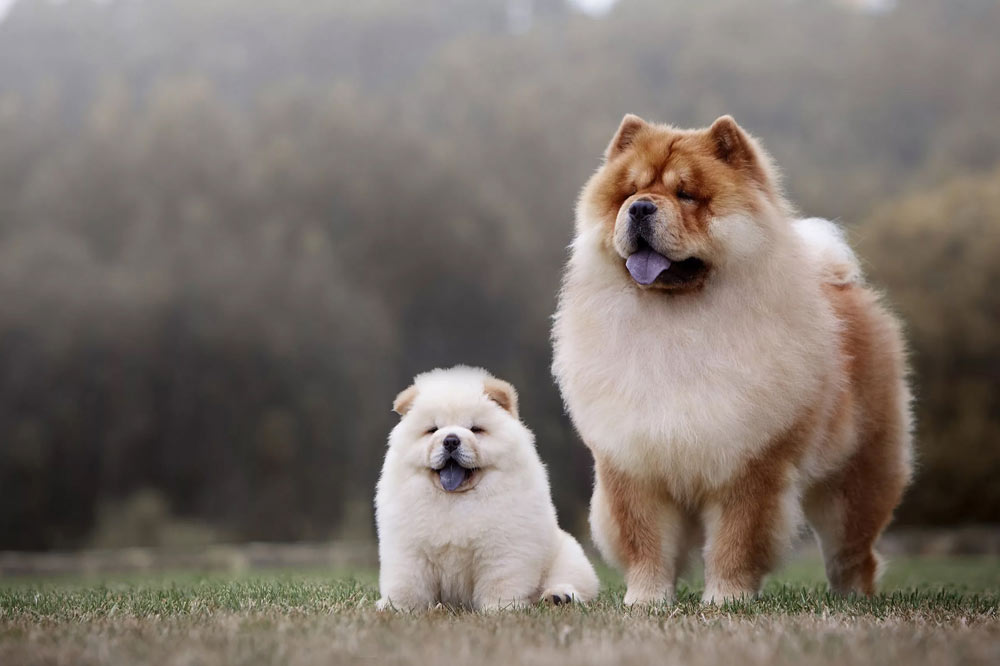
Translated from Chinese, the breed's name means "shaggy lion dog." The lips, tongue, and palate chow-chow Blue-black or purple in color. This characteristic, combined with a "bear-like" build, a gentle face with erect ears, a thick coat, and a "stilted" gait, make this animal visually appealing. In the photo, a Chow Chow puppy looks like a teddy bear.
Chow Chows belong to the Spitz group and are excellent guard dogs and friendly companions. The breed is considered one of the oldest in the world: DNA studies have shown that Chow Chows descended from wolves, and some believe that the Tibetan Mastiff is also part of their ancestry. The first breeders of the breed were priests of Buddhist temples in China and Mongolia.
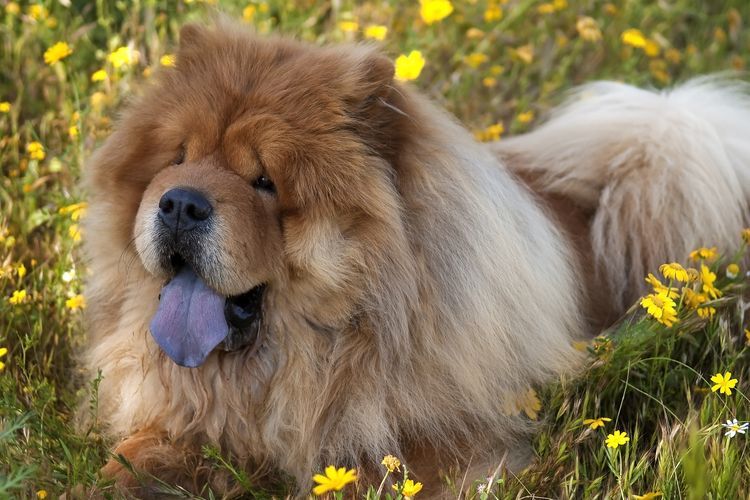
These dogs have a compact build, but are quite large in size:
- height at withers 50 - 56 cm;
- weight 27-32 kg.;
- life expectancy is from 9 to 15 years.
The color can be red, black, white (sometimes with a bluish tint), cream.
Chow Chows are kind but somewhat impulsive by nature. They don't interact well with strangers or other pets, but they are fiercely devoted to their owners.
Origin
Scientists continue to debate why the Chow Chow evolved a purple tongue. Many believe they inherited the pigmentation from their ancestors, but even here, there are differing opinions.
Option 1 – bearsAlthough science hasn't officially confirmed that Chow Chows have bear blood in their genes, these animals have many similarities:
- pigmentation of the mouth and tongue;
- gait;
- skeletal structure.
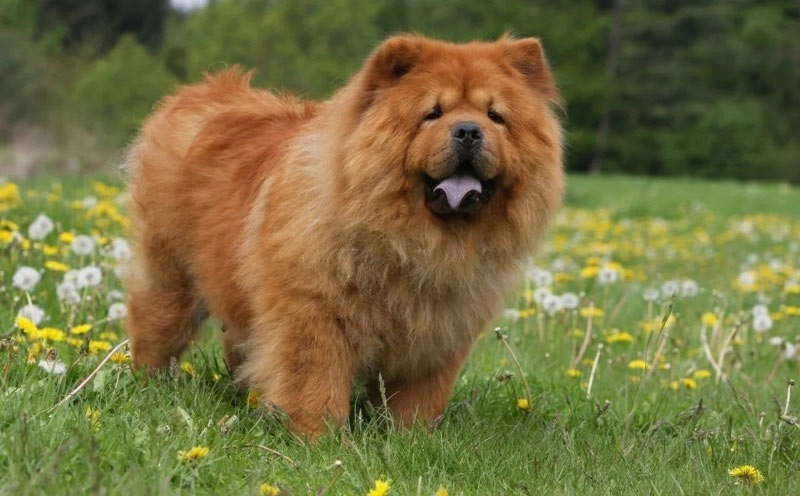
Option 2 – an extinct species of polar wolfA more realistic theory is that the first Chaus arrived in China during the Tibetan raids and ended up in Mongolia while migrating through Siberia.
There's also a beautiful Chinese legend about the creation of the world. After the Earth and the animals were created, the time came for the heavens and stars, but something went wrong and a piece of the sky fell to the ground. An inquisitive dog licked it, permanently staining its tongue a strange color. It's not hard to guess which dog with the blue tongue is mentioned in the legend.
Pigmentation of the mouth (norm and deviations)
To truly understand why a Chow Chow has a purple tongue, it's important to understand how exactly this characteristic of the animal is formed.
Important! The unusual color of the mouth is due to high pigment levels in the cells lining the inside of the mouth and tongue.
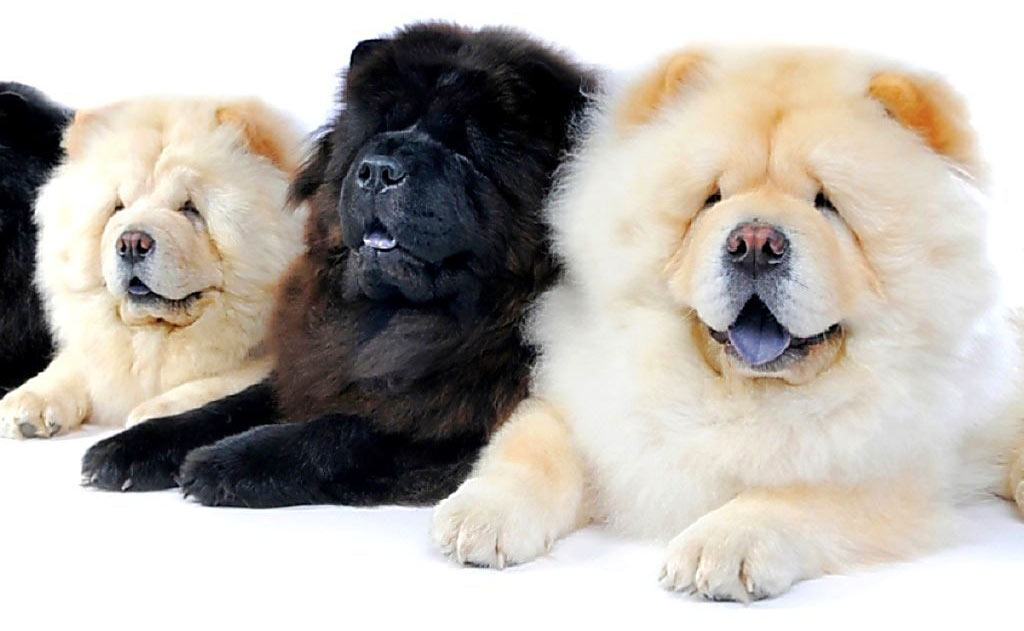
In this case, the following is considered a normal variant:
- different shades of the tongue, from bluish to purple-black;
- presence of color "divorces";
- creamy gums combined with a dark tongue.
Naturally, at exhibitions, judges tend to give higher scores to representatives of the breed with a rich, uniform shade of the mouth.
In this case, pink spots or pigmentation that differs sharply in color from the main tone, located on any part of the tongue, are considered a defect.
Interesting facts
Once you've decided which breed you like and that it's 100% a purple-tongued dog, get ready for some surprises:
- At birth, all Chow babies have a pink tongue, pigmentation begins to appear only after 1 month;
- The intensity of coloration is a feature dictated by the individual set of genes of a particular animal;
- the color of the tongue changes with age;
- The color may change depending on the air temperature and the health of the dog;
- Even a stressful situation can trigger a change in color (show dog owners know that when excited, the color becomes less saturated).
Related breeds
If you're wondering what other dogs in nature could have a blue tongue, we suggest you meet two more owners of this trait, who in turn descended from the Chow Chow.
Shar Pei
Molossoid type dog Shar Pei ("Han dog") originated in China, the breed's name translates as "sand skin." DNA analysis confirms that these exotic creatures have been on Earth for over 3,000 years. It is believed that the Shar-Pei's ancestors were mastiff and chow chowThe breed's distinctive features are a dark purple tongue and numerous folds of skin.
The reason why the Shar Pei's tongue is such an unusual color has not been scientifically determined. According to ancient legend, a dog named Shar stole the skin of his brother, Pei. While running away with the stolen skin, Shar tripped and bit his tongue, leaving it permanently dark blue.
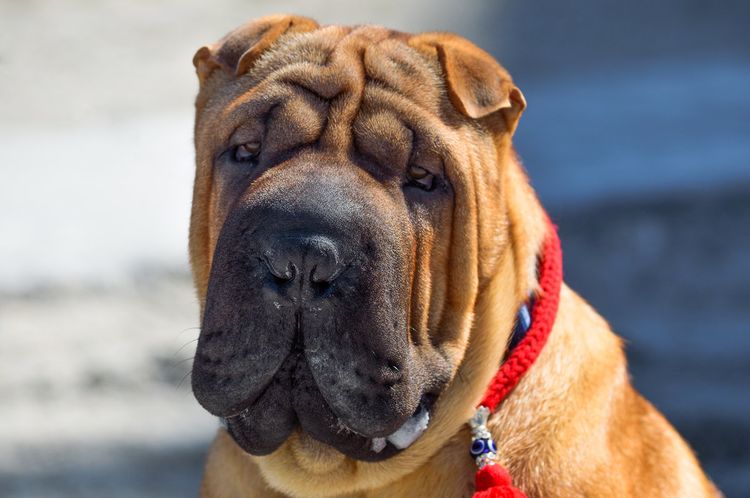
Even in photographs, these dogs command respect: strong bones, an athletic build, impressive size, a massive head with powerful jaws, and large, drooping ears. Shar Peis weigh 18-30 kg, stand 45-50 cm at the withers, and have a lifespan of 9 to 11 years. Color variations include brown, black, yellowish-cream, and lilac. The Shar Pei's charm is enhanced by its playful "hippopotamus" face, the tired, wise expression in its eyes, and its velvety-looking, yet coarse, sand-like coat, which allows for growth.
Shar-Peis are calm and friendly by nature. They are intelligent, have good control over their emotions, get along well with children, and are not aggressive toward strangers. When defending their owner, property, or territory, they display courage and assertiveness, and are able to quickly navigate difficult situations and make the right decisions. This breed is considered versatile and is used as guard, watchdog, hunting, and sometimes fighting dogs.
Eurasier (Eurasier)
This breed was developed at the end of the last century in Germany by crossing Volsyringe with chow-chow. From the latter he inherited such a feature as a blue tongue. The dog was initially called "wolf chow", the name "Eurasian"It was awarded to her after the breed was recognized by the International Cynological Federation (FCI).
Blue, dark blue, or purple pigmentation of the tongue, and sometimes the mucous membranes of the mouth, is considered an indicator of the Eurasier's noble lineage. The intensity of the coloration may change throughout the pet's life, as well as depending on the season and ambient temperature.
The Eurasier is a harmoniously built, medium-sized dog. Its height at the withers ranges from 50 to 60 cm, and its weight ranges from 25 to 32 kg. Its average lifespan is approximately 13 years. Its solid color includes shades of reddish brown, as well as white, pure black, or black and silver. Its coat is long and fluffy, with feathering on the tail and neck and "pants" on the hind legs.
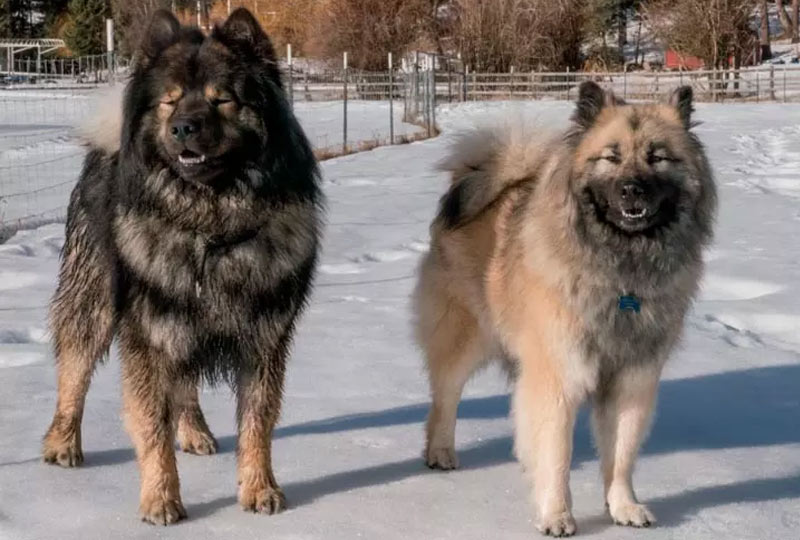
Intelligent, calm, and even-tempered, the Eurasier is very devoted to its owner, but also treats other family members well and is never aggressive toward strangers without cause. Cheerful, active, and very clean, this dog makes an excellent family companion and guard dog, but it shouldn't be kept on a leash all the time; it needs exercise and social interaction.
Read also:


Add a comment