
The dog eats poorly, but is active: causes and treatment
When faced with a dog not eating well, an owner might initially assume their pet is sick. However, this isn't always the case. There can be many reasons for this behavior, and they aren't always related to the animal's deteriorating health. If a dog hasn't eaten or drunk for more than two days and is lethargic, it's time to consult a veterinarian.
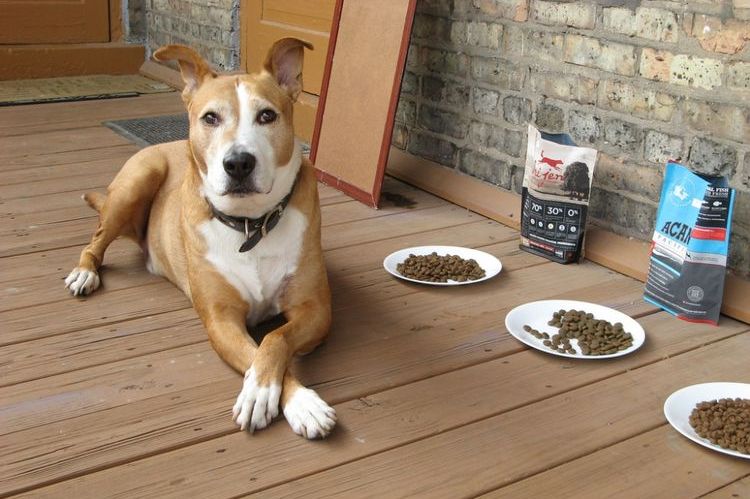
Why might a dog eat poorly?
If your dog isn't eating well but is active, happy, and frolicking, has a wet nose, and doesn't refuse treats, this likely means the appetite issue is temporary. This behavior can be caused by stress, weather changes, disrupted eating patterns, natural physiological cycles, and other factors. It's important to observe your pet and try to adjust and improve their eating habits. If the lack of appetite persists, consult a specialist.
The main reasons for lack of appetite may be the following:
- Eating disorders. A dog may regularly overeat, causing it to lose its hunger over time. Constant snacking and irregular feedings reduce the dog's desire to eat. And an abundance of treats, given with or without reason, can lead the dog to become weaned off regular food, forcing it to wait for the next meal. treats.
- Stress. Dogs, like humans, can experience negative emotions and stress. This condition most often affects their desire to eat. This can occur during a move to a new home or city (for example, during a trip to the seaside), the prolonged absence of a family member, tension in the family due to a negative event, a sudden decrease in attention to the pet, or a conflict with another animal.
- Weather. Climate change and adverse weather conditions can negatively impact your pet. In hot weather, your pet will refuse to eat, and their need for water typically increases. Also, during this period, your dog may be inactive, lying in a cool place, and only wake up when the weather cools down.
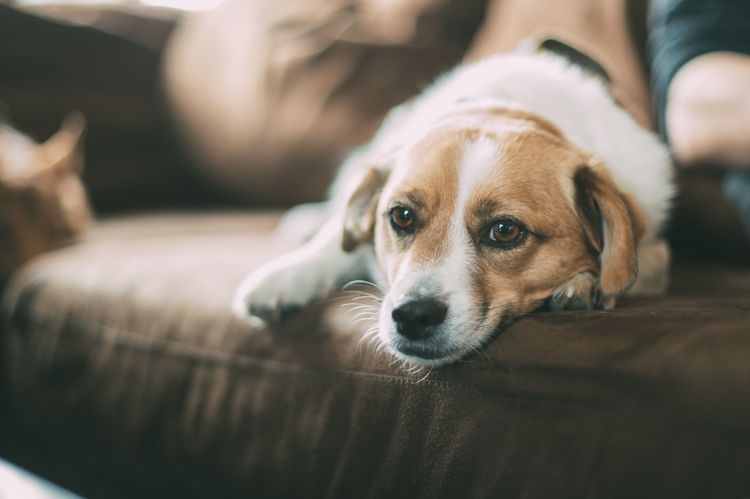
- Changing food. A pet may react negatively to a change in food type, especially when switching from a high-quality food to a budget one. Freshness of the food is also very important. Your pet will refuse to eat if the food is spoiled.
- Breed characteristics. Artificially bred breeds, the result of several generations of selective breeding, lack certain natural instincts. The pet has a beautiful show appearance, but lacks a hunting instinct and does not experience hunger.
- Natural cycles. During estrus, females typically eat little or are unwilling to eat, but remain active and energetic. This subsides when the discharge ends. A lack of hunger in males may be due to sexual desire, which subsides once his needs are satisfied.
- Dental problems. Puppies may stop eating when they begin to lose their teeth. This is a painful process that temporarily deprives dogs of their appetite. Aging pets, on the other hand, lose their teeth and are unable to eat their old food. In both cases, it's recommended to offer pureed food.
- A stuffy stomach. While walking, grass, bark, and debris can enter the animal's stomach. These can cause indigestion and appetite problems.
These types of reasons for a dog's reluctance to eat usually resolve over time. It's important to establish a feeding schedule and choose food appropriate for its breed. The food should be high-quality and fresh, made from natural ingredients or prepared foods.
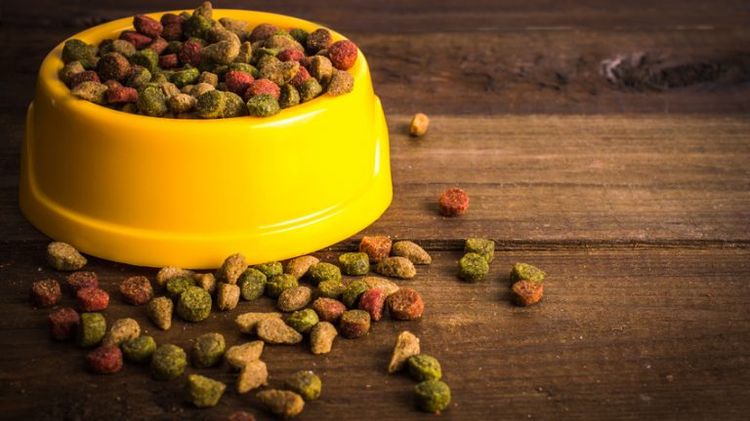
How to restore a dog's appetite
What should you do if your pet isn't eating? The owner's actions will depend on the circumstances that caused the feeding issues. If stressed, your pet needs attention, play with them, take them for walks, and pet them more often. Positive emotions will quickly restore their good mood.
In hot weather, it's crucial to provide constant access to fresh water. Don't force food. Offer food during cooler times of day: morning or evening. Also, avoid taking your dog for walks in the heat, as this can lead to heatstroke and significant deterioration in health.
The most important thing is to establish a regular feeding schedule. If there are no obvious reasons for fasting, you can skip a day of feeding. A fasting day will only benefit your dog. It's important to develop the habit of eating at regular times. For example, switch to two meals a day, morning and evening. If your dog doesn't eat a portion or refuses to eat at all, put the food in the refrigerator until the next meal (reheat the food before feeding).
Important! Don't give your pet treats if they refuse regular food. Especially don't feed them by hand or from the table. This will only ruin their appetite and encourage snacking.
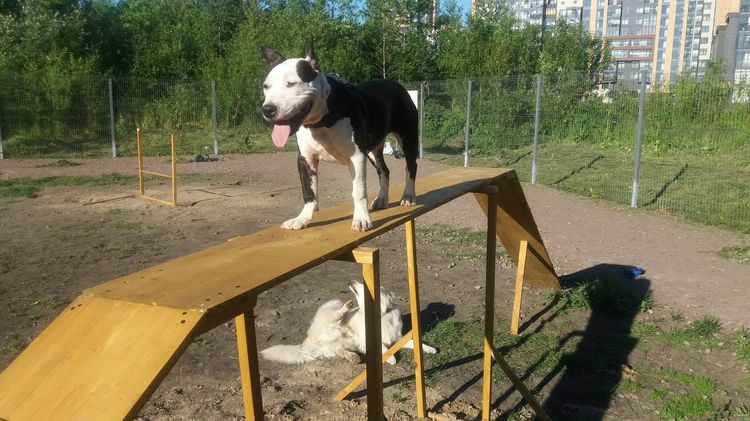
It's also helpful to increase the length of your walks. Physical activity stimulates appetite. You should walk your dog at least twice a day, taking it for a run in a park or a safe, open area, or to a dog park.
Warning signs
Treatment of an animal may be required in the following cases:
- The animal is lethargic and losing weight, whether it is a German Shepherd, Dachshund or Spitz.
- It arises diarrhea or vomiting.
- Abrasions are noted in the oral cavity.
- Bloating.
Pathological causes of appetite disorders may include:
- Poisoning.
- Worms.
- A foreign body in the throat, stomach or intestines, which makes it impossible to eat or causes intestinal obstruction.
- Liver diseases.
- Infections.
- Oncology.
If you have any alarming symptoms, you should seek help as soon as possible.
Read also:
- My dog isn't eating and is lethargic: why and what to do
- What human food can and cannot dogs eat?
- Why does the dog eat dirt?


Add a comment