
My dog is urinating blood: why and how to treat it
When an owner notices their dog is urinating blood, they panic. After all, the animal is the youngest child in the family, and when it gets sick, it's scary.
First, it's important to understand the cause before beginning treatment. Discolored urine is a bad sign for the owner; in 90% of cases, it's a sign that the pet is ill. Rarely, this effect can occur when consuming certain foods containing dyes.
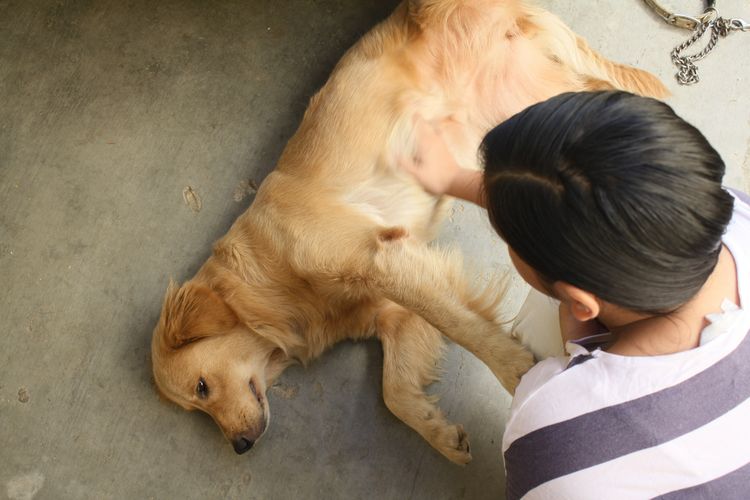
Main reasons:
- Internal injuries. If the dog has recently been in a fight, it may have been injured.
- A neoplasm. Unfortunately, they are not uncommon in animals either.
- Stones, sand in the kidneys.
- Poisoning, especially by rat poison.
- A disease associated with poor blood clotting.
- Infection, the symptom most often appears after a tick bite.
- Prostate disease in male dogs.
Why does a dog urinate blood? How can it be treated? A responsible owner should immediately take the dog to a veterinary clinic for diagnosis. If the disease is serious, every hour of delay could cost the animal its life.
It's important to compare your dog's recent behavior with its normal state. This will help the veterinarian make a more accurate diagnosis. Possible accompanying symptoms include:
- Loss of appetite.
- Restless behavior.
- Incontinence.
- Bleeding between urinations.
- Temperature.
Before visiting the veterinarian, you need to clearly think through the answers to a number of questions:
- When did blood from the urethra first appear?
- How has the dog's appetite been for the last three days? What has she been eating?
- Were there any fights or injuries?
- Were there any insect bites? If a dog urinates blood after a tick bite, it needs immediate medical attention, otherwise it could die.
- How has the dog's behavior changed over the past three days?

Answering these questions will significantly help your doctor make a diagnosis, and you'll also need to undergo a series of tests. If your dog is urinating blood, treatment will be determined based on the diagnosis.
Cystitis
A common disease among animals. To confirm the diagnosis, a urine test and ultrasound of the reproductive system are required. The analysis focuses on the following indicators:
- Presence of protein.
- Red blood cells.
- Leukocytes.
- Salts.
If the examination confirms a genitourinary infection, a bacterial culture is performed. This will help identify the type of bacteria and the antibacterial agents that can effectively kill it.
The dog's owner should collect a urine sample before visiting the veterinarian. A human-safe container should be purchased. It's a good idea to rinse the genitals. Chlorhexidine antiseptic can be used.
The jar is inserted a few seconds after the dog begins to urinate. Dogs don't always respond favorably to this procedure, so owners are unable to perform the collection themselves. In these cases, the procedure is performed by a veterinarian using a catheter.
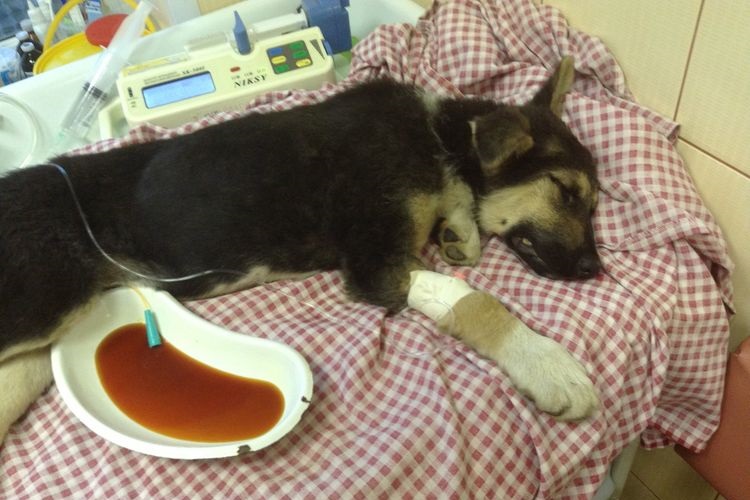
If cystitis If the infection is confirmed, in 90% of cases the veterinarian prescribes the antibiotic Cifrofloxacin or its analogue, Cifran. These same medications are also used in humans. The dosage is calculated according to the formula: 10 mg per 1 kg of the animal. Apply twice daily. The course of treatment is 2 weeks or more. A urine test is repeated 14 days after administration.
Cystitis can be a consequence of urolithiasis. In this case, the dog will also urinate blood. The sand and stones should pass on their own, but this is an extremely painful process. The pet is prescribed antispasmodics. Most commonly, these are No-Spa, Papaverine, and Erva Sherstistaya. However, this is all at the discretion of the veterinarian. The stones may also be too large to pass on their own through the urinary system. In this case, medical intervention is necessary.
A gentle diet is essential to prevent the formation of new stones. There are special foods for animals with genitourinary problems.
Tick bite
During the warmer months, insects attack both animals and humans. Ticks carry a variety of dangerous infections. Dogs are more likely to contract babesiosis after being bitten, which can be fatal if not treated promptly.
In addition to blood in the urine, the pet may experience loss of appetite, lethargy, nausea, and yellowing of the sclera. The owner should first examine the dog's skin. If a tick is found, it must be removed. While attached to the skin, it continues to poison the body. Therefore, its removal is a top priority.
Next, the dog needs to be transported immediately to a veterinary clinic. Before the trip, it's advisable to give the animal Enterosgel or another absorbent. It won't cure the condition, but it will at least reduce the toxicity somewhat. Babesiosis is a devastating blow to the liver, which is the body's filter.
An experienced veterinarian can identify a tick-borne infection even at first glance, but to confirm the diagnosis, the dog undergoes a blood test. The procedure takes 15 minutes. The results confirm or refute the diagnosis.
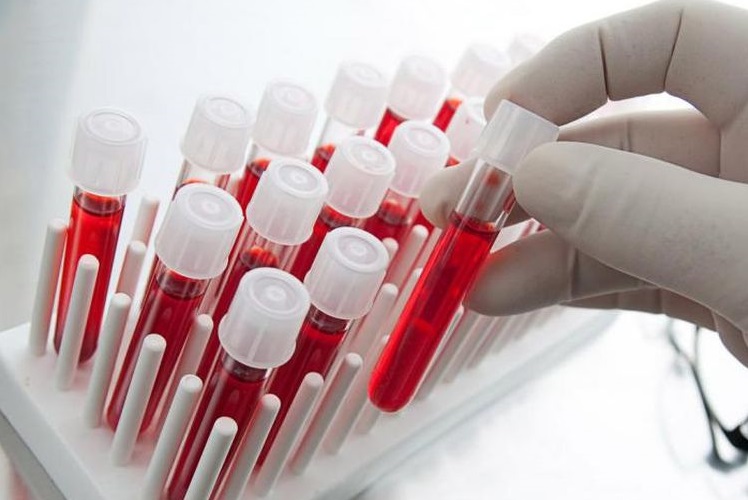
If a tick-borne infection is suspected, the pet is prescribed a course of strong antibiotics, immunostimulants, sorbents, and a diet. The antibiotic should combat the infection, the immunostimulants help the body fight the bacteria, the sorbents reduce toxicity, and the diet improves liver and gastrointestinal function.
Babesiosis is a terrifying disease. It kills one in two dogs. Serious complications can also occur after recovery.
Bite prevention involves treating the animal's withers with special drops, sprays, and collars. Withers treatment is done once a month, and a collar is an additional measure of protection if the dog is going to the forest for a rest. A common mistake is using only tick collar.
Poisoning
Rat poison is dangerous For dogs and cats of all breeds: from Pomeranians and Pekingese to Labradors. A dog may swallow a poisoned rat or eat poison left for it. This poison inhibits blood clotting because it is a hemolytic poison. This is why the dog urinates blood. What should you do in this case?
Immediately administer an absorbent to the dog and take it to a veterinary clinic. If the dog recently ingested a poisonous substance, a gastric lavage will be performed. If more than eight hours have passed since the poison entered the body, this procedure is no longer effective. Medication will be administered, which may include IV fluids and a blood transfusion.
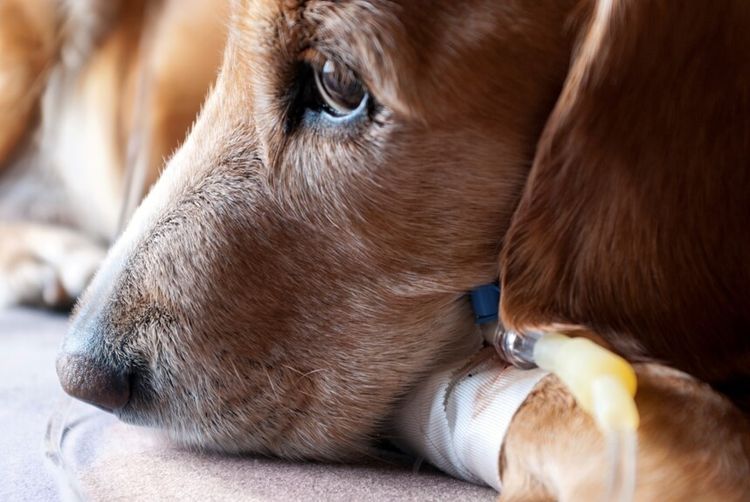
Poisoning is nothing to joke about; the poison acts too quickly. It's important to notice the first symptoms promptly and consult a veterinarian. Given the huge number of animal abusers on the scene, poisoning is not uncommon and can happen at any time. Keep a close eye on your pet. If they're seen picking up food from the floor, be on the safe side and muzzle them.
Neoplasms
Over the past 10 years, they have become more common among animals. This dangerous neoplasm doesn't appear overnight. It grows, sometimes over years. Blood in the urine is a serious symptom, and it appears when tumor It reaches a huge size. The dog usually suffers from a long illness before this occurs, which allows the tumor to be diagnosed long before blood appears in the urine, if you consult a doctor.
Diseases of the genital organs
Urinary tract infections are common in animals. Pyometra is common in female dogs, and prostate problems in male dogs. Pets typically experience difficulty urinating and become restless during urination. The condition must be treated; otherwise, at best, it will become chronic, and at worst, the animal will die.
Leptospirosis
A common infectious disease that requires immediate medical attention. It can be transmitted by tick bites, food, or water. Symptoms are similar to babesiosis. You can't wait for the disease to resolve on its own—it won't.
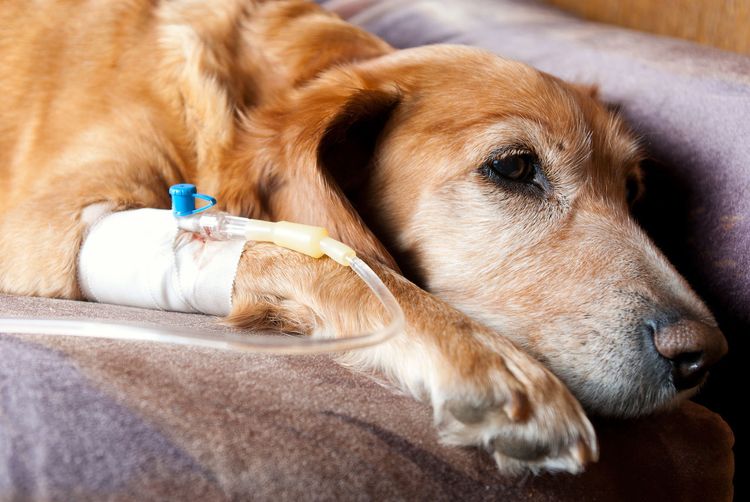
Your pet needs a shock dose of potent medication, otherwise it will die. Therefore, don't delay visiting a veterinarian at the first sign of symptoms.
You can also ask our website's staff veterinarian a question, who will answer them as quickly as possible in the comments box below.
Read also:





134 comments
Xenia
Hello, please help. My 9-year-old American Bulldog, Cable, pees maroon urine at the end of a walk. My father-in-law pees a few times with normal, clear urine, and then the maroon urine appears. Before this, he had a problem with urination: he couldn't pee for a couple of days, it was coming out in dribbles, and then he peeed out everything that had accumulated in a couple of sessions. This happened a couple of months ago, then everything returned to normal, and now this is happening. What could it be?
Daria is a veterinarian
Hello!
Whenever blood is released from any part of the body, we recommend that you immediately contact a veterinarian.
In your case, there may have been a small stone in the urethra, which initially obstructed urine flow but was later able to pass. There's also a possibility of small stones in the bladder or urethra, as there's blood at the end of urination. Therefore, in such cases, it's important to consult a veterinarian to prevent more serious stone-related problems.
Sergey
Good afternoon, I had a tick bite in October, and the blood appeared in January. Could there be a connection?
Daria is a veterinarian
Hello! It's unlikely there's any connection. If it were a blood parasite infection, it would have developed much faster. This would only happen if the tick was there recently and you simply didn't notice it. But besides blood in the urine, there would be many other symptoms. You should see a doctor for an in-person examination and get tested.
Lyudmila
Hello! My Chihuahua is a female, 1.8 years old. Last night I gave her three pieces of sausage. This morning she vomited up a piece of her dry food, unchewed. I thought she just hadn't chewed it, so I didn't suspect anything. I also gave her a Praziquantel dewormer suspension, then immediately fed her some Caesar wet food with beef. She ate it with gusto and then started vomiting, first the food, then just bile and foam, and eventually even peed with blood. What should I do?! This is the first time this has happened, and my dog doesn't go outside in the winter. She's been feeding her a mixed diet: we give her table scraps and dry food, and she's a Dog Chow. What should I do? Is it possible to fix this on my own?
Daria is a veterinarian
Hello! If you notice blood in your urine or stool, you should always contact a veterinarian for a full examination. Feeding should be changed in any case. Miniature breeds are very delicate and fussy eaters. Commercial pet food is of poor quality, and feeding sausage is completely unacceptable. There is a risk of developing gastritis and pancreatitis. If your pet has been vomiting, no oral medications are needed. The issue with vomiting should be addressed first. Again, it's important to understand whether it's vomiting or regurgitation. These are different things, and they can cause different things. Blood in the urine – could it be a cold? Is the floor cold? Is it definitely blood? Did it eat beets? Determine if the blood is coming from the bladder or if there are other issues. If this happened once and doesn't happen again, observe. If it becomes more frequent and/or regular, check under your pet's armpit and bring it to an appointment.
Elena
The dog is peeing blood and has frostbitten paw. Could this be the cause?
Daria is a veterinarian
Hello! Yes, if an animal has frostbitten paws (especially if the pet is kept outdoors, even in a kennel), this indicates frostbite. Frostbite is always caused by hypothermia. Hypothermia often leads to the development of inflammatory processes, especially in weakened immune systems. I wouldn't rule out the possibility that the animal has cystitis (especially if the dog was kept in a kennel or outside, lying on a cold surface). This could explain the bloody urine. An ultrasound and at least a complete blood count and urine analysis are needed. It's essential to rule out inflammatory processes in the kidneys! They are more difficult to treat than cystitis. And if cystitis is left untreated, the inflammation can easily spread up the ducts and reach the kidneys.
Tatiana
Hello. My dog is a mongrel, approximately 7 years old. Weighs 15 kg. She is kept in a kennel with another dog. Six days ago, we noticed rapid breathing, which we attributed to the heat. The next day, we noticed blood in her urine. She is breathing heavily and wheezing, and her legs are slightly wobbly. She is drinking a lot. In the evening, we gave her PiroStop at a dosage of 0.25 x 25 kg, since we didn't know how much she weighed. The vet estimated 20-25 kg. She also received vitamins and dexamethasone 20 minutes before PiroStop. The next day, she felt better, and her urine became lighter, but still brownish. She ate all this time, but less than usual. The next day, her urine was not clear; it was brownish, but lighter than before. She was prescribed Nitroxoline, Canephron, and Bactria. Both her condition and her urine seemed to have improved.
The next day, I noticed my pants were all damp and there were drops of dark urine all over the pen, as if there was a leak. The loop looked slightly enlarged and had a yellow leak. We added ceftriaxone. Today, the dog vomited twice after eating, not very much. We gave her Ringer's and salts subcutaneously. We took the dog for an ultrasound. She got out of the car and peed almost entirely blood. The doctor didn't see any pathologies in the kidneys, bladder, or uterus during the ultrasound. Only the spleen, an inflamed stomach, and intestines.
He said the dog had gas and a full bowel. They couldn't bring the test results until the day after tomorrow, but they refused. I suggested another injection of Pirotop, as I thought the first dose was too small. They refused. We also felt a lump under the dog's right armpit, like a pocket of water, the size of a fist. Tomorrow we're going to another clinic to get tested for piroplasmosis and an ultrasound. Please advise what to think and what direction to take.
Daria is a veterinarian
Hello! Your pet needs a diagnosis. If you refuse treatment and additional tests, no one online will give you a 100% accurate answer about what's wrong. Yellow discharge from the vulva means you need to rule out both pyelonephritis and pyometra (especially in an unspayed dog). Urine tests. Blood tests. Abdominal ultrasound. Without proper diagnostics, randomly injecting an animal is a bad idea. Does your dog's heat cycle not bleed? There are some female dogs that bleed during heat cycles. Therefore, a thorough examination is essential!
Natalia
Hello! I have a 5-year-old male dachshund. Three days ago, I noticed blood in his urine, and pinkish stains appeared on his bedding. He doesn't seem sick. He eats well, walks actively, runs, and plays. He doesn't fuss when urinating and doesn't squeeze. What could be the cause? He's on a mixed diet: we alternate between natural and dry food. We haven't changed his food at all. However, there was a time when he was slightly crushed by a doorway (he jumped out awkwardly). However, even after that, we examined and palpated him several times, and he shows no signs of pain. What could this be?
Daria is a veterinarian
Hello! Only ultrasound and CT scan results can confirm that nothing has happened and the animal is fine. This cannot be determined by regular palpation. Microtraumas are easily missed. Problems with the prostate glands, bladder, kidneys, and even the urethra must be ruled out. It is necessary to determine the source of the blood, whether it is an isolated incident or a symptom of an underlying disease.
Sofia
Hello! My dog is an English Cocker Spaniel. I have blood in my urine, and the urine itself smells awfully fishy. She doesn't whine when going to the bathroom. She's 9 years old and has started urinating more frequently. She eats normally and doesn't refuse food.
Daria is a veterinarian
Hello! Urgent! I need to get to the clinic right away for an in-person examination! Blood and urine tests, and a kidney ultrasound. If it's a girl and not spayed, then a uterine ultrasound is also needed. This is no joke.
Marina
What should I do? My dog has been fed blood for 2 days now. What medication should I take? I was told to give him 2 tablets of Tracycline per day.
Daria is a veterinarian
Hello! Your pet needs to be taken to the clinic immediately! Tick season has begun, and there's a risk your pet may already have piroplasmosis. No amount of tetracycline will help! Specific treatment with Pirotop, Forticarb, and other medications is necessary. Don't waste time! If your pet is important, bring it to the clinic in person and have a blood test for the parasite. If the infection is confirmed, treatment will be prescribed and administered right there on the spot.
Larisa
Hello. I have a female Rottweiler. She started urinating blood. Can you tell me why?
Daria is a veterinarian
Hello! There are many possible causes for this. It's extremely dangerous to speculate about the cause of your pet's condition. Could the urine have been colored by something she ate? Perhaps she ate beets? Have you ruled out her heat? If so, and it's not her heat, then you need to rush to the vet immediately to have a urine sample and blood test. If the weather has warmed up in your region, you should rule out piroplasmosis (a disease transmitted by tick bites), but you'll also notice a fever, lethargy, loss of appetite, vomiting, and yellowing of the visible mucous membranes and the whites of the eyes. Kidney and urinary problems should also be ruled out. It's important to understand how your pet urinates: posture, frequency, volume, pain, etc. A simple history is insufficient to make even a preliminary diagnosis.
Oleg
Hello, our French bulldog is about a year old. We recently noticed blood appearing at the end of his urination while we were outside. His appetite is excellent, lively, and cheerful. Please help, what should we do? The doctor said to monitor him for a couple of days.
Daria is a veterinarian
Hello! That's right, we need to observe. We need to confirm the pet's gender, diet, treatments, and age. This may be a one-time treatment. But the main thing is not to let the process get worse or worsen the situation.
Natalia
Hello, I have a Collie. I've noticed for the last seven days that she's occasionally peeing slightly bloody, not every day. Her behavior and appetite haven't changed. Her last heat was in February, and today is January 1st. Could this be a gradual onset of heat? She's six years old, but this has never happened before. I was referring to heat, thank you.
Daria is a veterinarian
Hello! Yes, it's possible that this is how heat begins. It's different for everyone. It's important to keep an eye on your pet. If you don't notice anything else unusual, don't panic. If anything else raises your concerns, rush to the clinic for an ultrasound, because this is no joke. Any bleeding from your pet's body is a reason to contact a vet.
Galina
Hello. My dog is about six months old. He hasn't eaten for two days. Today, he hasn't gotten up at all. I saw blood in the snow this morning. And there's a pool of blood right next to his kennel. Yesterday morning, he was running and playing, and everything was fine. I can't go to the vet; I live in the countryside. There's no vet in the district center; I have to go to the city. This is problematic! What can I do at home?
Daria is a veterinarian
Hello! Any bleeding is an urgent reason to visit a clinic! Blood may not necessarily be from urine. It's possible someone was poisoning rodents, and your pet was also a victim, which could explain the refusal to get up and the blood (although a painful abdomen, whining, and possibly vomiting would also be present). Also, if a puppy isn't vaccinated, there's a risk of developing an infectious disease. Again, this can't be managed at home. Refusal to eat is a reason to administer an IV. You should take the pet's temperature and examine it for external bleeding (for example, a wound or bite from another animal).
Vadim
Hello, our husky lost her appetite two days ago and now she's urinating blood. What should we do? We live in the countryside.
Daria is a veterinarian
Hello! A personal visit to the doctor is essential! Rule out both piroplasmosis (due to a tick bite; they can bite even in this cold weather, especially if the animal comes into contact with hay, other grass, or shrubs) and inflammatory processes in the genitourinary system.
Natalia
Good morning, my dog just finished her heat cycle; she's a year and a half old. Her heat cycle was normal. She was active and ate well. Now, after her heat cycle, I've noticed her urine has started to contain blood. She's stopped asking to go outside and can urinate indoors. She's a medium-sized dog. She eats well and plays with balls. She's started drinking plenty of water. Urination isn't painful.
Daria is a veterinarian
Hello! How many days after her heat cycle did you observe this phenomenon? How long did it last? Was there any mating? For future reference: any blood in your dog's urine, feces, or other natural discharge is a reason to contact the vet. It's better to be reassured and sent home than to waste precious hours or days. It's also possible that this was just her heat cycle ending, and this is normal for your pet. Stay healthy.
Kate
Female Labrador, 5 years old, unspayed. I've noticed blood in my urine for two days now. She was in heat a month ago. She's eating well. No fever. She's active. No noticeable pain when urinating.
The diet was not changed. There were no injuries.
Daria is a veterinarian
Hello! What about the mating and birthing process? Have you noticed increased thirst and urination? How much blood is in the urine? Were there any ticks? Was her body temperature taken? How long has this been going on? If blood appears, it's advisable to have an in-person examination: complete a complete blood count, biochemistry panel, a complete urine sample, and an ultrasound of the genitourinary system (kidneys, bladder, and uterus) to rule out any inflammatory processes.
Edo
I found a dog, he's about 2 months old, yesterday everything was fine, but today he came home from work and he's peeing blood, vomiting, lethargic, and has red eyes. Can I find out the cause and how to treat him?
Daria is a veterinarian
Hello! Your pet needs to be taken to the vet immediately for a checkup! We need to rule out both piroplasmosis (caused by ticks) and inflammatory processes in the genitourinary system. The treatment for these conditions is very different. While inflammation can be managed somewhat, piroplasmosis can take days or even hours.
Peace
Hello, we have a 2-year-old female Husky. Her condition has suddenly worsened: 4 hours after a walk, she became lethargic, refused food, and drank a lot of water. She has urinated twice this day, small puddles of red, clear fluid. She constantly lies down, breathes heavily, has a fever, and her tongue is pale, with a "rotten meat" smell coming from her mouth. We found fleas. Can you tell me what they could be?
Daria is a veterinarian
Hello! There are no illnesses so sudden that a perfectly healthy animal can develop hematuria (blood in the urine), hyperthermia, apathy, and a "spoiled meat" smell from the mouth within four hours. Fleas are clearly not involved. In such a case, emergency care is necessary, including diagnostics, IV fluids, antipyretics, antibiotics, or antiparasitic medications (if babesia is the culprit, but there would be jaundice). Investigating the gastrointestinal tract, especially if there's bad breath, and ruling out gastritis, enteritis, and dental and gum problems shouldn't be dismissed outright.
Catherine
Good afternoon, I have a Rottweiler, a female, who will be 5 months old on September 6th. Today she started urinating frequently with blood coming out, and all of this is accompanied by whining. What could this be?
Daria is a veterinarian
Hello! The cause is most likely an inflammatory process in the genitourinary system. To confirm the diagnosis, an in-person examination with mandatory additional tests (such as a general urine and blood test and a pelvic ultrasound) is necessary. Based on the results, a definitive diagnosis will be made and effective therapy will be prescribed. Cystitis or other inflammatory processes in the lower urinary tract are possible, and sand in the bladder due to improper and unbalanced feeding cannot be ruled out.
Christina
Hello. I'm a 4-year-old female Yorkie. She gave birth a month ago. After giving birth, she started urinating blood very frequently, as if she were incontinent. She spends most of her time in a hunched position, as if she were going to the bathroom. She has a good appetite, plays, and urinates calmly, seemingly without pain. Could you please advise me?
Daria is a veterinarian
Hello! Your pet needs to be taken to the clinic immediately! It's absolutely urgent! A pelvic ultrasound is essential. We need to determine whether the problem is in the reproductive system or the urinary system. We also need to check for any other abnormalities (blood and urine tests can be helpful). If your pet is hunched over when they're defecating, it's likely they're in pain (if you have the same stomach cramps, you'll hunch over and try to lie down more). Urine leakage can also be caused by a weakened urinary or urethral sphincter, but neurological abnormalities also cannot be ruled out.
Irina
Good night.
My husky is 4 years old. We live in an apartment. Everything was fine this morning. I returned from work in the evening and took her for a walk. She whines when she urinates, and there are drops of blood in her urine. After she left the house, she left small puddles of urine, three-quarters of which were mixed with a discolored color. She drank very little water.
Gave Nesgard Spectra according to the schedule.
We'll go to the doctor in the morning.
Daria is a veterinarian
Hello! A checkup is essential! An ultrasound of the kidneys, bladder, and uterus (if it's a female) is required to rule out or confirm inflammatory processes in the genitourinary system, as well as stones or sand. A catheterization of the bladder with an antiseptic flush may be necessary to remove any remaining sand. Anti-inflammatory and antibacterial medications, diuretics (provided there are no stones that could block the urinary tract), antispasmodics, and a special therapeutic diet will be prescribed. Do not prescribe anything yourself! Many human medications are dangerous for pets.
Albina
A one-year-old female dog, Veo, was in heat. We noticed drops of blood were visible, then she started peeing blood right at home, something that had never happened before. She became lethargic and lost her appetite. We don't have a clinic, and we live far away.
Daria is a veterinarian
Hello! It's important to determine whether there's actually blood in the urine or if it's just being mixed in during urination. Were there ticks? Prompt veterinary attention is crucial. If it was a tick, immediate treatment with specific medications (Forticarb, Pirotop, etc.) is essential. Without them, you won't be able to save your pet. It could also be a kidney problem (although this is rare in a young, well-maintained pet). It's also possible that blood from heat mixed with urine during urination. But guessing is not an option; urgent diagnostic testing is essential.
Marina
Hello. My 5-year-old female Labrador has been vomiting for two days. This morning she refused to eat. This evening, I discovered she was peeing blood. Her behavior is normal. I examined her genitals, and they are slightly moist. What could this be?
Daria is a veterinarian
Hello! Urgent. No, not even that. GO TO THE CLINIC IMMEDIATELY! Rule out piroplasmosis (tick infestations are already rampant in many regions). The first symptoms are vomiting, refusal to eat, fever, lethargy, and blood in the urine (urination is painless and normal). Get a blood smear done immediately. And if confirmed, administer specific treatment. If you delay even a day, the animal could die.
Zhanna
We noticed our Caucasian Shepherd male is urinating blood. It's freezing outside, so it could be cystitis or a prostate issue. Please help. We can't get to the vet.
Daria is a veterinarian
Hello! Besides the fact that the urine is bloody, you need to know whether it's painful or painless. Is the urine constantly bloody, or does it appear at the end? What's the cat's body temperature? What's the position during urination? Where is it kept? Have there been similar problems before? How long has this been going on? Have you given any medications? It's safe to take it home; it's warmer there. If you suspect an infection, and your other pets haven't been vaccinated, they could become infected. If it's just cystitis or prostatitis, it's not that serious. How has the cat started eating and drinking? What's the volume and frequency of urine?
Lydia
Hello! I'm a female beagle, 1 year and 1 month old. My first heat was in November 2020. On February 6, 2021, towards the evening, my dog started asking to go outside to the bathroom, and her urine was pink. Her behavior and appetite were normal. On February 7, 2021, during her morning walk, her first urine was yellow, and subsequent urine was red. Her labia were not inflamed, had not changed color, and there was no discharge. Her behavior outside was normal.
P.S. On February 5, 2021, at around 9:00 PM, I gave her a ~1cm piece of boiled beetroot and a couple of slices of boiled carrot. I understand that beets can color urine, but I don't think they would have given her bright red urine after two days...
My dog is acting normal. Should I watch him or take him to the vet?
Daria is a veterinarian
Hello! Observe her behavior for another day or two, check for any new symptoms, and measure her body temperature. It's possible she's in heat again, which could explain the blood in her urine. But it's best to keep a close eye on her to avoid missing the onset of inflammation and further escalating the problem.
Tatiana
Hello, we have a Pekingese dog. He's been sick for a week, hasn't eaten anything, and is frequently constipated, weak, and shaking. Today I discovered he's started peeing blood. I'm really worried about him. Please tell me what to do.
Daria is a veterinarian
Hello! Please clarify your dog's age, gender, diet, and living conditions. Do you allow your dog to chew bones (especially tubular ones)? Does he eat inedible items (toys, slippers, strings, etc.)? A week-long fast is very bad. IVs are needed. The constipation needs to be addressed. For some reason, I'm certain the problem is with the dog's diet (it's unbalanced). Regarding the blood in the urine, an examination is necessary (urinalysis, ultrasound of the kidneys and bladder). Rule out urolithiasis and cystitis. Take the animal's temperature, examine the mucous membranes, as well as the skin, and also conduct a blood test. Based on the results of the examination, it will be possible to make at least a tentative diagnosis and, therefore, choose a treatment.
Alexey
I ASK YOU TO HELP MY DOG, MY FRIEND!
Alexey
My 13-year-old Staffordshire Terrier has been urinating involuntarily for three days now. For the first two days, his urine became dark, and this morning, he started bleeding from his genitals. He takes a long time to urinate, sometimes visibly from pain, and he groans. His appetite has gotten a little worse. PLEASE HELP US. I HAVE A FINANCE PROBLEM. CAN YOU TELL US WHERE TO GO? WHERE WE CAN GET FREE HELP WITH TREATMENT AND WHAT MEDICATIONS WE NEED? TELL US WHAT'S HAPPENING? WHAT'S THE APPROXIMATE DIAGNOSIS?
Daria is a veterinarian
Hello! Unfortunately, I doubt any clinic will provide a free examination and checkup. Urinary tract stones, cystitis, or kidney problems may be suspected. If the temperature was above freezing outside and you were walking in a park or forest, it's essential to have your pet examined afterward (you never know if a tick might have attached itself, and these little bastards can also crawl around in winter if it gets suddenly warmer). Where is your pet kept (indoors or outdoors)? What kind of food is it fed (natural or commercial)? Have you given any medications yourself? It's extremely important not to self-medicate with human medications, as you could overdose or give a medication that's prohibited for small pets. How is your pet now?
Tatiana
Cocker Spaniel breed. Lives indoors but goes outside to the bathroom.
Tatiana
Hello! My dog is peeing blood! What could it be?
Daria is a veterinarian
Hello! There are actually a huge number of causes. But generally speaking, these can include kidney, bladder, and urinary tract pathologies (stones, inflammation, tumors, injuries, weak blood vessels, etc.), or medications (as a side effect). Sometimes blood in the urine is a secondary symptom (an infectious disease or, for example, piroplasmosis after a tick bite). It's important to know the animal's living conditions, feeding, and the timeliness of preventative treatments. No one can make a diagnosis at random (especially without an examination, testing, and a number of additional tests).
Victor
Good evening. We have a problem with our dog: she's urinating blood, has a poor appetite, is lethargic, and seems unhappy, lying down all the time. We previously treated her for ticks. Could you tell me how to treat her? She's 8 years old. Thank you.
Daria is a veterinarian
Hello! How long has it been since you've been treating your pet, and what exactly is it? Is there a fever? Vomiting? What is the condition of the visible mucous membranes (what color are they)? Why were you treating for piroplasmosis (the blood test was positive), or did the veterinarian randomly prescribe a treatment plan? Or is it self-medication? Were blood and urine tests performed? Has your pet had an ultrasound of the genitourinary system? What is your pet's diet like? Have you given any medications, vitamins, or supplements? In general, I'd appreciate more information about your pet (feeding conditions, housing) and the disease (how long ago it started, how was the whiskered one treated)?
Olga
Good evening! My dog is a 10-year-old female Shar Pei. This evening, I noticed she started urinating blood after a full bowel movement. She eats normally, but at the beginning of summer, we switched her to a fish and vegetable diet because she was gaining weight and was panting on walks. After changing her food, her fur started falling out in clumps, very heavily. I started adding vitamin D to her food in small amounts. Her genitals are not swollen, as they are when she's in heat. What should I do?
Daria is a veterinarian
Hello! I need an ultrasound urgently! A kidney examination is a must! Your diet may be incorrect. Blood in the urine is always a warning sign. Rule out kidney stones, inflammatory processes in the genitourinary system, and serious kidney pathologies.
Elena
Hello. My Yorkie will be a year old this month. Everything was great; he was happy, playful, and eating well. Last night, I woke up and when I passed his dog's blanket, I noticed a very dark stain on it. I thought he had diarrhea. This morning, I left for work and noticed he hadn't eaten anything since the night before. When I came home, his blanket was dry; he hadn't eaten and was lethargic, apparently having been lying around all day. After a while, he approached his blanket, lifted his leg, and I saw a bloody spot on the blanket, almost dark blood. What could this be? Please tell me what to do? I thought maybe he had a cold and was probably in pain, so I gave him some Nurofen.
Daria is a veterinarian
Hello! Your pet needs an urgent ultrasound at the clinic! Cystitis, urolithiasis, and kidney problems must be ruled out. If your pet is running around outside or has recently been found with a tick, it must be taken to the clinic as soon as possible (to rule out piroplasmosis). Your pet's temperature must be taken. Don't self-medicate; get a definitive diagnosis first. Once the diagnosis is made, a treatment plan will be prescribed. Then, treat it at home. Otherwise, you'll only "dampen" the symptoms, but the disease will persist.
Svetlana
Today my dog is peeing blood, and it's very noticeable, but his appetite and behavior haven't changed.
Daria is a veterinarian
Hello! You absolutely must go to the vet immediately! IV fluids, hemostatic medications (at least Dicynone, Etamsylate, etc.), antibiotics (rule out cystitis and urolithiasis using ultrasound and urinalysis results, and have the kidneys examined). A blood test is essential to rule out protozoan blood parasites, which can cause hematuria (but then the body temperature would rise and jaundice would appear). Has your pet eaten anything outside of its bowl? A condition like hematuria is not something to be trifled with and should not be delayed! No one can make a diagnosis without a doctor's prescription!
Diana
Hello. We have a 6-year-old female Staffordshire Bull. After a walk (I did all my chores)
She took a crap at home and peed blood, but it's too early for her to be in heat. What could it be? We wanted to do an ultrasound, but unfortunately, doctors can only do it during business hours.
Diana
There is also lethargy and no appetite.
Daria is a veterinarian
Then, get to the vet immediately! Take the rectal temperature. Inspect the visible mucous membranes (mouth, conjunctiva). If they are jaundiced, rush to the vet! Rule out piroplasmosis. Otherwise, the animal will die in a matter of days. For this disease, specific medications are essential: Piro-Stop, Forticarb, and similar medications. Intravenous drips with plasma substitutes (Duphalite) or, in extreme cases, Ringer-Locke's solution (not glucose!). Then, symptomatic therapy: medications to support cardiac function, hemostatic agents, iron supplements, and medications to accelerate hematopoiesis (at least Katozal or other vitamin B12 supplements).
Daria is a veterinarian
Hello! Forgive me, but I can't get an ultrasound done remotely either. I see three options: take time off from work and go to the clinic with my pet, find a private clinic that's open 24/7 or at least in the evenings, or, worst of all, do nothing and wait for a miracle. It could be cystitis, or maybe some other genitourinary tract infection. And if ticks were present, then piroplasmosis should also be ruled out (especially if the animal is lethargic, has a fever, or is vomiting). Besides blood in the urine, there should be other symptoms. But in this case, you need to go to a clinic for an IN-PERSON diagnosis. Unfortunately, a definitive diagnosis cannot be made remotely.
Olga
Hello, we have a 5-year-old female Yorkie mix, small, 5 kg, active, eating well, dry food, drinking as usual, maybe a little more. She pees frequently. We go for walks twice a day. She also pees during the day at home, small puddles, not often. Today she peed two hours after her walk. It's a small amount, but with blood. This is her first time. She was clean before. Unfortunately, we can't take her to the vet due to financial and time constraints. Any advice?
Daria is a veterinarian
Hello! How can you make a diagnosis without knowing? Honestly, if you were constantly urinating, especially with blood in your urine, you'd definitely find the time and money for a urine test and ultrasound. We need to determine whether it's sand (urolithiasis) or cystitis. It could be an inflammatory process in the kidneys or just in the urinary tract. Understand, there's no guessing involved. The bare minimum is: 5-7 days of antibiotics, 1-2 days of diuretics to clear the bladder of excess urine (which is full of pathogens or sand), hemostatic agents (like etamsylate or dicynone), a therapeutic diet, plenty of fluids, vitamins, and homeopathy can be added (there are plenty of medications for urolithiasis or cystitis, including Canephron, Stop-Cystitis, and others).
Sveta
Hello. I have a 5-year-old male French Bulldog. About two weeks ago, I noticed he was drinking more water. Because of this, he was asking to go for a walk more often. I know I need to see a vet and get him tested, but right now, I just don't have the opportunity! And today, he suddenly started peeing blood—little by little, often. He's vomiting, lethargic, and has a decreased appetite—he's eating, but he seems reluctant. Also, he fell into a deep snowdrift while walking today. Could you advise me on what to do before I can take him to the vet?
Daria is a veterinarian
Hello! How can you tell what to do if you can't figure out what exactly your pet has without examining it and testing it? It could be cystitis (a cold), urolithiasis (since he's urinating blood in small amounts), or the aftermath of an injury (hence the blood). In some cases, antibiotics, antispasmodics, and symptomatic therapy will help; in others, you'll need to supplement with a diet; in others, if the injury is severe, surgery may be necessary. You can try No-Spa (1/4 tablet 2-3 times a day), ciprofloxacin/fluoroquinolones (cystitis usually improves after 3 days). The next day, your pet should be able to pee better. If not, rush to the vet.
Nelya
Hello! A female English Cocker Spaniel, almost 8 months old, had blood in her urine today. We haven't changed her diet, her appetite is normal, she's active, hasn't been involved in fights, and doesn't squeal or whine when urinating. What could be causing this? Is she possibly in heat?
Daria is a veterinarian
Hello! Well, you can't make a diagnosis without looking. If symptoms like hematuria appear, a veterinary examination, ultrasound (genitourinary system), complete blood count, biochemistry panel, and urinalysis are necessary. Another possibility is that the animal is in heat. But then the blood wouldn't just be in the urine, but also during periods when the animal is indoors (sleeping, walking), and there would be at least some bleeding. The spring warming is starting now (if your region has already recorded warming of at least +5-+10°C for several days), there's a risk that ticks have resurfaced after hibernation. It's important to take the temperature and examine the visible mucous membranes (in the mouth, conjunctiva) – if you notice anemia or yellowing, go to the vet immediately. God forbid, it could be piroplasmosis. It could also be an inflammatory process in the genitourinary system.
Sasha
Hello, my dog is 8 months old. Symptoms include vomiting foam, recently starting to urinate blood, and not eating or drinking anything. What should I do in such cases?
Daria is a veterinarian
Hello! Get to the veterinary clinic now! This is especially true if your region has experienced warming temperatures (at least +5-+10°C for several days). First and foremost, it's essential to rule out piroplasmosis, as ticks "wake up" with spring and the first warm spells. As soon as the first clinical signs appear, the animal has piroplasmosis for several days! The longer it goes without treatment, the higher the risk of death! If a blood smear doesn't confirm the presence of blood parasites, then other investigations are needed: ultrasound or blood biochemistry. However, with piroplasmosis and similar blood parasitic diseases, self-healing is not possible! Specific and symptomatic therapy is necessary.
Grandmother
Today at 4:00 PM, my 12-year-old Yorkshire Terrier started bleeding profusely. She's not spayed. Is it possible to see a vet tomorrow instead of today?
How can I help her now?
Please help. Sincerely, Grandma.
Daria is a veterinarian
Hello! You should never delay a visit to the veterinarian! This type of bleeding can be extremely life-threatening for your pet, as you won't be able to stop it at home. Excessive blood loss will cause severe anemia, followed by hypoxia (lack of oxygen). This could be due to tumors, a hormonal imbalance, an inflammatory process, or trauma, leading to rupture of major blood vessels. Your pet isn't just bleeding a few drops, but experiencing massive blood loss. Urgent surgery and hemodiffusion may be needed to restore blood volume.
Denis
Hello, my dog is a 7-year-old male Husky. He peed blood during his morning walk. There were no other symptoms or cause for concern. Everything has been fine for about a week now. He pees normally. Should I be concerned?
Daria is a veterinarian
Hello! In any case, even a single instance of blood in your urine is a reason to see a doctor. Get an ultrasound of your kidneys and bladder. Are you sure it was blood? Perhaps you were fed something that could have colored your urine? Beets, for example, something with dyes, or maybe medications/supplements/vitamins?
Denis
No, we didn't give him anything like that. He could only eat it himself. Not long before, he stole a chocolate bar and some candy from a child. He ate it all. We went for a walk, and at first he was peeing normally, but then I saw the stream turn red.
Daria is a veterinarian
Well, chocolate won't change the color of your urine. Then it's still worth taking her for an ultrasound. They'll either refute any suspicions of kidney or urinary tract problems, or confirm them. And after the examination, a decision should be made on the appropriate treatment plan. Self-treating for cystitis or kidney stones without a confirmed diagnosis isn't recommended. It could be something wrong with your kidneys. But then again, only one urination. It's odd; this should have happened at least a couple more times, or there should have been other symptoms.
Denis
Thank you very much for the advice.
I hope everything will be fine.
Daria is a veterinarian
I hope so too. Get well soon!
Kate
Hello, I have a 1.5 year old shepherd/husky mix bitch who has been peeing blood for a long time now. She is active and eats well. After reading the questions, I assume it's from ticks. We removed about ten of them in the spring. She didn't feel unwell and we didn't take her to the vet. I didn't see any blood before the snow, but since the beginning of winter, it's been happening every day. What could this be? Please tell me.
Daria is a veterinarian
Hello! If you read carefully, if a tick bite is the cause of blood in the urine, the animal will die without specific treatment! Therefore, hematuria cannot possibly be caused by a tick attack. The first clinical signs would have appeared within the first 24 hours. So, get your animal ready for an ultrasound and a urine test. Blood in the urine is a worrying symptom. And you can't wait for it to resolve on its own! Cystitis, ICD, kidney disease, infectious diseases, and other conditions must be ruled out. Diagnosis is necessary and urgent.
Sergey
Hello, I have a mongrel. While the frost lasted, we let him off the chain. He was running around fine. Today, I decided to put him back on the chain. It's clear something's not quite right. I noticed he's peeing blood, refusing to eat, and won't get out. What should I do?
Daria is a veterinarian
Hello! I suspect cystitis due to severe hypothermia. A clinical examination and blood tests are advisable. In addition, No-Spa 3-4 times a day is necessary, as well as intramuscular antibiotics (fluoroquinolones and third-generation cephalosporins and above are good options). There are also folk remedies (herbal infusions; I've repeatedly described in detail which herbs and medications to use in the comments to the cystitis article on this site). The animal needs warmth (on the bladder area) to reduce pain. NSAIDs are also necessary for pain relief, but you need to carefully consider which antibiotics you'll be administering to avoid any incompatibilities.
Evgeny
Good day. I'm a pit bull, not quite a year and a half old. I have a habit of checking on him every now and then while he's going to the bathroom to make sure everything's okay. At the beginning of the walk, everything was fine, but after the playground, on the way back, where he was playing and jumping a lot, he started peeing blood and limping slightly on his right hind leg, not all the time, just occasionally. His appetite and mood are excellent (for over three days).
Daria is a veterinarian
Hello! Did the dog fall? Could he have been seriously injured? Ideally, the clinic should take him for a urine test, a blood test for a complete and biochemical analysis, and an ultrasound of the kidneys and bladder to rule out inflammation. The limping could be due to pain. Let's first determine the diagnosis (it could be cystitis), and then choose a treatment plan. I can't tell you what medications to take based on the description.
Irina
Hello, I have a 3-month-old female puppy. She was running around outside with her mother and came home. Her right hind leg is hanging, she doesn't step on it, the right side is swollen, and she pees blood. What could this mean?
Daria is a veterinarian
Hello! Most likely, the puppy had a bad fall or was injured (couldn't someone have hit him?). In any case, it's necessary to take him to the vet. First, get an ultrasound of the bladder and kidneys. And an X-ray of the limb to rule out a serious injury. It could be a slip, a sprain, or a severe bruise. The blood is either due to cystitis (hypothermia) or an impact (bad fall, or someone pushed him). In short, a definitive diagnosis is impossible without an examination.
Irina
Hello. My 11-year-old dachshund pees blood, sometimes. He doesn't whine. He's cheerful and eats normally. The longer he goes for walks, the less blood he produces in his urine, but recently he's started coughing.
Daria is a veterinarian
Hello! Your pet needs a checkup. A urine sample should be provided. A kidney and bladder ultrasound should be performed. Cystitis, urolithiasis, and kidney problems should be ruled out. Inflammatory processes in the lower urinary tract may be present. Regarding the cough, have the dog auscultated at the clinic to rule out inflammation (possibly tracheitis or bronchitis). In any case, a urine sample should be provided. Ideally, a blood biochemistry should also be performed (at least once a year, especially for an older dog) – a kind of medical checkup.
Albina
Hello! My male dog was being treated for a heart condition. They prescribed Izokerit, took 40 tablets, and suddenly he started licking his right hind leg until it bled. It all cleared up. The doctor said it could have been the Izokerit, but they probably diagnosed liver damage. He ran a blood test for biochemistry, and all his liver tests were elevated twofold. They prescribed Heptor. He started vomiting, but they said to keep an eye on him, and then he started peeing blood. Bites and poisoning are ruled out. He's losing weight right before our eyes, but he's eating well.
Daria is a veterinarian
Hello! Are you sure you remembered the name of the medication correctly? The ultrasound should have looked at the kidneys and liver. Most likely, an overdose or poisoning caused the liver problems. The kidneys may have been damaged as well. What were the biochemical results? Are they giving you IVs? What was the diagnosis? What other treatments were you taking?
Anastasia
I have a 7-year-old German Shepherd. He recently started peeing blood. I can't take him to the vet yet. Can you help me with any medications?
Daria is a veterinarian
Hello! My dog has cystitis, kidney stones, or a kidney problem (it's unlikely he picked up a tick in this cold weather, otherwise his temperature would have spiked). It's impossible to make a diagnosis without an examination. Cyston, No-Spa (Stop-Cystitis combines an antibiotic and an antispasmodic), and Canephron are also possible; antibiotics are needed, as is etamsylate as a hemostatic. This will help a little with cystitis. With kidney stones, you'll definitely need to change his diet. Is it painful for him to pee? Does he pee a lot or just dribble? How is he drinking (should he always have boiled water or filtered water to remove magnesium/phosphorus impurities)? What is he feeding? Have you taken his temperature?
Denis
Hello! My 4-year-old Shih Tzu is a female and has had three litters! I've noticed her mood has been declining. She plays only occasionally and sleeps a lot, but her appetite is fine and she eats well. I noticed she had blood in her urine last night! What could be wrong? She rarely goes for walks, and if she does, she's supervised. Thanks in advance.
Daria is a veterinarian
Hello! There are countless possible causes! The animal needs to be examined. First, take its body temperature. Bring it for a kidney and bladder ultrasound, and a blood test for a complete blood count and biochemistry panel (if the ambient temperature is still above zero and you're walking in a forested park area, also take a blood smear to rule out blood-borne parasites, especially if the body temperature is elevated). We need to rule out urolithiasis, cystitis, and kidney problems. Another question: what are you feeding it? Is it definitely blood? There was a case where a dog ate beets, and the owners panicked. But it's better to be on the safe side and take it to the vet for an in-person examination.
Nastya
Hello. My nine-month-old Husky was lethargic, vomiting, had a loss of appetite, and had blood in her urine yesterday. We went straight to the clinic that same day. They took a blood sample. They found piroplasmosis and then put her on an IV. Today she peed blood again. Could this mean the medication didn't work?
Daria is a veterinarian
Without these drugs, no IV drip will save you! What was in the IV? Ringer's-Locke's or glucose is the easiest, but ideally plasma substitutes (at least Dufalight), as the piroplasmosis pathogen destroys red blood cells (hence the red urine and lethargy). Vitamins to strengthen the immune system, liver support medications.Hello! Was it just an IV? What about specific treatment with Pirostop or Forticarb? Without these drugs, no IV drip will save you! What was in the IV? Ringer's-Locke's or glucose is the easiest, but ideally plasma substitutes (at least Dufalight), as the piroplasmosis pathogen destroys red blood cells (hence the red urine and sluggishness). Vitamins to boost the immune system and liver support medications.
Anton
A female pug, 3 years and 10 months old, has been ill since the beginning of 2018. She was in heat in January 2018. It all started with itching, chewing her paws, and walking on a sling. We feed her natural food (rice and beef). After her heat, dark spots appeared near her sling, on her right paw near her nails, and on her chest, measuring 10 mm. Her fur was falling out, and she had bald spots on the back of her paws. The skin darkened in these areas and on her stomach. We consulted a dermatologist. We ruled out allergies and fed her rabbit and turkey. We gave her a course of prednisolone for 1.5 weeks. After that, the dog began drinking a lot and frequently urinating with an unpleasant odor and blood. We treated her with an antibiotic, I don't remember the name, and everything went away on the second day of taking it. Later, the dermatologist diagnosed atopic dermatitis. In April, she had eye surgery for inverted eyelids. After that, things started getting worse.
In short, the story could go on and on. But we've just had two bacterial cultures done and found Proteus mirabilis. We gave her Marfloxacin 20 mg, one tablet daily, and Cyston. On the second day, the dog stopped urinating blood and drinking much. We took the medication for seven days. About a week later, the blood with clots returned. We gave Cyston and Sinulox, one tablet daily, and everything was fine again on the second day. We had an ultrasound while she was taking the antibiotics, and everything was normal. We stopped the antibiotics, and a week later, the blood and clots returned. We took a urine culture, and the bacteria returned. In September, we gave her another antibiotic, this time ciprofloxacin 500 mg. On the second day, everything was fine again, no blood. We stopped the antibiotics, and a week later, today, there's an unpleasant fishy odor in her urine and a drop of blood.
The dermatologist prescribed Apoquel 5.4 mg for my dog in May, and we're still taking it. We tried not giving it for a couple of days, and she has a small red rash on her stomach and ears. We've also been giving her Nexgard Spectra since April, and before that, we were using Strong Hold. We're really at a loss as to what to do. She's active when she's sick, and her appetite is excellent. We also got a cat at the end of last year, so maybe that's related? She's a British cat and hasn't had any illnesses.
Dasha is a veterinarian
Hello! What are you feeding her now? Have you tried switching to a special food for allergy sufferers? There are therapeutic diets that are so easy to digest that they contain only one type of protein and one type of carbohydrate, which are almost completely broken down. Allergies go away in 99% of cases after switching to such a food (provided the allergy is to a specific component of the diet). Is it possible that the pug is stealing food from the cat? Have you had your dog examined by a gynecologist? Maybe she should be spayed (even better, a hysterectomy would be better). Have you had a biochemistry test? A complete blood count? If prednisone helped, then there is an allergic reaction; we just need to find the allergen. Cystitis could be idiopathic (after stress) – after all, there's a new pet in the house, so maybe the dog is jealous. Are you giving her any supplements or vitamins? Are you treating her with something?
Catherine
Hello! Could you please tell me how the pug is doing now? We have a similar story—while he's on medication, everything is fine. As soon as I stop giving him antibiotics, hemostatics, and homeopathy for urolithiasis, the blood starts to appear, and the intervals between relapses are getting shorter each time. The tests show sand and salts. We tried switching him to Proplan Urinary therapeutic food, but we didn't see any changes.
Marina
Hello!
My 1.5-year-old male Laika hasn't eaten or drunk for three days. We've been trying to give him water with a syringe, but he turns away. We went to the vet, where they gave him an antibiotic injection, gave him an IV, and prescribed him some vitamins, including Catazol, and an antibiotic. No tests were performed. It's likely that our vet doesn't even practice this. But the dog remains unchanged, lying down, not eating or drinking. What should I do? Is it okay to force-feed or force-feed him?
Dasha is a veterinarian
Hello! You don't need to force-feed your pet, but you should give them water (use herbal teas, 1:1 Vetom, glucose solutions, and saline solutions used for dehydration). Are there any other symptoms besides loss of appetite? Fever? Vomiting? Diarrhea? When did it start? Have they dewormed them? Vaccinated them? There must be something else going on besides just refusing to eat or drink. Take a closer look at what else is wrong with your pet.
Evgeny
Good evening, we have a 2.5-year-old male Labrador. He started peeing blood, isn't eating anything, and is lethargic. We took him to the vet, who gave him an injection of atoxil and noshpa. He said he was poisoned. By evening, he could barely walk, whined when he wanted to lie down, and touched his paws to help him lie down. He started whining. What's wrong? Can you please tell me what's wrong?
Dasha is a veterinarian
Hello! Were you prescribed an antibiotic and antispasmodic for poisoning? Either you misunderstood something or you're not telling us everything. You were given minimal recommendations for cystitis, but certainly not for poisoning. Were ticks removed? Was the temperature taken? Are the whites of the eyes and visible mucous membranes jaundiced? A complete blood count and biochemical analysis should be performed, plus a smear for protozoan blood parasites (to rule out piroplasmosis or isosporosis), and a urine sample should also be tested. A urinary tract ultrasound could be done. I can't say what's wrong with the animal without an examination. Please answer the above questions.
Vitalina
Good evening, a 13-year-old female, non-spayed, German Shepherd, has started drinking a lot and is incontinent. She sits down every 10 seconds to pee outside. We thought she might have cystitis and tried nitroxoline, but it didn't help. Drops of blood started appearing in puddles at the end. She's lost a little weight. I can't take her to a veterinary clinic yet. Please tell me what this could be.
Dasha is a veterinarian
Hello! What should I do? Seek an opportunity to take my pet to a clinic as soon as possible. Why are you choosing treatment yourself? Especially since you're trying to treat with just one medication, not a combination. A bladder ultrasound is needed. Could she have stones? Could a stone even be clogging the urethra? Then the poor animal won't be able to empty its bladder at all, toxicity will set in, the bladder will overflow with urine, and rupture. A diagnosis should be made during an in-person examination! Then a treatment plan can be developed. Without seeing the animal and knowing the severity of the situation, I can't recommend medications, lest self-medication lead to the death of your pet.
Diana
Hello! I have a 7-year-old female Chihuahua. Her stools used to be brown and smelly after a long period of time, but later on, they were fine. She peed frequently at night with drops. I found a couple of salt stones in my belt once. I put her on a diet of Kidney Care pate and Ipakitine powder. Then everything went back to normal. I thought it was the food. For the last couple of days, she hasn't had an appetite; she only drinks water and whatever I put in her mouth.
What could it be? My guess is kidney problems.
Dasha is a veterinarian
Hello! Could you please write without the T9 data? Some of your words are so twisted that I'm left guessing. There's no need to guess at all: a complete blood count, biochemistry panel, a complete urine test, and a kidney ultrasound. Believe me, the biochemistry and general tests will immediately tell you whether there are kidney problems or not, and how quickly they're progressing. Based on the results of the examination, a diagnosis will be made and treatment will be prescribed.
Natalia
Hello! I have a 14.5-year-old male Yorkie. Yesterday evening, he peed blood for the first time. Before that, he ate and pooped as usual. His behavior in the evening was normal. After that, he peed again and his urine was lighter. He slept normally. In the morning, he peed clear urine and ate. What happened?
Dasha is a veterinarian
Hello! What are you feeding your pet? A urinalysis and an ultrasound of the kidneys and bladder are necessary. Without further testing, test results, and an in-person examination, it's virtually impossible to diagnose the animal. More information about the animal's condition, how it's being cared for, and how it's being fed would be helpful. Without this, it's impossible to say what the problem was; you can't just guess from coffee grounds.
Alina
Hello! My 9-year-old Yorkshire Terrier has started urinating blood! He stands for a long time, pees little, and runs around frequently! Not every urination is bloody, though. His behavior is normal: he plays and eats!
Dasha is a veterinarian
Hello! Please come to the clinic for an examination. Blood tests, biochemistry profile, and urine analysis are also required. An ultrasound of the kidneys and bladder is also required. Cystitis, kidney stones, and kidney problems must be ruled out. Treatment should be started only after a definitive diagnosis.
Svetlana
Dachshund, 11 years old, recently finished her heat, began to urinate frequently and with blood, small puddles in them with blood and sometimes clots, there are also drops of blood.
Appetite is normal, behavior has not changed, stool is normal.
Dasha is a veterinarian
Hello! Is the blood in the urine or is it coming from the genital tract and mixing with the urine afterward? Take her for an ultrasound to determine if it's cystitis or more of a "female" problem. Blood clots and drops are concerning. Typically, with cystitis, blood mixes with the urine. If there's urolithiasis and sand, then there may be drops of blood at the end of urination. But what about clots? Ultrasound, ultrasound, and more ultrasound. Only after that will a diagnosis be made. Don't delay.
Paradise
Hello. I have a balloon cat, she is 6 months old. When she starts to urinate, she squeals loudly, and I noticed blood in her urine.
Dasha is a veterinarian
Hello! Your pet needs an in-person examination. We'll need a complete blood count, biochemistry panel, and urine analysis. We'll also need an ultrasound of the bladder and kidneys. We'll rule out urolithiasis and cystitis.
Anna
Hello. I have a female pug. I've noticed that sometimes (but not always) after she pees, she leaves a few drops of blood. It's like she's marking. I thought she was going into heat, but so far there's been nothing. I decided to give her Stop Cystitis and wait to see if she'll go into heat. But so far, nothing has changed. The doctor gave me a jar to collect my urine, but I have no idea how to do that; she's not human. What could it be?
Dasha is a veterinarian
Hello! You didn't specify your dog's age. Collecting urine isn't that difficult. You just need to wait until your dog starts urinating and collect a portion. If you can't catch it in a jar, use a clean, larger container (just pour boiling water over it first), and then pour it into the jar. It's best to do this in the morning (especially since more urine will accumulate overnight, and your dog will be urinating for a long time). Be sure to have your urine tested and blood tested (general analysis and biochemistry, which will provide a more comprehensive analysis of what's going on in the body). You can also get an ultrasound to put your mind at ease.
ghoul
My dog is peeing blood today, has no appetite, is lethargic, and won't even go for walks.
Dasha is a veterinarian
Get to the vet! It's tick season! If your pet has been bitten by a tick, there's a high risk that it's already suffering from piroplasmosis. See a vet immediately: specific medications, intravenous plasma expanders, medications to support the heart, kidneys, and liver, and then, depending on the situation, symptomatic medications. In the case of piroplasmosis, the clock is ticking. If you're lucky and it's not a bloodborne parasite, blood in the urine is a clear reason to see a veterinarian immediately.
Alexandra
Hello! My 3-year-old female pug started urinating frequently and with blood. It's not a lot, just a few drops at the end of each urination. We had a urine and salt analysis done. The vet prescribed a 7-day course of antibiotics and a special diet for urinary tract infections. On the third day of the injection, everything cleared up. By the end of the course, everything was fine. Four days later, the same frequent urination and blood returned. The vet says this could be happening: her urine is foul-smelling, and she's urinating more frequently, 7-9 times a day.
Dasha is a veterinarian
Hello! It's possible you're developing urolithiasis, or there may be kidney problems (since your urine is foul-smelling). Are you still following the diet? What exactly are you feeding? Have you only been given antibiotics? Have they prescribed anything else? Ideally, you should have an ultrasound of your kidneys and bladder and a blood test. Blood in the urine is a bad sign, especially after treatment (if there was improvement). It means you didn't finish the treatment.
Larisa
My bitch (9 months old) ran away, but was found 12 hours later.
She stopped barking, and after 3 days her appetite worsened. Two days later, we found blood in her urine. What could it be?
Dasha is a veterinarian
Hello! Take your pet to the veterinarian. Why didn't the blood in your pet's urine prompt you to consult a veterinarian in person? An ultrasound, a urinalysis, and a complete blood count and biochemistry profile are necessary. These results will be used to establish a diagnosis and prescribe treatment. How is your pet urinating in general? Frequently or as usual? Small amounts? Is it fussy? Or is everything normal except for the blood? Is your pet's body temperature normal (don't just look at its nose, but actually measure its temperature rectally with a thermometer)?
Nina
Good afternoon
We have a collie. He's 7 years old. He's a male. For the last three days, he's been standing there peeing for long periods of time, but only a little. We walked him for about an hour today, and toward the end, we noticed his urine was bloody. We only eat prepared food, and there can't be ticks—there's snow everywhere. He doesn't interact with other animals. How can we help him?
Dasha is a veterinarian
Hello! What exactly are you feeding? Have you noticed any other changes besides the change in urination time and blood in the urine? For example, is he whining? Maybe he's fussy? Maybe he's urinating (trying) frequently? I suspect cystitis or kidney stones, but for a definitive diagnosis, you'll need to take your pet to the vet, have an ultrasound, and have a urine sample analyzed. Once a diagnosis is made, your veterinarian will prescribe a treatment plan.
Zhanna
She's been on dry food her whole life. Now she's on Zoogurman. The dog is 9 years old. She has some growths under her arm.
Zhanna
The dog eats. Both morning and evening. Oh, I forgot. In the evenings we started giving warm porridge cooked with the addition of liver or chicken.
Zhanna
Maybe I should take him home now? But we have a Yorkie and a Frenchie at home. Will he get infected?
Add a comment