
The dog drinks a lot of water: the reason
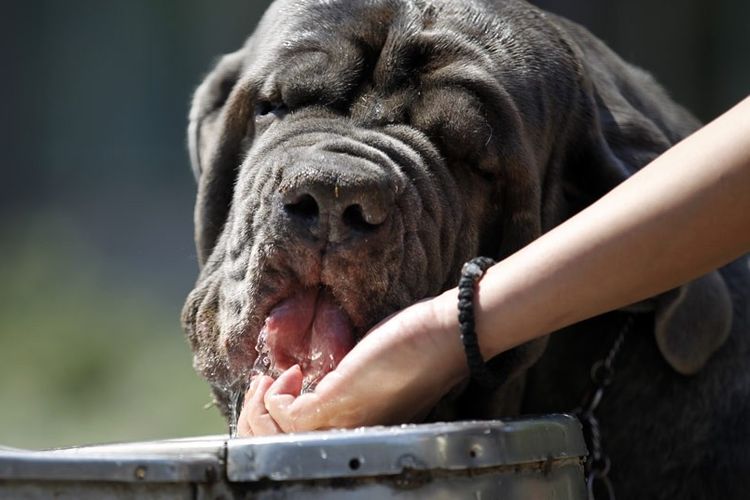
Increased thirst in dogs should be a cause for special attention by owners. Normally, an adult animal should drink 50-70 ml/kg per day. Pregnant or nursing dogs may require slightly more fluid. However, if your pet doesn't leave the water bowl throughout the day, it's time to consult a veterinarian. Sometimes, a serious illness is the cause of excessive water consumption in dogs.
Content
The main reasons why a dog drinks a lot of water
Of course, you shouldn't rush to the veterinarian if your pet starts drinking excessively. It's important to use common sense, as constantly wasting time and money on veterinary appointments isn't worth it. First, try to independently determine the reasons why your dog is drinking excessively. In most cases, abnormal thirst isn't caused by illness, but by:
- increased activity;
- salty and spicy foods in the diet;
- too hot weather;
- lack of opportunity to be in the shade;
- taking medications;
- anti-flea or anthelmintic treatment.
If your pet doesn't have constant access to a water bottle, severe dehydration can develop. This condition can be extremely life-threatening, so it's important to monitor for accompanying symptoms. The following should be especially concerning:
- dry gums and tongue;
- rapid breathing;
- thick, viscous saliva;
- general lethargy of the animal.
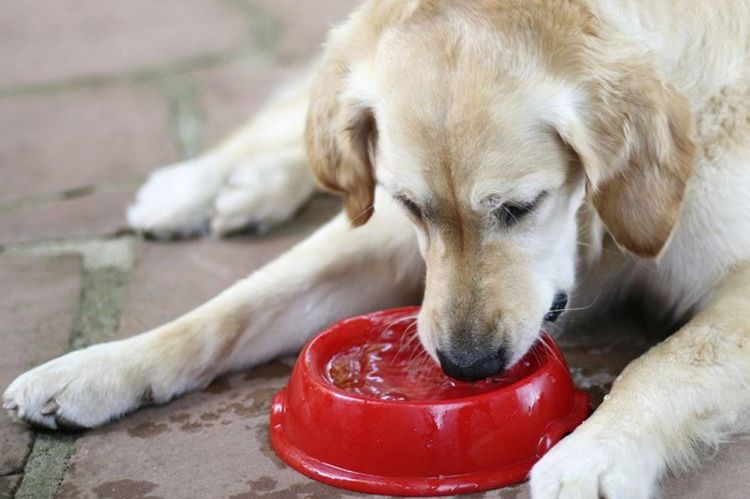
If your dog is so dehydrated that it won't stand up and is constantly vomiting, you should seek veterinary help. However, if only one or two symptoms are present and there is no vomiting, you can manage the problem yourself.
Important! If your dog shows signs of dehydration, it's strictly forbidden to give him unlimited amounts of fluids. Uncontrolled drinking will eventually lead to vomiting, which will only worsen the problem.
To help the animal, give it a tablespoon of water every ten minutes for several hours. Once its condition has normalized, provide a water bowl with sufficient water and monitor it to prevent dehydration from recurring.
Diseases leading to abnormal thirst
If a dog isn't eating but is drinking a lot of water, it's likely that some underlying medical condition is causing this abnormality. At best, this symptom could indicate a side effect from a medication (especially if the medication contains alcohol); at worst, it could indicate the onset of a disease.
Kidney disease
If the kidneys aren't functioning properly, the animal may feel constantly thirsty. In acute renal failure, dehydration can occur within just a day. But if an older dog starts drinking a lot of water, It's quite likely that chronic renal failure is developing. The kidneys eliminate metabolic waste through urine. But if such vital organs stop functioning, toxins will accumulate. To flush them out of the body, the animal instinctively begins to drink more. But despite this intensification of urination, the amount of toxins will not decrease. Therefore, ignoring such a dangerous disease is not recommended, as kidney failure can be fatal.
Diabetes mellitus
This pathological condition is diagnosed when the animal's body cannot properly bind glucose and insulin. Diabetes develops when the dog's pancreas stops producing insulin. The danger of this disease is that it is quite difficult to detect without blood tests. The only symptom may be the dog drinking a lot of water. In older animals, blindness may also develop.
Cushing's disease
In veterinary medicine, this condition is known as hyperadrenocorticism. It is characterized by an imbalance of cortisol in the animal's body. It is caused by injury or abnormal tissue growth in the pituitary or adrenal glands. In healthy dogs, cortisol levels are low and only increase during stress. When cortisol levels in the blood increase without cause, glucose production increases, leading to persistent thirst. Other symptoms that should alert owners include the appearance of bald patches, a sharp decrease in physical activity, and polyuria.
Psychogenic polydipsia
This condition is poorly understood, as it is a behavioral disorder. Most often, uncontrollable thirst occurs in puppies that have just weaned, or in stray dogs that have previously suffered severe dehydration. A veterinarian with a neurological background can help address this issue.
What to do
So, if you notice your dog drinking a lot of water and panting, the first step is to calm the animal down, and in hot weather, cool it down (for example, by placing it in the shade or wrapping it in a damp cloth). In most cases, this is enough to correct polydipsia.
It's also important to check whether the animal has been given any medications or undergone antiparasitic treatment. It's quite possible that polydipsia is a side effect. It's also worth monitoring the animal's diet and activity level for several days. Sometimes, it turns out that children are secretly "feeding" the pet harmful salty or sweet foods. Providing the animal with special food will help the abnormal craving for water subside.
If you can't manage polydipsia on your own, or if the increased thirst persists for several weeks, you should definitely consult a veterinarian. The specialist will conduct a full physical examination of your pet and collect information about any other symptoms and behavioral changes. Additionally, blood tests will be performed. For example, if your pet has kidney disease, high levels of creatinine and urea nitrogen will be detected. diabetes mellitus will indicate high glucose levels. Cushing's disease, the test results will show:
- elevated serum alkaline phosphatase;
- high levels of alanine aminotransferase;
- decrease in blood urea nitrogen levels.
If the tests reveal any abnormalities, an additional X-ray or ultrasound examination of the kidneys, adrenal glands, and liver is performed. In some cases, a biopsy may be necessary. To prevent late-stage disease detection, it is recommended to have your pet have blood tests at least once a year, rather than immediately after any warning signs appear. Prevention is always cheaper and safer than cure!
If the test results are normal and the ultrasound reveals no abnormalities, the veterinarian will consider psychogenic polydipsia. There's no need to worry, as in most cases, thirst is only an initial symptom, meaning there's a chance the dog will be completely cured of the condition.
You can also ask our website's staff veterinarian a question, who will answer them as quickly as possible in the comments box below.
Read also:


24 comments
Anatoly
Alabama is one year old, drinks a lot of water during walks two or three times a day.
Tatiana
Hello. My 8-year-old German Shepherd is sterilized and drinks a lot of water. She breathes heavily. We feed her beef bones. We buy crushed dog food and cook porridge with the bones and this crushed grain for dogs. Her shadow is enough for her. I can't figure out what's wrong with her. It's too far to take her to the vet for tests. What do you recommend?
Daria is a veterinarian
Hello! First, I'd like to recommend a proper diet for an older dog. For a German Shepherd, 8 years is already old. So, answer this question honestly: would you eat bones? If you were served bones, would you eat them? Perhaps our digestive tracts are starting to digest the bones? Or do they contain vitamins and minerals that are so essential for a living organism? Bones are not food! They're garbage! At a pinch, you can boil them into a broth, and then add grains, vegetables, and MEAT to the broth. You can also brush your dog to remove the winter undercoat. If possible, provide a container of water (not only for drinking, but also for bathing, so the animal can cool down). Dogs don't have sweat glands; they can't lose body temperature through sweat. They have to open their mouths and breathe frequently. The animal is overheated. Use cool water, change it often, and change it frequently. And some shady places can be stuffy. Can the animal hide in cooler areas (house, garage, shed)?
Ramsa
Hello. I'm a one-year-old Moscow Watchdog. He constantly tongue-breathes (gasps), drinks a lot of water, and has a foul-smelling mucus accumulation in his water container. He has a good appetite and eats school cafeteria slop. He's happy, active, and reasonably plump. These symptoms have only recently appeared. He's had persistent red eyes and discharge for a long time, ever since he was acquired.
Daria is a veterinarian
Hello! Large breeds often have reddish eyes. But the feeding... forgive me, but even pigs can develop various gastrointestinal ailments when fed slop. I wouldn't be surprised if a dog has already developed gastritis from such a diet. An unbalanced diet, with spices, fried foods that aren't necessarily fresh... in addition to the unpleasant odor, worse problems will soon arise: constipation or diarrhea, weight and hair loss, joint problems, and much more. Change your pet's diet! And then treat it.
Olga
Hello. My husky is a 3-year-old female. She's pregnant. Her belly is already big. She's lethargic and drinks a lot of water. She's breathing rapidly. What's wrong?
Daria is a veterinarian
Hello! How far along is your pregnancy? When was the mating date? Perhaps you're preparing for labor. Were there any tick bites? Could she have been poisoned? What's her general condition?
Angelica
Good afternoon! My Labrador is 6 years old. She stopped eating, drinks a lot of water, and breathes heavily at night. If she eats, she immediately vomits everything up. What could this be?
Daria is a veterinarian
Hello! What do you feed your dog? How often? Is he overweight? Have you noticed frequent and excessive urination? Does he pee and then immediately drink almost as much as he drank? If any of the above are true, then rule out pancreatitis and early diabetes.
Is it a female or a male? If a female, is she spayed? If not, the ultrasound shows a "female" appearance. Overall, there's too little information about the animal's upbringing. It seems like we're left guessing. Please provide more information about the pet.
Veronica
The dog is 2 years old, a husky-German shepherd mix, weighs about 40 kg, is short of breath, breathes with his tongue, it is not hot outside, eats food, drinks a lot of water, is not very active, has a slightly bloated belly, the veterinarian prescribed the medication Espumisan Baby
There could be something else,
Daria is a veterinarian
Hello! I need an ultrasound urgently and we'll figure this out! It could be heart problems, pulmonary edema, or fluid accumulation in the abdominal cavity (due to this, the diaphragm isn't working properly, the lungs aren't opening up fully, causing shortness of breath). How are your bowel movements? Are you having any? Has a foreign object been ruled out? In short, it's impossible to make a diagnosis without a proper medical history and examination.
Olga
Hello! My 11-year-old dog (dachshund) vomited twice yesterday and today. We went to the general practitioner (he was diagnosed with gastroduodenitis), and he was prescribed Trichopolum. We went to the cardiologist in the evening, and everything is normal. Now he has started drinking a lot of water, and at the same time, where his ribs are, he seems to be bloated. His respiratory rate is normal, and he is not short of breath.
Daria is a veterinarian
Hello! Was the diagnosis made by eye? Without an ultrasound, X-ray, or blood chemistry? Did they prescribe Trichopolum alone? No enzymes or anti-inflammatory medications? No therapeutic diet prescribed? Did you go to a cardiologist with your complaints or did you have a routine checkup? How is he peeing? Is he peeing as often and a lot as he drinks? What are his bowel movements like: constipation, loose stools, just soft stools, or normal, like a healthy animal? Was he vomiting before or after meals, foamy/yellow/containing undigested food? Did they palpate his abdomen? Was it painful?
Elvira
Hello! We live in the countryside, and our dog has been breathing heavily for three days now, as if he's short of breath. When he sits, his breathing slows down a bit, but when he stands up and walks, it quickens. He breathes with his mouth open, and his stomach contracts. He's an elderly dog, only about ten years old, and he doesn't eat properly, but he drinks water. We can't take him to the vet, and we feel so sorry for him that we don't know what to do.
Daria is a veterinarian
Hello! There's nothing you can do yourself; you need to take your pet for a full examination. Respiratory or heart failure, possibly lung pathologies, are possible. Treatment is determined based on the diagnosis. Prescribing medications for heart failure will be ineffective for respiratory failure. Is there a cough? What's the animal's body temperature (use a thermometer, not just a nose check)? What's the color of the mucous membranes and gums (pale or bluish)?
Olesya
Hello! My Biewer Yorkie drinks a lot of water and then vomits. He doesn't want to eat. He vomited and had diarrhea last night. Now he's lying down, only getting up to drink and then feeling nauseous. He tries to stay in cool places. What could be the cause, and should I see a vet?
Dasha is a veterinarian
Hello! You definitely need to go to the clinic! It could be food poisoning, a foreign body in your stomach, gastritis, or some other digestive disorder. Be sure to get examined, get tested, get a diagnosis based on a comprehensive examination, and then discuss treatment with your doctor.
Elena
My dog, a toy terrier, is 55 days pregnant and has been walking around drinking and drinking and drinking all day. What could this be?
Dasha is a veterinarian
Hello! What about urination? Is your pet urinating as much as she drinks? Is there any swelling? Check especially in the morning for swelling in the paws, face, or dewlap. If possible, weigh her morning and evening. If you notice any alarming symptoms (tremors, vomiting, lethargy, poor appetite, infrequent urination, or small urine output despite drinking large amounts of fluid), consult a veterinarian immediately. With these breeds, it's common to have a "family" veterinarian who will oversee the entire pregnancy and subsequent C-sections.
Elena
Urination is also frequent, there is no swelling, vomiting or other symptoms, and she runs as usual.
Anna
Good afternoon
I noticed that the dog started drinking more (I can’t determine the exact amount because there is one basin for the dog and cats).
The dog also often goes to sleep near the balcony threshold (it's cooler there). She also sometimes breathes with her mouth open (without her tongue hanging out), as if she's hot.
But it's not hot in our house. And the dog is a toy poodle, not a husky (which often gets hot in apartments).
Appetite is good, as is stool. Urination is normal (not more frequent).
Active, runs and jumps as usual.
What could be the cause? Should I rush to the vet?
Dasha is a veterinarian
Hello! Just because you're not hot doesn't mean your pet is comfortable. After all, they have their own thermoregulation system (their temperature is higher than ours). To determine how much water your dog drinks, at least on your day off, set out a separate bowl for them (cats don't drink much in a day, unless you have 5-10 of them), measuring exactly how much you've poured and how much is left. Observe them. If you don't notice anything other than increased thirst, don't panic. But a preventative checkup (at least once a year) wouldn't hurt any pet. Just be sure your dog doesn't catch a cold near the balcony (otherwise they'll get too cold, which could lead to cystitis, bronchitis, and other ailments). Stay healthy!
Anastasia
Hello! Our dog has similar symptoms! She's a 12-year-old Jagdterrier. Her drinking has increased three times, she pees frequently but tolerates it, she eats normally but is losing weight, she has no fever, she sometimes breathes through her mouth, as if she's hot, but it's cool at home, and her paws are shaking, but this has been the case for about two years now. There are no other external changes. Could you tell me what disease this might indicate?
Dasha is a veterinarian
Hello! Your two-year-old pet has been showing symptoms of illness, and you still haven't sought veterinary help? Check your pet's blood sugar, urine, and blood tests. A biochemistry profile is essential. Have your pet's kidneys and bladder checked with an ultrasound (to rule out genitourinary issues). Diabetes should be ruled out.
Add a comment