
My dog has stopped eating dry food: what should I do?
Sometimes it happens that a dog stops eating dry food, and the reason isn't always obvious. For some owners, a dog's refusal of prepared food can be a real problem. This usually happens when transitioning a pet from a natural diet to a dry one. Other times, a dog refuses to eat dry food, even though it used to eat it happily. Let's figure out what to do in such cases, how to identify the cause of hunger without harming your pet.
Content
Possible reasons for refusal
First of all, it is necessary to determine why a dog that was always happy with pellets now If he refuses to eat dry food, only then can we decide what to do next and how to restore his appetite?
The problem is in the feed
Concepts like "proper nutrition" and "healthy diet" are familiar to everyone, but not everyone understands or practices them. Here are a few examples of dogs refusing to eat dry food due to the owner's fault.
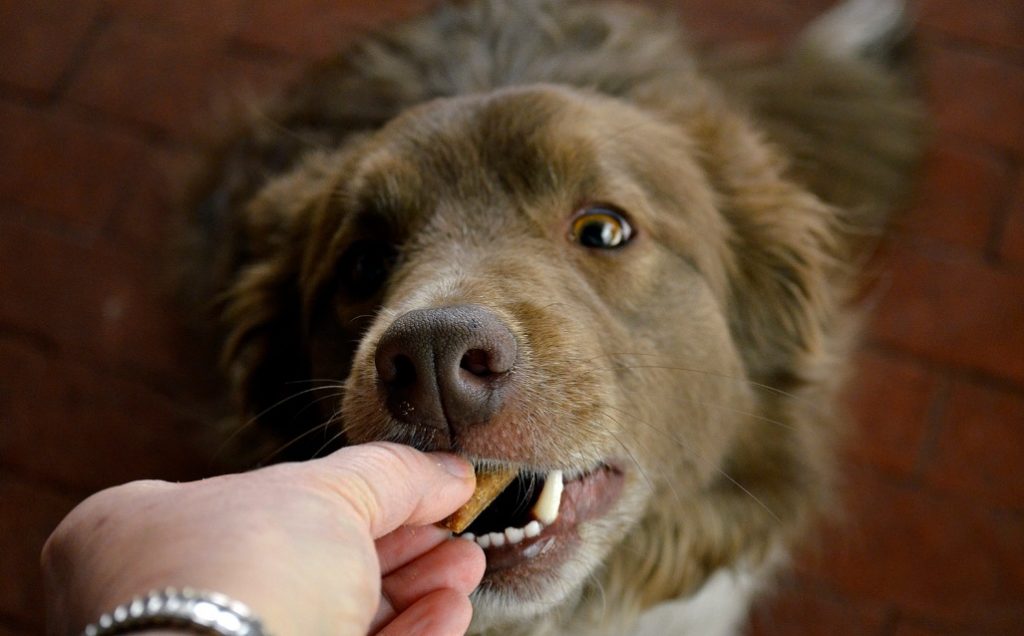
- Unusual food.If your pet eats natural food, you have to constantly cook, but this can be inconvenient when traveling or being very busy. Dry food becomes an alternative. Owners offer their pets kibble as a snack, but this doesn't generate enthusiasm; dogs find it unappealing, tasteless, or too tough.
- You can't fool your nose.If your dog is constantly fed dry food, the reason for their refusal may be a sudden change in brand or the purchase of low-quality food (for example, loose food), which tends to oxidize in opened packages. The appearance and smell may seem normal to humans, but a dog's sensitive nose can't fool them.
- Spoiled nature.Many small breeds are naturally picky eaters, and then the owner tries every possible way to get their pet to eat. "If you don't want food, at least have a piece of meat (cheese, potato, cookie, etc.)"; "If you don't want it from a bowl, eat it from your hand..." Eventually, regular food is replaced with a piece of food. treatsIf a dog refuses to eat dry food because it knows it'll get a treat eventually, the owner decides what to do: either remove all supplements or switch to natural food.
- Make it tastier!Dogs aren't particularly picky about variety in their diet, but they can also get bored with food with the same flavor. This is especially true if they occasionally receive treats from their owner's table and know that there are better options. Perhaps the sudden lack of familiar flavors is the reason for this refusal. Some owners soak Dry food with kefir or yogurt, and when they stop, the dog refuses dry food. Mixed feeding is only allowed during the transition from one type of food to another.
- A question of quality and quantity.Dogs need much less dry food than other foods. It can be difficult for owners to accept that their pet now needs only 500 grams of kibble instead of 2 liters of porridge. Portions become excessively large, the animal doesn't eat everything, and complaints begin: the dog has stopped eating dry food. Read about whether it's safe to feed porridge to dogs and what kind. on our website here.
Lack of physical activity
Many dogs, especially those living in apartments, lead sedentary lives. Their daily routines are limited to short, quiet walks with minimal playtime, if any.
Animals simply don't expend all their energy and, over time, become more lethargic and indifferent to any kind of entertainment. As a result, a decreased appetite may be observed.
Try increasing your pet's physical activity a little, and then pay attention to their appetite. It's important to remember to wait at least an hour after feeding your pet.
Stressful situations
Many dogs refuse dry food because they are susceptible to stress, just like people. They can be distressed by prolonged periods of loneliness, moving, losing their owner, and sometimes even noise from a neighbor's renovations or the arrival of small children. Owners often don't realize or forget that stress is not only a psychological but also a physical reaction to situations that are difficult to quickly adapt to. Analyze recent events; they may be the reason why your dog is refusing food.
If a stressor does exist, it must be eliminated or the dog must be accustomed to the stimulus. Mild herbal sedatives may be used, but adaptation will take a long time in any case.
Physiological features
Female dogs often lose their appetite during their heat cycle, and male dogs often lose their appetite when they hear a female dog "walking" nearby. These changes are normal and don't require intervention. During this period, the animal has more important things to do than eat.
Medical reasons for refusing dry food
Even if the dog is healthy, there are still a number of hidden reasons:
-
Pain syndrome in the oral cavity- teeth, gum inflammation, ulcers or exposed roots make chewing unbearable.
-
Intestinal pathologiesor parasites cause discomfort, bloating and loss of appetite.
- Chronic kidney or liver disease, in which taste preferences change.
-
Esophageal or gastric obstructions, in which dryness becomes painful.
-
Aging— in the elderly, the sense of smell is lost, taste sensations change, activity and calorie requirements decrease.
Causes should be ruled out one by one, starting with a dentist and a general examination.
Health problems
Health issues often lead to loss of appetite. For example, oral disease (stomatitis) or upper respiratory tract infections (runny nose). More serious internal illnesses can also lead to loss of appetite.
Not all illnesses are accompanied by obvious symptoms, so loss of appetite is the first warning sign that you should visit a veterinarian.
What to do?
Most often, dogs are switched to dry food due to its convenience or the need to transition to a therapeutic diet, which is available in dry kibble form. To transition a dog from one type of diet to another, follow a few rules:
- The transition should be gradual. It takes two weeks to acclimate not only the dog but also its digestive system to dry food.
- Start mixing the kibble into your cat's regular food in small amounts. Each day, replace a quarter of the entire portion until the kibble completely replaces the porridge.
It is important to remember that when adding dry food, the portions need to be reduced, since much less granules are needed than liquid food.
- If your dog is reluctant to eat dry food, you can soak the kibble in boiled water. Puppies can soak their kibble in kefir or homemade yogurt. Just be careful not to upset your dog.
- The food must be of high quality (not lower than premium class) and, of course, the dog likes it.
- It's not advisable to leave food freely available. Just as with natural food, the dog should have a routine and set portions.
If a dog refuses dry food, there's always a reason. Identifying and resolving it is the responsibility of any responsible and loving owner.
Let's build an action plan:
-
Start with the vet- rule out diseases, examine the mouth, check the temperature, do a general analysis.
-
Return to the basic diet, remove all treats for 2-3 days and monitor the reaction.
-
Introduce new food gradually— mix 25% of the new with 75% of the old at the beginning, increasing the proportion every few days.
-
Add moisture- Pour warm water or broth over it and let it sit for 10–15 minutes to enhance the aroma.
-
Apply toppers- a little wet food or meat sauce to increase attractiveness.
-
Create a cozy feeding environment- silence, stable temperature and one place.
-
Use bowls of the correct size- too small or too wide can be irritating.
Table "What influences refusal and how to solve it"
| Factor | What's happening | Recommendations |
|---|---|---|
| Medical pain | Chewing is painful | A visit to the veterinarian, treatment of stomatitis, teeth |
| Old age | Decreased appetite, change in sense of smell | Switch to aging food, add water |
| Change of feed | New smells and ingredients cause rejection | Mix the feeds gradually |
| Treats | Reduce interest in the main diet | Remove treats during the adaptation period |
| Stress (Wednesday) | Excitement, disgust | Strengthen routine, feed in a calm environment |
| Feed moisture | Hard granule - difficult to chew | Fill with water, add broth |
Puppies and Senior Dogs: Special Cases
Puppies may refuse dry food due to the transition from milk feeding, and older animals may refuse dry food due to dental problems or a reduced sense of smell.
Solution:
-
for puppies, choose food for their age group and soak them in warm water;
-
For older dogs, use diets with reduced hardness and high nutritional value.
When to see a veterinarian
If your dog has not eaten dry food for more than a day and the following symptoms are observed, you should consult a specialist:
-
weight loss;
-
apathy or aggression;
-
frequent vomiting or diarrhea.
Your veterinarian may order tests to rule out stomach, liver, kidney, and dental problems, and recommend therapeutic diets.
Preventing dry food refusal
To avoid this problem in the future:
-
stick to a gradual introduction of new food;
-
Choose quality brands with high protein content;
-
monitor the condition of your teeth and brush them regularly;
-
Create a calm environment during mealtimes.
Additional recommendations
-
Monitor your body weight— a sudden weight gain of ≥2% per week is a cause for concern.
-
Feeding diary- Record the dog's diet, time and reaction.
-
Enrich your diet— vitamins, omega-3, probiotics (+ only on doctor’s recommendation).
-
Games before meals- light activity before a meal can stimulate your appetite.
Conclusions
When a dog refuses dry food, it's important not to break the routine or change the diet abruptly. First, conduct a health check, then gradually introduce changes to the food and environment. This approach helps restore a stable appetite and strengthen the pet's eating habits.
Read also:


26 comments
Christina
Hello! We switched from one food to another due to an allergy, but our dog absolutely refuses to eat the new food. We've already tried two flavors (we thought it was the fish flavor that he didn't like). We bought the same brand but with lamb, and the same story: he's hungry, licking his lips, and when you put the plate down, he sniffs, flattens his ears, and then walks away! What could be wrong? Is the brand just not right? Should I switch again or just wait until he's hungry and starts eating?
Daria is a veterinarian
Hello! You shouldn't switch your dog to a new food abruptly, even if it's a therapeutic one. It's all done gradually. That is, replace the regular portion 25% at a time. Mix the new food with the old, stir, and feed. The dog eats the old food, but with a slightly different flavor. Feed it in this proportion for a couple of days, then add the new food to 50% (half the old, half the new). Feed it like this for a while longer and then add another 25% of the new food. The animal will get used to the taste. But! The question is: what exactly is the allergy to? Which new brand of food did you choose? Did you read the ingredients? Because they'll say "lamb flavor" up front, but the ingredients also include poultry, starch, or wheat gluten, which can also cause allergies. Has the doctor prescribed an elimination diet? Are there any other medications? Food allergies aren't confirmed so quickly. Only after an elimination diet, which itself lasts from 4 to 12 weeks, followed by a provocation period, and then another elimination diet. If you suspect a food allergy, it is better to take hydrolyzed foods with 1 type of protein and 1 type of carbohydrate.
Elena
Hello, my Yorkie is one year old.
She eats Royal Canin dry food and wet food. She never refused food, but suddenly she abruptly refused dry food but eats wet food. What should I do? Try a different one, and which one do you recommend?
Daria is a veterinarian
Hello! Is there any inflammation in the mouth? Could there be something wrong with the teeth? Are the gums red? Are there any lesions or stomatitis? Perhaps your dog is finding wet food easier to eat than dry. Or maybe something was changed in the recipe, the food was stored improperly and oxidized, causing a bitter taste. That's why he's acting up. If you decide to switch to a different super-premium or holistic food, do it gradually, gradually introducing the new food over at least 5 days. Try a small amount first, so if your dog refuses, you won't be disappointed.
Tanya
Hello, our husky puppy, 11 months old, refused dry food. We fed him natural food from puppyhood. He ate it until he was about 5-8 months old. Then he got tired of it and stopped. He would come up to us, sniff us, and then leave. We would remove his food bowl until the next meal. He didn't eat for about 3 days. We gave him some dry food to try (before that, we only gave him food during training). He ate it in a flash, and we decided to switch him completely to "Guabi Natural" dry food. Now we don't eat any of that food either.
We play active games, run, and go on bike rides. It's unclear why he's refusing to eat...
What should we do??
Thanks in advance)
Daria is a veterinarian
Hello! How are things going with deworming? Have you tried giving canned or semi-canned food instead of dry food? They're moist, and if the outside temperature is high in your region, moisture is absolutely essential for your pet. Huskies prefer cold weather and don't tolerate heat well. Think about yourself: when you're hot, do you eat a lot of your usual foods or try to drink more, and eat juicy and easily digestible foods (vegetables, fruits)? Maybe your pet isn't hungry either. Check their mouth; there might be something bothering them, which is why they're not eating. Take their temperature. You shouldn't force-feed your pet, so if they refuse food for another day or two, be sure to take them to the vet.
Tatiana
Hello! My female Pomeranian is 7 months old. She's been eating 1 tablespoon of lamb choy since she was 2 months old. She also eats Clan and Canagan wet food in the evenings. She's stopped eating dry food and waits for me to come home in the evening and give her wet food. She looks great, her fur is fluffy and shiny. What should I do?
Daria is a veterinarian
Hello! So what's the problem? Is it too expensive to feed only wet food? If it's affordable, then switch to wet food only, since your pet has taken a liking to it. Or, remove the wet food entirely and feed exclusively dry food (they'll turn up their nose and start eating again within a day). Animals, like children, are often picky about their food. Maybe they've gotten tired of the taste of dry food, and you need to find a different, more interesting "filling." I know some people cheat. They hide the regular dry food in a different place, in a different jar. And pretend it's a secret treat. They give it as a reward at first, then pour a little bit into the bowl. The animal has a pattern in its head: it was taken from a different place, poured from a different bowl, so it must be something else.
Elena
Hello! My Brabancon is 8 years old and has been eating BarkinHeads his whole life. He recently developed colic and was prescribed anti-inflammatory medication for 3 days. Then he drank a lot for 3 days and naturally developed incontinence, so he stopped eating dry food.
After all this, urination improved on its own, I soaked the food in water - he ate for 2 days, then stopped eating this too.
During this time the dog was active, cheerful, without fever, without pain, chewing on a bone and toys (i.e., its mouth and teeth are fine)
I gave him yogurt after he refused food for a day - he ate it with pleasure and had stool.
What should I do???? Please help.. Maybe the food has gone bad?
Daria is a veterinarian
Hello! Has the dry food gone bad? You're not buying a ton of food, just a couple of kilos. And store it in normal conditions. Sometimes an animal gets tired of eating something (it gets boring). Try giving it wet food (like canned food) and see if it eats it. It might also give baby meat canned food. It's possible the animal is afraid that the dry food is causing colic (they have their own "logical chains"). It will likely take time, so for now, feed it soft, easily digestible food and add probiotics.
Rose
Hello, our dog has refused food due to liver and pancreatic problems. All food is hematogen-based, she's been on dry food her whole life, and natural food is unacceptable, and that's out of the question (gastrointestinal upset sets in immediately). We've found a holistic formula, as the vet recommended, but she won't eat anything except sweets. Sweets are a no-no, as you understand. And we absolutely mustn't lose weight, otherwise the whole thing will start all over again, and we've only just gotten off IVs. The vet said there's nothing he can do—the dog has to eat, and if she doesn't, then... Are there any supplements or flavor enhancers? Or anything that might stimulate her appetite? Dogs aren't greedy by nature, that's the problem.
Dasha is a veterinarian
Hello! You're right, sweets are generally contraindicated (both for liver and pancreatic diseases). So don't feed them. No flavor enhancers are allowed (they'll "settle" in the liver). To restore appetite, we inject Catosal or other cyanocobalamin- and butophosphan-based medications at a dose of 1-2 ml (depending on the animal's size). You can try Hill's AD food—it's suitable for maintaining the health of dogs (and cats) during severe illnesses, injuries, and post-surgery. They gain weight well on it. Perhaps they don't like the taste of the food. I had one cat who flatly refused Royal Canin Medicinal during a treatment. We switched to a different brand and adjusted the flavor to suit her preferences. She was a fussy cat =)) You can finely chop up a small amount of her favorite food or product and mix it with the main food. Perhaps she'll smell the scent and get an appetite. In some cases, a trick works: move the food to a different location and give it as a treat. The animal gets the impression that since it's from a different place, it's not the main food, but something else tasty. This way, the dog understands that if it twitches its nose, it'll get a treat.
Were any medications prescribed?
Asya
Daria, hello! I have a 2.5-year-old Sheltie. Until about a year old, she ate Monge, but we changed flavors because she was tired of one, and apparently stopped eating it. Then we switched to Ocana, and she completely stopped eating Monge, but very soon she also started refusing. She would go hungry for a day and a half. We decided to switch her to natural food. She eats happily, but she constantly has gastrointestinal upset. I want to return her to dry food, but how? She will definitely skip meals with food and wait for natural food.
Daria is a veterinarian
Hello! What exactly are you feeding your pet (what natural foods are you giving her)? What signs of digestive upset are you noticing (diarrhea/loose stools, vomiting, constipation)? Have you tried giving commercial wet food instead of dry food? It's much more balanced than what you prepare yourself, but at the same time, it looks like "table food." It's a bit of a deception for your pet. You could, for example, give dry food in the morning and wet food in the evening, or vice versa. But make sure all the wet food is eaten, and don't leave any behind to prevent it from spoiling. It's a compromise of sorts. Also, how long ago was the parasite treatment last?
Olga
Hello. I've been feeding my 7-year-old toy dog Pro Plan since she was a puppy. We've never had any problems with it. But recently, I've noticed an allergy to the food. We decided to switch her to Hill's. The vets recommend a gradual transition, introducing the new food a little at a time, increasing the new portion daily and decreasing the old. However, from the very first day, our dog ate all the Hill's from the bowl and refused the Pro Plan. What should we do? Please advise how to properly introduce the new food without harming her health. Overall, after the first day of trying Hill's, she had no health problems.
Thank you
Dasha is a veterinarian
Hello! Your dog has already started eating a different food. Your only option is to give adsorbents an hour before or after feeding to reduce the harsh effects. For at least 5 days, give white charcoal (1 tablet per 10 kg of body weight) or polyphepan to ease the transition. You can also use chamomile tea or Vetom 1:1 instead of water; this will reduce the risk of developing gastric mucosal inflammation.
Irina
Hello. We have a miniature Spitz. He is 11.5 months old and weighs 1300g. We had two surgeries (for a spinal problem). Everything is fine now. During the surgery, his trachea was damaged, and now Maxi wheezes a little. Could this be related to the fact that he doesn't eat dry food well? True, food is always in his bowl. I read somewhere that small dogs should always have food within reach. Right now, the dog is lying down, and his stomach is growling. He refuses to eat. We have tried different foods. We understand that dry food has everything a pet needs. His stool is normal. He only goes to the toilet outside. We give him Klan wet food, but it doesn't have the necessary vitamins and microelements. He really loves watermelon, tomatoes, berries, and cucumbers. Please tell me what food is best for the dog? We will try to fix everything. We dewormed him on June 6th. Now we will deworm him again before vaccinations. Please help.
Dasha is a veterinarian
Hello! The trachea is the respiratory organ. And food enters through the digestive tract, right? That is, through the esophagus. Maybe it's caught too? You're feeding it incorrectly: you're mixing natural food with commercial food. Either natural or commercial. But don't mix! That's one thing. Second, you can give probiotics/prebiotics for a month to restore the intestinal microflora (especially if antibiotic therapy was recently performed). Water should always be clean and readily available. And don't overindulge in food. Of course, too much food can make a dog fussy.
Maria
Hello, our puppy has been eating dry food since the nursery. We got him at 2 months old. He's now 7 months old. He's started refusing food. He comes up to us, sniffs, and then leaves. Hopefully, he'll eat once a day. I don't know what to do.
Dasha is a veterinarian
Hello! Try switching to a different food. What are you currently feeding? How long has it been since you dewormed? How is he drinking? Are there any problems with bowel movements or urination? What other symptoms have appeared? Has his temperature been taken? If everything is normal except for turning away from food, then deworm, give him vitamins, and switch to a different food. Perhaps he's started being picky or has gotten tired of the taste. Remember that budget foods do more harm than good for your pet.
Irina
Hello! My dog used to eat a dry diet, and we decided to switch her to dry food. She ate the food normally this morning, but now she refuses to eat it and only eats from my hand. What should I do?
Dasha is a veterinarian
Hello! Well, let's start with the fact that you shouldn't make a sudden transition. Abruptly stopping your pet's usual food will be stressful for them. It's best to do it gradually (for example, replacing one meal with dry food) over a couple of days. Then, make the full transition. Second question: what food did you choose? What did you switch to? Perhaps they didn't like the taste of the food. Some pets are picky eaters who can chew their food so much their ears stand up, but they can't stand certain brands or flavors. It's very important not to feed cheap, low-quality (unbalanced) budget foods.
Irina
We first switched to Royal Canin, but he wouldn't eat it. Then we switched to Proplan, and at first he gobbled it up with gusto, but then refused in the evening. A little later, he finally ate it, but didn't finish it. The food cost 32 rubles per 100 grams.
Dasha is a veterinarian
Price isn't an indicator. There's Russian-made Royal Canin, and then there's the original European one. And believe me, the difference between them is real (though the price difference isn't that big). Maybe they didn't like the taste? Look at your pet's overall condition. Are there any fevers, vomiting, diarrhea, or lethargy? If your pet seems generally healthy, try experimenting with flavors. Buy a small amount so you don't have to throw it away. Have you tried commercially produced wet food? But! You shouldn't mix it with dry food.
Karina
Hello, when I switched my dog to dry food, she immediately refused to eat natural food, even though all the social media posts say you can't feed her dry food entirely right away. What should I do and what could be the cause?
Dasha is a veterinarian
Hello! Well, your dog made the transition quickly and easily, so there's nothing you can do about it. You can't force-feed her, can you? She's eating her food, so let her eat it, but what will you feed her now? Hopefully, super-premium food, tailored to her weight, breed, and age. Make sure your pet has free access to clean (filtered) water, and change it at least once a day. This is essential when feeding dry food.
Add a comment