
My dog isn't eating and is lethargic: why and what to do
Apathy and loss of appetite usually indicate illness in your pet. In this case, it's recommended to closely monitor the animal's behavior so that appropriate measures can be taken immediately if necessary.
But if your dog isn't eating well or isn't eating, don't immediately panic. There are many possible causes that shouldn't cause concern. For example, your dog might be stressed or taking a fasting day. It could also be a simple tantrum or a reaction to the weather.

Content
Easily solvable problems
If your dog has become lethargic and sad, be sure to check the food for freshness and the abundance of spices and salt. Avoid feeding additional food between meals – this is the first step if your dog is unwilling to eat. It has been proven that all kinds of treats can curb appetite, making your dog's main meal less palatable.
Important! A common cause of hunger strikes is a change in food. When feeding a natural diet, a single unfamiliar ingredient is enough to cause a person to give up an entire portion.
Hunger and lethargy can be caused by switching to dry food, which animals may find unappetizing when unfamiliar with it. Furthermore, a sudden change in diet can negatively impact the gastrointestinal tract, so veterinarians recommend making gradual dietary changes.
Cheap kibble is made from beans and soy, which won't exactly make your pet crave it. Another issue is chewing: older pets have difficulty with hard food due to thinning enamel, while puppies... due to loose teeth.

Natural causes of hunger strike
Consider a number of cases where refusal to eat is considered normal and does not require any intervention:
- Hot weather – in summer, a dog may not eat for a whole week, only drinking water. In the summer, a dog's stopping eating is a common concern for pet owners;
- excess of vitamins - the body has enough nutrients, and the animal is happy and feels great without food;
- stress reaction – loss of appetite due to a change in owner, environment or weather conditions;
- Teething - to prevent discomfort, it is better to give your puppy soft food during this period.
- growth period - a constant feeling of hunger often alternates with loss of appetite.
- puberty, the end of pregnancy and childbirth – changes in the body at the hormonal level cause a decrease, and sometimes a complete loss of appetite;
- old age – an elderly dog often does not eat anything and walks around lethargically.
When to sound the alarm
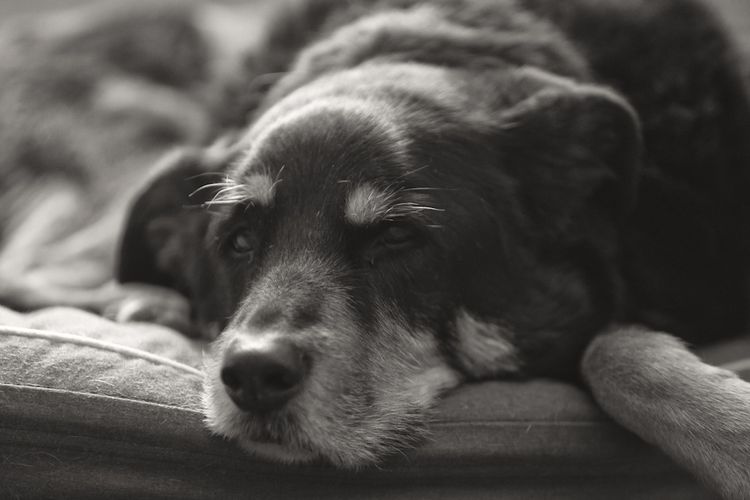
If your pet refuses to eat, pay attention to additional symptoms. If your pet is constantly breathing heavily, trembling or sleeping longer than usual—this is a clear cause for concern. A dry nose, high fever, diarrhea, and vomiting also indicate illness. A sick animal typically loses interest in its surroundings, and its appearance becomes less attractive.
10 Signs of Serious Illnesses
- A high fever is a clear symptom of a cold. A bacterial or viral infection is possible – a definitive diagnosis is made based on laboratory tests.
- Hypothermia (low temperature). If your dog is inactive and eating little or nothing, it's likely poisoned. Similar symptoms can also result from exhaustion, hypothermia, and liver, kidney, and thyroid disease. A doctor will determine the appropriate course of action based on an examination of your dog.
- Vomiting. Gastrointestinal problems are likely – they occur in 13% of dogs, ranking first among non-communicable internal diseases. Poisoning or helminth infestation may also be a sign.

- DiarrheaThis is a symptom of an allergy to a food ingredient. It often indicates a helminth infestation or digestive problems.
- Vomiting and diarrhea. There's no definitive answer to the question, "Why is my dog so lethargic and barely eating?" Worms, dehydration, enteritis, poisoning.
- Vomiting, diarrhea and high temperatureMost likely, it is an infectious disease or distemper.
- A yellow tint to the mucous membranes and skin indicates problems with the biliary system and liver, or piroplasmosis.
- Refusal to drink water. Possible poisoning, liver problems.
- The dog is breathing heavily and shaking. She's not eating and is trying to move less—these are signs of pain in various locations.
- The animal is only drinking. In this case, there are many possibilities: from simple dehydration to pyometritis, Addison's disease, diabetes, and Cushing's syndrome.

What to do
If your dog isn't eating, determine how much fluid it's drinking. If it's within normal limits, you can move on to the next step. If not, take your pet to the vet immediately.
Advice! Is your dog drinking the standard amount of water? Offer him milk or broth. Eating a meal is a sign of indigestion or severe pain.
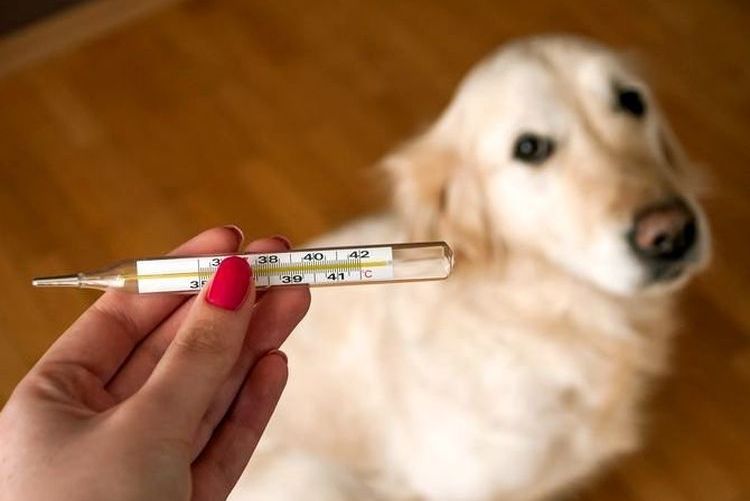
Then you need to measure the body temperature, taking into account that the optimal indicator is considered to be 37.4-39°A - this depends on the age and breed.
If your dog is lethargic and unresponsive, and the thermometer shows a critically low temperature, you should warm it up and take it to the veterinarian. Or at least consult a specialist over the phone.
If your temperature is slightly elevated, repeat the same measurements every two hours. If it becomes feverish, bring it down and consult a doctor. A normal temperature indicates the need for further testing.
The next step is a thorough examination of the peritoneum, which should not be tense and bloated, as well as the oral cavity (note any redness, spots, or broken teeth). In a healthy individual, the ear canals are clean, and the mucous membranes are pale pink.
A lethargic dog that won't eat its usual food most often requires professional help. The owner can only guess what's wrong with their pet, but a veterinarian makes the diagnosis.
The following manipulations will probably be required:
- endoscopy;
- ultrasound examination;
- X-ray;
- urine and blood tests.
What actions should the owner take?
You can restore your pet's appetite by addressing the underlying issue that led to the hunger strike. If the refusal is due to stress, you need to devote more time and attention to your pet. If the reason is a change in diet, it's best to return to the previous diet and introduce new foods gradually. It's important to maintain a consistent feeding and walking schedule. Try improving your pet's appetite by increasing the time spent on active walks.
Always monitor your pet's well-being so you can provide prompt assistance. Prompt action is key to your dog's health and longevity!
Veterinarian's advice if your dog is poisoned and refuses to eat: video
Read also:


Add a comment