
The dog doesn't want to go for a walk: why and what to do
Most often, pets eagerly anticipate walks and happily run outside to explore the world around them, interact with other dogs, and, of course, go potty. But what should you do if you notice your dog is reluctant or afraid to go outside, isn't looking forward to the upcoming walk, and, as soon as they're outside, rushes to "do their business" and runs home as quickly as possible? Today, we'll discuss why this problem arises and what owners can do to help their pet overcome it.
Content
How to understand that a dog doesn’t want to go for a walk
Every dog, like people, has its own unique personality and set of behavioral patterns to communicate with its owner. Therefore, each pet may express its reluctance in its own way.
Interesting fact! Not all dogs literally "want to go outside." Many small breeds are content with indoor activities and toileting, so they don't feel drawn to the outdoors, or even to other dogs.

But more often than not, the reason a dog doesn't want to go for walks outside is due to a previous negative experience associated with walks. In this case, a clear change in the pet's behavior can be observed.
You can tell that your dog has lost interest in walking by the following signs:
- The dog goes to its place or hides when it sees that its owner is going for a walk.
- On the street, the dog does not want to follow its owner on a leash (it stands or sits, constantly pulling towards the house).
- When trying to force it to move in any direction, the animal resists (may not respond to commands).
Important! If your dog refuses to walk, don't force it to go for a walk.
Animal psychologists recommend that owners facing this problem try to understand why their dog is reluctant or afraid to go for walks outside, and to approach the animal as gently as possible, distracting it from frightening moments and engaging it in other activities.
Possible reasons for reluctance to walk
There can be many reasons why a dog doesn't want to go for a walk. In this section, we'll list the possible issues a puppy or adult dog might encounter at different stages of life.
Lack of socialization
If you've recently adopted a puppy who spent 1-2 months in an apartment or confined space at a kennel, you should understand that the first walk is very stressful for such a little one.
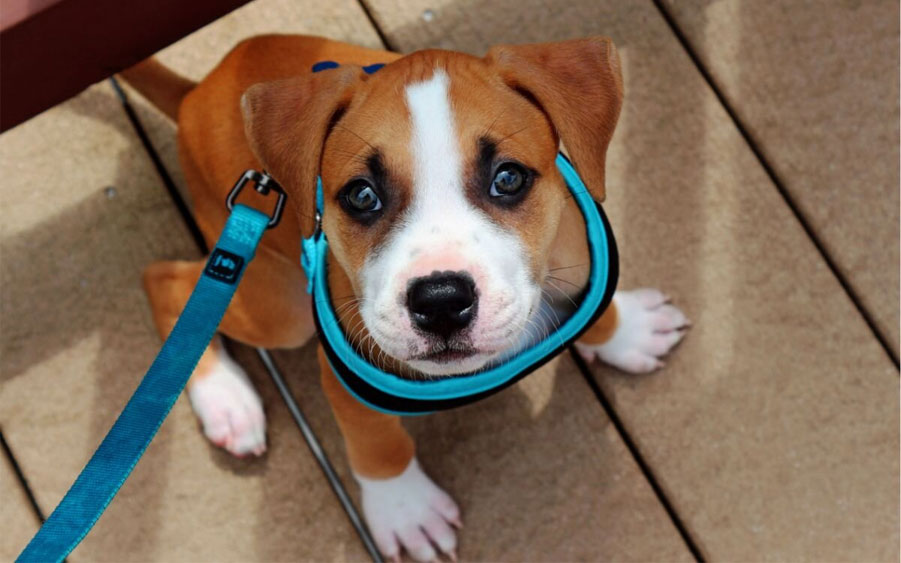
From the cozy and safe confines of the apartment, they find themselves in a completely unfamiliar world, filled with new sounds and smells, strangers, vehicles, and even other animals. That's why the first walks should take place in a secluded corner, and their introduction to the outside world and socialization should occur gradually.
A similar fear of the street can also be experienced by adult animals that:
- sat on a chain;
- were kept in shelters for a long time;
- were kept exclusively in an apartment (without regular walking).
Please note that it may take older dogs longer to get used to walking and going to the toilet outside.
Inconvenient ammunition
If you know for sure that your pet loves to go for walks, but you notice that he refuses to go after putting on new equipment (harness, collar, jumpsuit, shoes), then the problem may be in the new equipment.
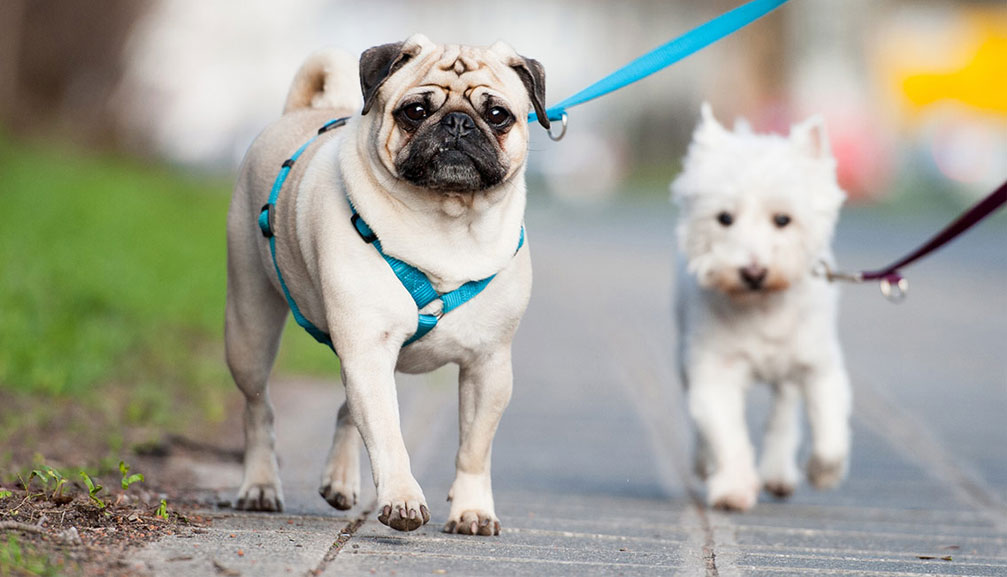
There may be two reasons why a dog refuses to walk in a new harness or jumpsuit:
- Discomfort from unfamiliar equipmentYou can cope with the discomfort by wearing the new item for a short time at home and distracting your pet with a favorite game.
- Painful sensations from an uncomfortable new outfitA harness or jumpsuit may not fit your dog properly or be improperly fitted, which can cause significant pain. Check your dog's body for any abrasions that could indicate this problem.
It's also worth considering that most dogs who haven't been accustomed to clothing since puppyhood strongly dislike wearing overalls and shoes. This requires patience and persistence.
Wrong escort
If a dog is used to being accompanied by its owner on walks, it may refuse to leave the house if another family member takes over the walk.
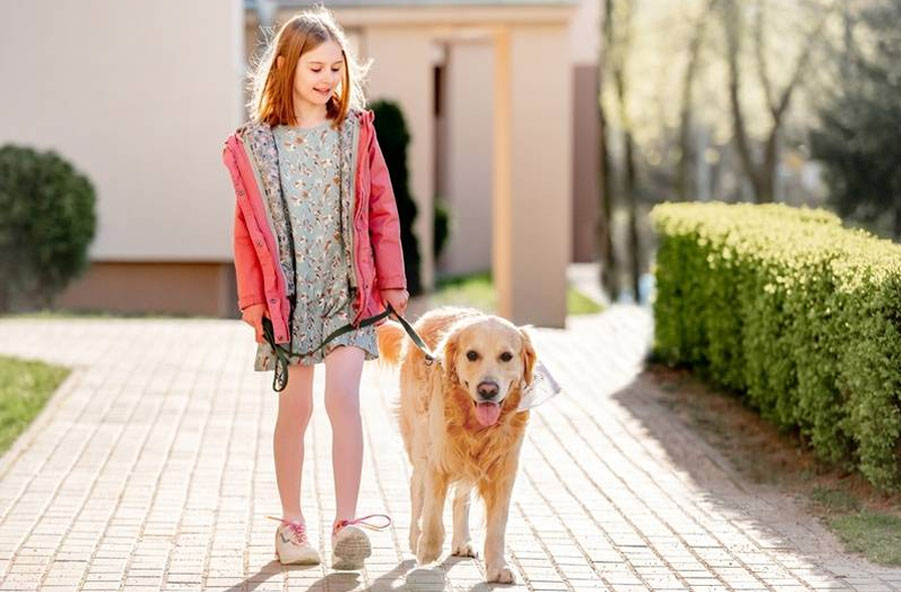
If you want to change the rules that have been established for years and entrust walking a large dog to a child or wife, it is recommended to first enroll in an obedience course, during which the "second" owner will establish a rapport with the animal and the dog will understand that it must obey this person just as it does its primary owner.
Bad weather
A fairly common reason why a dog doesn't want to go for a walk and instead runs home is uncomfortable outdoor conditions. Many dogs, regardless of breed, dislike walking in rain, snow, frost, or strong winds.
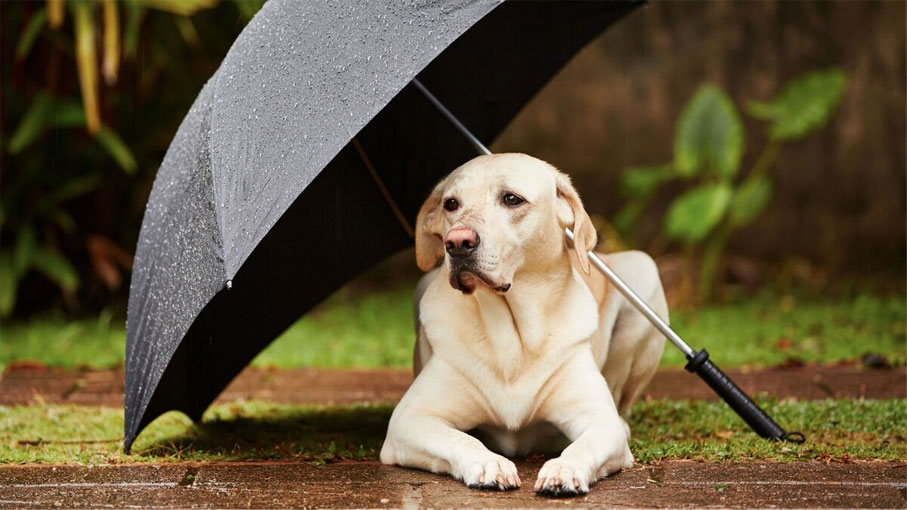
But there are some animals that even the most terrible weather can't stop them from enjoying a walk. Therefore, a dislike of puddles and raindrops usually develops from childhood, and owners are well aware of this pet's dislike.
Lunchtime walks in the summer heat are also uncomfortable for dogs. If you notice your dog is reluctant to go for a walk on a hot day, simply move the walk to a cooler time and avoid creating too much of a difference between the air-conditioned room and the outdoors.
Negative experience
If your pet was attacked by another dog or was seriously frightened by something during a walk, the reason for its reluctance to leave the house is quite simple – fear of repeating the negative experience.
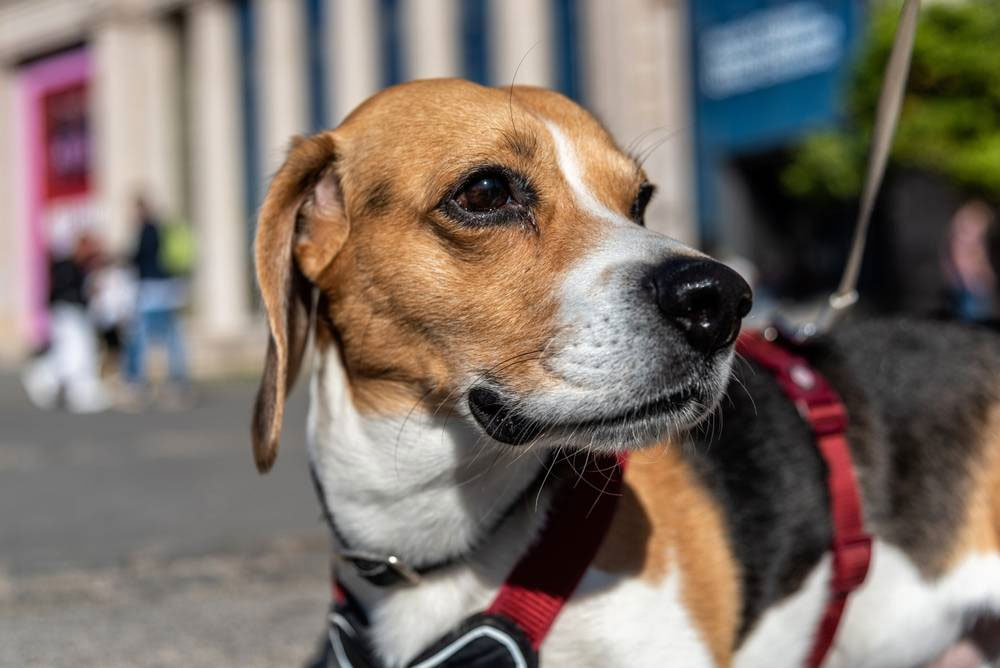
Of course, not every dog will refuse to leave the house after being frightened once. More likely, this effect can be achieved by repeatedly reinforcing the unpleasant experience. For example:
- The owner takes the dog for injections every lunchtime throughout the week. Once a bond has been established, the pet may refuse to go out with the owner specifically for lunchtime walks.
- While walking, you often encounter an aggressive dog in a certain corner of the park. As a result, your pet may at some point refuse to walk along that particular path.
Feeling unwell
If a dog is apathetic and refuses to go for a walk, this may indicate that the pet is not feeling well.
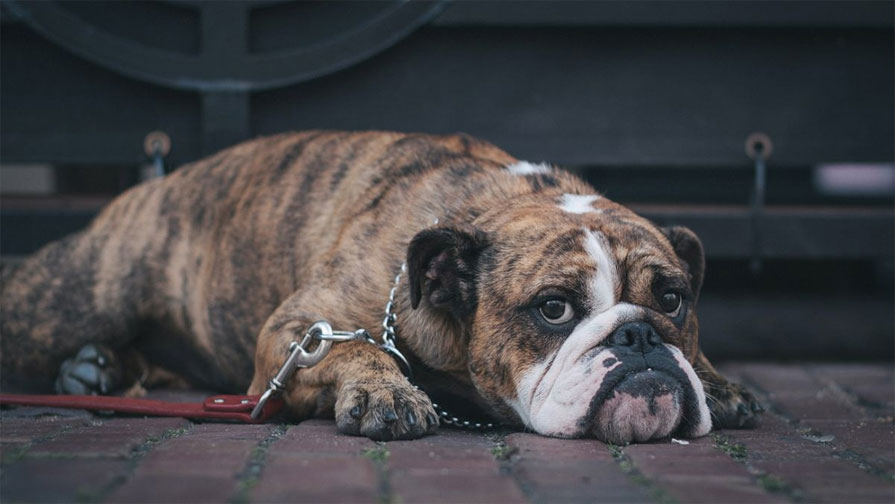
In particular, refusal to go for walks is possible:
- for various pain syndromes;
- against the background of a decline in strength;
- shortly before birth;
- with Cushing's syndrome and other hormonal disorders;
- in older animals.
If you can't immediately determine the reason why your dog refuses to go for a walk, you should contact a veterinarian for an examination.
Dogs are capable of feeling emotions. Often, a pet refuses to go for a walk due to the prolonged absence of its beloved owner. In this situation, it's worth consulting a zoopsychologist, who can advise on what to do if the dog is sad and doesn't want to go for a walk, and how to help the pet.
What to do if your dog doesn't want to go for a walk
Veterinarians and animal psychologists advise:
- Do not force your pet!
- Try to find out the reason for the change in behavior.
- Check the dog's health.
- Change the walking schedule (for example, on hot summer days, walk in the evening instead of at lunchtime, and if it is raining outside, choose a time with the least precipitation and no thunder).
- Review your walking route.
- Minimize stress for the animal during walks.
- Any changes in the dog's usual life should be made gradually (new guide, new equipment, new routes, etc.).
- Constantly work on socializing the dog.
- Train your dog regularly and teach it to focus on its owner and not on its surroundings.
- Work on your pet's fears and phobias under the supervision of an experienced animal psychologist.
Breeders' Advice
Read also:
- Why do dogs turn grey?
- Why does my dog dig holes in my yard and what should I do?
- My dog is biting its claws: why and what to do


Add a comment