
My dog snorts: why and what to do
If you notice your dog snorting, making unusual noises while sleeping, or gasping for breath during exercise, it's important to quickly determine the cause. In this article, we'll explore possible causes of wheezing and grunting sounds. However, only a veterinarian can make an accurate diagnosis and prescribe the correct treatment. Therefore, don't delay a visit to the vet or self-medicate.
Content
Symptoms of the problem
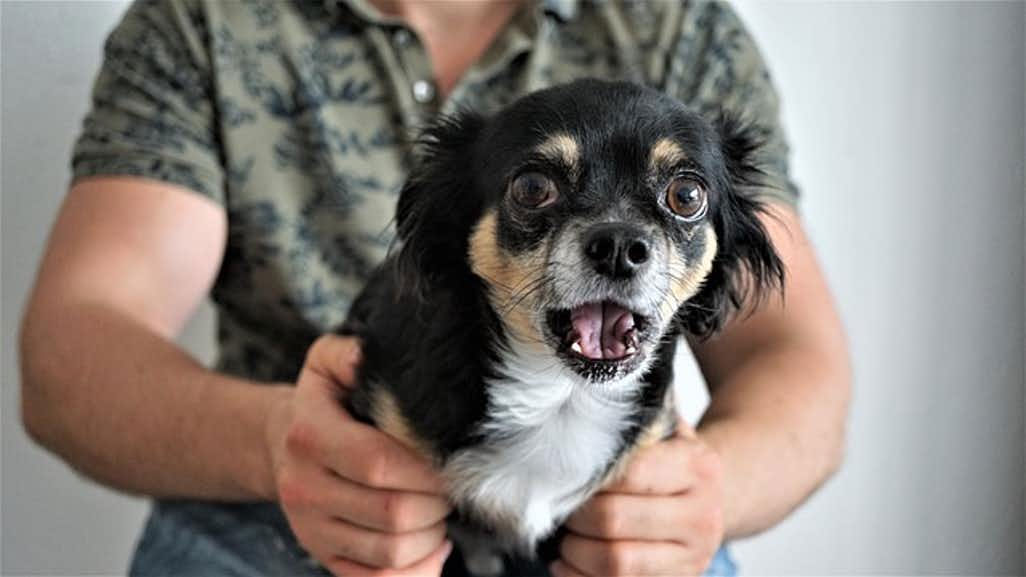
Owners often come to the clinic complaining of their dog snorting and appearing to be choking. However, most owners are unable to describe these episodes in detail, which complicates diagnosis and understanding the underlying problem.
To help your veterinarian assess the full picture, try preparing a short video of the seizure and answers to the following questions before your visit to the clinic:
- How long has the problem been present?
- How often do attacks occur?
- Is there a pattern to their appearance (during sleep, after sleep, after activity, during or after eating, etc.)?
- Are there any other health complaints in your pet (symptoms of a viral infection, digestive upset, lethargy, etc.)?
- Does the dog have any chronic illnesses?
Possible reasons
There are many situations in which a dog sniffles, sneezes, and makes wheezing sounds. Some are harmless, while others require immediate attention. Therefore, if you can take your dog to the vet, it's best to consult a specialist rather than waste time trying to figure out the underlying cause yourself.
Here are just some of the possible reasons why a dog grunts, snores, and sniffles.
Brachycephalic type
Over the course of evolution, the structure of the nasopharynx in brachycephalic dogs has changed significantly. These animals have shortened nasal passages, which leads to a number of breathing problems.
The brachycephalic type includes the following breeds:
- Pug;
- English Bulldog;
- French Bulldog;
- Shu-tsu;
- Pekingese;
- Boxer;
- Shar Pei.
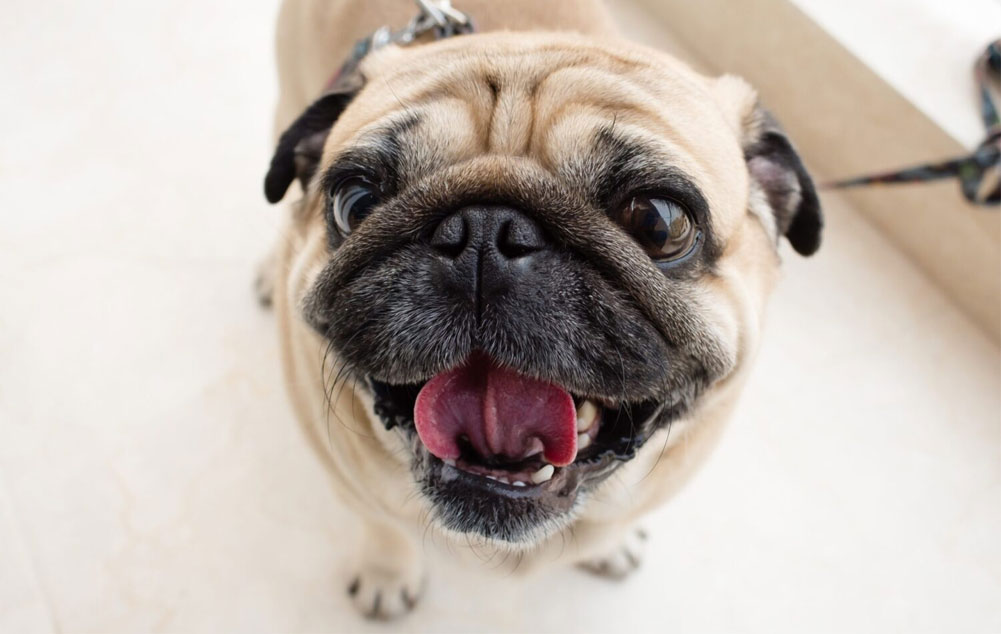
For dogs of the brachycephalic breed, it is normal for the dog to snore while sleeping or grunt during physical activity.
Although the structural features of the nasal passages do not interfere with the normal life of most animals, veterinarians warn that any brachycephalic breed is at risk of developing diseases such as:
- hyperplasia of the soft palate;
- tracheal collapse;
- stenosis of the nostrils;
- eversion of the laryngeal saccules.
That's why a veterinarian should determine why a brachycephalic dog snorts. Don't simply attribute the snoring to the fact that the breed is brachycephalic. If the dog is having difficulty breathing, snoring constantly, and gasping for air, surgery may be recommended to address the underlying causes of the respiratory distress.
Reverse sneezing
A reverse sneeze occurs when a dog tries to quickly inhale air through its nose.
For owners encountering the problem for the first time, the attack can be frightening. The dog spreads its front paws, stretches its neck, and inhales intensely with a wheezing sound, as if choking or suffocating.
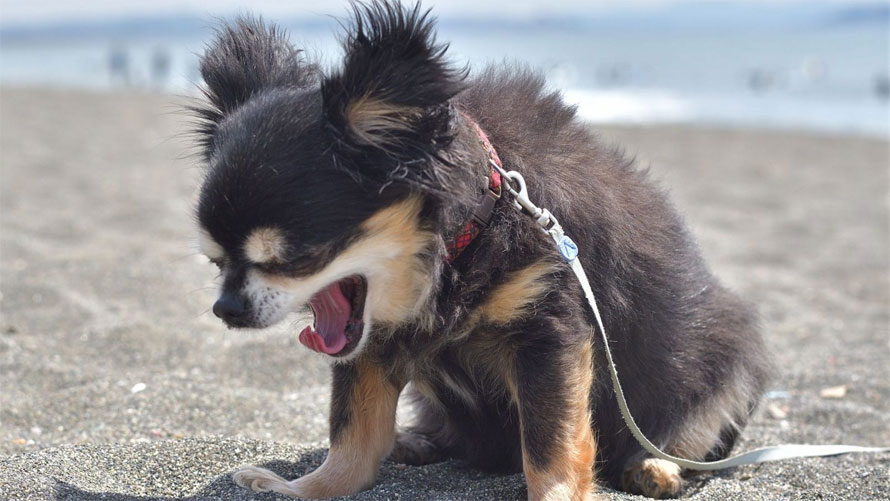
Scientists are still trying to understand why it occurs reverse sneezing, but we are confident that such occasional attacks pose no danger to the pet. The most likely causes include:
- irritation of the mucous membrane by strong odors;
- excessive impulsiveness, typical of small breeds such as York, Spitz, Chihuahua;
- hasty swallowing of food or water;
- helminthic infestation (as a rule, in this case, dogs experience attacks only at night).
If reverse sneezing occurs infrequently and the dog otherwise appears to be fine, there's no need to worry. However, if the episodes become more frequent, and are followed by lethargy, heavy breathing, and refusal to eat, it's essential to consult a veterinarian to determine the cause.
Viral infection
The second fairly common cause of snorting and sneezing is the onset of a viral infection. If the mucous membranes are affected, you may notice:
- presence of snot (nasal discharge);
- sneezing (occurs when receptors are irritated);
- cough (as a rule, a dog coughs if the inflammatory process is not limited to the nasal passages and throat, but descends to the bronchi and lungs).
If a viral infection is suspected, it's important to assess the animal's general condition and monitor its temperature. Readings above 39.0°C (102.5°F) should be a warning sign.
For adult dogs of different breeds, the normal body temperature varies:
|
Small and dwarf |
38.5 – 39.0℃ |
|
Average |
37.5 – 39.0℃ |
|
Large and gigantic |
37.4 – 38.3℃ |
Remember that some viruses pose a serious threat to a dog's life! Puppies and unvaccinated adult dogs are particularly at risk.
Treatment for a viral infection should be tailored to the specific pathogen, so a visit to the veterinarian is essential. If the symptoms described above are accompanied by gastrointestinal upset (diarrhea, vomiting), a visit to the veterinarian is essential.
Foreign body in the nose
If a dog has a stuffy nose, constant sneezing, and discharge (snot), the cause may be a foreign object that the animal may have accidentally inhaled at home or while out for a walk.
Particularly dangerous are grass spikes—dry fragments of grass with unidirectional barbs. This means that if the spike gets stuck under the skin (or in the nasal passage), it can only move in one direction. A dog will not be able to get rid of this problem on its own. Without veterinary assistance, the spike will cause severe inflammation and suppuration in the area of infestation, which can be potentially life-threatening.
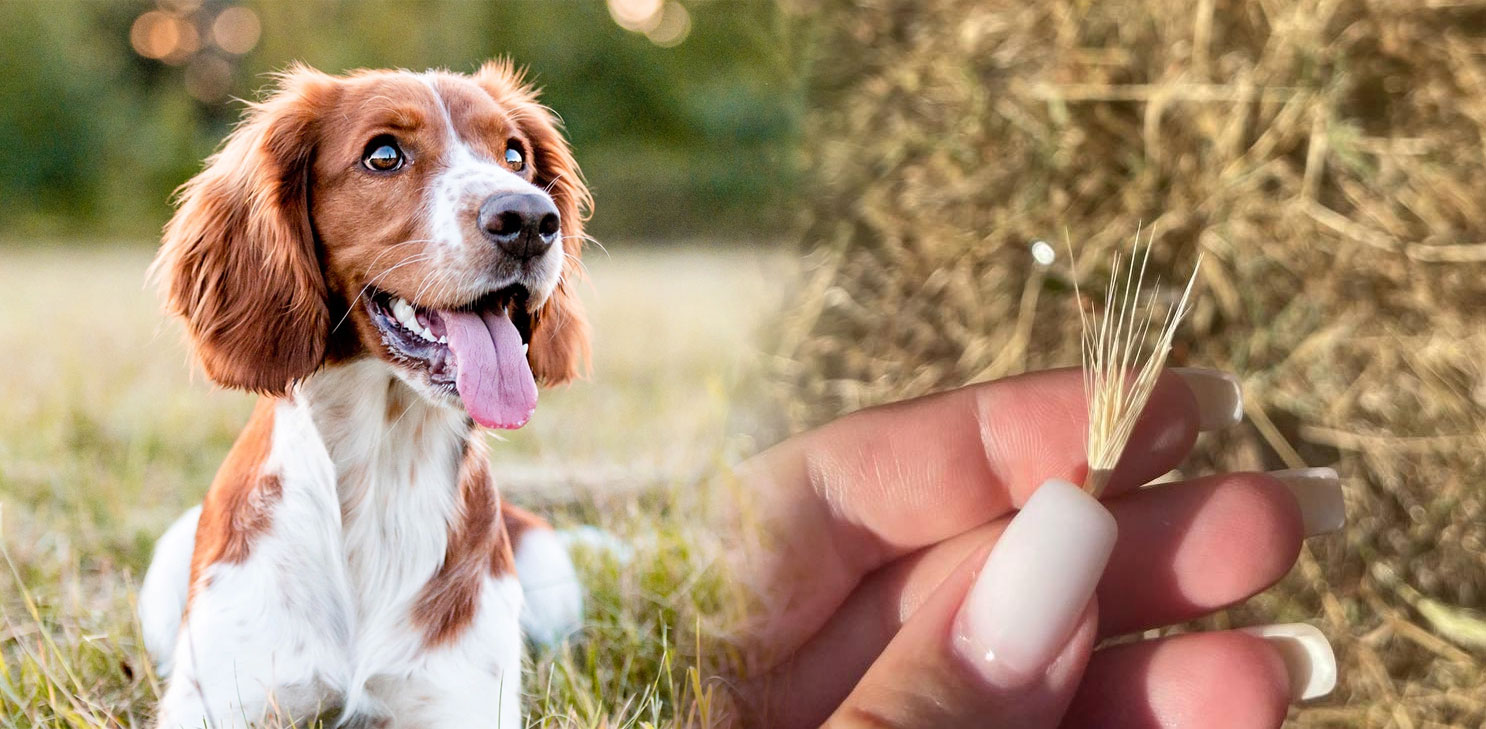
The foreign body must be removed from the new canal as quickly as possible. The procedure is typically performed under general anesthesia, as a frightened animal may resist and prevent the doctor from calmly performing the painstaking work of removing the foreign body.
Heart problems
Another reason why a small Chihuahua or a huge Mastiff constantly grunts, snores, and chokes may be a problem with the cardiovascular system.
The following symptoms indicate heart problems:
- heavy breathing (sometimes with wheezing);
- shortness of breath with minor physical exertion;
- rapid fatigue;
- cyanosis of the mucous membranes during an attack.
Cardiovascular disease can only be diagnosed in a clinical setting! A dog that has suffered a heart attack or exhibits characteristic symptoms must be taken to a clinic as quickly as possible for emergency care and diagnostic testing.
Diagnostics
At the clinic, the veterinarian first collects a medical history and conducts an examination: he or she clarifies the presence of chronic diseases, vaccinations, antiparasitic treatment, diet, and the time of onset of symptoms.
Regardless of the cause of snoring or grunting, the dog will usually be given a complete blood count and an x-ray of the respiratory tract.
If necessary, additional diagnostics are performed: PCR to detect infections (adenovirus, bordetellosis, parainfluenza, mycoplasmosis, chlamydia, etc.), CT, MRI, and rhinoscopy to detect tumors, foreign bodies, and polyps. If neoplasms are detected, cytological and histological examinations are performed. Some procedures require anesthesia.
What the owner can and should do
Concerned about their pet's health, owners wonder what to do if their dog is snorting, sneezing, or choking?
The algorithm of actions is clear and quite simple:
- Assess the dog's general condition for any dangerous symptoms (heavy or shallow breathing, pale mucous membranes, loss of coordination).
- Secure the animal so that the dog does not accidentally harm itself.
- Film the attack (this is necessary for the veterinarian to make a diagnosis).
- Contact your veterinarian for further instructions (if the seizure has been stopped and there are no threatening symptoms) or take the animal to the nearest veterinary clinic (if the dog needs emergency care).
Read also:
- Tracheitis in dogs: symptoms, treatment and prevention
- Bordetellosis in dogs: symptoms and treatment
- Bronchial asthma in dogs


Add a comment