
The dog is limping: why and what to do
If you notice your dog limping on a front or back leg, you need to find the cause of the lameness as quickly as possible to understand why this problem occurred and what to do to help the animal.
Content
Possible causes of lameness
Important! Lameness is a symptom, not a diagnosis. If there are no obvious causes for pain in the paw, only a veterinarian can determine the cause of a dog's limping. Sometimes this may require more than just an examination, but a number of additional tests.
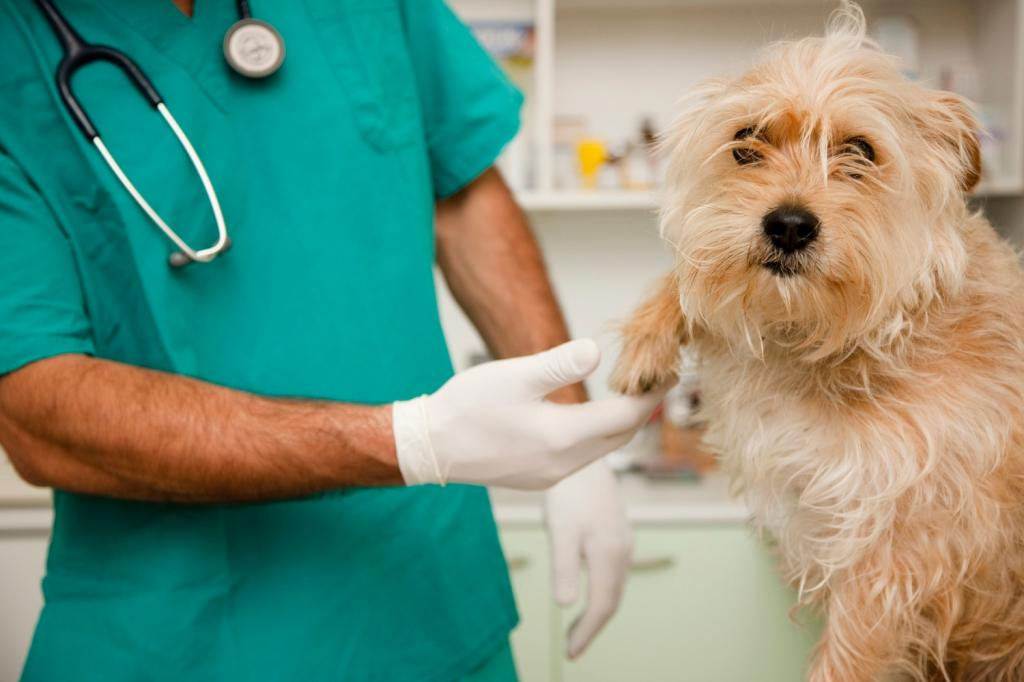
Possible causes of lameness include:
- pain after an intramuscular injection (lameness during the day may be observed after an unsuccessful intramuscular injection or administration of medications);
- various injuries (bruises, cuts, burns, cracks and fractures of bones, foreign bodies);
- developmental anomalies (congenital lameness is obvious when the puppy begins to stand on its paws);
- genetic pathologies (unlike congenital lameness, they may appear as the puppy grows older);
- inflammatory processes of various localizations;
- degenerative changes in the joints;
- thrombosis of the extremities;
- diseases of the nervous system;
- neoplasms (benign or malignant).
As you can see, there are many reasons why a dog limps (constantly or periodically) on its front or back leg.
Assessing the nature of pain
The first thing an owner can do before visiting a veterinarian is to assess the location and severity of the pain:
- the dog limps slightly, which affects its gait during leisurely walking or intense exercise;
- the animal tucks its paw in (constantly or periodically does not stand on it);
- The dog is nervous, rushes about and does not allow the owner to touch the limb.
Important! Even if your dog isn't limping significantly and allows the owner to examine it, don't delay a visit to the vet. Remember that any lameness is caused by pain. The longer you spend trying to find the cause yourself, the more pain your pet will have to endure. In some cases (such as a fracture), delaying the recovery can significantly complicate the rehabilitation process.
The dog is limping - the most common reasons
Next, we will consider the possible causes of lameness, characteristic symptoms and diagnostic methods used.
Cuts and foreign bodies
We won't go into detail about common injuries like paw pad cuts. The problem is obvious during the initial examination and can be resolved with standard wound care and a bandage to prevent contamination.
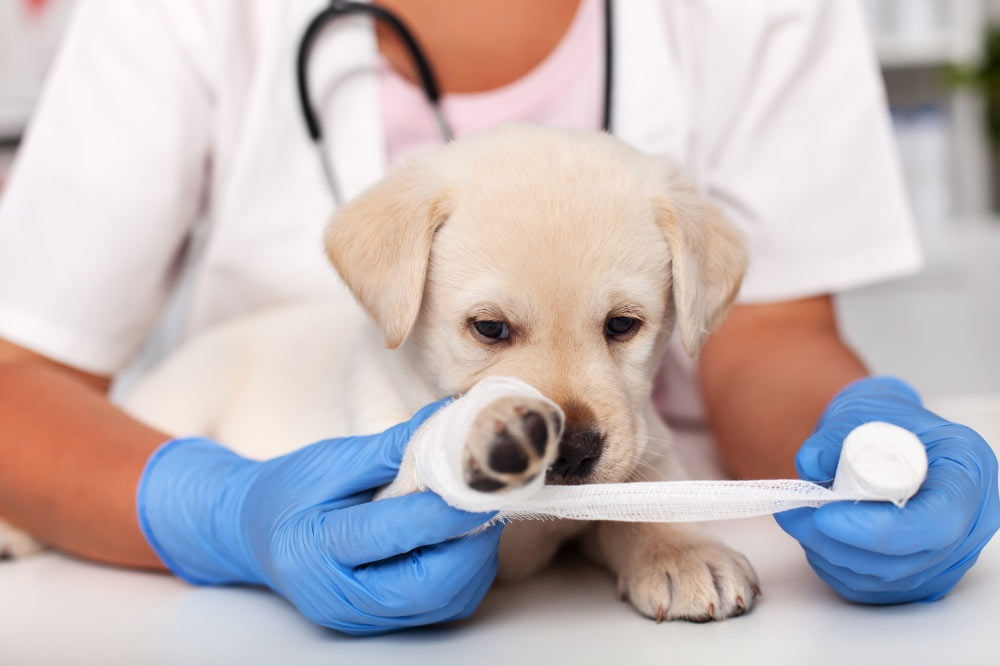
A foreign body—a splinter or a splinter (a sharp blade of grass common in southern regions)—can cause far more problems. The main problem is the inability to visually determine why the dog is experiencing pain when stepping on its paw and what exactly is causing the acute pain.
A stump of dried hordeum leporinum (hare grass), once completely embedded in the skin, can continue to move, changing location. In this case, only limping may appear on the first day, while swelling and suppuration at the site of the foreign body develop only over time. Treatment is surgical, and the sooner the stump is removed, the faster and easier the recovery process. However, your veterinarian will most likely recommend a course of antibiotics.

Bone cracks and fractures
A fairly common problem, especially in small breed dogs. If a perfectly healthy dog suddenly limps on its front paw after jumping from a height or tucks one paw in after playing too vigorously with its fellow dogs, a limb injury may be suspected.
Symptoms may include:
- sudden onset of lameness (or complete refusal to use a limb);
- severe pain;
- tissue swelling (may not occur with a crack or closed fracture);
- unnatural position of the paw;
- hematoma (due to bone displacement).
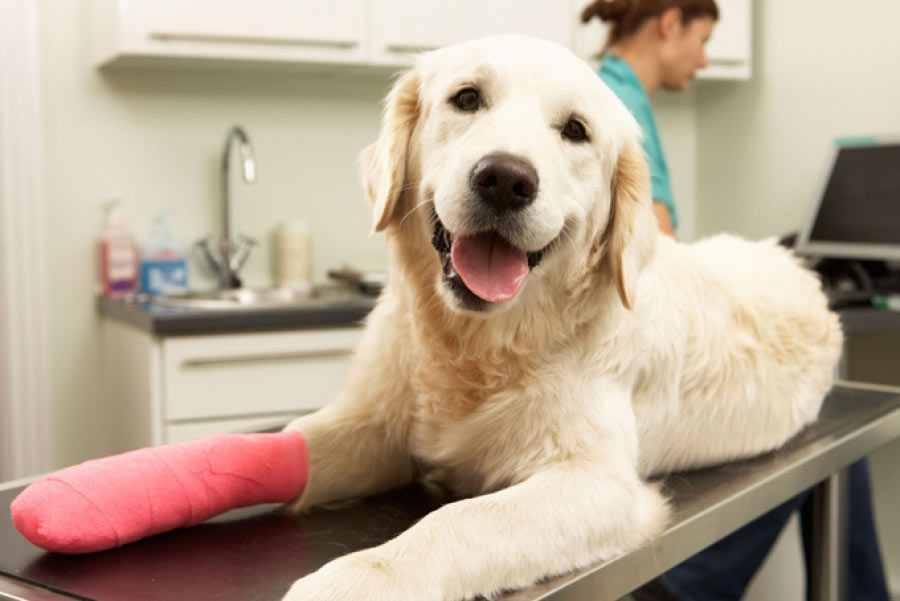
Important! These symptoms require immediate medical attention. It's important not to aggravate your pet's condition during transport.
If a small dog is limping, you can carefully carry it to the car. If a Labrador is limping or unable to walk, things are much more difficult. Don't force a dog down the stairs! It's better to carry it on a blanket. Be sure to lay the dog down on its healthy side. If going up and down stairs isn't an option, you can help the dog by supporting its belly with a towel.
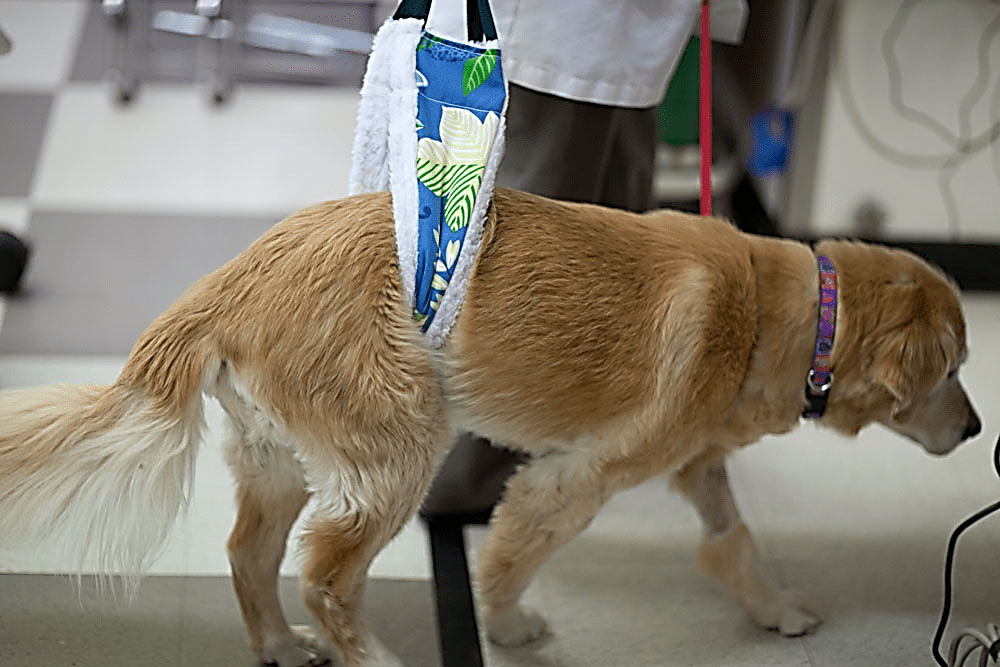
Remember! When experiencing severe pain, a dog is disoriented, doesn't understand the cause of what's happening, and may associate the pain with your actions and become aggressive. Therefore, it is recommended to muzzle the animal before transporting it.
X-rays are used to diagnose injuries. Modern clinics typically have specialized equipment, so there's no need to take your dog anywhere else. Skimping on the examination isn't a good idea, as only an X-ray can tell the doctor exactly what's wrong (a bruise, etc.). ligament rupture, crack or fracture), and also assess the location of the injury to choose the correct treatment method.
Typically, treatment includes:
- painkillers;
- nonsteroidal anti-inflammatory drugs;
- plaster casting of the limb.
Complex fractures may require surgery under general anesthesia.
Joint pain
If a dog limps on a hind or front leg due to joint pain, the lameness may be less pronounced in the early stages of the disease. It may appear after sleep, a long walk, vigorous play, or other physical activity. Everything depends on the underlying cause and location of the inflammatory process.
Symptoms of joint pain include:
- lameness (from slight limping and sparing use of the limb to constant drawing in of the paw, depending on the intensity of pain);
- swelling in the area of the affected joint;
- muscle atrophy, which is visually visible with prolonged gentle use of the limb;
- decreased mobility in the joint;
- elevated temperature (in acute inflammation).
Additional tests can help assess the joint's condition and make a diagnosis. Your veterinarian may recommend an X-ray or MRI, as well as a joint fluid analysis. Due to the specific nature of X-rays for some joints, sedation may be necessary.
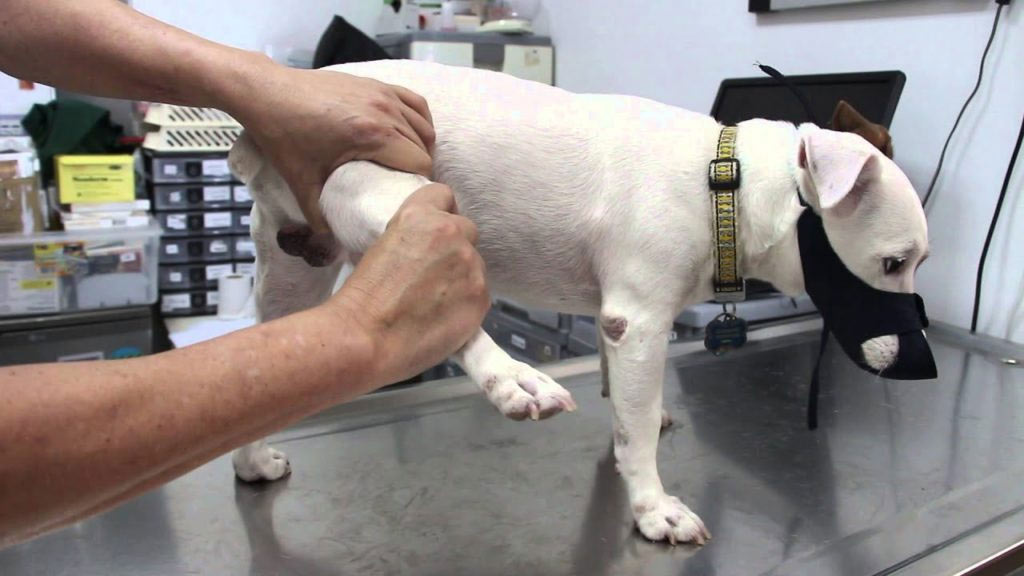
Among the most common joint diseases, veterinarians note:
- arthritis;
- osteoarthritis;
- arthrosis;
- osteoarthritis;
- hereditary hip dysplasia.
Many people mistakenly believe that joint problems can only appear in older animals, but in reality, many diseases are diagnosed in puppies as well. For example, hereditary dysplasia, suppurative arthritis, dissecting osteochondrosis, and many others. Therefore, as soon as you notice your dog limping, hesitating, or experiencing a change in gait, it's essential to consult a specialist as soon as possible for a proper diagnosis.
Problems with the nervous system
The source of pain in the paws can be:
- problems with the spine (including intervertebral hernia);
- pinched nerve;
- inflammation involving nerve endings;
- hereditary predisposition to vertebral degeneration.
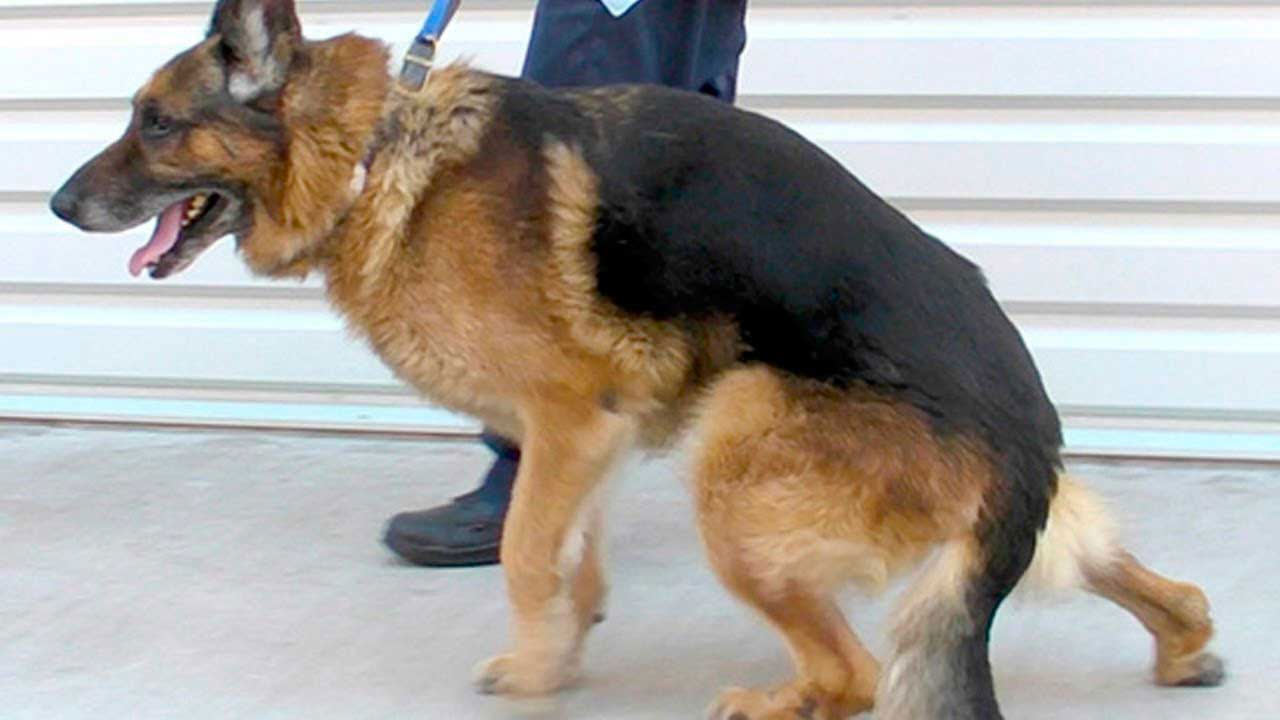
It's impossible to diagnose such diseases on your own, which is why any sign of lameness in your pet requires immediate medical attention. It's best to see a specialist who knows how to diagnose nervous system and musculoskeletal disorders in dogs of all breeds.
Conclusion
If the problem appeared suddenly, it is recommended:
- minimize the animal’s independent movement, ensure rest for the limb;
- contact your veterinarian and follow his or her instructions;
- Do not rush to give your dog pain medication if a visit to the doctor is possible in the near future.
Now you know what to do if your dog is limping, what to look for first, and what diagnostic methods a specialist can recommend.
Read also:
- Discopathy in Dogs: Symptoms and Treatment
- Hind Limb Paralysis in Dogs: Symptoms and Treatment
- Lumps on a dog's hind legs: causes and treatment


Add a comment