
My dog is biting its claws: why and what to do
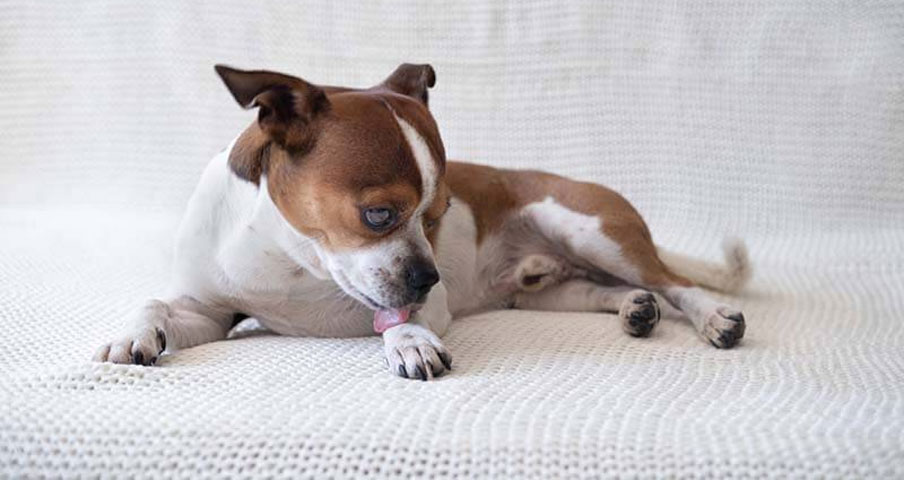
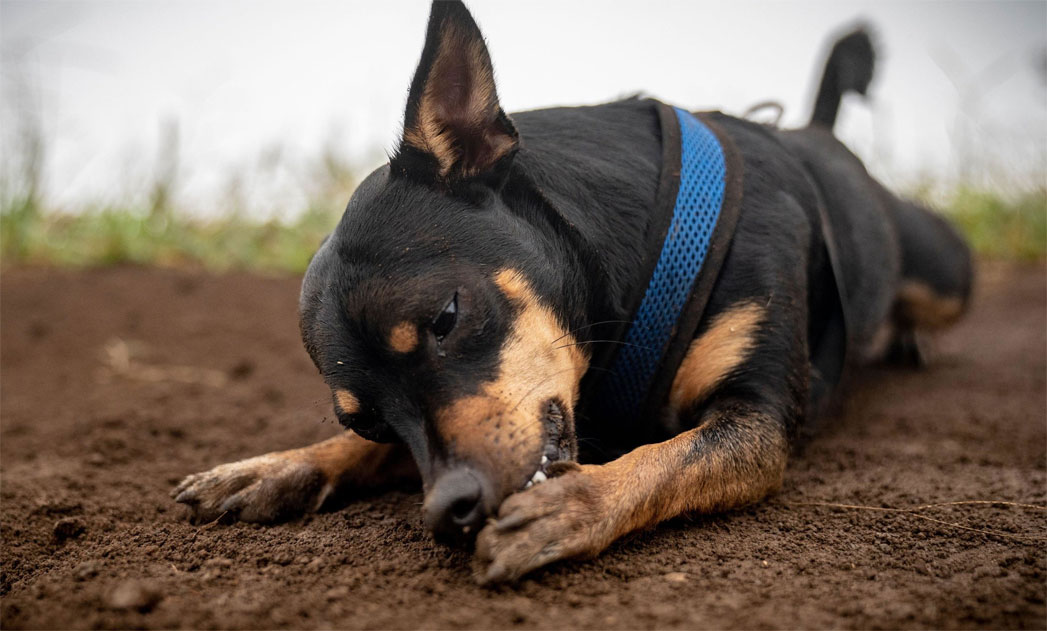
Have you noticed your dog frequently chewing their nails and paws, and are you concerned about whether this behavior is a symptom of an underlying medical condition? We'll explain why pets sometimes lick their paws or bite their nails, the potential consequences of this behavior, and what owners can do to break their dog of this undesirable habit.
Content
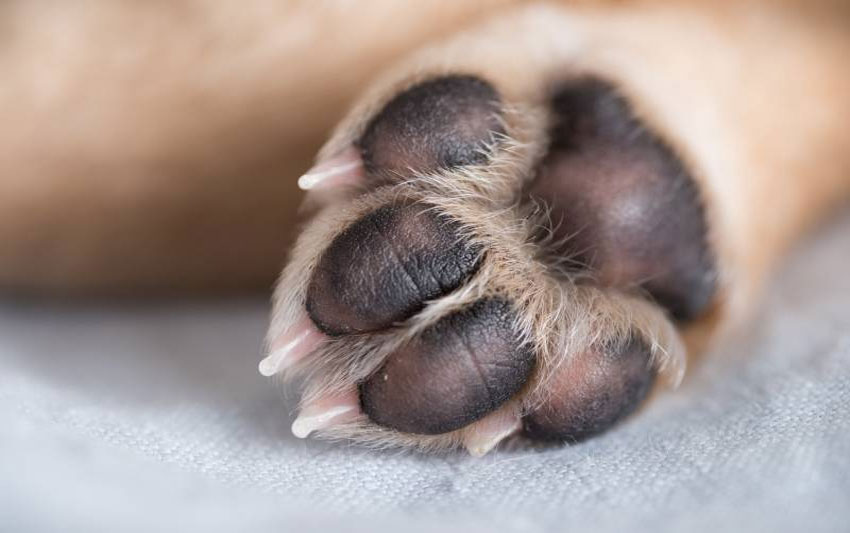
Features of dog paws
To understand why a dog chews its paws and claws, and what in this area might be causing the animal discomfort, it is important to understand the structure of a dog's paws.
Dogs are digitigrade animals, meaning that most of the weight bearing when walking falls on the toes of their front and back paws.
Interesting facts:
- The pads on the paws act as shock absorbers, reducing the load on the joints.
- Blood circulation in dogs' paws is truly unique, allowing them to stay warm when walking on cold surfaces, snow, and puddles.
- The more time a dog spends outside, the rougher and more resistant to damage the skin of its pads will be (in city "homebodies" it is very delicate and easily damaged).
- On the inside of a dog's paws there are sweat glands, the secretion of which provides additional cooling and also serves as a kind of territorial mark (dogs often scratch the ground with their claws when leaving such marks).
- The dewclaw on the hind paw is not involved in walking, but can be easily injured, so the standard for most breeds stipulates the removal of dewclaws in puppyhood.
- Some dogs have webbing between their toes (this feature is typical for Labradors, Newfoundlands, Huskies, Malamutes, and their crossbreeds).
- Pets' paws may smell like potato chips or popcorn. This effect is caused by bacteria of the genus Proteus, which are part of the normal microflora of dogs and cats.
When should interest in paws raise concern?
Sometimes you may notice your dog chewing or licking its paws and claws, but this behavior is not always pathological.
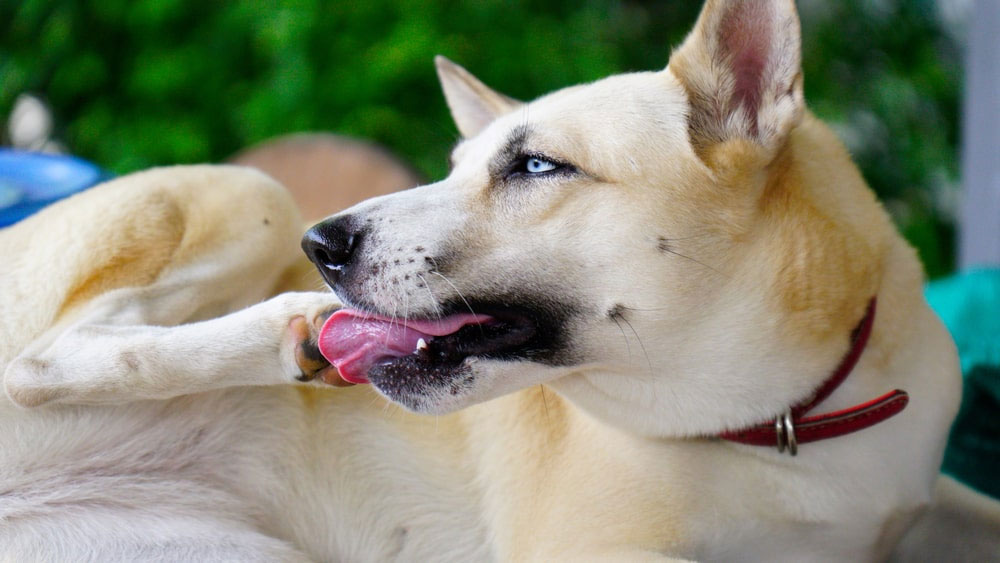
You should pay special attention to your pet's health if the dog:
- spends too much time licking or tries to bite paws constantly, leading to inflammation and damage to the skin;
- shows restlessness when biting a paw, which may indicate severe itching or pain;
- does not allow the owner to examine the problem area, which may indicate the presence of acute pain syndrome.
The main causes of the problem
In fact, there are many reasons why dogs chew their paws and nails. It's not always possible to reliably identify the problem through a visual examination at home, as diagnosing some conditions requires laboratory and instrumental tests that can only be performed in a veterinary clinic.
Below, we'll list the main reasons why dogs chew their nails and constantly lick their paws. We'll also explain when identifying and eliminating the root cause of your pet's discomfort is possible at home, and when it's necessary to contact a specialist as soon as possible.
Overgrown claws
Owners often believe that long walks with their pet can solve the problem of overgrown claws, but in most cases, claws wear down unevenly on the pavement due to the peculiarities of the paw structure.
Overgrown nails can cause discomfort when walking. They increase the strain on the joints and muscles, which subsequently causes pain, which in turn leads to the dog chewing on its long nails.
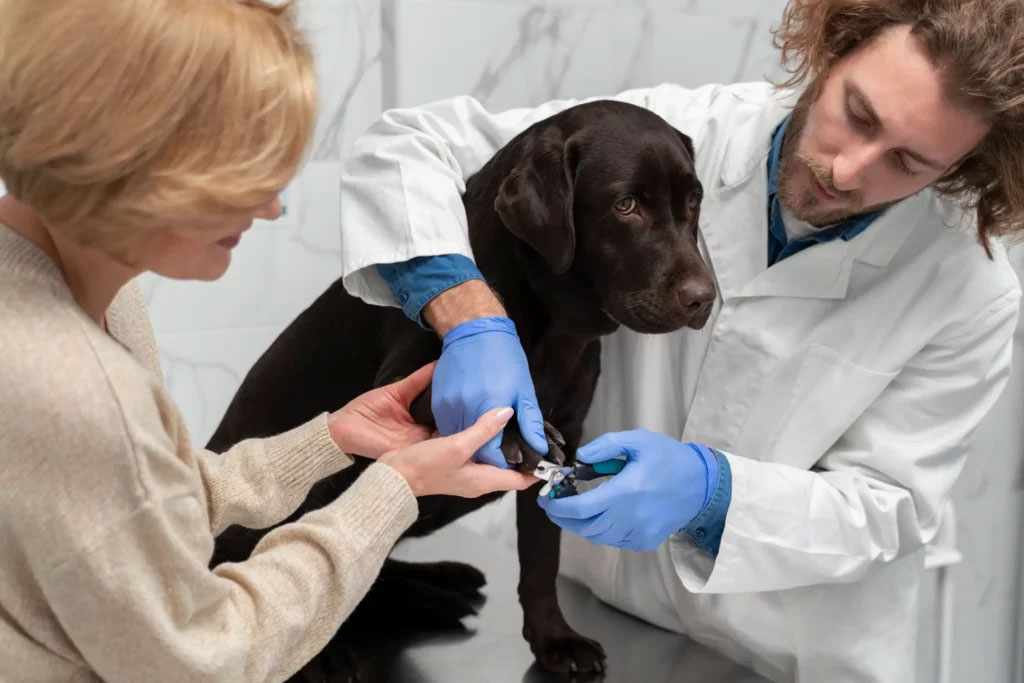
The problem can be identified during an examination. Treatment is not required; trimming the nails and maintaining them at a normal length is sufficient.
Nail care is an important part of regular hygiene for dogs of any breed! You can fix this problem yourself or visit a veterinarian or grooming salon. We've previously covered in detail how to trim your dog's nails at home.
Injuries
During active running, playing with other dogs, scratching the ground with claws, digging holes, or simply walking on asphalt that is too hot or treated with reagents, a dog can injure its claws or paw pads.
Most often, veterinarians note the following types of injuries:
- cuts and scratches;
- bone fractures and cracks;
- deep cracks in the paw pads;
- splinters (including piercing of paws by sharp splinters, which can penetrate under the skin, causing suppuration);
- damage to the nail in a sensitive area or growth zone;
- trauma to the "dex fingers";
- chemical burns of the skin on the inside of the paws after contact with reagents during cold periods;
- thermal burns of the paw pads on hot summer days;
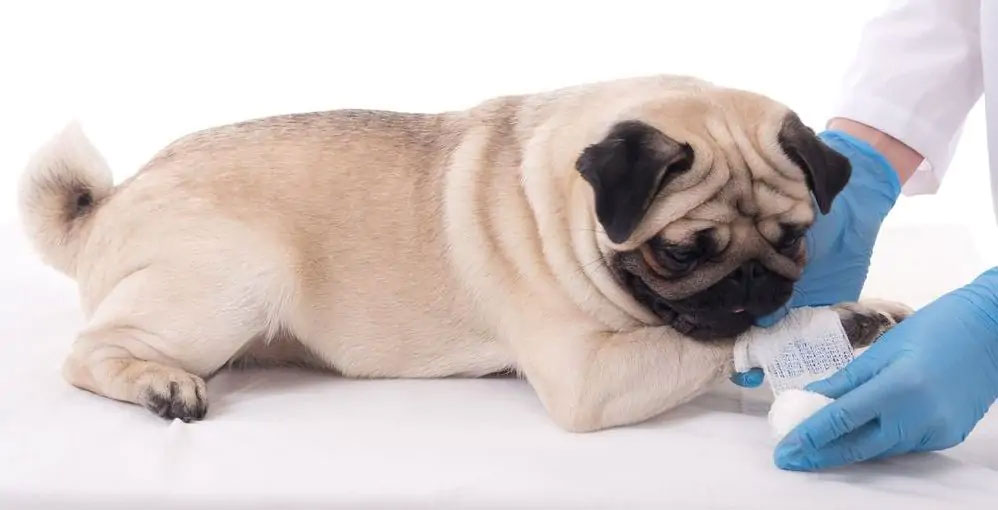
The problem can be seen by examining the paws at home, but in some situations (a spike or a splinter under the skin, a deep cut or a serious nail injury) the help of a veterinarian cannot be avoided.
Skin diseases
Most often, an adult dog or puppy licks their paws intensely due to a fungal infection, which causes intense itching. Keep in mind that a fungal infection can affect just one paw or spread to different areas of the body.
Symptoms of mycosis:
- itching;
- swelling in the affected area;
- redness and peeling of the skin;
- changes in the color and structure of the claws (dogs' claws can also be affected by fungus, just like human nails);
- changes in the structure of the fur in the affected area or baldness of areas of the paws.
A visual examination may suggest a fungal infection, but it's impossible to accurately identify the causative agent without laboratory testing. After your visit to the clinic, the vet will conduct a comprehensive diagnosis (using a UV lamp to detect the fungus, perform a culture, and other tests) and prescribe an effective treatment, which may include an antifungal vaccine and topical paw treatment.
Important! Some types of fungi can be easily transmitted to humans, so dogs suspected of having mycosis should be kept away from children and other pets.
Prevention of fungus includes proper hygiene of the animal's paws, a balanced diet, and maintaining the normal functioning of the immune system.
Allergic reaction
Itching, redness, and rashes around the paws can also be caused by an allergic reaction. Most often, these symptoms are caused by contact allergies to household cleaning chemicals, as well as road treatments used during the winter months.
It is quite difficult to distinguish between an allergy and a fungal infection without laboratory tests, so only a doctor should conduct a diagnosis and prescribe treatment.
Insect and parasite bites
The paw area can be parasitized by:
- fleas;
- pliers;
- Demodex (subcutaneous mite).
A dog's anxiety may also be caused by a painful bee, wasp, or horsefly sting.
Other diseases
Sometimes it's simply impossible to understand why a dog is biting its nails and what exactly is bothering it without a full examination, as the causes may lie in the functioning of the circulatory system, bones and joints, or the peripheral nervous system.
A dog may feel discomfort or even pain in its paws due to problems such as:
- circulatory disorder;
- hormonal imbalance;
- pinched or inflamed nerve;
- arthritis or arthrosis of the joints;
- dislocations and displacements;
- neoplasms (benign or malignant).
To establish these and many other diagnoses, special research methods are required, so a visit to the clinic is necessary.
Stress
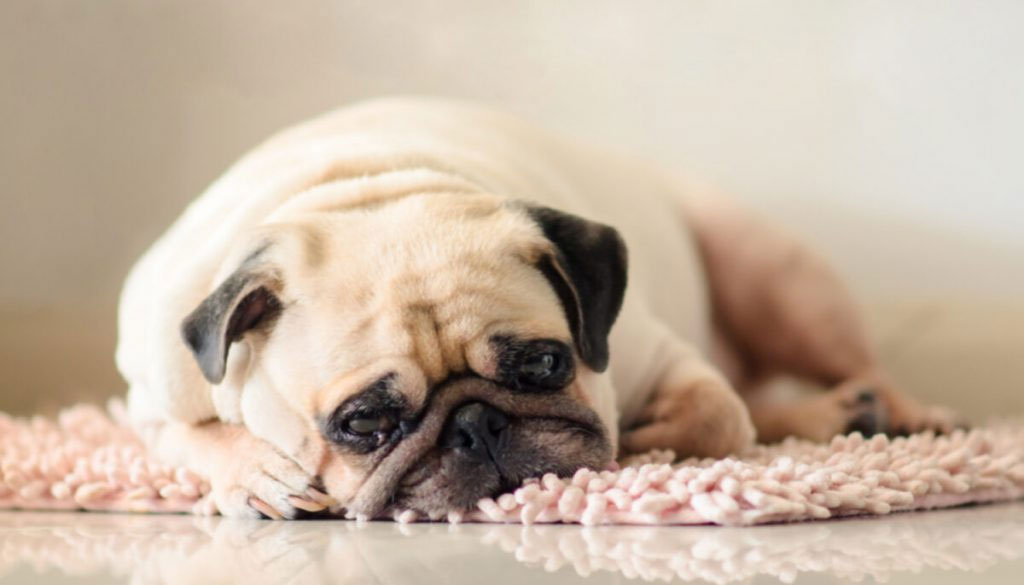
A diagnosis of neurosis and the conclusion that a dog is biting its nails due to stress can only be made after ruling out all the causes described above, so a comprehensive examination of the animal is essential.
We discussed the main causes of stress, as well as possible methods for dealing with such conditions in detail in the article “What are dogs most afraid of?".
How to stop a dog from biting its nails
The main advice is that in order for a dog to stop biting its claws and licking its paws, it is necessary to find out why the problem arose and eliminate the causes of the animal’s anxiety.
If the cause is stress or a bad habit that developed over a long period of illness, you can wean your dog off chewing its paws:
- reduce the impact of stress factors;
- increase the pet's physical and mental activity;
- spend more time together (games, walks, training);
- ensure proper protection of paws from damage (waxing, washing and drying, trimming claws and fur, using special shoes);
- offer the animal alternative toys for teething and chewing (sticks, special bones);
- Treat the paws with products that are safe but unpleasant to the animal's taste (special compounds or medicinal products taking into account the identified disease).
Advice from veterinarians
Read also:
- Why does a dog snore and what to do?
- What do dogs think about?
- My cat is biting its claws: why and what to do


Add a comment