
Dog scratching ears and shaking head: causes and treatment
A dog's ears are one of its most sensitive organs, so it's important for owners to monitor their condition and any changes. Periodic ear shaking and head swaying can indicate hearing problems, so it's important to respond promptly to any unusual behavior.

Content
Reasons
There can be many reasons why a dog scratches its ears, so the additional symptoms will vary in each case:
- Ear mites – a parasitic microscopic insect that enters the ear canal and, through its activity, irritates the mucous and serous membranes of the ear, leading to discomfort for the pet. Another pet, especially a cat, can be the source of infection. Typically, the mite infects both ears, causing the skin there to turn bright red (sometimes even purple), develop a brown coating, crust, and sometimes a characteristic putrid odor. The dog not only scratches its ears but also whines, especially when touched. Treatment is prescribed only based on the results of a scraping, as the mite itself is invisible to the naked eye. A magnifying glass can reveal small, moving white dots.
- Allergic reaction – occurs due to hypersensitivity or intolerance to a medication, food, plant, or other potential allergen. It is accompanied by severe itching and the appearance of sores, which the dog scratches until they bleed. However, the first sign is redness and swelling of the ears.

- Water ingress. This can happen while bathing at home, swimming in bodies of water, or walking in the rain. While clean water usually doesn't cause problems, exposure to water from a standing body of water, the sea, or the ocean, or mixed with detergents, can often lead to unpleasant consequences.
- Foreign body ingress. After a vigorous walk, plant seeds, grass stems, twigs, and other objects can get into your dog's ears. If not removed promptly, they can cause irritation, causing your dog to scratch and shake its head.
- Otitis (external, middle or internal) – an inflammation characterized by pain, causing the pet to whine and prevent examination of the affected area. It can be caused by bacteria and fungi, hypothermia, weakened immunity, and other factors. In addition to constant head shaking, the disease is accompanied by discharge (ranging from clear to bloody and purulent) and unpleasant odor from the earsThe dog becomes apathetic, loses appetite, and in the early stages of the disease, the ears become significantly hotter, with a rise in overall body temperature over time. A constant tilt of the head to the side may also indicate otitis: this reduces pressure in the ear canal and dulls the pain.
It's worth noting that certain breeds are predisposed to these types of diseases. This applies to dogs:
- with hanging ears or multiple folds on the head, including in the area of the auricles (cocker spaniel, dachshund, retriever, shar pei, etc.), as a result of which this space is insufficiently ventilated, which creates a favorable environment for the development of bacteria and microorganisms;
- with ears overgrown with hair, which can retain sulfur secretions and, as a result, cause inflammatory processes (poodle, Yorkshire terrier);
- intended for hunting (in the process they often run into water, which ends up in their ears).
Note: Pets that like to ride in the car with their heads out the window can also develop ear infections.

What to do if your dog scratches its ears frequently
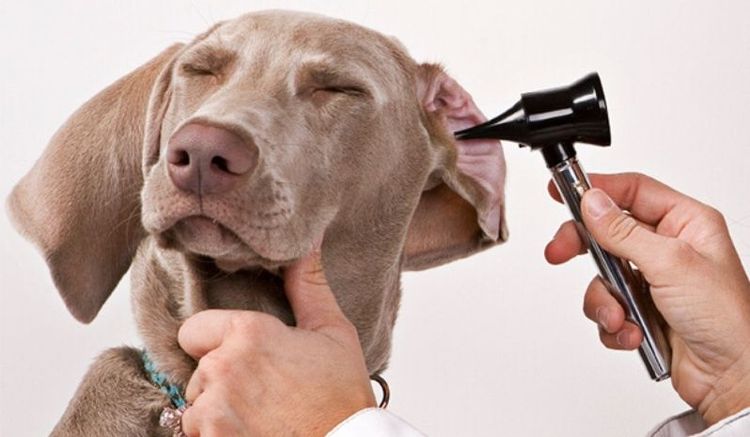
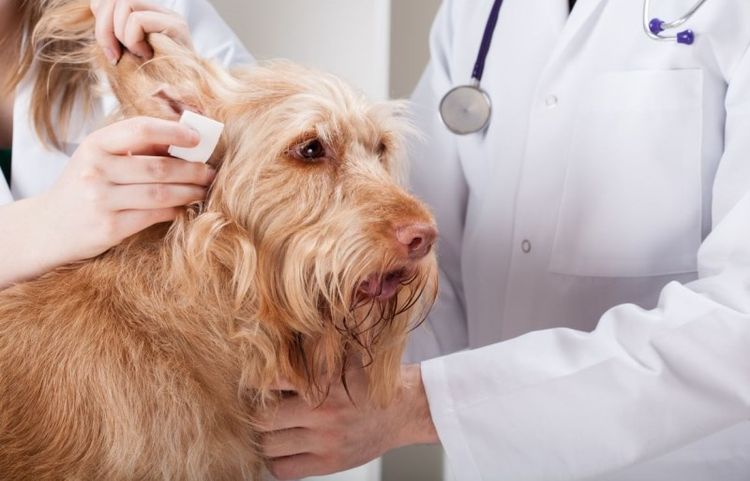
Now that you know the possible causes of this behavior, it's time to decide how to help your pet. To choose the right treatment, you need to establish an accurate diagnosis. In such cases, it's best not to rely on your intuition but to consult a qualified veterinarian.
Important! If a dog shakes its head and scratches its ears, it's experiencing discomfort and irritation, which can lead to aggressive behavior and unpredictable behavior. If it's a large breed, such irritability can have serious consequences, so it's important to identify the cause and begin treatment as soon as possible.
Any disease that is not diagnosed promptly or fully treated can lead to deafness, a ruptured eardrum, pus entering the brain, and ultimately death. Only after conducting tests and examining your pet can a veterinarian prescribe effective treatment.
For ear mites
If such a diagnosis is made, acaricidal, antibacterial, and anti-inflammatory medications are prescribed. However, before starting treatment, it is imperative to clean the auricle. Drops (Otovedin) are the most effective for this problem. "Advocate", "Deternol." However, these only work on adult dogs, so a repeat treatment is required after a week to prevent inflammation caused by mature parasites. It's also important to disinfect toys, mats, and other items used by the dog.
For otitis
First of all, it's necessary to treat the underlying condition if the inflammatory process is caused by an infection or parasites. In severe cases, antibacterial therapy, rinsing of the abscesses, and treatment of the wounds with hydrogen peroxide are prescribed. For purulent cases, drops with an analgesic and anti-inflammatory effect are usually used, such as Otipax and Sofradex. The latter contain an antibiotic (neomycin), so they provide more effective treatment.
For allergies
First, it's necessary to administer an antihistamine, then identify the source of the reaction. In such cases, fluid-removal medications, special ointments for treating the affected areas, and a strict diet for the pet are often prescribed.
If a foreign body gets in
In this situation, it is strongly recommended not to attempt to remove the foreign body yourself; it is better to consult a veterinarian. Before the procedure, it is advisable to immobilize the pet as much as possible, as shaking its head could push the foreign body deeper. Sedatives and local anesthesia may also be necessary to reduce discomfort.
In case of water contact
Wipe the inner ear with a dry towel until it's as dry as possible. Repeat this procedure every time your dog shakes its head. In most cases, your dog will expel the water on its own, but it's important to monitor its condition: symptoms of a bacterial infection or inflammation of the ear canal can appear within 3-10 days.
To prevent your pet from developing ear diseases, simply follow simple preventative measures: clean the ears regularly, check their condition after walks, and regularly administer antiparasitic treatments.
You can also ask our website's staff veterinarian a question, who will answer them as quickly as possible in the comments box below.
A veterinarian on ear diseases in dogs:
Read also:


3 comments
Natalia
How sweet it is to send people to the vet so that poor doctors don't go without a salary! I have a pension of 9,000 rubles, a house that I constantly have to pay for, three cats (one is blind), and a dog with earaches! I buy my own medication every third visit, and every fourth... And I still have to take the dog to the vet, paying at least 500 rubles per visit, get tests done, and pay for the medication! Thank you, dear advisors! You are so kind and helpful! May God grant you all that I have!
Why the hell start a website if there's nothing useful on it?
Dasha is a veterinarian
What does a website have to do with it? A website is for informational purposes, a kind of online library. You don't complain at the library because the books there don't answer your questions. And if you're sick, you don't treat yourself online or over the phone, do you? You go to the doctor in person. Don't be offended or angry with me. I don't want to harm the animal by prescribing medications based solely on the symptoms you described. There's a concept called differential diagnosis, which is when many illnesses present with virtually identical symptoms but require different treatments.
Are you suggesting I take the sin upon myself and prescribe medications (which aren't cheap, at that)? What if I "choose" the wrong diagnosis and it doesn't help? Who will you blame? That's right, me again. Just a month and a half ago, at a seminar, we were told how a doctor in Moscow was dragged through the courts because he advised her on an injection over the phone, and her dog died. The owners blamed him, but he only wanted to help and was accommodating (they said they couldn't come right away because their small children were sick).
And they taught me: don't prescribe a diagnosis or treatment plan without knowing the cause. I can recommend a more or less safe minimum, but I can't guarantee a cure, since there's no diagnosis.
Milka
Natalia, why get pets if you can't give them a basic checkup from a doctor?
Add a comment