
Boxer Dog - Breed Characteristics
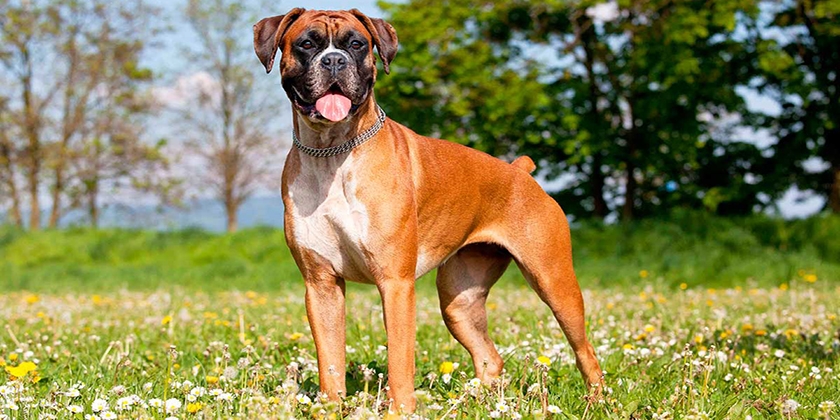
The Boxer dog belongs to the Mastiff group. It has a short, smooth coat, a broad, strong body, a large head with powerful jaws and a flattened muzzle, a snub nose, and large, expressive eyes. This unusual appearance has earned this brachycephalic dog its extraordinary popularity worldwide.
History of the breed
The Boxer was bred in Germany, its ancestors were English Bulldog and the Brabant Bullenbeisser. The breed's name likely stems from its habit of striking with its front paws during fights, similar to boxing. These dogs were originally used as fighting dogs, but over the course of several decades, the breed has undergone changes: through selective breeding, its aggressive tendencies have been almost completely eliminated.
Since 1925, the Boxer has been officially listed as a service dog breed. It is also used as a guard dog and a guide dog for the blind. Its personality traits—innate intelligence, cleanliness, and impeccable obedience—make it an excellent choice for a family dog.
A show-class or breed-qualified Boxer puppy from a breeder, with titled parents and suitable for further breeding, can be purchased for 40,000-60,000 rubles. A pet-class Boxer (without an elite pedigree or with breed-specific defects) costs no more than 20,000 rubles, while private purchases can cost 5,000-8,000 rubles.
Breed characteristics, FCI standards
According to the standards of the International Cynological Organization, the external characteristics of this breed include:
- The male's height is 57-63 cm, body weight is 30-34 kg; the female's height is 53-60 cm, body weight is 25-27 kg.
- The body is compact, square in format, the muscles are prominent and well developed.
- The croup is sloping, slightly inclined, the belly is tucked up - in the photo, the boxer dog looks very athletic.
- The length of the chest is up to the level of the elbows, the depth of the chest is equal to half the height at the withers.
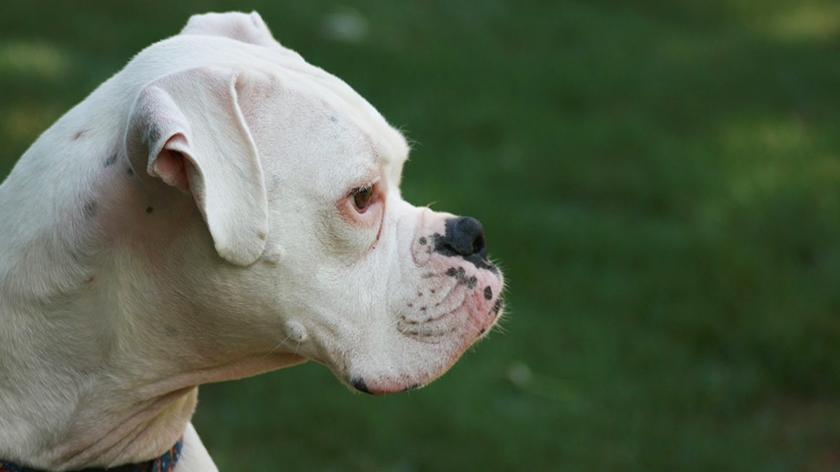
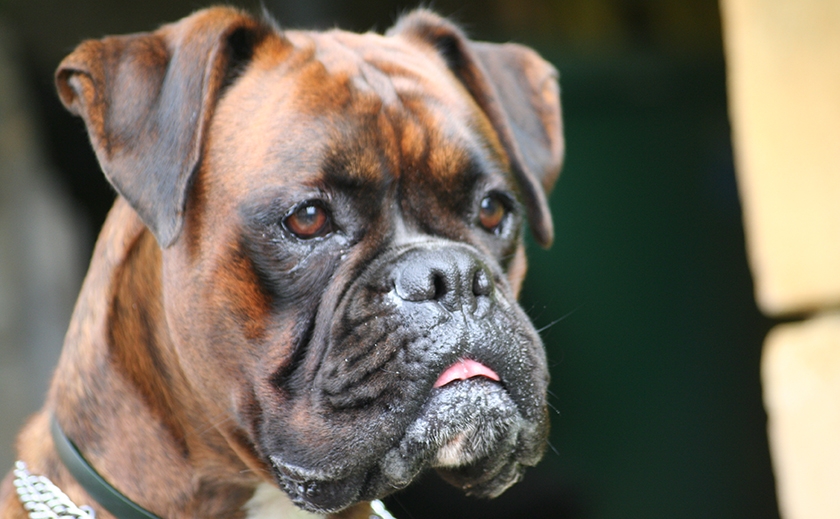
- The muzzle is short, the lower jaw protrudes forward, and the chin is slightly upturned. The length of the muzzle (the distance from the tip of the nose to the line of the eyes) and the length of the skull are in a 1:2 ratio.
- The ears are naturally drooping, and the tail is set high. Both the ears and tail are usually docked.
- The front legs are straight, the paws are small and round.
- The coat is short, hard, smooth.
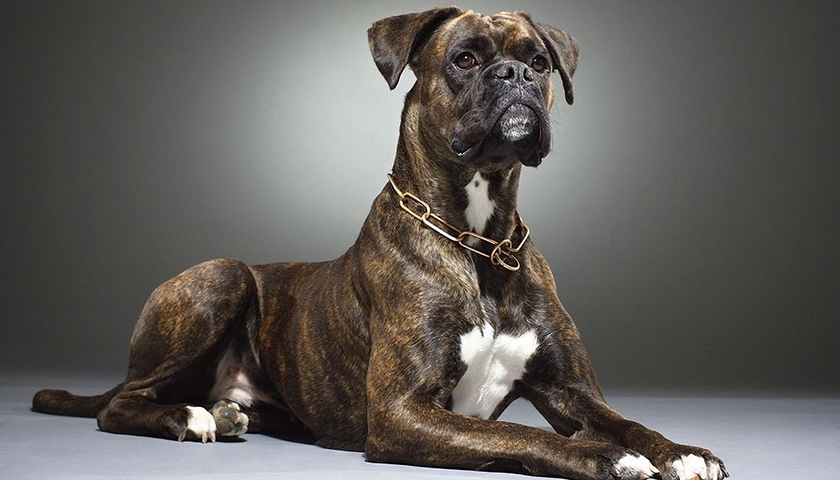
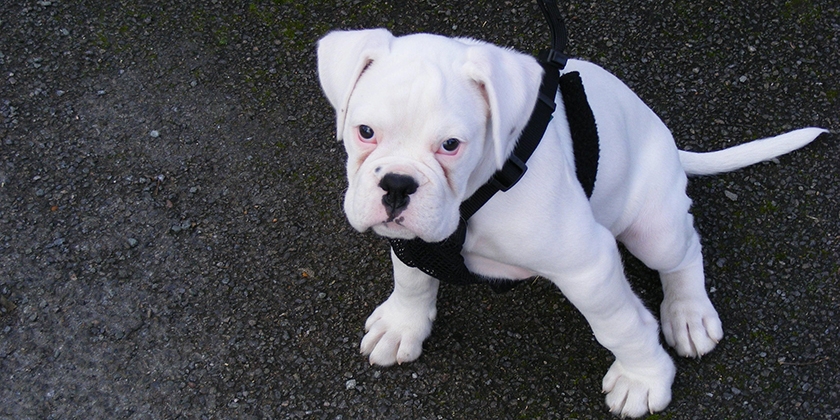
- Acceptable colors: white, red, and fawn (brown or yellow with dark tips on the back, nape, and ears). The most popular color is brindle—dark stripes ("brindle stripes") on a brown or sandy background. The second most popular is the pure white Boxer.
Boxers take a very long time to mature, and it's not uncommon for a three-year-old dog to retain the playfulness of a six-month-old puppy. These dogs are fearless but not aggressive by nature, and will only engage in a fight to protect their owner or themselves. They are very active and restless, so they are not recommended for families with small children. Their strong sense of affection and empathy prevents these dogs from being left alone for long periods of time: left alone all day, they become stressed and may exhibit inappropriate behavior.
Unfortunately, physical strength doesn't always guarantee excellent health. Dogs of this breed are predisposed to a number of health problems:
- hip dysplasia,
- spondylosis,
- diseases of the genitourinary system (cryptorchidism, vaginal hyperplasia),
- gastrointestinal diseases (colitis) and the endocrine system (hypothyroidism, hyperthyroidism),
- development of benign and malignant tumors.
Therefore, before purchasing a boxer dog, you should make sure that its pedigree does not include ancestors with such pathologies; this will help reduce the risk of their development in your pet.
This breed is conventionally divided into several varieties. The classic variety, the only one recognized by the International Cynological Federation, is the German Boxer. Its exterior perfectly matches FCI standards. The American, English, and French Boxers have smaller heads and a slightly lighter build, but only experts and experienced breeders can detect such subtle differences.

Maintenance and care
The Boxer is a breed that requires a high level of exercise, including playing with a ball, throwing a flying disc, and running obstacles. If you live in a city apartment, daily two-hour walks are essential for your pet.
Despite their "masculine" appearance, dogs of this breed do not tolerate both heat and cold well. In summer, their short muzzle prevents them from cooling down sufficiently, and they are best kept in the shade and periodically hosed down. Their short, close-fitting coat provides little warmth in winter, so on frosty days they are walked in overalls, and in winter they must live indoors—a kennel or kennel is out of the question.
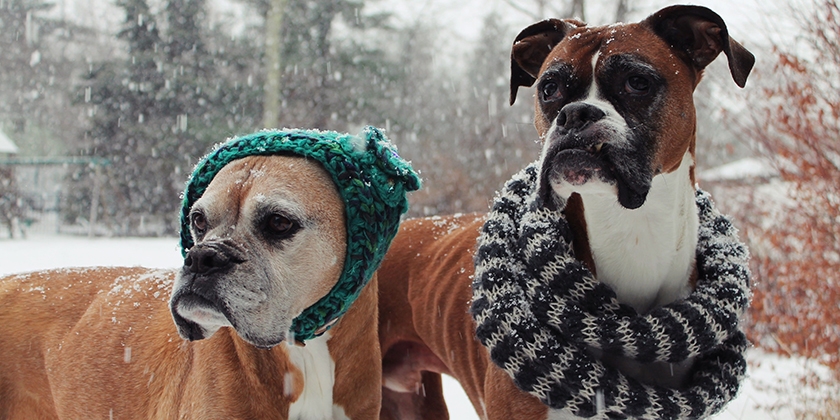
In terms of grooming, Boxers, according to reviews, are low-maintenance. To maintain their coat in good condition, brushing once or twice a week with a soft brush or a fine-bristled rubber mitt is sufficient. Frequent bathing is not recommended; shampooing should be done every six to eight weeks, and only with clean water if necessary, such as if the dog gets very dirty during a walk.
Veterinarians recommend cleaning dogs' ears and teeth once a week. A special veterinary toothpaste with a meat flavor and scent can be purchased at a pet store. Nails should be trimmed as they grow, trimming only the protruding tip to avoid damaging the blood vessels in the nail bed.
Catering
Boxers have a delicate digestive system. Feeding them a natural diet requires at least a basic understanding of nutrition. The Boxer diet consists primarily of meat (lamb, rabbit, poultry), fish, and grains.
Meat and fish are a source of protein, essential amino acids, trace elements, and vitamins. They can be fed raw or cooked, but without bones. Cereals are easily digestible and have a high energy value. Whole grain rice, buckwheat, and oatmeal are suitable. These grains, like meat, contain high amounts of protein, amino acids, vitamins, and minerals. The ratio of meat products to cereals should be 1:3, and for actively growing puppies and pregnant and lactating bitches, it should be 3:1.
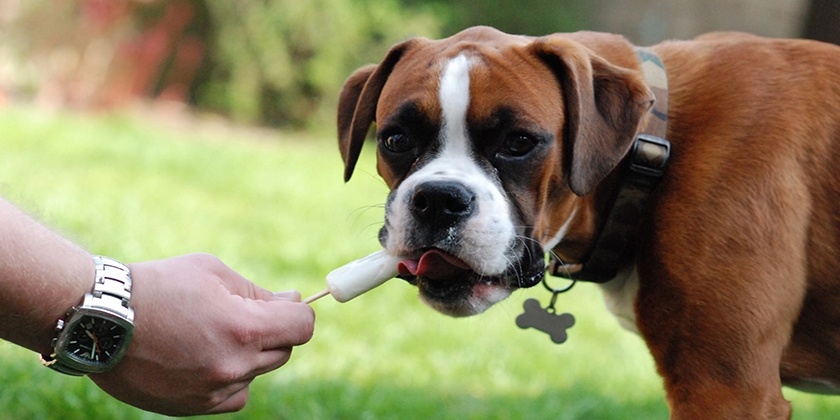
In addition to protein, your pet's diet should include cottage cheese, fermented milk products, eggs (no more than two per week), vegetables, fruits, and vitamin and mineral supplements. It's important to note that both a deficiency and an excess of any nutrient can be dangerous for your pet. Boxers primarily need vitamins A, D, and B vitamins, as well as the micronutrients calcium and potassium.
Dogs of this breed are prohibited from:
- pork;
- raw fish;
- potato;
- legumes;
- smoked meats, sweets.
A simpler solution to feeding a dog of any breed is prepared kibble or canned food. These are expertly developed, have a balanced composition of both nutritional value and nutrient content, and will ensure your pet lives an active life and excellent health. When choosing dry or canned food, super-premium and holistic options are recommended. They are made from natural ingredients and contain no synthetic additives such as preservatives, flavor enhancers, or artificial sweeteners.
Many well-known manufacturers produce feed of this class:
- Royal Canin (France),
- Orijen (Canada),
- Brit (Czech Republic),
- Wellness CORE (USA),
- ACANA (Canada),
- NUTRO (Germany).
Young puppies, juniors, adults, and senior dogs all require diets with different nutritional profiles. Certain dog breeds, including boxers, also require specialized diets. Premium brands offer food lines for every age and breed group, as well as for neutered animals or those prone to allergies.
Read also:
- Brazilian Bulldog (Bulldog Compeiro)
- How much dry food should I give my dog per day?
- How long do dogs of different breeds live?


Add a comment