
Beagle Dog: Breed Characteristics
The Beagle (English Beagle) is a small hound breed that attracts attention with its striking appearance and cheerful, good-natured nature. The most famous Beagle fan was the 36th US President, Lyndon Johnson, who had three Beagles of this ancient breed living near him. If you're also dreaming of a Beagle puppy, we suggest learning more about the breed's history and characteristics, as well as the care requirements and personality traits of these dogs.
Content
Breed characteristics
- original title – Beagle;
- origin – Great Britain;
- weight – from 8 to 18;
- height – from 33 to 40 cm;
- life expectancy – from 11 to 15 years;
- character - cheerful, friendly, independent;
- appointment - companion, hunting.
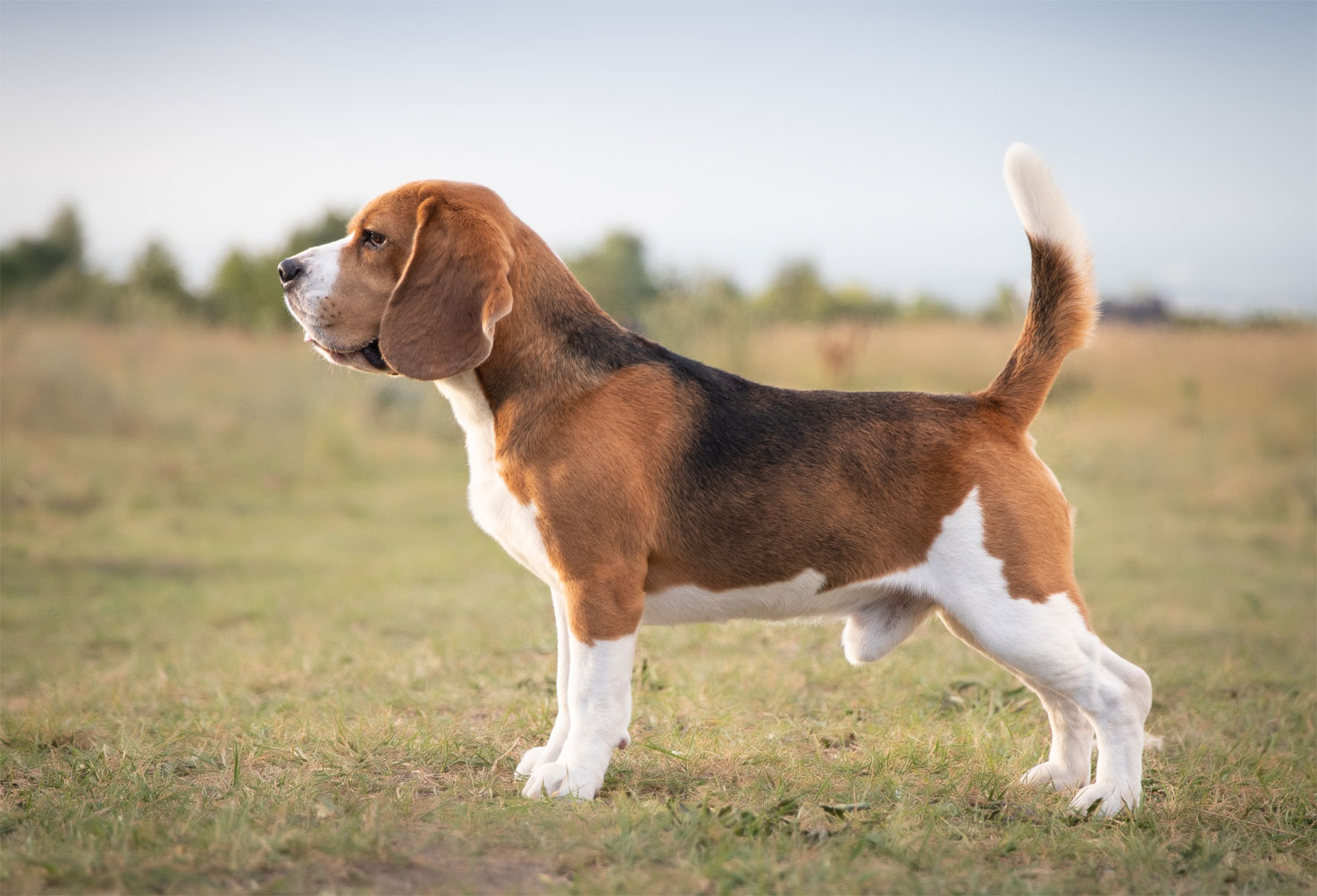
Based on feedback from Beagle owners, we've compiled a brief description of the breed in a table format, dividing the main factors into 5 levels:
|
Very low |
Short |
Average |
Above average |
High |
|
attitude towards loneliness
|
aggressiveness protective qualities, difficulty of care
|
intelligence molting health noise in the house cost of maintenance trainability
|
activity
|
friendliness
|


Origin
Beagles are believed to be descendants of dogs that lived in ancient Greece and Rome. Compact hounds are mentioned in the works of Xenophon.
Scientists put forward two versions of the breed's origin:
- Roman hounds were brought to Great Britain, where, as a result of crossing with aboriginal dogs, a special type of hunting dog was obtained, which was later singled out as a separate breed.
- The Beagle's ancestors were the result of mating Celtic and European hounds even before the dogs arrived in Foggy Albion, and the final formation of the breed occurred in the 11th century as a result of crossing the representatives brought to England with the Talbot Hound.
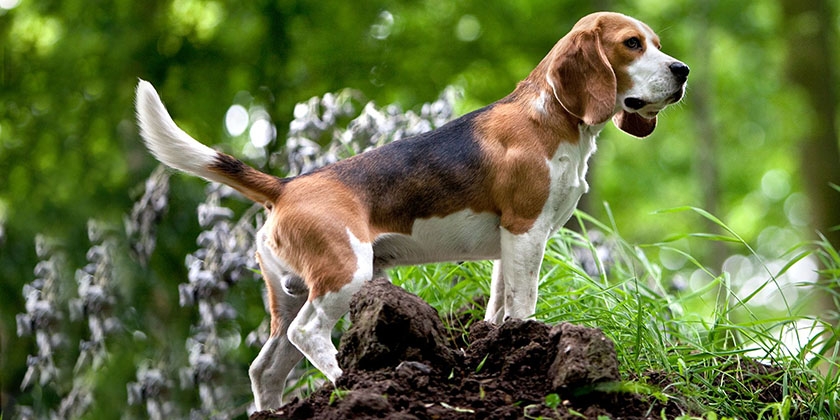
The Beagle breed is frequently mentioned in legends about the lives and exploits of English knights. It is believed that a representative of this ancient breed participated in the search for the Holy Grail.
British aristocrats highly valued these dogs for their keen sense of smell, good nature and noble appearance.
It is worth noting that in those ancient times, representatives of the breed were significantly smaller, as evidenced by numerous descriptions of dogs found in historical sources (primarily books devoted to hunting).
The weight of the distant ancestors of the modern Beagle rarely reached 8 kg, and the height at the withers 25 cm, but this was more an advantage than a disadvantage, because the compactness allowed:
- pursue game in undergrowth and hard-to-reach places during the hunt;
- penetrate into hare holes;
- transport dogs in special baskets attached to horses;
But already in the 19th century, Beagles began to grow in size, as breeders experimented with incorporating genes from faster and more resilient dogs, such as the Whippet, into the breed.
A key role in the formation of the breed as we know it today was played by breeders:
- Philip Honeywood He sought to obtain working dogs for hunting foxes and hares; we owe to him the appearance of small-sized dogs of the “northern type”;
- Thomas Johnson – worked on improving the breed’s appearance, striving to obtain more massive and large dogs with short and long hair, which became known as the “southern type”.
Unfortunately, the long-haired Beagles bred by Johnson are no longer extant. This branch of the breed only survived until the mid-20th century.
An experiment by American breeders also failed, resulting in the introduction of dark points in Beagles, making them resemble Basset Hounds. Richard Rowett's dogs, which originated in Great Britain and retained the original genes, were able to avoid significant changes to the breed's appearance.
The name of the Beagle breed, translated from English, means "hound", which directly indicates the main area of use of these strong and active animals, who also have an excellent sense of smell.
The first Beagle breed standard was approved in 1895. It distinguished two types of dogs of this breed:
- medium (up to 33 cm);
- large (up to 40 cm).
The breed standard and description, which are still relevant today, were adopted in 1957.
Exterior (external data)
The FCI standard places the Beagle in Group 6, "Hounds and Related Breeds." These dogs are medium-sized (males are significantly larger than females), possessing strong bones and elastic, well-developed muscles, yet despite their strength, they do not appear clumsy or coarse.
In this case, the parameters of an adult dog must comply with the following established standards:
|
Size |
average |
|
Physique |
strong, compact |
|
Head |
moderately broad, proportional, powerful |
|
Forehead |
wide, has a clear transition to the muzzle |
|
Muzzle |
not pointed, without wrinkles and folds, divided by a stop into two equal parts |
|
Nose |
large, mostly black, with wide nostrils |
|
Eyes |
large, brown, widely spaced, but not protruding and not deeply set |
|
Ears |
long, hanging, rounded at the ends, when pulled forward they can reach the tip of the nose |
|
Neck |
slightly arched, with a slight dewlap, long enough for tracking |
|
Back |
straight, even |
|
Breast |
dropped below the elbow line |
|
Small of the back |
strong, short, balanced |
|
Paws |
short, with strong bones |
|
Tail |
thick, moderately long, set high, not curled or bent forward beyond the base |
|
Wool |
short, medium hard, thick |
|
Undercoat |
without undercoat |
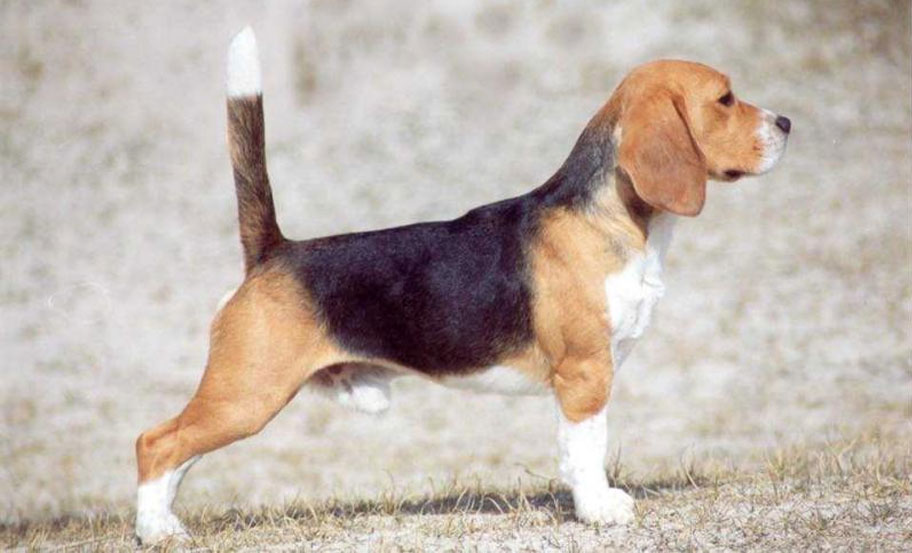
Any defects that deviate from the parameters listed in the table are considered defective and are an obstacle to the puppy’s show career and the animal’s participation in breeding.
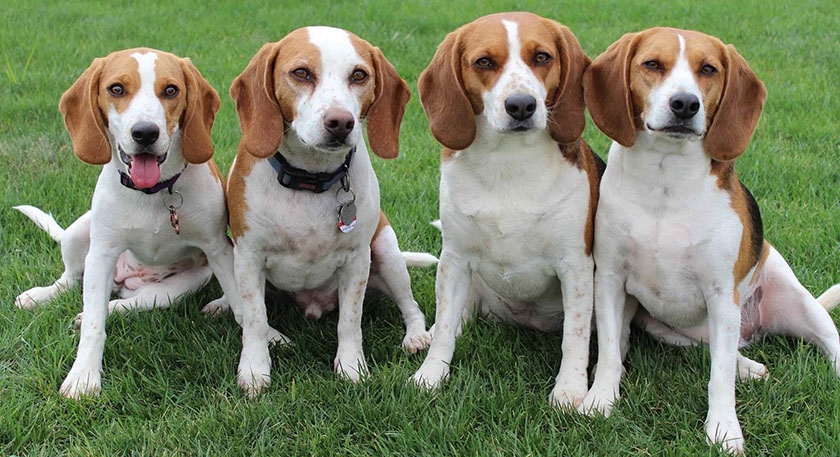
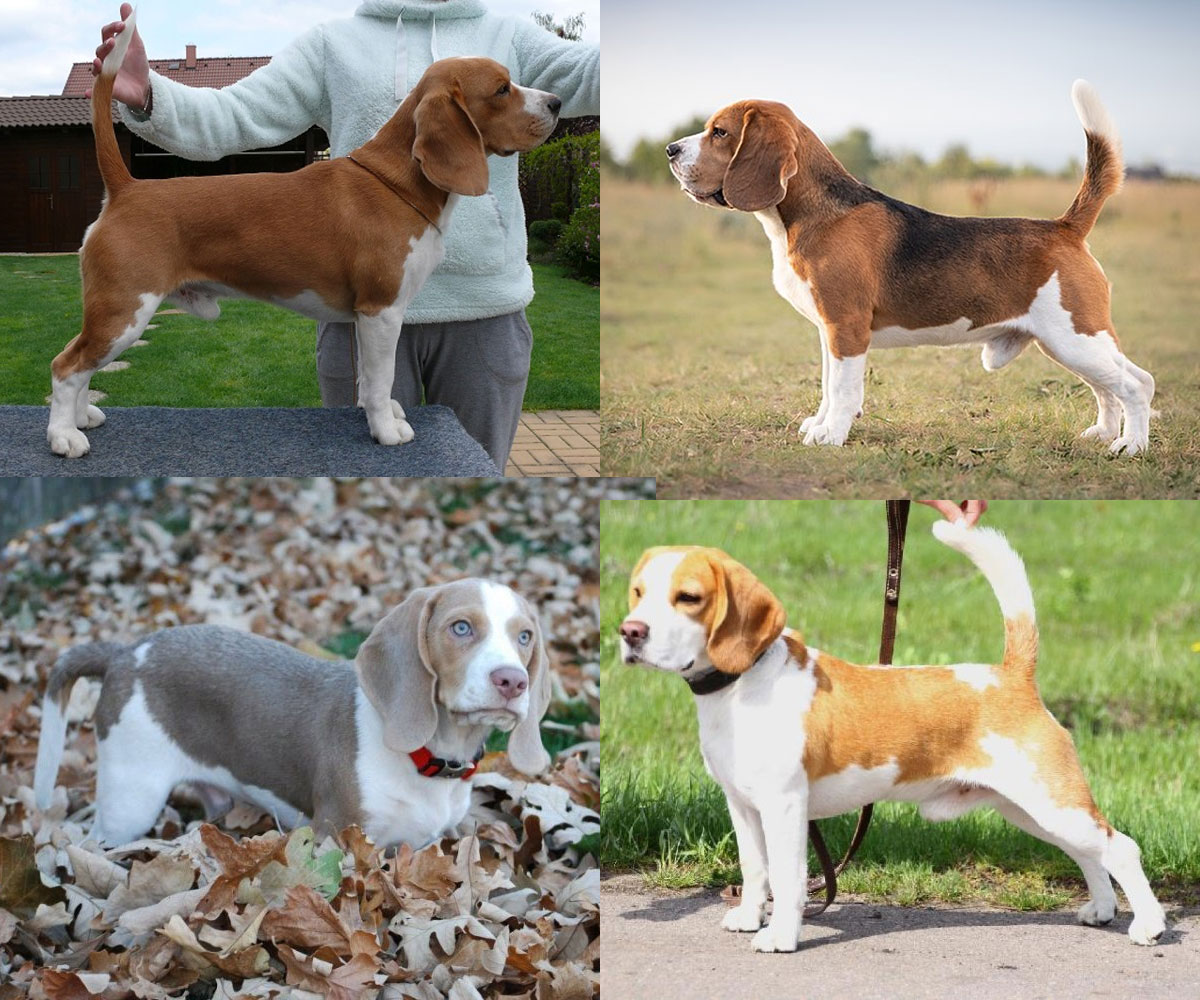
According to the breed standard, the Beagle can have a variety of color options:
- classic tricolor (the most common) involves a combination of black, red and white shades in any variations;
- tricolor with a combination of blue, red and white shades;
- variegated badger;
- motley hare;
- variegated lemon;
- black and white;
- red and white;
- reddish-white;
- lemon white;
- solid white.
The tip of the tail must be white. In each of the above variations (except solid white), speckling is permitted. Any speckling of other colors is considered a fault.
See the photo to see what an adult Beagle dog might look like in different colors.
Character
The English Beagle is an active, sociable, and good-natured dog, genetically designed for close interaction with people. This breed is highly prized among hunters, but despite its excellent hunting instinct, Beagles can also make excellent companions for active people or children. Hardy and cheerful, Beagles are always ready for games and various activities. They get along well with children of all ages, as well as other dogs of their own size, without displaying unreasonable aggression.
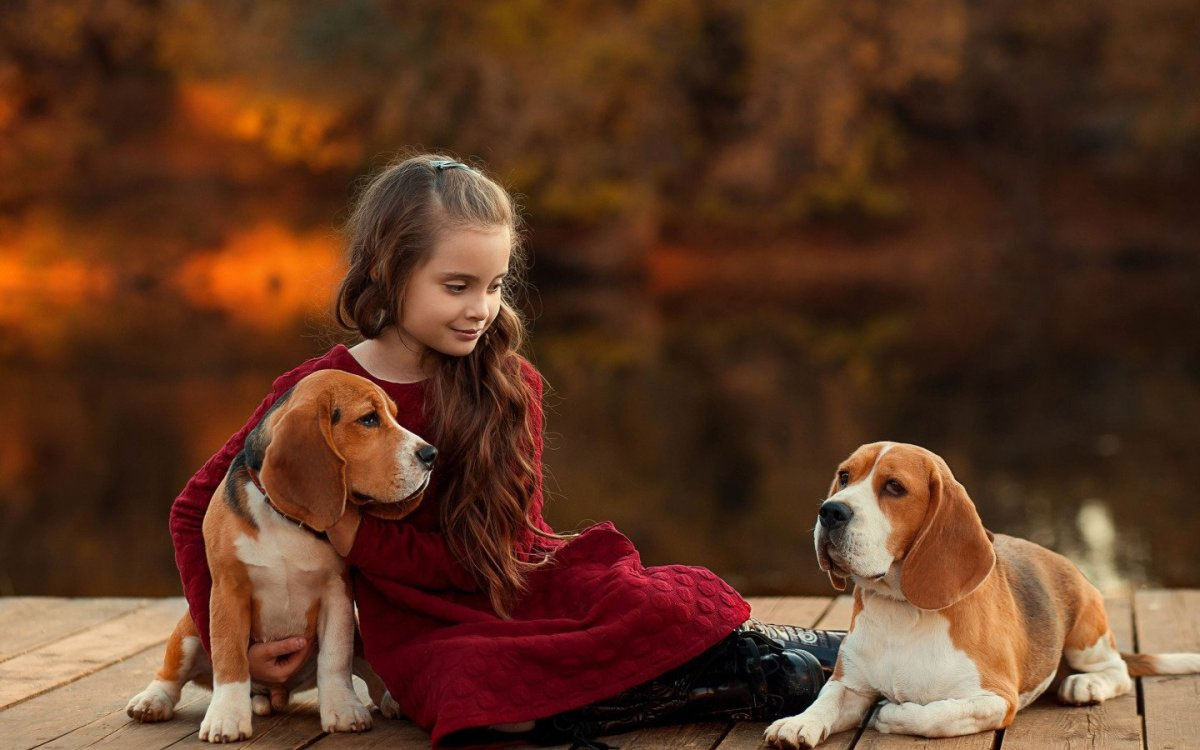
Natural hunters, however, may see prey in cats and other small animals (rabbits, guinea pigs, rats, hamsters, parrots, etc.). It's worth remembering that the instincts ingrained in the breed over centuries are quite strong. For the dog's peace of mind and the safety of the small animal, it's best to keep them as far apart as possible.
When choosing a puppy, pay attention to its behavior toward other dogs and strangers (including you when you first meet it). Personality traits such as aggressiveness or timidity are highly undesirable.
Content Features
The Beagle tolerates cold well (remember that these dogs were previously kept for hunting), but such a pet will also feel great in a small city apartment.
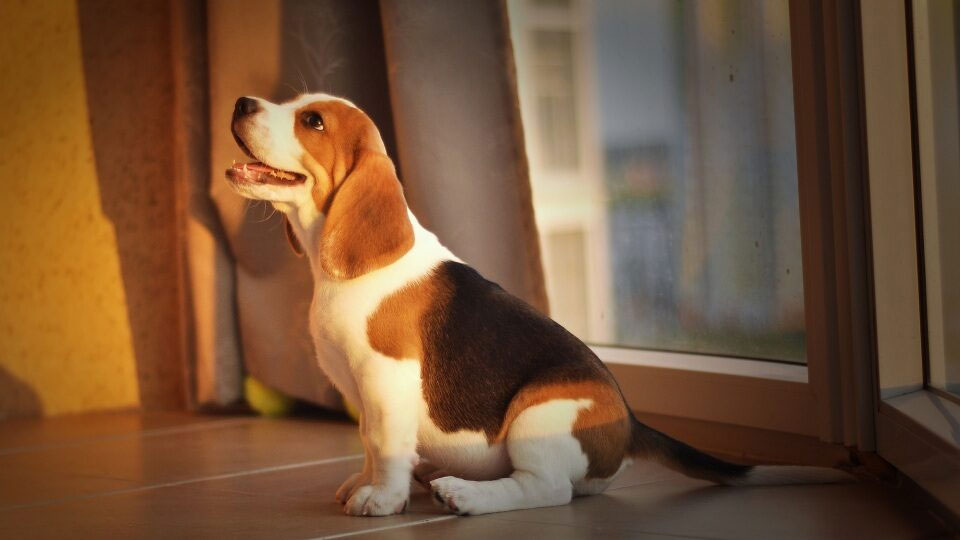
The breed description provided at the beginning of this article emphasizes that Beagles do not tolerate loneliness well. For some, personality traits such as activity and endurance can turn from advantages into significant disadvantages.
It is not recommended to get such a pet if you cannot give it enough attention every day and need an animal that will calmly wait for you to return from work all day.
For a Beagle, such a life would be torture, and in search of entertainment, it might start damaging things within its reach. Preventing this is quite simple:
- engage in regular training;
- ensure sufficient physical activity during walks;
- periodically give the dog the opportunity to run around freely without a leash in a safe place;
- Buy your pet a variety of chewable toys.
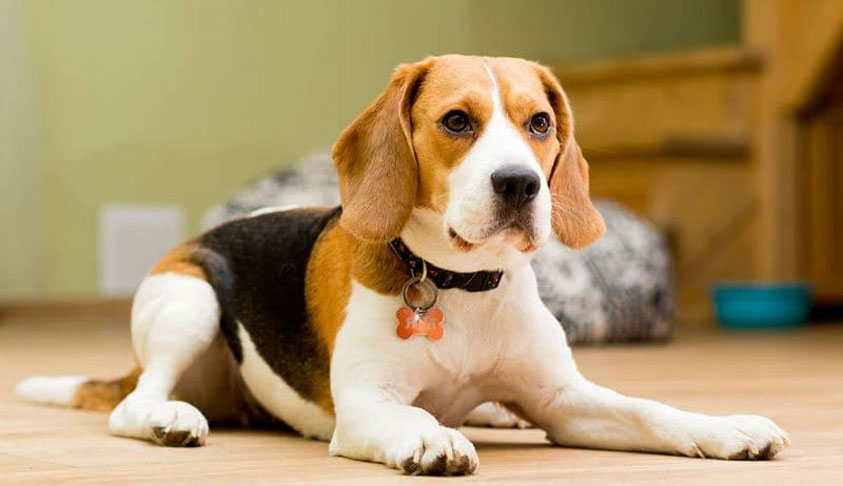
Otherwise, the breed is unpretentious and will require standard procedures:
- combing (1-2 times a week, more often during the shedding period);
- bathing (extremely rarely, as needed);
- cleaning eyes and ears;
- nail trimming;
- dental care.
Owner reviews indicate that Beagles have a good appetite, so it is important to provide the dog with a balanced diet that takes into account the pet's activity level to avoid excess weight gain.
Training
Beagle puppy training is essential from an early age. If the dog grows up willful and follows its instincts more than its owner's commands, problems are inevitable.
Dogs of this breed are highly intelligent, but along with their intelligence, they are also characterized by stubbornness and independence. Training a Beagle can be challenging, so dog trainers do not recommend the breed for novice breeders or families who are unwilling or unable to train the dog daily.
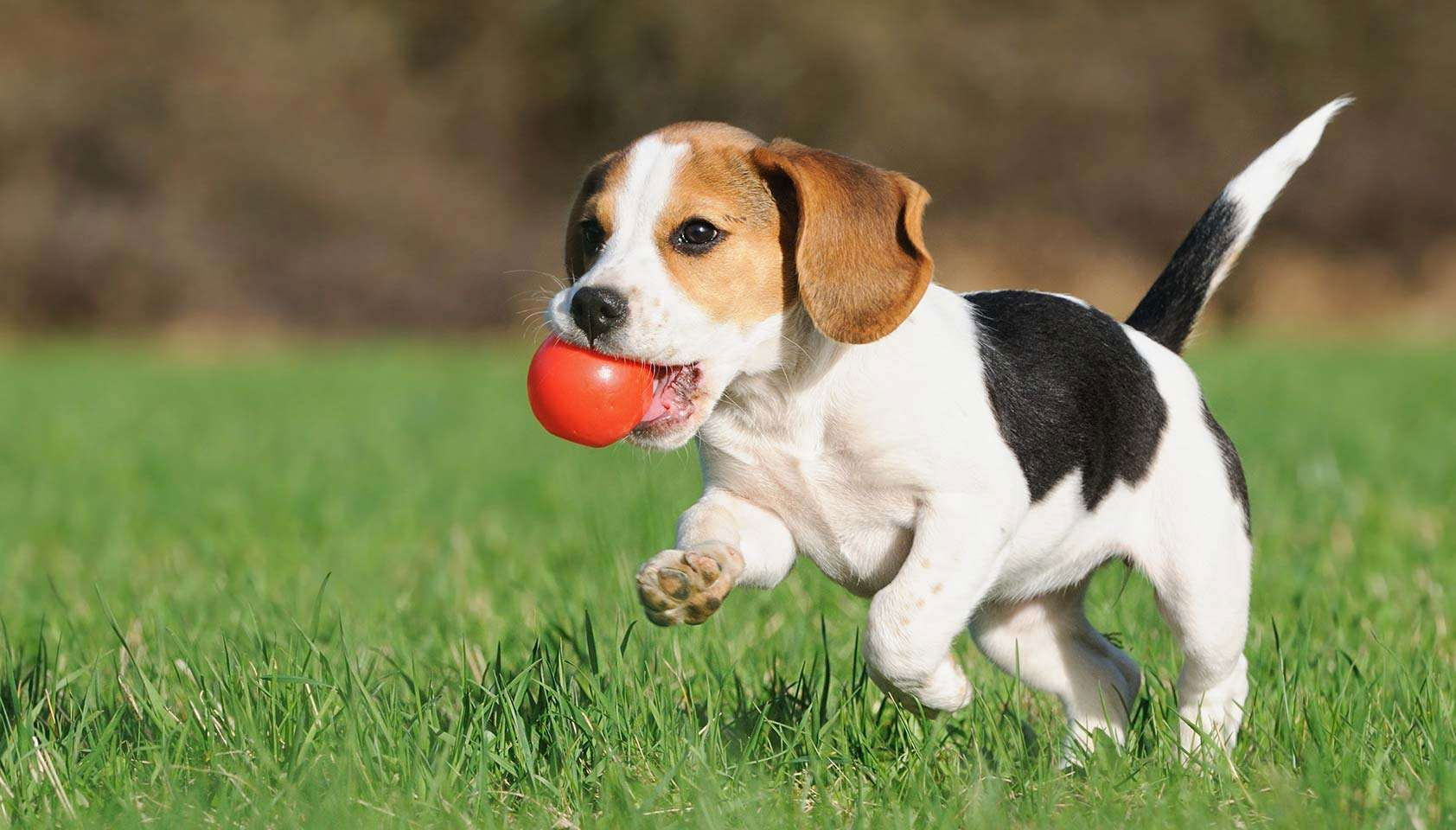
Based on their instincts, a Beagle will happily retrieve balls and other objects thrown by their owner. Finding objects is also a joy, as the breed has a keen sense of smell.
When training your dog on your own, we recommend taking into account the following advice from dog trainers:
- start by building trust;
- Work on obedience from an early age;
- pay attention to the dog's socialization;
- exercise regularly;
- Choose a variety of exercises to keep your pet interested;
- Do not resort to violence or physical punishment under any circumstances.
If possible, take your puppy to general training classes under the guidance of an instructor. This will help avoid many mistakes. The cost of such training will be well worth it, because if a Beagle begins to follow its instincts and believes that its owner's commands can be ignored, it can be quite difficult to manage as an adult.
Health
Among the hereditary diseases, the most common in Beagles are:
- Imerslund-Graesbeck syndrome;
- cerebellar abiotrophy;
- factor VII (FVII) deficiency;
- Musladin-Luc syndrome (MLS).
To minimize the likelihood of puppies with such diseases being produced, it is recommended that only animals that have passed special screenings be allowed to breed.
You can be sure that your puppy is not only completely healthy, but also does not carry a gene that could cause disease in its offspring only by purchasing a puppy with documents from a kennel or through a club.
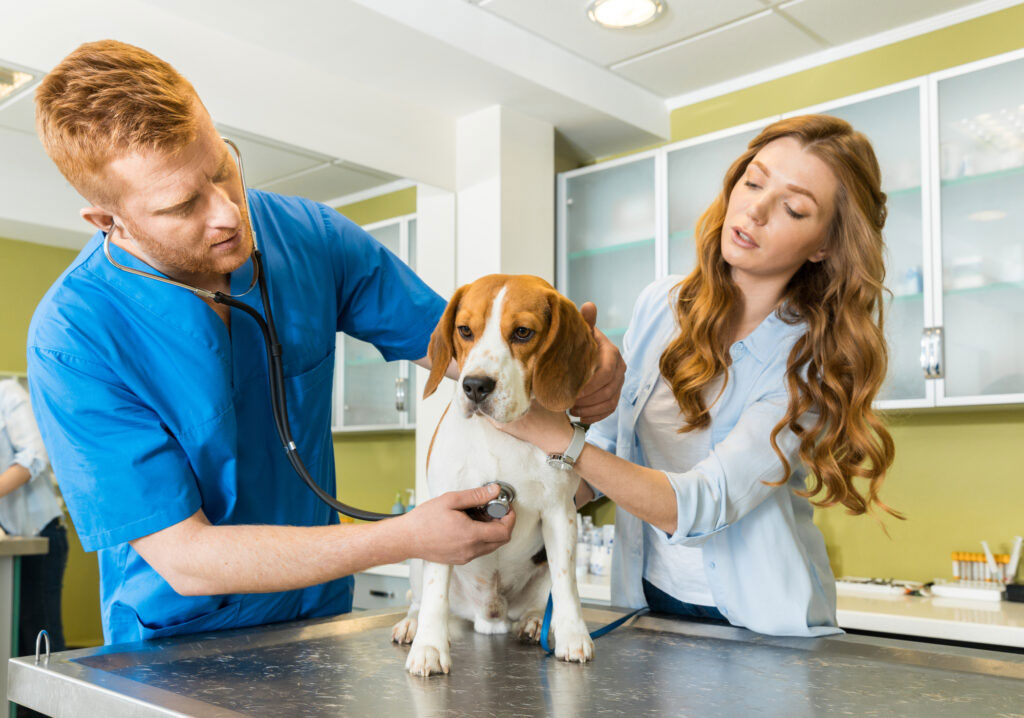
Among the acquired diseases in representatives of the breed, veterinarians most often diagnose:
- intervertebral disc diseases;
- obesity;
- diabetes;
- cardiovascular diseases;
- eye diseases;
- thyroid dysfunction;
- various injuries that occur due to the high activity of young dogs.
Where to buy a puppy
Beagle puppies are now available for sale in all regions of Russia, as the breed is quite popular. However, it's not recommended to buy a cheap puppy from the first ad you see, and certainly not to negotiate a purchase without seeing the dog and its living conditions.
If you live in Moscow or St. Petersburg, you'll easily find reputable, trusted breeders in your area. However, if you need to travel to another region to get a puppy, it's worth taking the time to make the trip. After all, you're not buying an object, you're buying a friend who will live with you for the next 15 years.
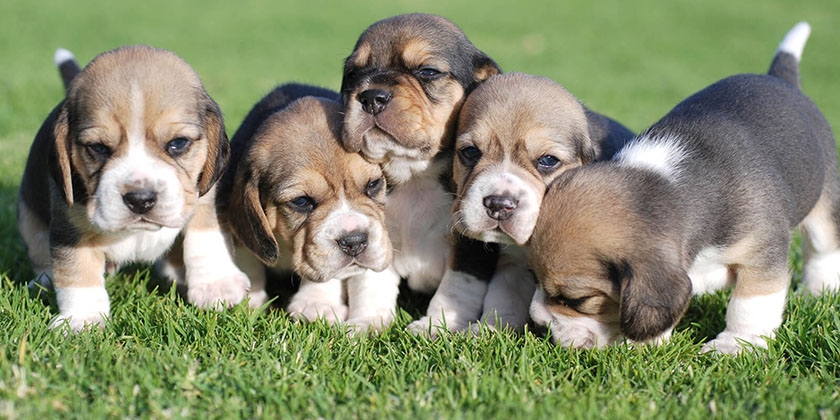
We present to your attention several reputable Russian nurseries where you can purchase healthy puppies with a full package of documents:
|
No. |
Nursery |
City |
Federation |
|
1 |
Bravo Vista |
Moscow |
RFLS |
|
2 |
Vocalise |
Moscow |
RFSS |
|
3 |
Vi-Oldi |
Moscow |
RFLS |
|
4 |
Bevan-Do |
Moscow |
OANKOO/RKK |
|
5 |
Jolie Voice |
Moscow |
OANKOO/Fauna |
|
6 |
Doldin the Hunter |
Moscow |
OANKOO/Fauna |
|
7 |
Kara Ursus |
Moscow |
OANKOO/Elite |
|
8 |
Crom Hunter |
Moscow |
RFSS |
|
9 |
Parade of Planets |
Moscow |
RFLS |
|
10 |
Simonend |
Moscow |
OANKOO/RKK |
|
11 |
Sharmel Gold |
Moscow |
OANKOO/Fauna |
|
12 |
Fighter |
Saint Petersburg |
RFSS |
|
13 |
From the house of Acma |
Severodvinsk |
RFLS |
|
14 |
Anikaline |
Sochi |
RFLS |
|
15 |
Star Age |
Smolensk |
OANKOO/RKK |
|
16 |
Golden Amber |
Ufa |
RFSS |
|
17 |
The Greatness of Siberia |
Tyumen |
RFSS |
|
18 |
Star of Prikamye |
Permian |
RFSS |
|
19 |
Amazing Success |
Volgograd |
RFSS |
|
20 |
Vajiline |
Vologda |
RFLS |
|
21 |
Dioline |
Irkutsk |
RFOS |
|
22 |
A Tale of Siberia |
Krasnoyarsk |
OANKOO/Elite |
|
23 |
Magic Empire |
Nizhny Novgorod |
RFLS |
|
24 |
Solar Siberia |
Chebksary |
RFSS |
|
25 |
Tu Bi Lucky |
Eagle |
OANKOO/Elite |
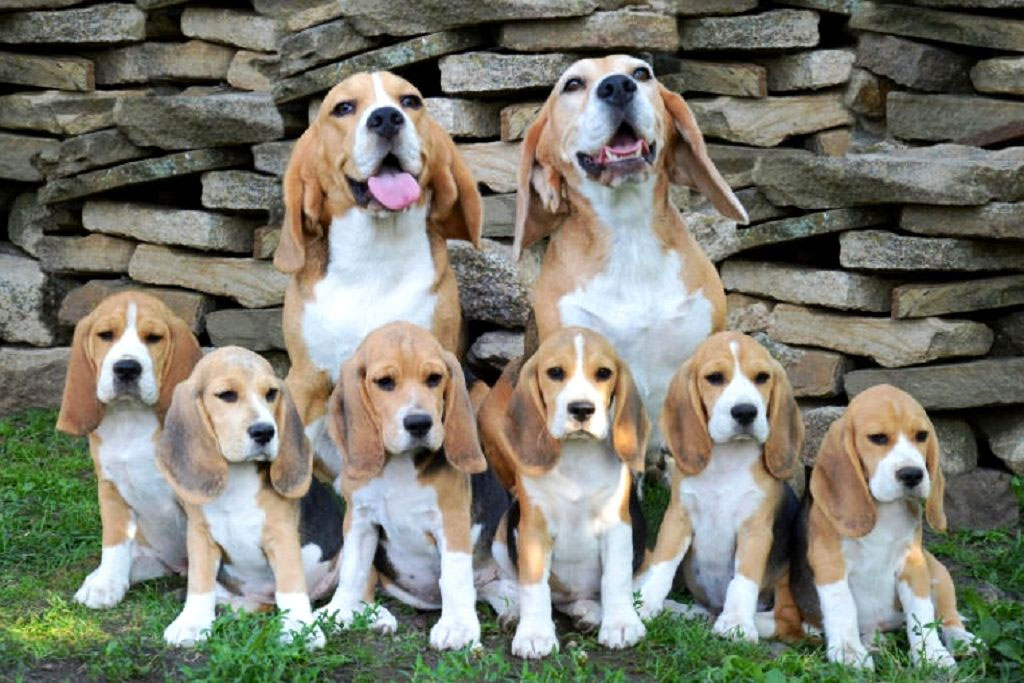
The cost of an English Beagle puppy with a package of documents in Russia today varies within the range 25,000 – 75,000 rublesThe least expensive puppies will be those with defects that prevent them from participating in shows and breeding, but they will give you just as much love and happiness as the most expensive show-class representatives of the breed.
Photos of representatives of the breed
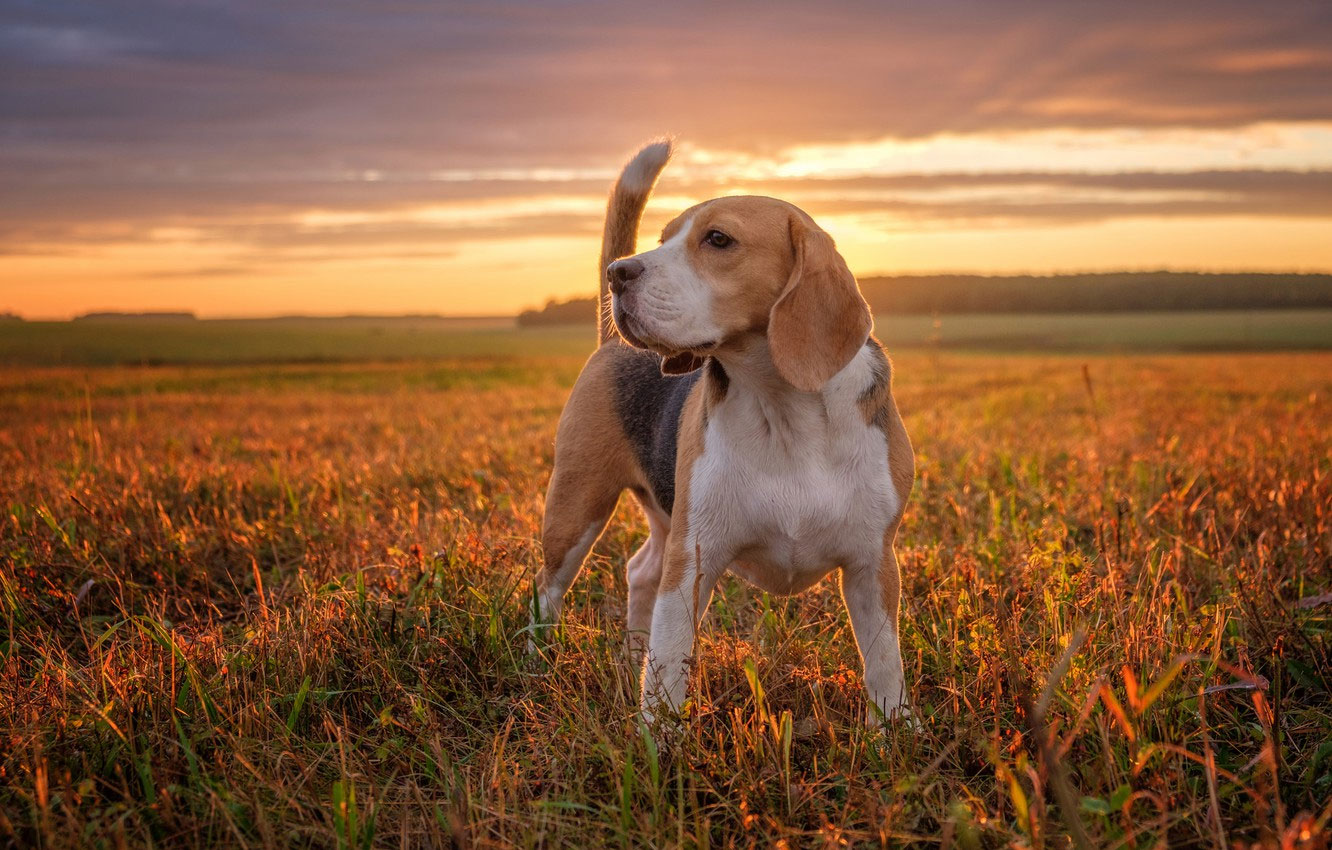
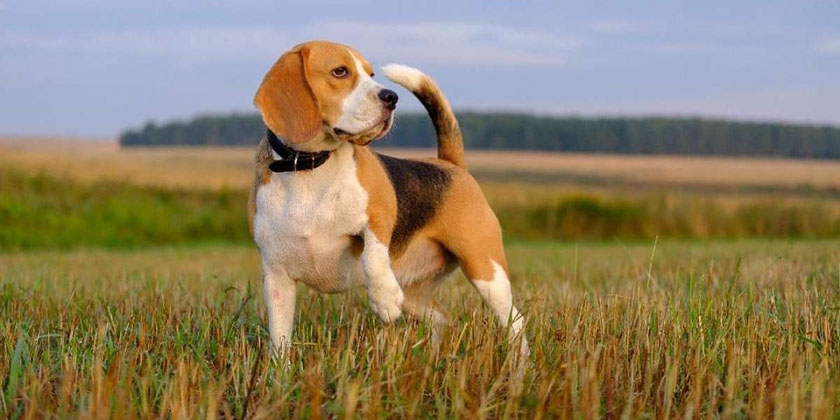
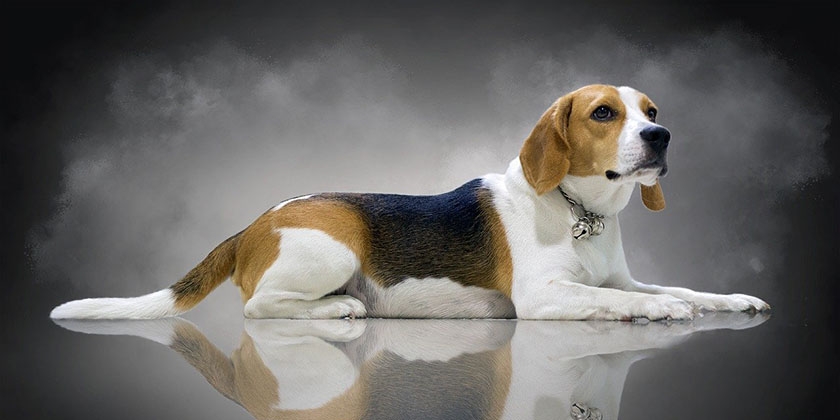
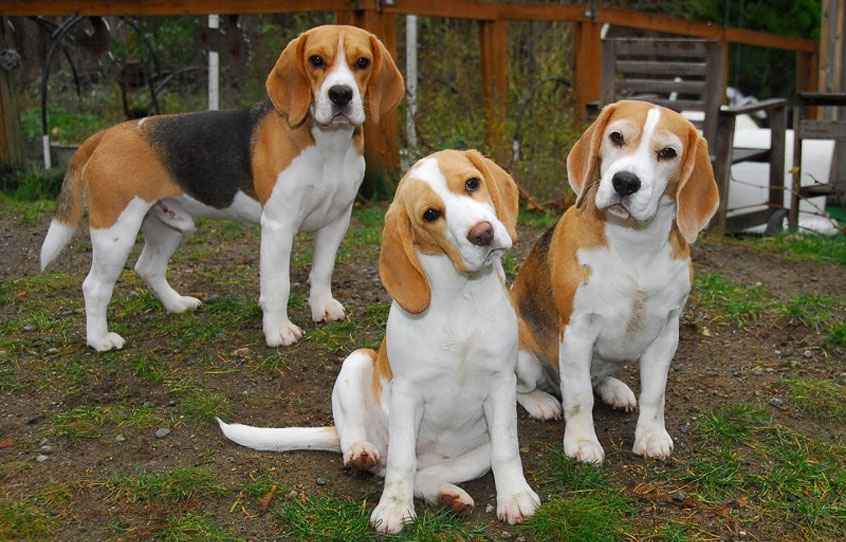
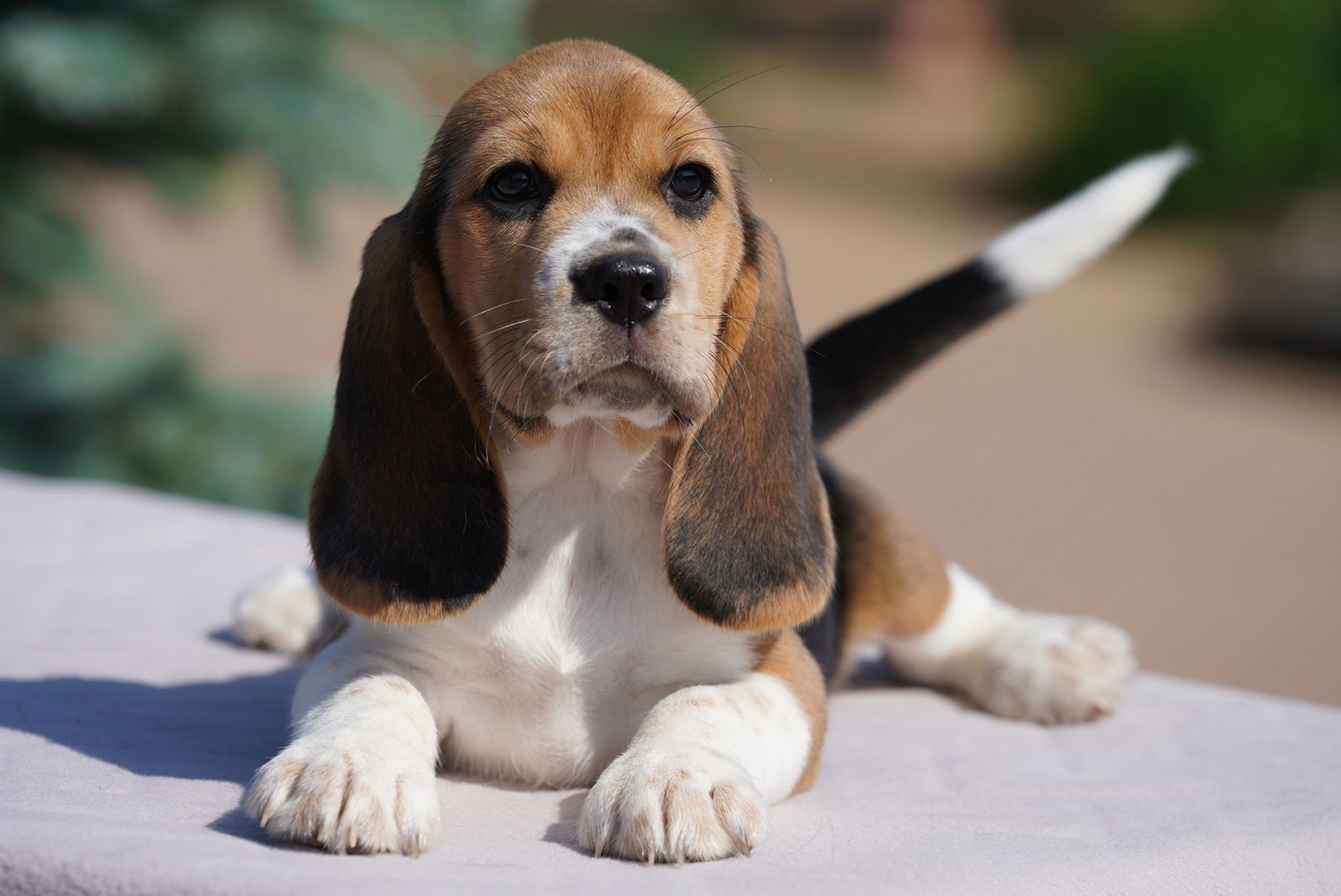
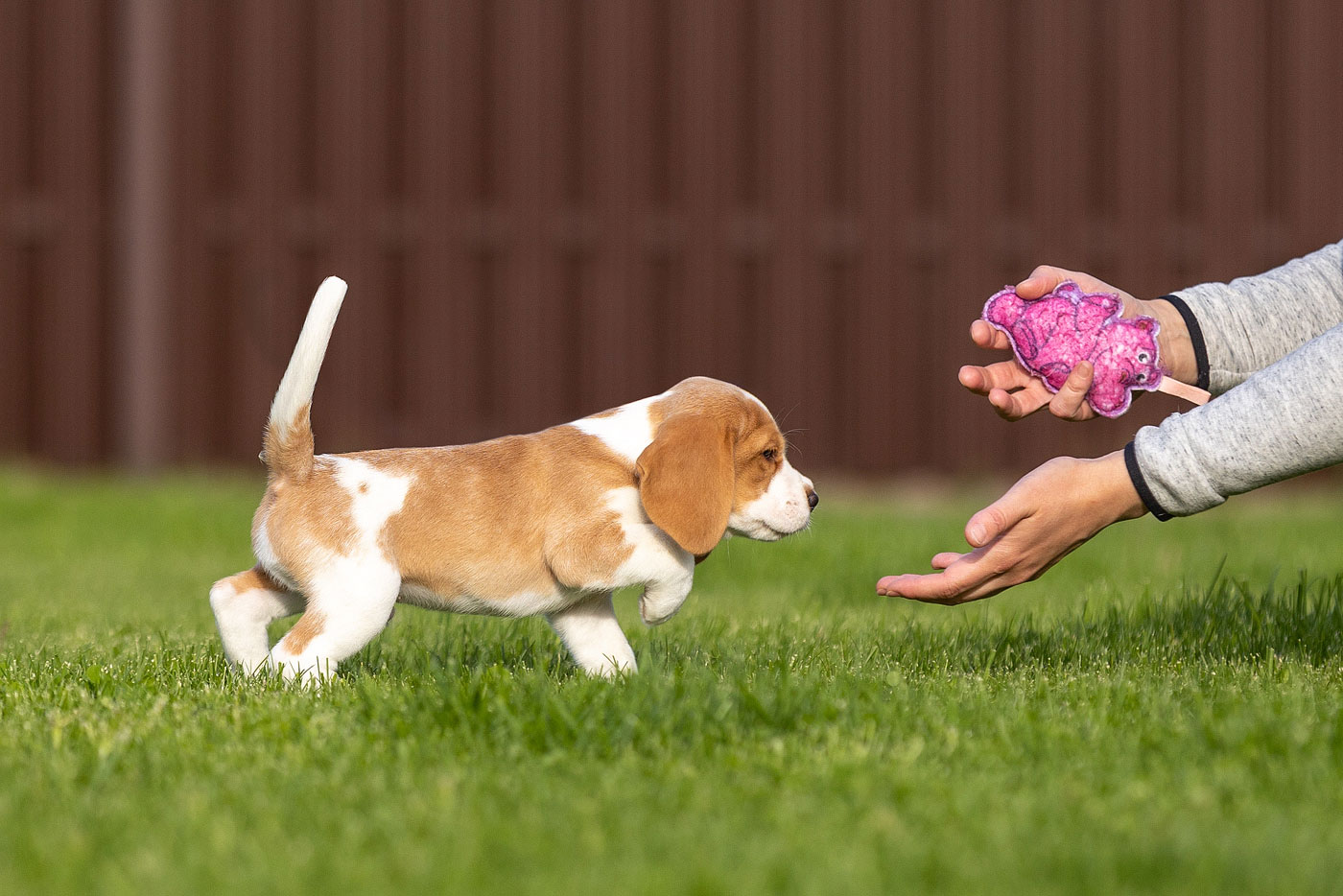
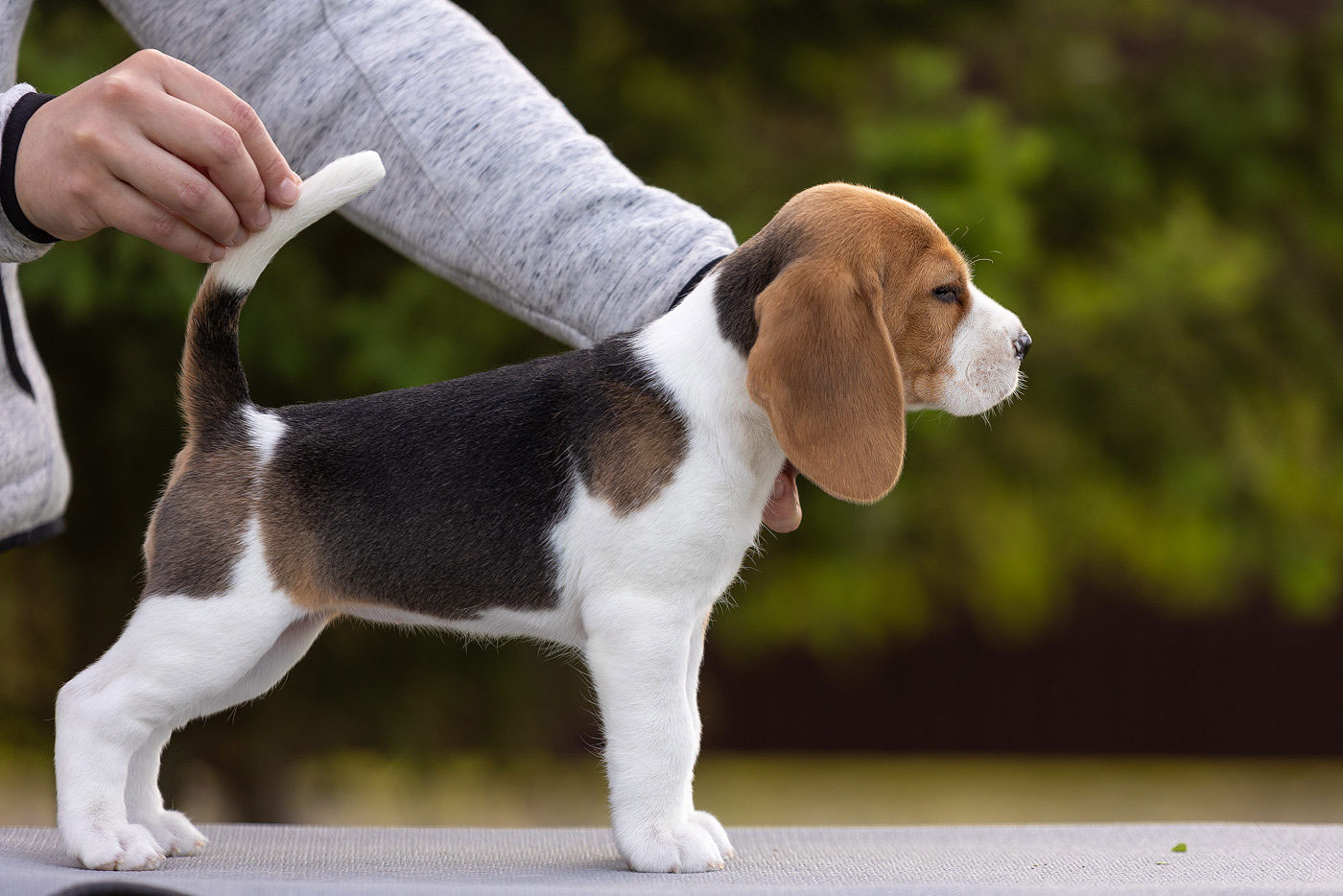
We invite you to take a closer look at the photographs below to see what an adult Beagle dog and puppies of different age groups look like.
Video about the breed
Also watch a video detailing the characteristics of the English Beagle breed, as well as important aspects of training and caring for these dogs:
Read also:
- What kind of dog should I get for a child in an apartment?
- What breed of dog is bred for hunting?
- What you shouldn't feed your dog


Add a comment