
Snowshoe: Cats and Tomcats
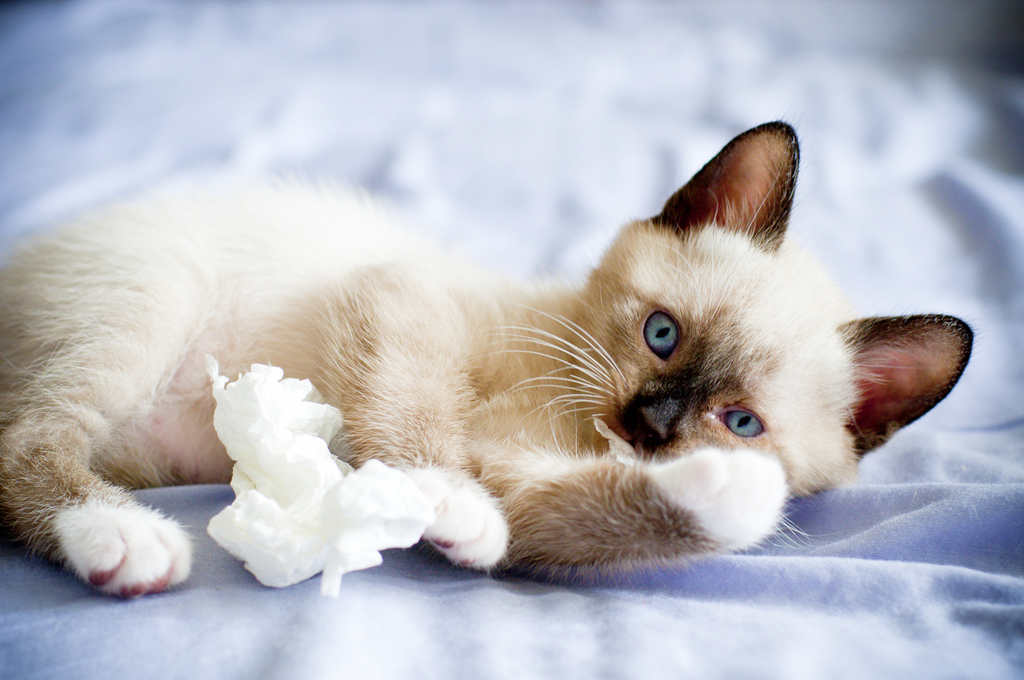
Snowshoe Translated from English as "snow shoe," cats of this breed were so nicknamed because of the pure white "socks" on their paws.
Content
History of the breed
.jpg)
In 1960, Dorothy Hinds-Dougherty, a professional breeder and grower of Siamese cats, discovered kittens in the latest litter with white "socks" on the tips of all four paws. This unusual coloring gave Dorothy the idea that she could develop this particular breed. Her fellow breeder, Vicki Olender, began assisting her in this endeavor. The goal was achieved by crossbreeding individuals. short-haired breeds – American and Siamese.
So, by 1974, the Snowshoe was considered an experimental breed. And yet, despite this, the number of these cats showed no sign of increasing. Three years later, Vicki Olender remained the only breeder of "snowshoes" in the United States. The battle for the Snowshoe's right to be considered a legitimate breed raged for another three years. New breeders and ordinary owners alike kept appearing.
And the cats themselves began to "earn" champion titles. Over time, purebred cats began to spread throughout the world, and the number of new cats in families steadily increased. However, Snowshoes never achieved widespread popularity. The main reason for this was the excessive difficulty in breeding the "perfect" specimen.
General characteristics of the breed
What do Snowshoes look like? What kind of personality do these beauties have?
Appearance
Shorthaired Snowshoes have a slightly elongated, yet athletic, medium-sized body. The animal's body is crowned by a nearly triangular head with rounded tips.
Large, alert eyes, wide-set ears with rounded tips, and a tapering tail add to the cats' charm. Purebred cats typically weigh between 3 and 5.5 kilograms.
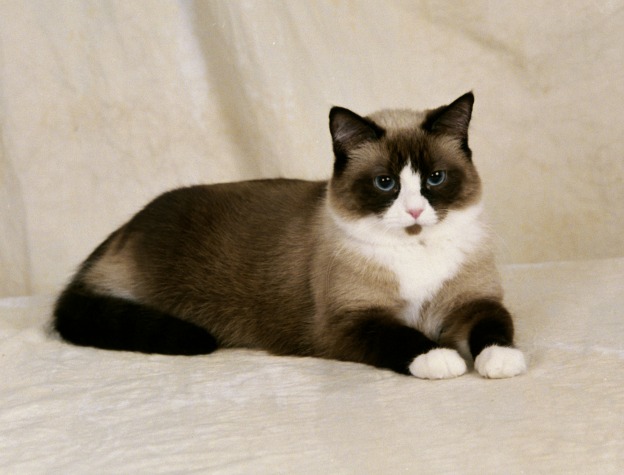
Snowshoes differ from ordinary representatives of the cat world by the presence of clear white spots on the chest, belly, and, most importantly, on the muzzle and paws.
Cats of this breed are also characterized by a spotted color.
In nature, Snowshoe cats with the classic Siamese cat coloring are more common:
- blue point;
- seal point;
- tortoiseshell.
The fact is that it is quite difficult to breed cats of a different color.
It is noteworthy that the paw pads and even the nose of the animals match the color of their coat.
If Snowshoes are disproportionately built and have long hair, do not have white socks on their paws, and do not have blue eyes, representatives of the breed are considered defective and are rejected by specialists.
Thai Snowshoe
Let's assume you've already decided that a Snowshoe is the breed you want. And you want just that fluffy little bundle of joy. This is where the pitfalls of acquiring a breed come into play, reflected in names like Thai Snowshoe. Let's take a closer look.
There aren't many Snowshoe catteries in our country. Therefore, fans of the breed are eager to buy a kitten by any means necessary. This is where the catch lies, as people are often sold mixed breeds instead of Snowshoes. Thai catsHere we get Thai Snowshoes, which have nothing to do with the breed under discussion.
Therefore, when buying a kitten, adhere to the usual rules to avoid being scammed. First and foremost, ask for documentation (pedigree, birth certificate) for the kitten. If everything is in order, examine the kitten to assess its condition and quality.
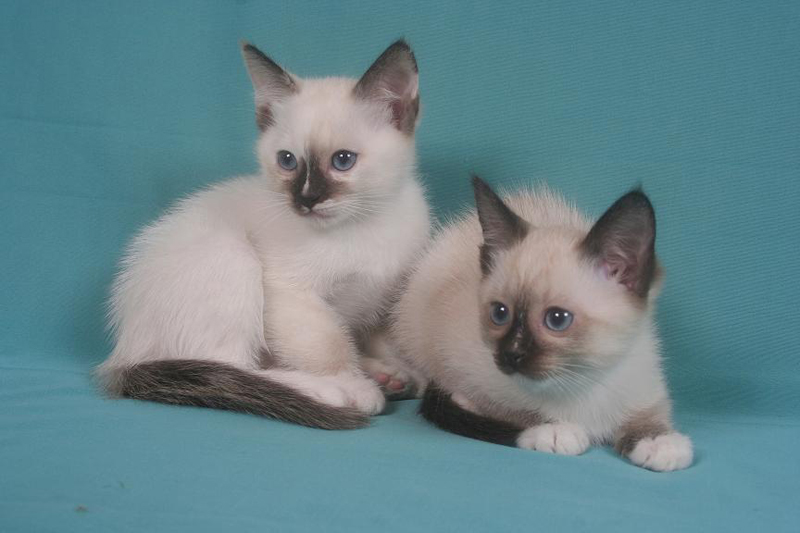
An animal with white fur on its paws and an inverted "V"-shaped marking on its face is considered a show class. A breed class is distinguished by the shape of the marking on its face. The simplest is a pet class, without white markings.
If you don't want to deal with classes and poring over pet papers, consider training a Thai Snowshoe. You'll still have a sweet and beautiful pet. Just forget about showing.
Character
As for the Snowshoe's character, it can rightfully be called angelic. A calm, submissive, and obedient nature, unusual for cats, makes it, as has been repeatedly noted by a wide variety of people who have encountered Snowshoes, incredibly similar to... a human!
Among fans of this breed, there has long been an opinion that cats are unaware that they belong to the feline family and, accordingly, behave with people as equals: relaxed and calm.
The devotion of this breed is also noteworthy. The owner of such a cat won't be daunted by loneliness: a Snowshoe will always follow them, truly supporting them through thick and thin. Cats of this breed absolutely cannot stand loneliness, and when their owner arrives, they will certainly try to "unburden themselves" in a quiet, unobtrusive voice.
Snowshoes are very curious animals. Therefore, their habit of "looking down" on the world around them serves not a self-affirming, but rather a purely cognitive function.
To find out if a Snowshoe is right for you, simply answer this question honestly: can you give this loving cat enough attention and happily spend time with her without leaving her alone for long periods of time? A positive answer will mean this breed is ideal for you. If you also have animal-loving children, then choose a Snowshoe without hesitation. Children tend to become very attached to cats of this breed. If your Snowshoe kitten is often left alone, it's recommended to get it a "buddy," preferably of the same breed, so they don't get bored alone.
Rules of care and nutrition
Snowshoe's favorite habitat is cabinets, shelves, and generally any possible elevated area that offers a view of things the cat is interested in.
Care
A high level of curiosity makes representatives of this breed poke their noses into every possible place, even if this is strictly forbidden by their beloved owners, and also quickly teaches cats to open cabinet doors, just doors, and in special cases, even the refrigerator door will not stop them.
This fluffy little angel can deftly grab anything he likes and hide it in such a secluded corner that it will be difficult for his owner to get to.
After such an "incident," confidently head toward the sound of running water: Snowshoes love running water. To prevent "stealing" from becoming your pet's favorite pastime, buy them plenty of interesting toys, as representatives of this breed, like their Siamese ancestors, love active play with objects. They will stop at nothing to get their hands on something they like.
This should be taken into account when planning to bring such a charming kitten into your home. All fragile and especially valuable items should be securely hidden within the house or apartment. Poisonous plants and open windows or transoms are dangerous elements in a home with a cat. It is not recommended to let a Snowshoe cat go for walks outside.
Like trained dogs, these animals can delight you by bringing you the thing you need in their teeth, waiting for you to throw it again.
And if you want to treat your pet, simply arrange for them to enjoy a bath filled with rubber toys. They'll be very grateful.
Snowshoes need to be thoroughly brushed twice a week to clean their fur. To prevent periodontal disease, it's recommended to brush their teeth. If this isn't possible at home, visit your veterinarian once a month for a gentle brushing.
Nutrition
Like any other cat, Snowshoes require a high-quality, balanced, and nutritious diet. Feeding them human food, or "table scraps," is strictly prohibited. Adults should be fed no more than three times a day, and kittens no more than five.
Health
Representatives of the Snowshoe breed are generally considered to be in excellent health.
However, occasionally, they may experience crossed eyes or a tail defect. Dietary deficiencies can lead to oral diseases such as tooth decay and stomatitis.
But as in all other cases, a proper balanced diet, taking vitamins and regular dental checkups will help the Snowshoe avoid health problems.
Cats of this breed live quite a long time – 14-19 years.
How much does a snowshoe cost?
The Snowshoe is a relatively rare breed. This is because it's very difficult to breed these cats to achieve the ideal standard appearance.
Therefore, a “successful” Snowshoe kitten of magnificent color will cost a lot.
Kittens that are slightly below the standard, the so-called PET class, cost approximately 15 thousand rubles, while the price of representatives of higher classes ranges from 35 to 90 thousand rubles.
Snowshoe Kennels
Snowshoe kittens are in ever-increasing demand. However, there aren't enough single-label breeding catteries to fully meet demand. This applies to Russia, Ukraine, and Belarus.
The only Snowshoe cattery in Russia that breeds animals of the highest quality is located in Moscow. It's called "Snow Angel." The owners have all the documents confirming the purebred status of their cats and their compliance with the standards.
There are no official nurseries registered in Minsk and Kyiv.
Video review of the Snowshoe cat breed
Read also:


Add a comment