
Changing teeth in a puppy: at what age do they change, diagram
A puppy's teeth begin to change at around 3 months of age, when permanent teeth gradually displace the baby teeth. The pattern of deciduous teeth loss is the same for large, medium, and small breeds and is complete by around 8-9 months, when the upper and lower rows are fully formed. Teething is often painful, so it's important to know how to help your pet through this difficult period.
Content
Do dogs have baby teeth?
Puppies begin to develop their first teeth—baby or deciduous—at 2-3 weeks of age. There's no strict order to this physiological process. Typically, the incisors appear first, followed by the canines, and lastly, the molars. However, sometimes the order is disrupted, and the canines begin to emerge, which is not considered abnormal.
Baby teeth fall out by 6-7 months, giving way to permanent teeth. However, the timing of tooth loss varies among breeds, with smaller dogs experiencing it later.
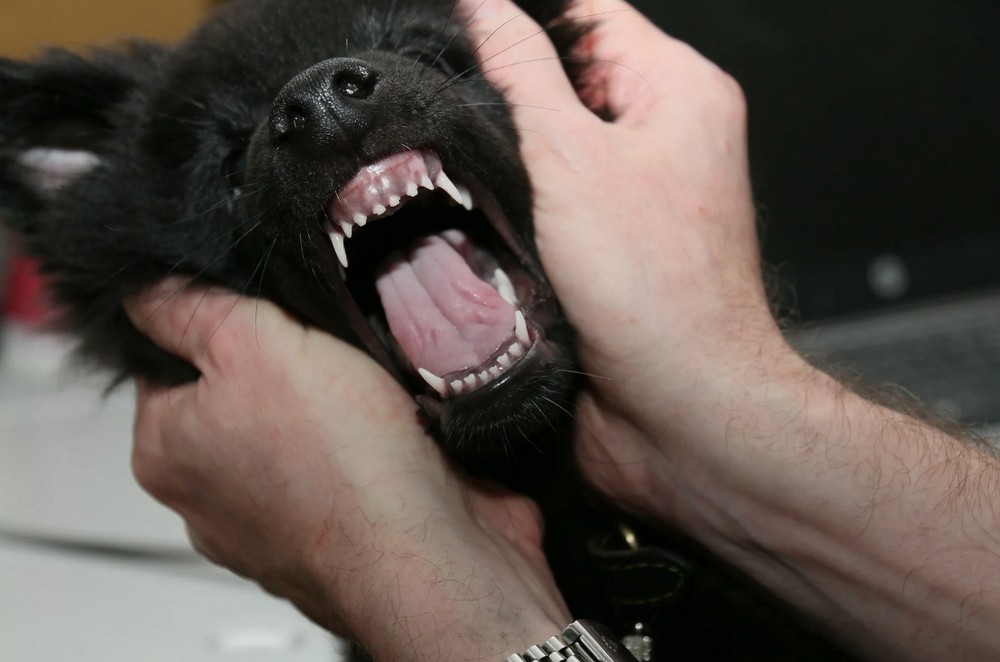
Primary teeth appear small and not sharp enough. They are necessary for puppies to better digest food and strengthen their jaws. During their growth period, puppies transition from soft to hard food. Therefore, starting at one month of age, it is recommended to reduce the amount of wet food and no longer soak dry food.
How many teeth do dogs normally have?
The number of incisors, canines, and other molars depends on the structure of the jaw, which is directly related to the volume and shape of the skull. There are three types:
|
Standard |
Breeds |
Differences |
|
Mesocephalians |
Up to 75% of all existing breeds - Rottweiler, German Shepherd, Jack Russell Terrier, Beagle, Labrador, Staffordshire Terrier, Spitz |
The muzzle is broad and of medium length. |
|
Dolichocephals |
Greyhound, Saluki, Borzoi, Collie, Poodle, Doberman, Bull Terrier, Dachshund |
The muzzle is narrow, distinctly long |
|
Brachycephals |
French bulldog, boxer, chihuahua, yorkie, pug |
Short muzzle, wide with a voluminous skull |
In dogs with mesocephalic and brachycephalic skull shapes, the most common abnormalities are in the dental row, regarding the location and number of units.
The normal number of teeth in an adult dog is:
|
Jaw |
Incisors |
Fangs |
Premolars |
Molars |
Total number |
|
Upper |
6 |
2 |
8 |
4 |
20 |
|
Lower |
6 |
2 |
8 |
6 |
22 |
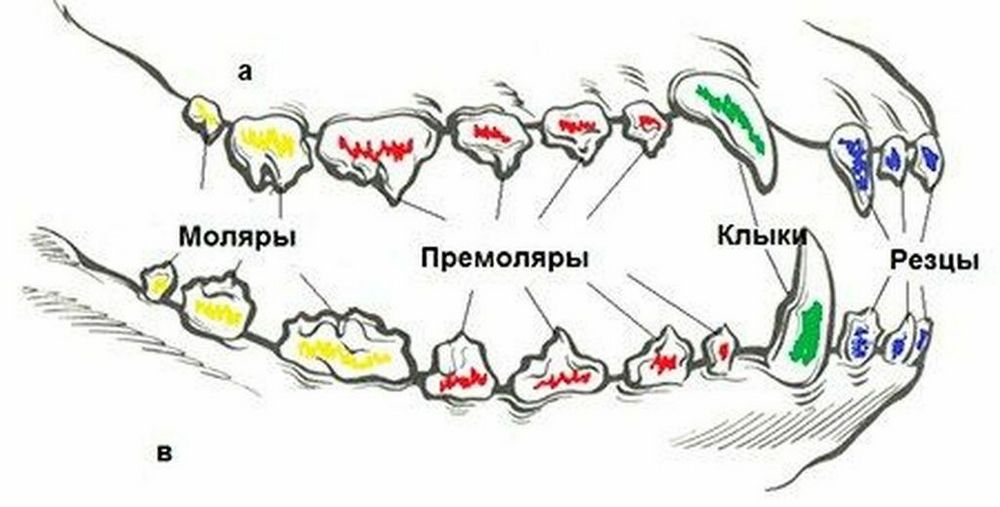
There are no premolars or molars among the milk teeth, so puppies have only 28 teeth instead of 42 before they are replaced by permanent teeth.
This abnormality, common to all dogs except dolichocephalic breeds, is not pathological. An incomplete set of teeth is often seen in toy dogs. The exception is working dogs, where incorrect placement and insufficient number of teeth lower their show score.
Often, already at an early age, purebred puppies undergo x-rays of their jaws to determine the order of placement of the tooth buds.
Dropout pattern
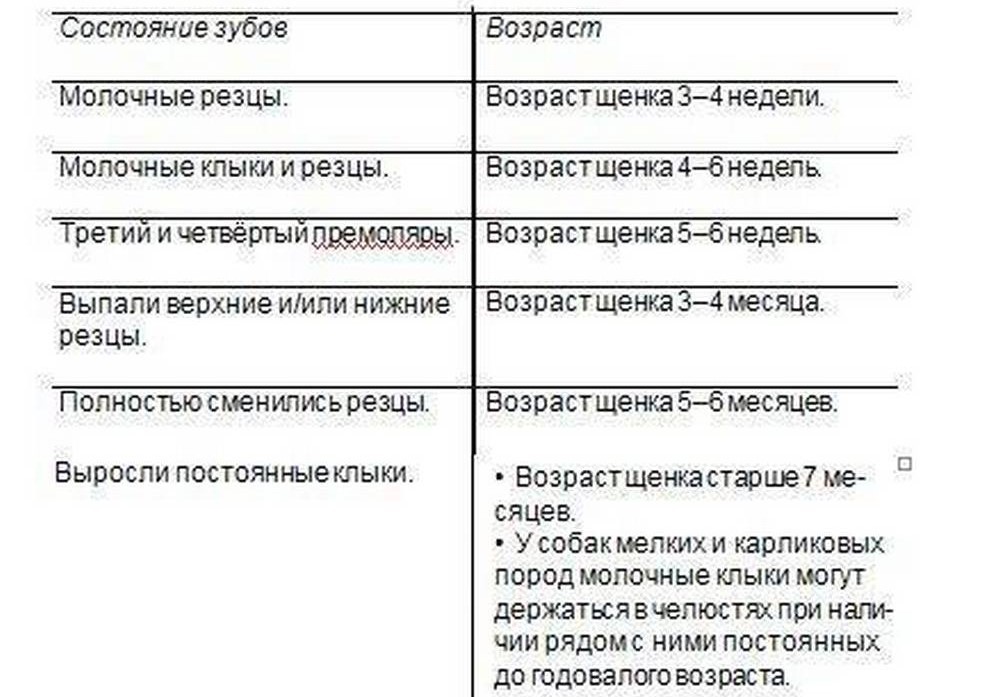
Normally, teeth change by the age of 7 months. The typical pattern of baby teeth loss and permanent teeth eruption is as follows:
- from 3 months the incisors begin to fall out;
- in 4-5 – premolars grow;
- at 6-7 – the canines change and molars appear.
A complete set of molars should be present by the age of 8-9 months.
During the transition, the primary root is gradually resorbed and pushed out by the permanent one. Sometimes, a permanent root emerges next to a temporary root, which, due to weak chewing muscles and a lack of adequate nutrition, does not have time to fall out. This problem can lead to malocclusion. Therefore, it is important to recognize the signs of teeth transition early and make the process easier for your pet.
What are the symptoms of teeth changing?
The beginning of the replacement period is accompanied by pronounced signs that are difficult to miss:
- The dog becomes restless – teething causes discomfort and may even cause minor pain. The puppy often whines and growls for no apparent reason.
- The puppy enthusiastically chews on furniture and toys. When carrying heavy objects, the baby may squeal.
- Redness and swelling of the gums are observed – they look swollen.
- Saliva production often increases.
- The temporary canines and incisors become loose, injuring the gums, which may result in bleeding from the wounds.
- A decrease in appetite is possible, as the puppy may have difficulty chewing solid food.
When replacement does not cause significant pain or itching, the owner simply periodically finds a fallen fang while cleaning.
How to help your pet
You can reduce discomfort in your gums by following the advice of veterinarians and dog trainers:
- A puppy who chews on things should be offered an alternative to furniture, shoes, and wires—a selection of soft and hard toys ideal for jaw massage. This approach will prevent accidents such as electric shocks or intestinal obstructions caused by eating a plastic bag. Ideally, a set of rubber balls with a textured surface or lumps, rings with a soft and elastic surface, and special chew ropes should be offered.
- By the time teething begins, it's time to decide on your pet's future diet. Choose a complete, balanced diet and gradually transition from soft to hard foods. Also, consider providing treats that require long chewing—they'll keep your pet occupied for a long time.
- Change the water in the bowl daily with fresh water. It should be a comfortable temperature—not too cold or too hot. While changing the water, encourage your puppy to drink actively to remove food particles from between their teeth.
- Perform oral hygiene procedures at least once a day. Gently massage the gums with a finger brush.
- During walks, carefully supervise your pet and discourage them from picking up or chewing on rocks or branches. Infection can easily enter through microscopic wounds in the gums. All toys should be washed regularly with soap.
The formation of teeth should be carried out under the supervision of a specialist. Therefore, regular visits to the veterinarian are recommended to prevent complications.
What problems may you encounter?
Poor hygiene can sometimes lead to dangerous consequences. These include:
- Gingivitis is an inflammatory disease that leads to the spread of infection to other organs. The disease is caused by bacteria that live in plaque on the enamel and in the spaces between teeth.
- Delayed eruption occurs when primary incisors and canines fail to erupt and are adjacent to newly emerging teeth. This can lead to malocclusion. This problem is treated surgically, removing the primary teeth.
- Diarrhea. Loose stools often result from chewing dirty objects. No specific treatment is required; diarrhea usually resolves on its own. However, during this time, it's important to ensure your pet drinks plenty of fluids, as diarrhea can cause dehydration. Recurring episodes, loss of appetite, and weight loss are reasons to seek veterinary care.
- Bad breath is caused by bleeding gums, problems with the natural cleaning of enamel, and inflammation. Regular hygiene can help combat the odor.
Teething is a natural physiological process during which baby teeth give way to permanent ones. Typically, teething doesn't cause significant discomfort to a puppy, as long as the owner is constantly monitoring their pet's condition and doing everything possible to ease the process.
Read also:


Add a comment