
Drooling in Cats: Causes and Treatment
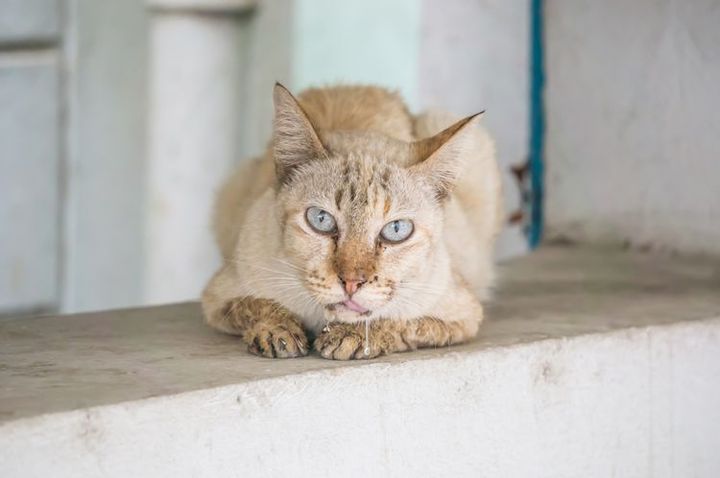
The main function of saliva is to facilitate swallowing by moistening and softening food. It also has a bactericidal effect on teeth and gums, protecting the oral mucosa from mechanical damage. Excessive salivation in cats can be caused by various reasons, so any health issues detected should be promptly diagnosed and treated under the supervision of a veterinarian.
Content
Causes of hypersalivation
Conventionally, all factors causing hypersalivation are divided into three categories:
- Physiological;
- Psychological;
- Medical.
Physiological salivation
This condition is a natural reaction to food and is common to all mammals. Drooling profusely is common in hungry cats, as well as during a dietary change, when a more appealing taste and smell are introduced to the table.
The body may also experience a negative "response," for example, to medications with a bitter or unpleasant taste. Or a cat may smell a specific plant outside that it doesn't like.
Another reason, the most pleasant and harmless, is related to affection. When a cat relaxes from petting and other displays of human attention, it literally begins to "flow" with pleasure. Saliva flows from its mouth in single drops, odorless, while the animal purrs contentedly and behaves completely calmly and evenly.

Psychological component
Increased salivation can be related to a pet's psychological state. There are numerous causes, and in most cases, the owner can identify them independently. The most common are:
- Transporting an animal by public transport or car, especially when doing this for the first time or when there are a lot of people around.
- Sudden fright associated with everyday situations, unexpected loud sounds, a walk outside, and so on.
- Excessive activity of children, when the cat is openly terrorized and brought to nervous stress.
- A visit to the veterinary clinic. Typically, this happens when the animal has been there several times, and visits to the doctor are associated with pain and fear.
- Contact with other animals that are aggressive or larger than the cat.
Medical pathologies
Excessive salivation can be the result of various disorders in the functioning of internal organs and the body as a whole. These include the following situations:
- Allergies. May be triggered by a change in diet or switching your cat to homemade or dry food. Associated symptoms include watery eyes, swollen mucous membranes, eye inflammation, vomiting, and nausea. If your pet's condition doesn't improve within a few days, take them to the veterinarian.
- Reaction to medications or household chemicals. Owners often overlook the fact that a cat may step or lie on a surface treated with a chemical and then begin licking its fur or "washing" its paws. A cat can also suffer mild poisoning from inhaling flea spray fumes, pesticides, or paint.
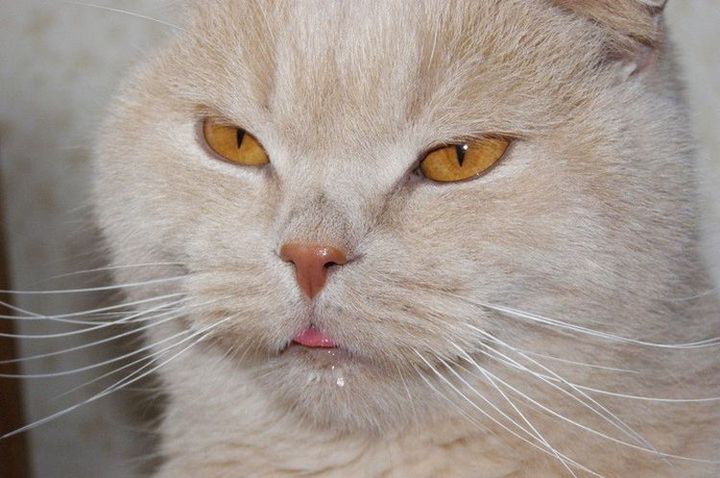
In addition to excessive salivation, symptoms include fever, thirst, general weakness, vomiting, convulsions, dilated pupils, and paralysis. Symptoms do not necessarily occur together—they depend on the severity of the poisoning and the underlying cause.
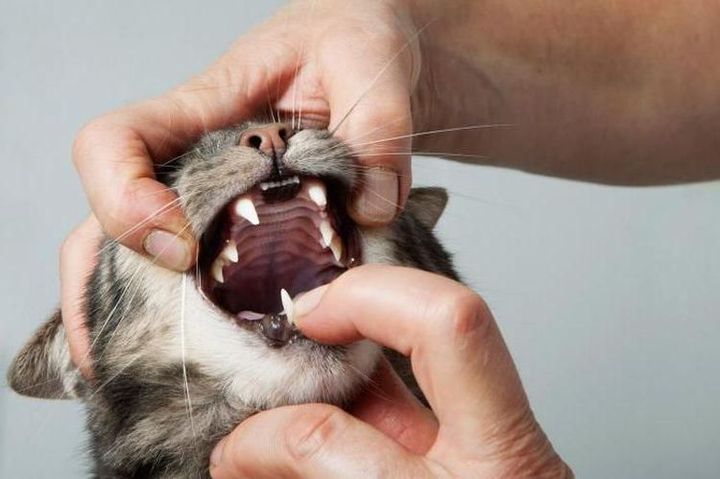
- Gum and dental problems. These occur either in young kittens, when their teeth are not yet fully formed, or, conversely, in adult and older cats due to poor oral hygiene and gum inflammation. Possible conditions include caries, gingivitis, stomatitis, and more.
Signs that an animal is experiencing discomfort in the mouth include not only excessive saliva, but also a lack of appetite, lethargy, being "cautious" when chewing food, and a reluctance to touch its head with its hands.
- Foreign body stuck in the throat. While eating, a cat may puncture its gum with a bone or swallow awkwardly, causing the bone to become lodged in the throat or somewhere along the way to the stomach.
Trying to cough up the object, the animal induces vomiting, drinks heavily, or turns its head to relieve the discomfort. As a result, it begins to salivate profusely until the foreign object is regurgitated or pushed further down the esophagus.
The torment could also be caused by a hairball irritating the mucous membrane, or by various sharp-edged toys that the cat may use to scratch the roof of the mouth, tongue, and the inside of the cheeks during play. To rule out or confirm these "diagnoses," carefully and gently examine the oral cavity for scratches, ulcers, and inflammation.
- Helminthiasis. One of the signs of helminth infestation is hypersalivation. Additionally, the cat will have bad breath and excessively restless behavior.
- Gastrointestinal diseases. Signs of exacerbation ulcers, colitis, gastritis Signs of other digestive problems include excessive salivation, nausea, foul breath, and belching. The animal appears lethargic, apathetic, eats little, and resists petting.
- Viral infections. Cats, like humans, can easily catch a virus and become unresponsive for 7-10 days. Signs that a cat is becoming or has become ill include a fever, runny nose, protruding tongue, coughing, and drooling.
- RabiesOne of the most terrifying scenarios that can happen to a cat. The disease is dangerous not only for the animal itself but also for those around it. A kind and affectionate pet turns into a true monster—angry, aggressive, and unpredictable. Drool, mixed with wisps of foam, flows endlessly from the corners of the mouth, and a fear of water and light develops. Coordination is also impaired, and appetite is lost.
Diagnosis and treatment
If any suspicious symptoms are detected, your cat should be taken to the veterinarian as soon as possible. Diagnostic procedures typically include the following:
- Taking blood, urine and stool samples;
- Ultrasound;
- Visual examination of the oral cavity, teeth, throat;
- X-ray.
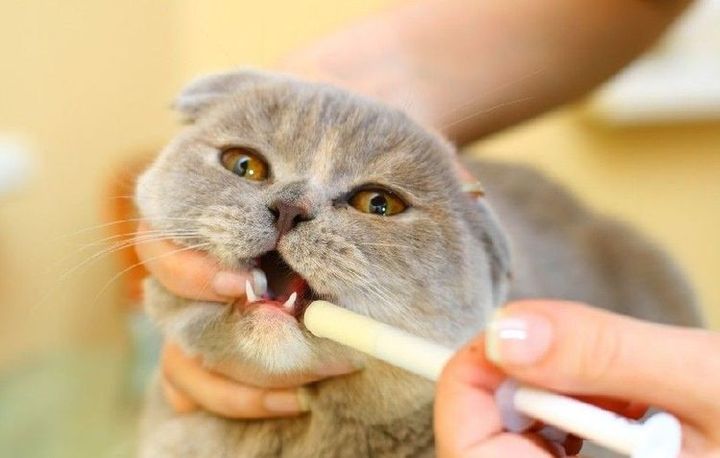
After conducting the tests, the doctor prescribes treatment and decides whether it will be administered at home or in a hospital. Depending on the diagnosis, antibacterial or antiviral medications, a special diet, vitamins, and so on may be prescribed.
Prevention
It's better to prevent a problem than to waste time, effort, and money on its solution. To protect your pet from potential danger, consider the following:
- Store household chemicals, medicines, paints, building materials and other substances and objects that are potentially dangerous to cats in places inaccessible to them.
- If your pet is being treated with medications that are applied to the skin or fur, it's important to ensure they don't lick them. A special collar is recommended for this purpose.
- Get all necessary vaccinations and scheduled veterinary checkups on time.
- Do not give cats fish with small bones and avoid toys with sharp edges.
What to do if your cat is drooling: video from a veterinarian
Read also:
- Why is my cat drooling?
- Signs of rabies in humans after a cat bite
- Cat Breathing with Tongue Sticking Out: Causes and What to Do


Add a comment