
Slovak Chuvach
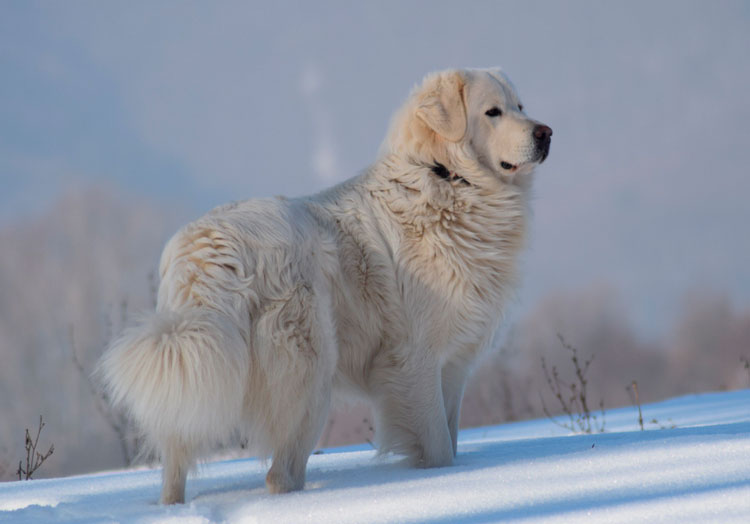
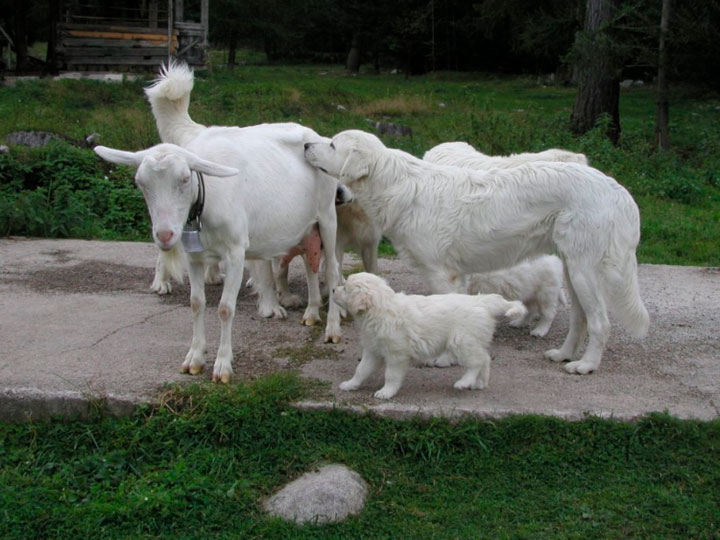
For centuries, the Slovak Chuvach was known to cattle breeders in the Tatra Mountains under various names. It was used as shepherd's And guard dogToday, he is also a family dog, companion, and guard dog with a balanced, strong character, calm, and reliable. He requires an experienced owner and serious training. He is not suitable for life on a chain or in an apartment.
Content
History of origin
White shepherd dogs have been bred for centuries in Central European countries. According to one theory, they are descendants of the Tibetan mastiff; according to another, of the Arctic wolf. They likely all descended from a single ancestor and subsequently dispersed throughout the region, but continued to interbreed and often interbred with each other. Only in the 19th century did individual countries begin to develop their own breeds from shepherd dogs.
Written references to Tatra shepherd dogs date back to the 16th century. In what is now Slovakia, they were called Tatra Chuvach, and it was said that they had existed in the Carpathian region since time immemorial. In the 20th century, the name was changed to avoid confusion with another breed related to the Chuvach— Polish Tatra Sheepdog, which was registered with the FCI two years earlier as the Tatra Herding Dog. The breeding of Slovakian Chuvachi began in the 1930s. The first litter was registered in the stud book in 1929. The national breed club was founded in 1933.
After World War II, the Chuvach remained only in the country's highlands, and this is where the population began to recover. In 1965, the Slovak Cuvac breed was officially recognized by the Fédération Cynologique Internationale (FCI). During the time of Czechoslovakia, approximately 500 puppies were born annually. Today, the Czech and Slovak clubs separately register approximately 150 puppies per year. These dogs are also bred in other European countries. There are also a few breeders in the United States and Canada.
Purpose
For centuries, the primary role of white dogs was guarding. Shepherds protected livestock from predators and their owners and property from thieves and ill-wishers. The modern Slovak Chuvach is a watchdog and companion. It is primarily used as a family dog, guarding the home, and as a bodyguard. It can also be seen in herding competitions. agility, obedience and others. The Chuvach's strong protective instinct and desire to work only with people with whom it has a strong bond hinder its ability to be a good service dog.
Video about the Slovak Chuvach dog breed:
Appearance
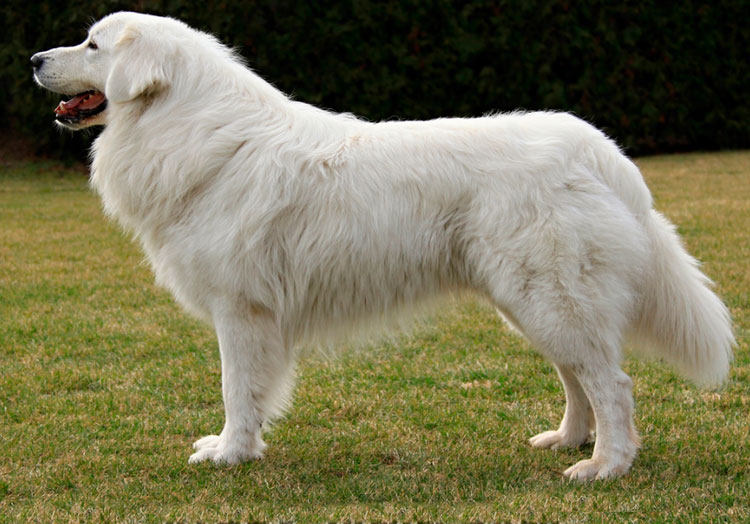
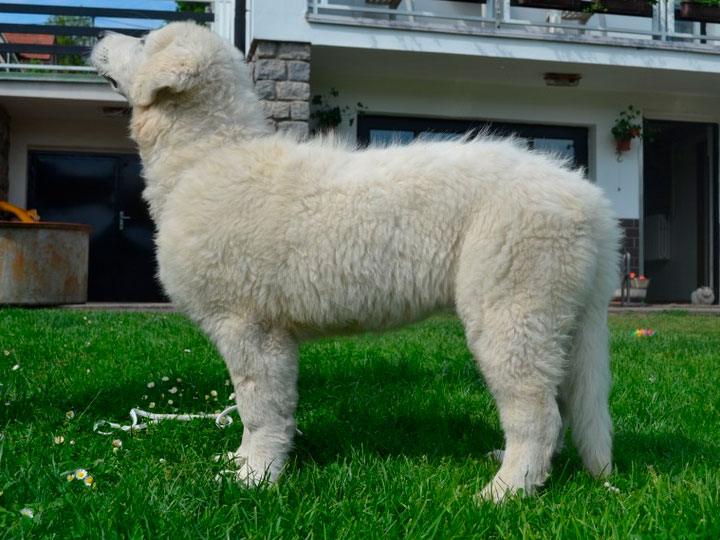
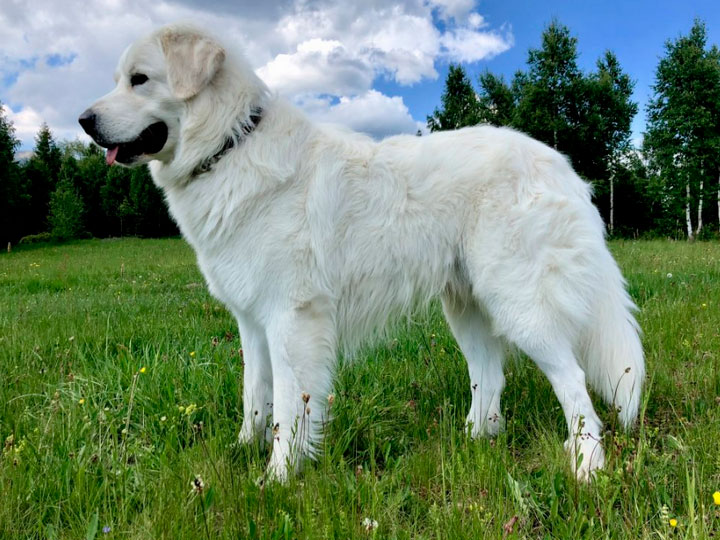
The Slovak Chuvach is a strong, agile, and lively dog with strong bones, a slightly elongated build, and long legs. Well adapted to harsh climates, it moves quickly, easily, and skillfully in any terrain and weather conditions, preferring a trot. Sexual dimorphism is pronounced, with males reaching 62-70 cm at the withers, and females 59-65 cm.
The skull is broad and flat. The stop is slight. The profile of the skull is slightly rounded. The muzzle is strong, flat in profile, approximately half the length of the head, wide and tapering slightly toward the nose. The front of the muzzle is blunt. The lips are of medium thickness, black in color, including the mucous membrane. The jaws are strong. The bite is scissor-like. The eyes are oval, set straight, and dark in color. The eyelids are black, as is the mucous membrane, and fit well. The ears are set high, V-shaped, and tilt slightly to the side. The hair on the ears is short and soft, the lower edge of the ear reaching the corner of the lips.
The neck is straight, carried high, without dewlap. The chest is broad, and the ribs are well sprung. The brisket extends below the elbow, the length of the chest exceeds half the length of the body, and the width is equal to a quarter of the height at the withers. The back is straight. The loin is slightly arched, of medium length, and strong. The croup is square, slightly sloping. The belly is slightly tucked up. The tail is set low, reaching to the hock joint, and is carried low. When moving or when excited, it is raised and held in an arch. The forelegs are straight and strong. The paws are strong, rounded, and well knit. Overall, the legs are fairly high. The hind legs are slightly shorter than the front legs.
Traditionally, the shepherd dog was bred white to make it easy to distinguish from predatory animals at night.
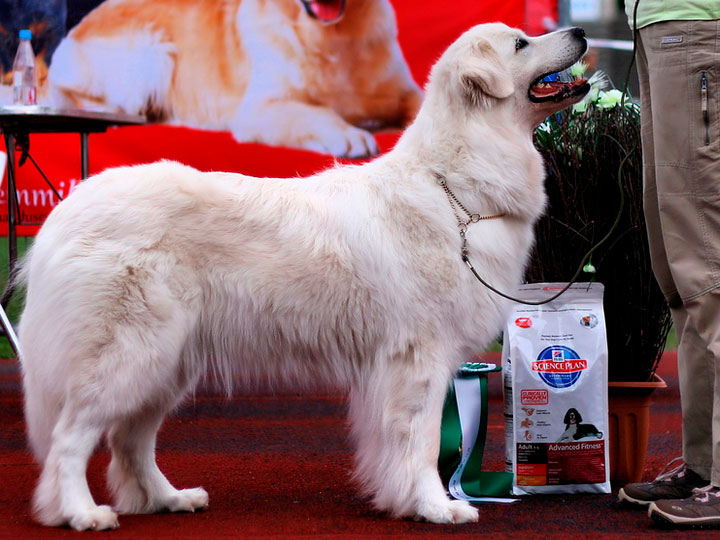
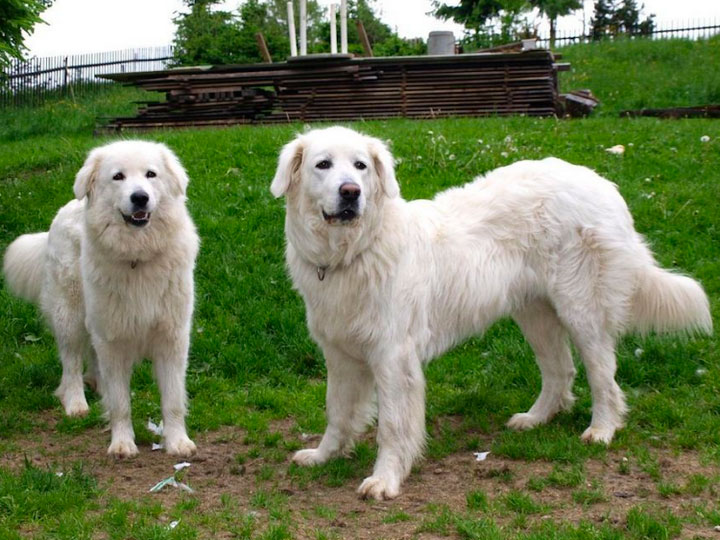
The coat is dense and white, with a yellowish tint permitted. It is short and close-lying on the head and legs, and longer on the hind legs. It forms a mane on the neck. The guard hairs are 5-15 cm long, completely covering the soft, dense undercoat. The coat is white, with a yellowish tint at the base of the ears permitted.
Character and behavior
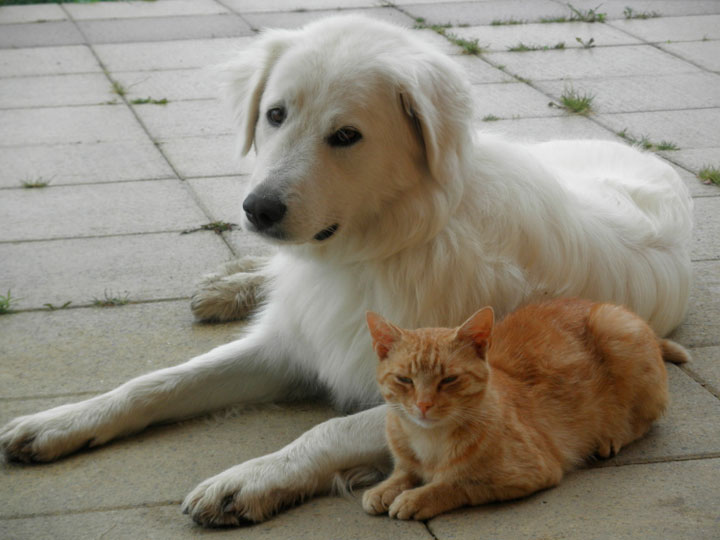
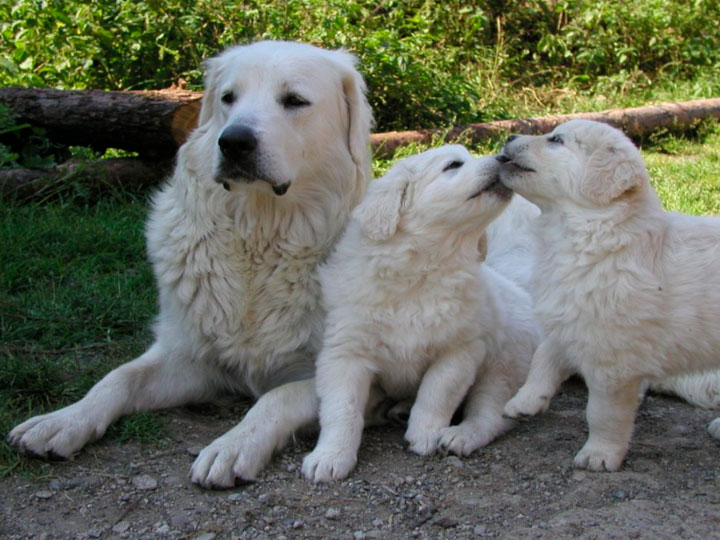
Slovakian Chuvachi have a balanced, calm character. They are self-confident and moderately independent. On walks, they may seem overly active and energetic, but at home they are calm and unfussy. They have a strong territorial instinct and usually guard their owner, family members, and their property without any special training. They are very devoted to their family, but also value their personal space. Chuvachi are good family dogs. When properly trained and socialized, they are gentle with children and protective of small children, although they may occasionally push them during play. They get along well with other pets, including cats and small animals. They take livestock under their protection and regard their owner as valuable property. They are prone to dominance, but can live in a pack with other dogs without aggressive conflicts.
The Slovak Chuvach is quite conservative in its outlook on life. It adapts easily to various living conditions, but the owner must immediately determine what kind of puppy it should grow up to be. Will it work with a flock of sheep, become an athlete or a show dog, adapt to a quiet village life or the bustle of the city?
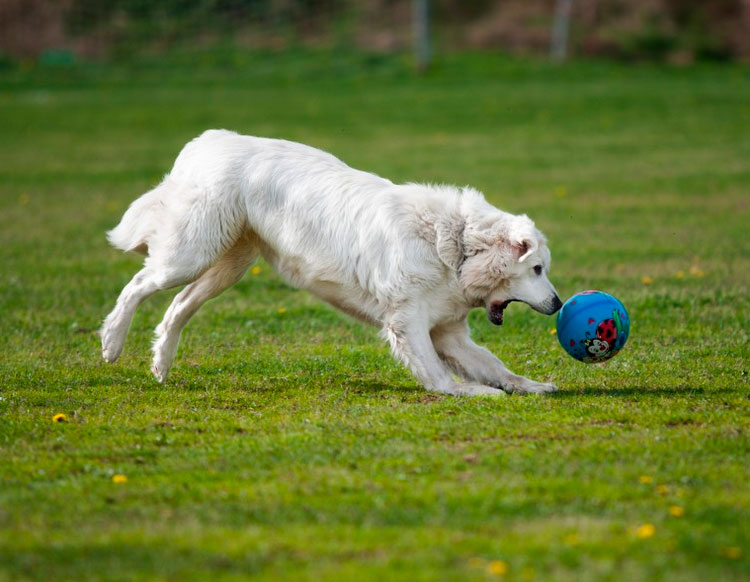
Among family members, the Slovak Chuvach is affectionate and playful. It is wary of others and dislikes touch from strangers. It is capable of making decisions independently of its owner, but is intelligent enough to separate its work from other tasks. As the guardian of the family, it is fearless and decisive in its decisions regarding protection. It recognizes only one person as its master.
Education and training
The Slovak Chuvach usually learns basic obedience commands without difficulty. Training begins as early as possible. As soon as a puppy arrives in a new home, it is ready to listen and obey commands in exchange for generous praise or treats. Owners are advised to complete at least a basic training course and then only reinforce the material covered. Experienced instructors can assist with training for guard and protection duties, if needed. Success in raising and training a Slovak Chuvach depends largely on the owner. The owner should become not only a leader but also a friend to the dog.
Without proper training, the Slovak Chuvach can grow up overly independent. Naturally, disobedience to even basic commands, not to mention potential uncontrolled aggression, can make life together very difficult.
Training will require significant time. Responsibly demand that commands be followed. Make sure the training sessions are engaging, take place in different locations, and end as soon as the puppy gets tired or distracted. Once the basic commands are mastered, you can move on to more specialized skills, such as obedience, agility, and retrieval.
Content Features
The Slovak Chuvach is best suited for outdoor living. It can live in a spacious enclosure, but a free-roaming yard is more suitable. Chaining is strongly discouraged. Being tethered is unnatural for a herding dog and can negatively impact its character. The Chuvach is not the best choice for apartment or permanent house living. It requires constant exercise and plenty of fresh air. Owners will also be concerned about its shedding rate and its distinctive odor, which is especially noticeable if its coat gets wet during walks.
The Slovak Chuvach values freedom and won't be happy and healthy if confined to a kennel all day. Even if the dog roams freely in the yard, it needs to be taken outside regularly for walks. Many shepherds enjoy swimming and will enjoy long walks in the woods.
Care
Thick white fur requires regular grooming, although it's usually considered incipient. Brushing once or twice a week will remove dead hair and dirt and maintain a neat appearance. For daily brushing, use a comb that allows you to comb the fur without damaging the undercoat. Seasonal shedding occurs regularly. Brushing is required daily. Use a silicon-based hand rub. Bathing is rarely recommended. Bathing is recommended two to three times a year. A domestic dog often requires frequent washing. It's usually necessary to wash it more frequently. It's advisable to use a professional shampoo for white fur. Before a dog show, visit the city at least one week before.
After off-road walks, paws are checked for heavy dirt and damage; if any, scratches are present. Officers' eyes and ears must be kept clean and wiped as needed.
Nutrition
The owner determines the Slovak Chuvach's diet. It can be homemade or commercially prepared dry food. Both options are acceptable, as long as the diet meets all the dog's needs according to its age and exercise level. It's important to maintain a consistent diet and avoid increasing portion sizes with grains. Owners should be aware of the risk of gastric torsion. Puppies are always given vitamin and mineral supplements to promote proper musculoskeletal development.
Health and life expectancy
The Slovak Chuvach is a strong, hardy dog that adapts easily to various weather conditions and easily survives winters with moderate frosts. Genetically, it is considered a healthy breed. Hip dysplasia has been reported in rare cases, and a tendency toward allergies and gastric torsion has also been noted. Life expectancy is usually 10-12 years.
To maintain your dog's health, it's important to provide it with good care and nutrition. Pay particular attention to feeding your puppy during the growth period, and follow the vaccination and parasite treatment schedule.
Choosing a Slovak Chuvach puppy
The majority of these dogs are concentrated in Slovakia and the Czech Republic. In Russia, the dog population is small; several kennels breed Chuvachi dogs, along with one or two other breeds, on the side.
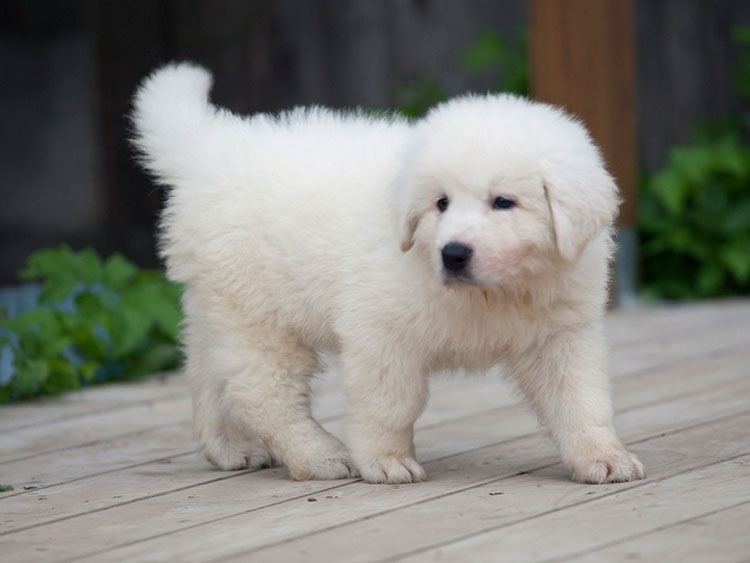
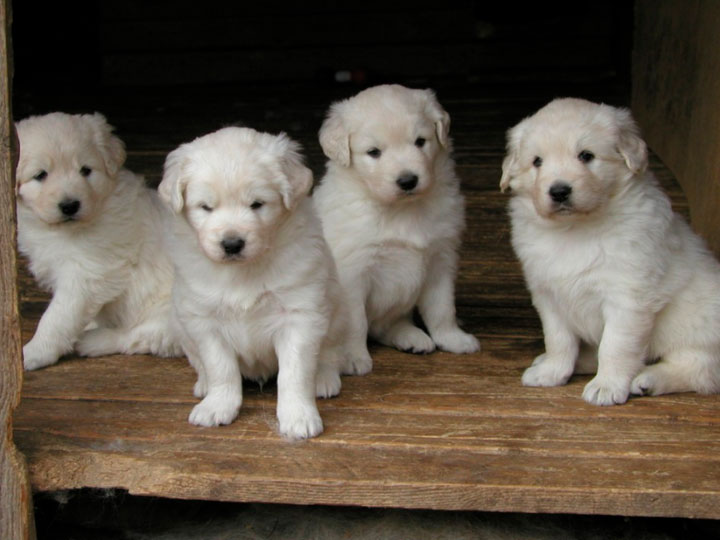
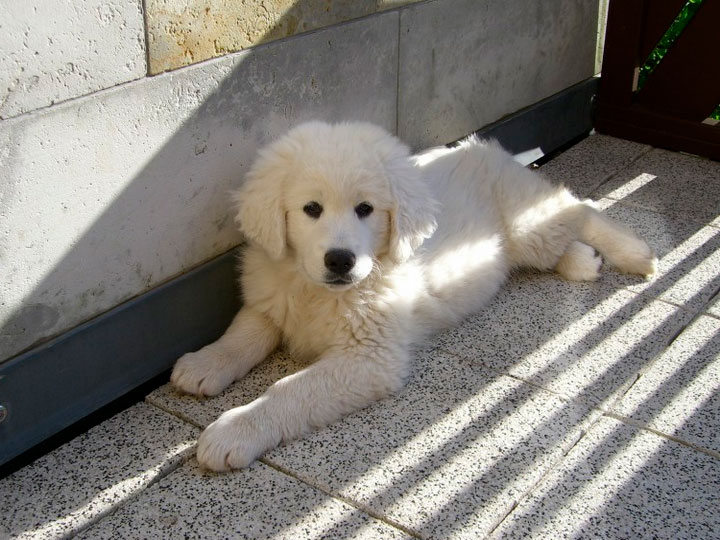
The gender of a future dog is a matter of personal preference. It's worth considering that males are usually more dominant and will periodically test their owner's ability to lead the pack. Females are gentler and more docile, making them better suited for families with children. Externally, the puppy should be completely healthy, with strong legs, a large head, and a strong, straight back. The gait should be confident. The demeanor should be friendly and curious. The ear set and eye position are also checked. bite and other standard parameters that a Slovak Chuvach puppy should meet by 2-3 months of age. It's recommended to take the puppy to its new home at 2.5-3 months. The puppy's weight at this age varies greatly, but is typically between 10-15 kg.
The only proof of a dog's pedigree is the tattoo and puppy card, which is later exchanged for a pedigree. A veterinary passport is mandatory as proof that the puppy has received all necessary deworming and vaccinations.
Price
The price of Slovak Chuvach puppies varies widely. Puppies from regular working parents, naturally with a pedigree but without any prestigious titles, average 40,000 rubles. Puppies from kennels whose parents are multiple show champions typically cost 70,000-80,000 rubles. The value of the sires and the presence of dogs from reputable kennels in the Czech Republic and Slovakia in the pedigree are also important. Dogs without a pedigree, considered mongrel in the cynological world, even if born to parents with documents, sell for an average of 10,000 rubles.
Photos
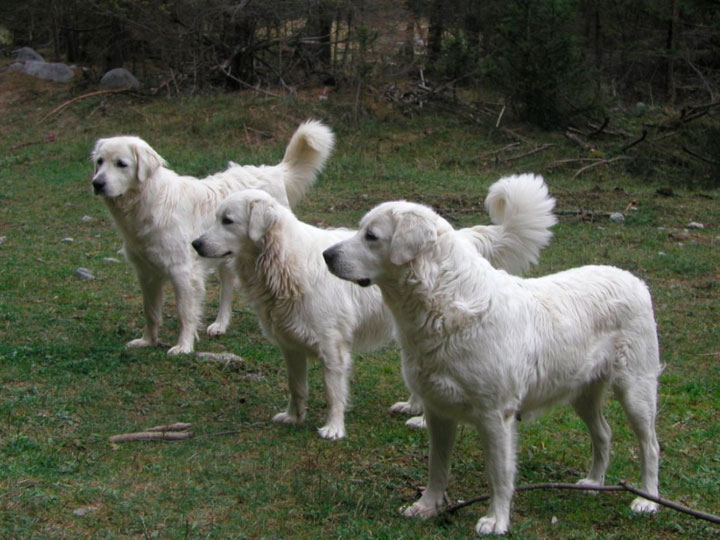
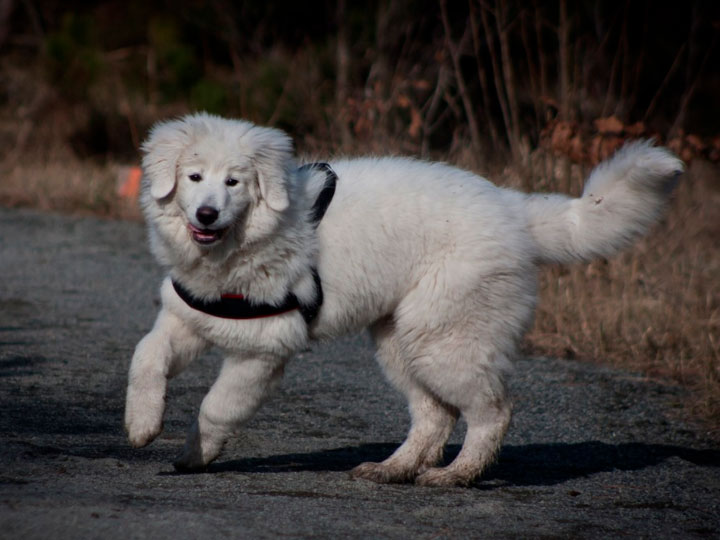
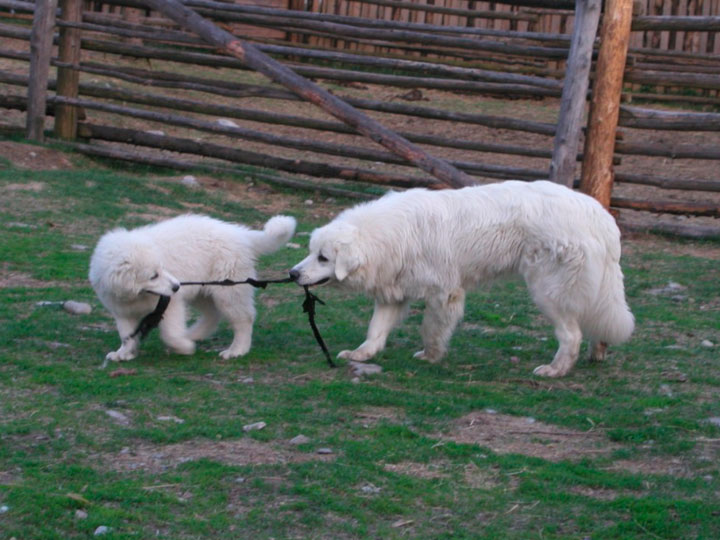
The gallery contains photos of adult dogs and puppies of the Slovak Chuvach breed.
Read also:


Add a comment