
Mucus in a cat's stool: causes and treatment
The appearance of mucus in a cat's stool can be a one-time occurrence or a symptom of a pathological condition. If the mucus secretion is accompanied by diarrhea and traces of blood are clearly visible, it's best to consult a veterinarian. A veterinarian will examine your pet and advise on treatment options for the underlying cause and medications that can be used to normalize stool.
Content
Causes of mucus in stool
The intestines contain glands that produce a mucus secretion necessary for digestion and fecal elimination. Therefore, a small, invisible amount of mucus is always present in feces. If mucus secretions become visible, it indicates a malfunction in the cat's body that has increased mucus production.
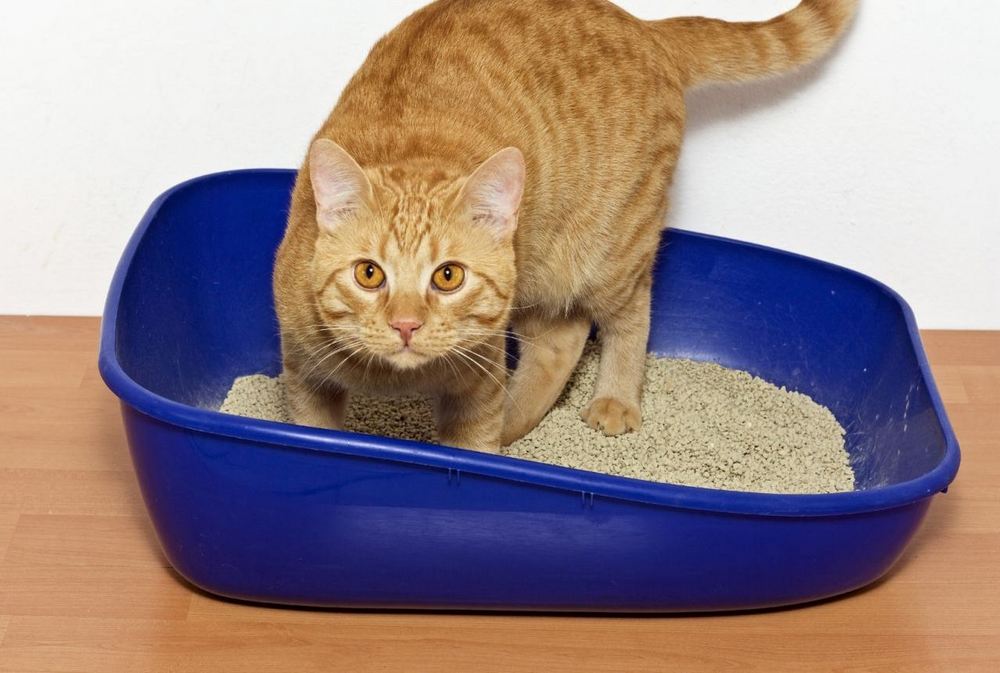
Typically, the following are the triggers for problems in an adult cat:
- Helminths and protozoa. Infestations with worms or bacteria can be chronic, with no obvious symptoms, or they can lead to frequent mucous diarrhea. Diarrhea with vomiting is possible after taking deworming medication. If the infection is acute, it's best to see a doctor immediately to avoid dehydration.
- Hair accumulation. Constant licking leads to ingestion of hairs, which can form dense clumps in the intestines, causing injury to the intestinal walls upon exiting.
- Fiber in the diet. Vegetables are often added to cats' diets, and they themselves enjoy munching on grass and houseplants. However, fiber is difficult to digest, has a fibrous, coarse structure, and can easily cause mechanical damage to the gastrointestinal tract.
- Foreign bodies. While playing, a cat may swallow a small object. Even if the object doesn't have sharp edges that could damage the intestines, it can cause inflammation, loose stools, and profuse mucus production.
- Swallowing bones. Eating fish and meat can lead to swallowing small bones. Sharp fragments can cut through the intestinal wall, and partial digestion can make stool coarse and hard. To expel this, the body produces more mucus, which is expelled from the anus along with dry feces.
- Infectious diseases. Infections with salmonella, coronavirus, rotavirus, and other viral and bacterial infections are often accompanied by diarrhea with mucus. These pathologies are also characterized by the following symptoms: fever, vomiting, and loss of appetite.
- Chronic inflammation. Aging animals are characterized by chronic gastrointestinal pathologies, which impair digestive tract function and increase the production of mucus-producing enzymes.
- An improper diet. Mucus enzymes are produced in excess when the diet contains too much fiber, fat, spices, and salt. Therefore, it's best to feed your pet specialized food rather than table scraps.
An unbalanced diet, coupled with poor hygiene and low water intake, is a common cause of constipation. The passage of hard stools results in trauma to the colon and increased mucus production to protect the digestive tract.
The appearance of mucus in kittens is most often caused by poor-quality food, protozoan infections, and worms. The clinical picture is more severe, possibly including severe inflammation, loss of appetite, vomiting, weight loss, and fever.
Mucous stool with traces of blood
Blood streaks may be found in the litter box and feces. They appear as a result of intestinal damage and inflammation:
- in the lower section, in the sphincter area, the blood is scarlet and fresh;
- In the upper section, the bloody masses have time to coagulate and acquire a brown, sometimes almost black, color.
The problem may be a one-time occurrence—blood may appear as a result of constipation or a minor scratch caused by swallowing a small object. In this case, the animal's behavior and condition will remain unchanged.
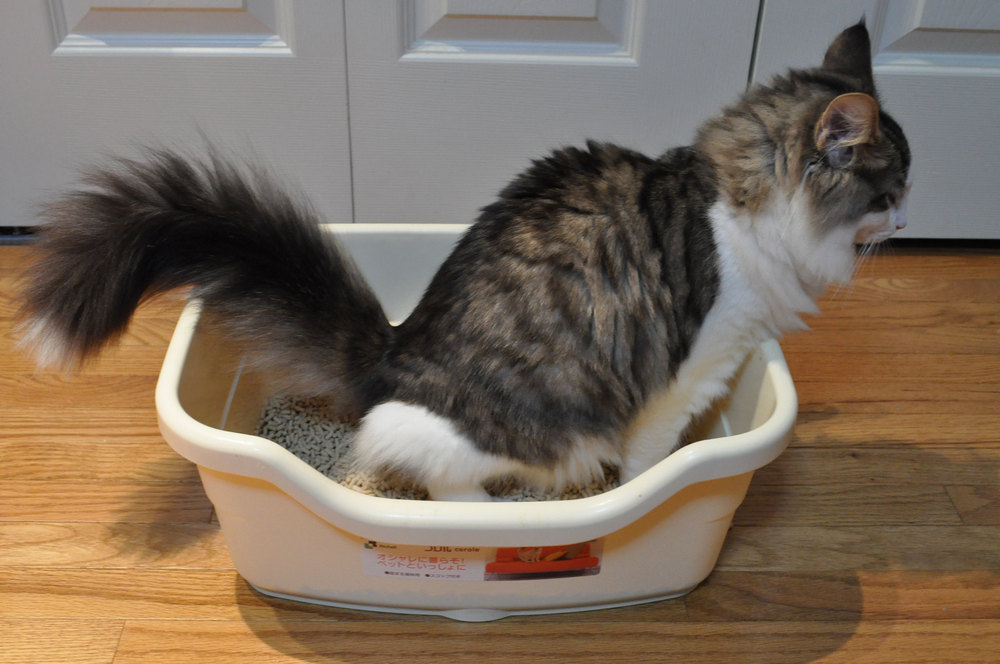
When vomiting appears along with blood in the stool, the mucous membranes turn pale, and the pet loses consciousness, urgent veterinary care is required.
Diagnostics and therapy
To determine the cause of increased mucus production, stool tests are performed to check for the presence of protozoa and helminths. A blood sample is taken to examine the composition and coagulation status. X-rays and an ultrasound of the intestines are prescribed. PCR testing is used to determine the type of infectious agent.
Treatment is carried out by selecting a program depending on the pathology:
- use anthelmintic, anti-inflammatory, and antibiotic drugs;
- recommend changing the food to a more balanced one;
- periodically give your pet a special paste to remove hair;
- if a foreign object is stuck, part of the intestine is excised;
- In case of frequent constipation, laxatives are prescribed, and it is recommended to switch the pet to wet food.
After intestinal surgery, the cat spends some time in the clinic for rehabilitation. When treatment is performed on an outpatient basis, it is important to carefully follow the doctor's recommendations and create optimal conditions.
Home care
Remove flowers from the room and ensure free access to water, which should be changed daily. Clean the litter box after each visit and provide warm, easily digestible food. Feed frequently—every two hours, offering 1-2 teaspoons of food. It's best to choose a line specifically designed for the prevention and treatment of gastrointestinal problems.
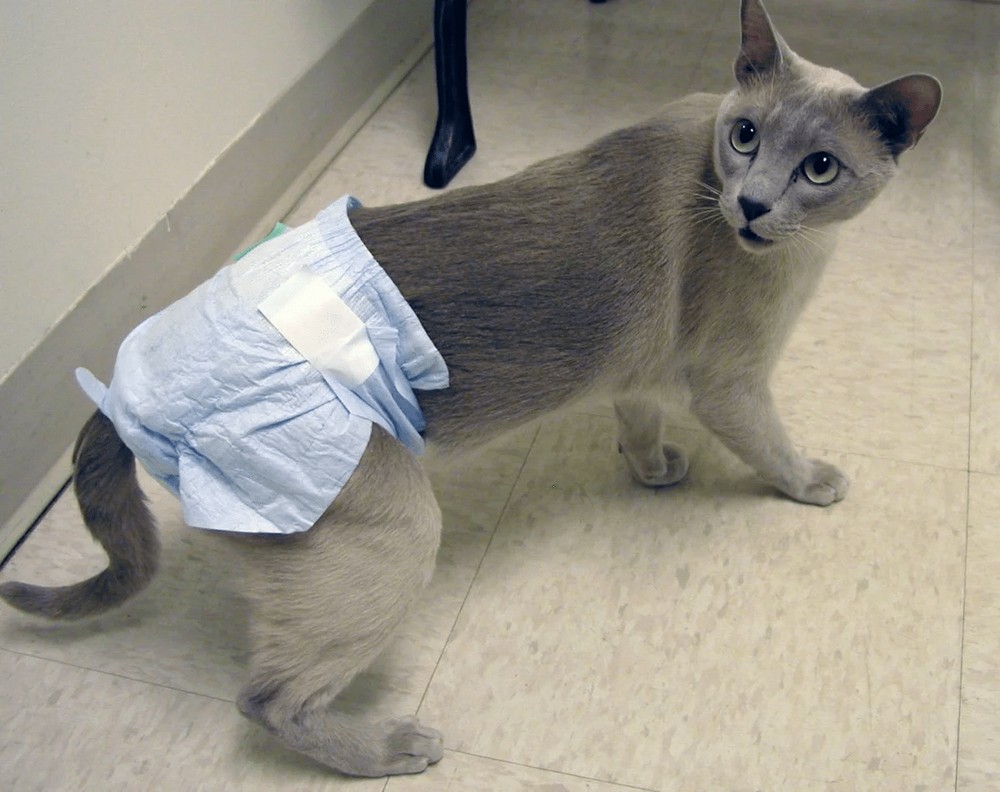
Even if your cat begs for milk, it's strictly forbidden to give it to them—milk will only worsen the diarrhea. If the diarrhea is severe and runny, it's a good idea to wash the cat to prevent skin irritation. If your pet is weak and can't reach the litter box in time, you can use breathable baby diapers, as pictured.
Avoiding potential bowel problems is easy: keep your cat vaccinated against pathogens and periodically administer deworming medications. Avoid keeping houseplants that can cause cat poisoning. Adjust your cat's diet, using a reliable brand of food, and avoid high-fiber foods when feeding a home-cooked diet. If diarrhea is accompanied by significant mucus production, it's best not to attempt self-treatment; instead, visit a veterinarian immediately for professional help.
Read also:
- My kitten has a big belly: why and what to do
- Why is my cat losing weight and what should I do?
- Worms in cats


Add a comment