
Laxative for dogs with constipation for all breeds
Every owner should know how to help their pet with constipation and what laxatives can be used to solve the problem in small, medium, and large breed dogs.
Content
Why constipation is dangerous
Defecation disorders in dogs, commonly referred to as "constipation," can be attributed to several conditions in the animal's body:
- the dog can go to the toilet on its own, but the feces are very dry and hard, the act of defecation is accompanied by strong straining and painful sensations;
- The pet cannot empty its bowels on its own, the abdomen is hard and bloated.
While in the first case, a home remedy is possible, in the second (if constipation is severe), it's essential to take your pet to the veterinarian as soon as possible. It's important to understand that severe constipation may be caused not just by a metabolic disorder or intestinal peristalsis, but by a foreign body ingested in the animal's stomach.
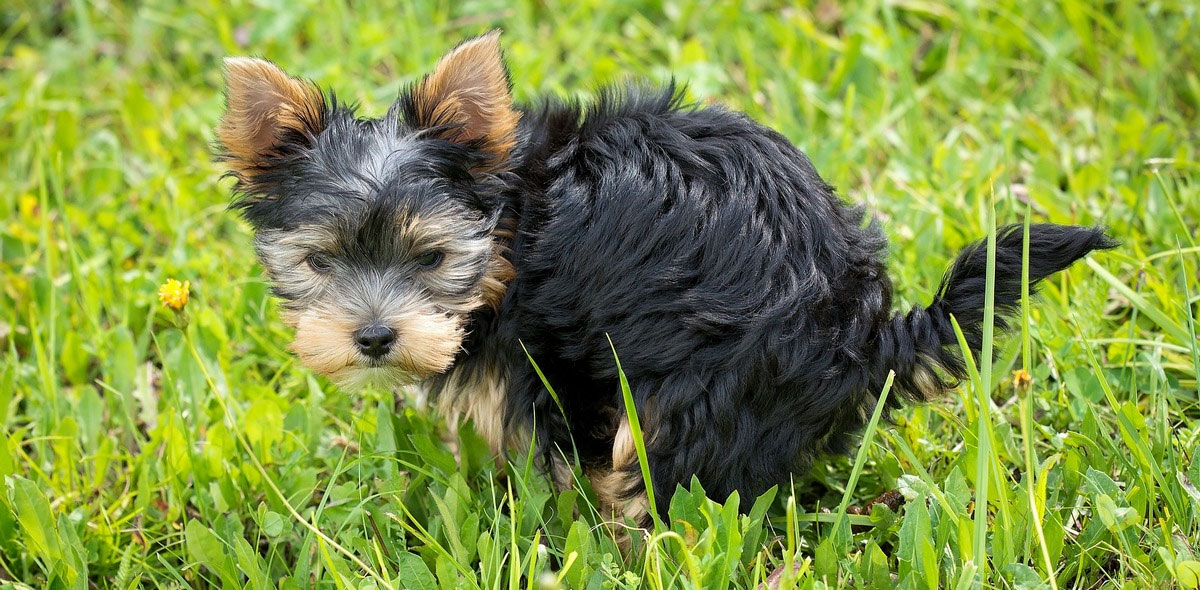
Long-term fecal retention in a dog's body can lead to serious consequences, including:
- intestinal blockage;
- intoxication of the body with decomposition products of feces;
- fissures in the rectum, which can result in severe inflammation;
- rupture of the intestinal walls, which can lead to severe bleeding and even death of the animal.
Caution! Death is possible if the animal is unable to empty its bowels for 5-7 days. Vomiting, occurring during constipation, is an alarming symptom indicating complete intestinal obstruction.
But even if your dog experiences occasional constipation, even if it's less severe, it shouldn't be ignored. It's crucial to determine the underlying cause and choose the right diet, as well as a good laxative for dogs, to help normalize bowel function.
What can you give a dog for constipation?
Depending on your pet's condition and your availability of animal medications, you may want to consider giving your dog either a veterinary or human medication.
Finding a laxative in the form of suspension, tablets, or suppositories for dogs to gently regulate bowel function during constipation at a veterinary pharmacy is quite difficult these days. While expensive clinics in Moscow or St. Petersburg may offer imported medications, online pharmacies only offer dietary supplements (with no proven laxative effect) and traditional castor oil. Castor oil can be given to dogs by mouth in doses of 10-50 ml (depending on weight). Therefore, breeders often solve this problem by choosing high-quality medications from human pharmacies for their pets.
Important! Before giving your dog a laxative designed for humans, carefully read the instructions for use, as any medication intended for humans is potentially dangerous for animals and requires a dosage adjustment based on the pet's weight.
Among human medications, the following have proven effective in treating constipation in dogs:
- "Duphalac" or "Lactusan". Lactulose-based medications available as a suspension. The recommended dosage for veterinary use is 0.5-1 ml per 1 kg of body weight.
- Dulcolax or BisacodylA laxative tablet that can be used for constipation in medium and large breed dogs. The dosage for dogs ranges from 0.5 to 1 tablet every 8-10 hours.
- Rectal suppositories with glycerin. To treat a small dog, the suppository can be cut in half lengthwise.
- "Microlax". A rectal micro enema that works within minutes of administration. This product is not veterinary grade, so if you need a laxative for a small-breed dog with constipation, it's best to ask the pharmacy for a pediatric dose.
To determine which laxative is best for your pet's problem, consult your veterinarian.
Enema
Another way to help your dog with constipation is a cleansing enema. However, it's important to know that if performed incorrectly, it can be harmful to your pet, especially in small breed dogs. It's best to consult a veterinarian for a safe intestinal cleansing, especially if your dog hasn't had a bowel movement for several days and requires a deep cleansing.
Caution! A water enema is contraindicated if your dog has been unable to urinate for a long time, as water can cause the feces to swell rapidly, which can worsen the animal's condition and lead to intestinal fissures or ruptures.
If taking your pet to a clinic or consulting a veterinarian isn't possible, and the problem hasn't yet become serious, an enema of boiled water with a small amount of Vaseline, glycerin, or fish oil may help. It's important to follow the recommended volume of liquid, based on your pet's size and weight:
|
Dog weight |
Enema volume |
|
up to 5 kg |
30 – 40 ml |
|
5 kg |
50 ml |
|
5-10 kg |
50 – 100 ml |
|
10-20 kg |
100 – 200 ml |
|
20-40 kg |
200 – 500 ml |
|
40–50 kg and more |
500 – 700 ml (maximum up to 1 liter) |
In this case it is recommended to use:
- for small breeds - soft syringes or a syringe (without a needle);
- for medium breeds - syringes with a soft tip;
- For large breeds, special mugs are used, which must be raised approximately 1 meter above the lying animal during the enema administration process.
It is also important to remember that:
- water for the procedure must be boiled and cooled to 30℃;
- You can also use solutions of furacilin or potassium permanganate (very weak) or chamomile decoction;
- puppies are given no more than 1 tablespoon of liquid;
- After the intestines are full, the animal should remain in a lying position for about 5 minutes.
Typically, the first bowel movement occurs immediately after the dog gets up on its feet, but sometimes it is necessary to take the pet for a walk to ensure complete cleansing, as active walking stimulates intestinal peristalsis.
Prevention of constipation
To minimize the likelihood of constipation in your dog, it is recommended to:
- provide the animal with the correct drinking regime;
- stick to a healthy diet rich in fiber and fermented milk products;
- regularly give your dog small amounts of fish oil or regular vegetable oil;
- introduce into the diet food supplements with probiotics and prebiotics that normalize the functioning of the gastrointestinal tract;
- do not feed your dog large amounts of bones;
- maintain an active lifestyle for your pet;
- Perform anthelmintic treatment regularly.
For more information on what to feed your dog and how to properly formulate a diet for both natural and commercial feeding, please visit the relevant section of our website.
Veterinarian's advice
Read also:
- Yappy Pet Vitamins for Dogs and Cats
- Anesthesia for dogs: how long does it take to wear off and the consequences
- Tick repellent for dogs


2 comments
Ruslan
Shepherd, female. She's been constipated for two days. Should I give her vegetable oil without anything else?
Daria is a veterinarian
Hello!
Is there an urge to defecate? If so, a one-time glycerin suppository or Microlax will be more effective. But if that doesn't work, then the only option is to contact a veterinarian.
Tell me, does your dog eat bones? If so, this is likely the cause of the constipation. Eliminate them from the diet going forward.
Get well soon!
Add a comment