
Laxative for cats
Constipation is a fairly common problem in cats. The accumulation of feces in the colon causes discomfort, can lead to toxicity, disrupt the functioning of internal organs, and prolonged constipation can even lead to death. Therefore, when asked, "Can a cat be given a laxative?" veterinarians answer that it is possible and necessary to relieve constipation. The key is to choose the right laxative.
When a cat needs a laxative
Constipation is most common in older cats, those who have been spayed, and long-haired cats (they swallow a lot of hair when grooming). However, this condition can also develop in young cats and kittens for various reasons. How can you tell? your cat is constipated?
A healthy cat has a bowel movement at least once a day. If you notice your pet hasn't had a bowel movement for several days, it's recommended to induce stool movement by giving a laxative or using traditional constipation remedies. It's best to consult a veterinarian about which laxative to give your cat, but generally accepted veterinary medications can be used as a guide.
How do laxatives work?
There are several groups of laxatives that can work in different ways:
- They stimulate colonic peristalsis by chemically or mechanically stimulating the nerve endings on its surface. These include medications containing isophenine or phenolphthalein, as well as natural preparations based on buckthorn bark, senna, and rhubarb.
- They soften stool and improve its glide. Vegetable oils such as olive, petroleum jelly, flaxseed, sunflower, and castor oil belong to this group of laxatives.
- They reduce the reabsorption of water through the colon walls, making stool easier to pass by softening it. Such laxatives include sorbitol, calcium carbonate, agar-agar, and magnesium sulfate.
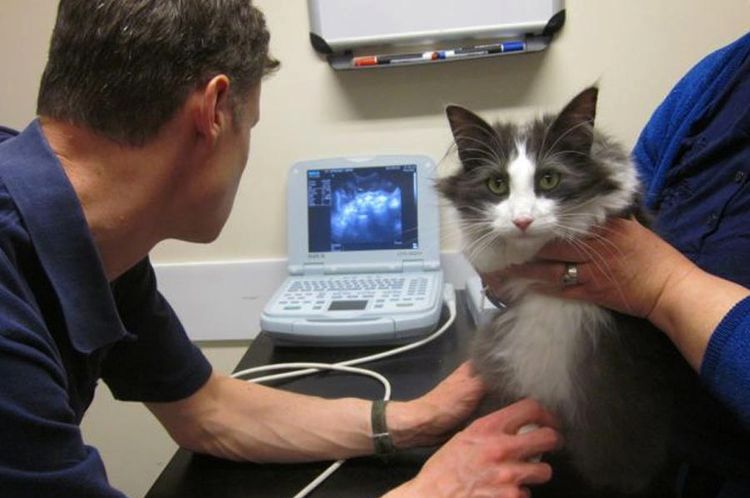
This is important! All laxative medications are symptomatic; they only temporarily relieve unpleasant external symptoms. To get rid of constipation, you need to find and eliminate its cause. Poor diet, poor fluid intake, a sedentary lifestyle, helminth infestations, or internal diseases, including those unrelated to digestion, can all contribute to constipation. To diagnose the condition, in some cases, an examination is required, which may include blood and stool tests or an abdominal ultrasound.
Medicines
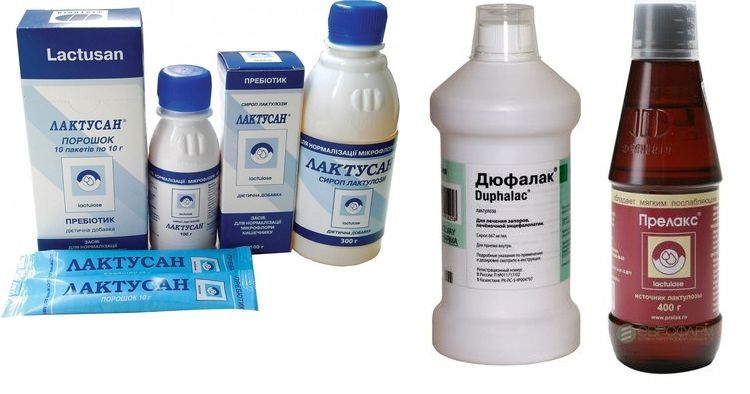
The most popular laxatives for cats are considered to be drugs based on lactulose: Lactusan, DuphalacThe disaccharide lactulose is a prebiotic; it restores beneficial intestinal microflora while suppressing pathogenic microflora. Lactulose-based laxatives soften stool, stimulate intestinal peristalsis, and promote detoxification.
A unique feature of lactulose-based medications is that the effect does not occur immediately after administration, but rather after at least 24 hours. These laxatives are administered to cats twice daily. The single dose is calculated based on the animal's size and is 0.5 ml of medication per 1 kg of body weight.
For cats, you can also use a lactulose-based human laxative called Prelax. This children's syrup has a pleasant taste and is readily consumed by cats when mixed into their food.
Caution! Lactulose-containing medications should not be given to cats suffering from diabetes or to animals diagnosed with a water-salt imbalance.
Sodium picosulfate is considered an effective laxative for cats, as it induces powerful, rhythmic contractions of the colon muscles. This medication is usually prescribed to cats after spaying, when straining is undesirable. The dosage and frequency of administration are determined by a veterinarian.
Another laxative that can be used for cats is magnesium sulfate. A single dose for an adult cat is approximately half a packet of powder. It is diluted in water and injected into the cat's cheek using a syringe without a needle (the medicine is bitter, and cats themselves will not want to drink it). Unlike lactulose-based laxatives, magnesium sulfate acts quickly, lasting for 6 hours.
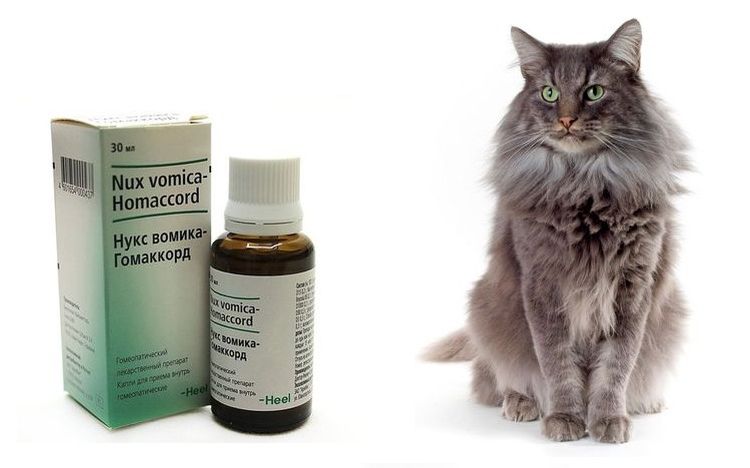
Nux Vomica-Homaccord is used in veterinary medicine to treat spastic constipation accompanied by bloating. Special pastes for oral administration are used to remove hairballs. They contain substances that soften and lubricate the hairball, as well as phytomines, which help strengthen the hairball.
Home remedies
Two folk laxatives are the most popular. Both are relatively harmless to cats and can therefore be used at home without any concerns.
The first remedy is to give your cat a mixture of condensed milk and raw water. Cats' digestive systems react to lactose (milk sugar) as a laxative, and raw water enhances the effect. Since this "medicine" tastes like milk, your cat is unlikely to refuse it. It's important not to overdo it: try giving your cat about 0.5 cups of the mixture and wait a couple of hours. If there's no effect, you can repeat the procedure.
Another laxative, tried and tested by generations of cat and dog lovers, is Vaseline or vegetable oil. Passing through the stomach into the intestines, the oil coats the intestinal walls, making the feces slippery, and thus speeding and facilitating their evacuation.
Veterinarians say that vegetable oils should be used with caution and in small quantities, as they can have a negative impact on liver function. Vaseline oil (a purified fraction of petroleum, which is called "liquid paraffin") is absolutely harmless for cats, since it is not absorbed through the intestinal walls, but passes through the gastrointestinal tract in "transit".
Rectal suppositories made from "liquid paraffin" are also suitable for cats. The suppository is cut in half and inserted into the anus. To prevent it from falling out, the cat's tail should be held against its body for a few minutes.
If your cat's constipation isn't severe, the safest and most effective laxatives for cats include herbal teas and infusions, including elderberry, rhubarb, borage, and knotweed. They can also be used to prevent constipation by periodically adding the teas to your cat's drinking water.
Read also:
- Blood in the stool of a cat
- Cat food for constipation
- Massage for cats and kittens during constipation


Add a comment