
Scottish Terrier
The Scottish Terrier, or Scotch Terrier, is one of the most famous and recognizable breeds. This short, stocky dog with long eyebrows and a beard is not very popular today. Not everyone will appreciate its complex nature, and its long coat is difficult to maintain. However, these independent, courageous, and moderately playful companions with a hunting background will always find their fans!
Content
Breed characteristics
- original title – Scottish Terrier;
- origin - Scotland;
- weight – 8.5-10 kg;
- height – 25-28 cm;
- life expectancy – from 12 to 15 years;
- character - smart, inquisitive, cheerful, stubborn, hot-tempered;
- appointment - companion, hunting.
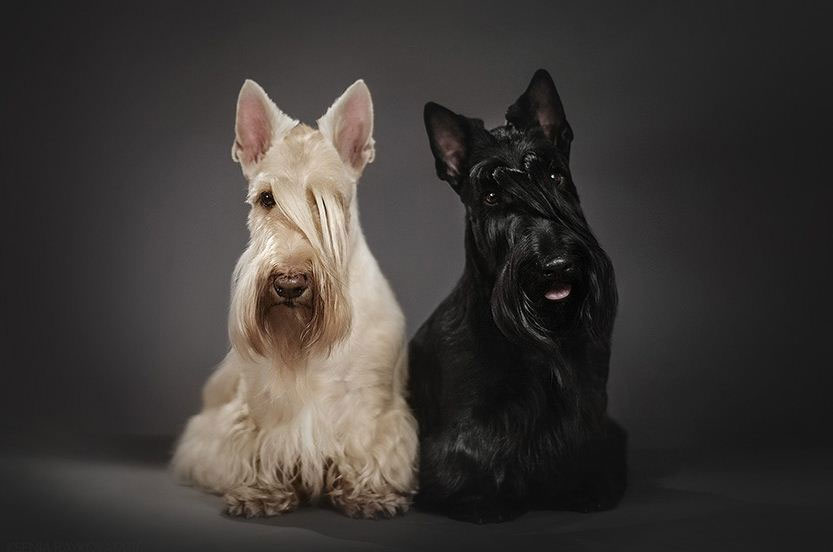
Based on feedback from Scottish Terrier owners and breeders, we've compiled a table of 5 levels that provides a detailed description of this breed:
|
Very low |
Short |
Average |
Above average |
High |
|
molting |
health the cost of maintaining trainability |
friendliness noise in the house attitude towards loneliness |
aggressiveness protective qualities, difficulty of care |
intelligence activity |


History of origin
Around the 16th century, Scottish terriers began to be differentiated by their place of origin: dogs from the Isle of Skye were called "Skye Terriers," while others were called "Highland Terriers." Highlands were actively used for hunting burrowing animals, controlling rodents, and as guard dogs. There is still debate about which breed is the ancestor of the modern Scottish terrier. Most cynologists tend to believe it was the Highland Terrier.
Many famous people have owned Scottish Terriers. Three American presidents—Franklin, Roosevelt, and George Bush—were also owners. Two Scottish Terriers were favorites of Eva Braun. Soviet audiences are familiar with them as the constant companions of the clown Karandash. The breed is mentioned in literature: Scotches are the main characters in Rudyard Kipling's story "Your Obedient Servant, Dog Boots" and Enid Blyton's children's detective novel "Five Young Detectives and a Faithful Dog."
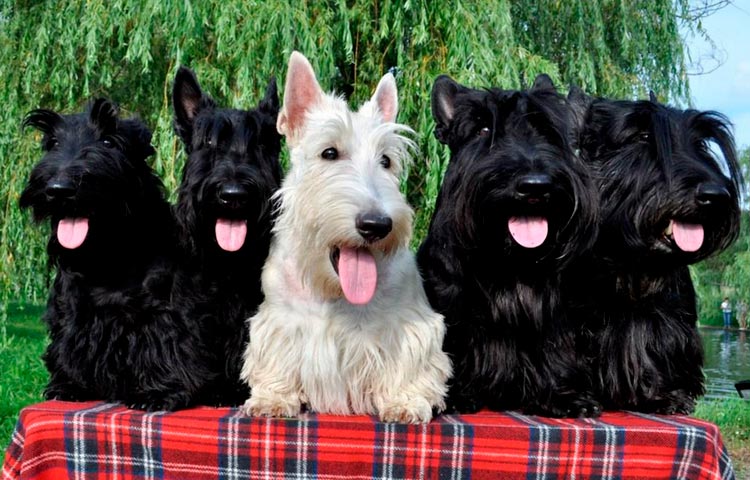
If we look at the facts, we can confidently say that it took many years for dog breeders to develop the Scottish Terrier into what it is today. They first performed in a separate ring in Birmingham in 1860. In subsequent shows, Scottish Terriers were shown alongside Skye Terrier, Dandy Diamond Terrier and Yorkshire TerrierThis caused outrage among breed fans, and so Captain Gordon Murray, known by the pseudonym "Stratbogie," compiled the first description of the Scottish Terrier. A few years later, a breed standard was written and adopted, with only minor revisions later. By 1882, Scottish Terrier clubs were established in Scotland and England, which contributed to the popularization and spread of the breed. Eventually, these dogs arrived in America, where they formed the basis of the American line.
Exterior (external data)
The Scottish Terrier is a short, non-bulky dog, allowing it to easily penetrate dens while hunting. Its sturdy, short-legged build gives the impression of being strong and active, with a head somewhat long in proportion to its body. Sexual dimorphism is moderate. Its height at the withers is 25-28 cm, and its weight is 8.5-10.5 kg.
The exterior of the Scottish Terrier breed is formed by the following features:
|
Size |
short |
|
Physique |
strong, but not bulky |
|
Scull |
long, slightly convex |
|
Muzzle |
proportional, the ratio of the front part to the skull is 1:1 |
|
Nose |
large, black (no spots) |
|
Eyes |
small, almond-shaped, set wide apart |
|
Ears |
small, erect, set high |
|
Neck |
muscular, moderately short |
|
Frame |
moderately short |
|
Back |
even |
|
Breast |
deep, set low between the front legs |
|
Small of the back |
durable |
|
Paws |
short, heavy-boned |
|
Tail |
Undocked, approximately 17.8 cm, not falling onto the back (a slight bend is allowed) |
|
Wool |
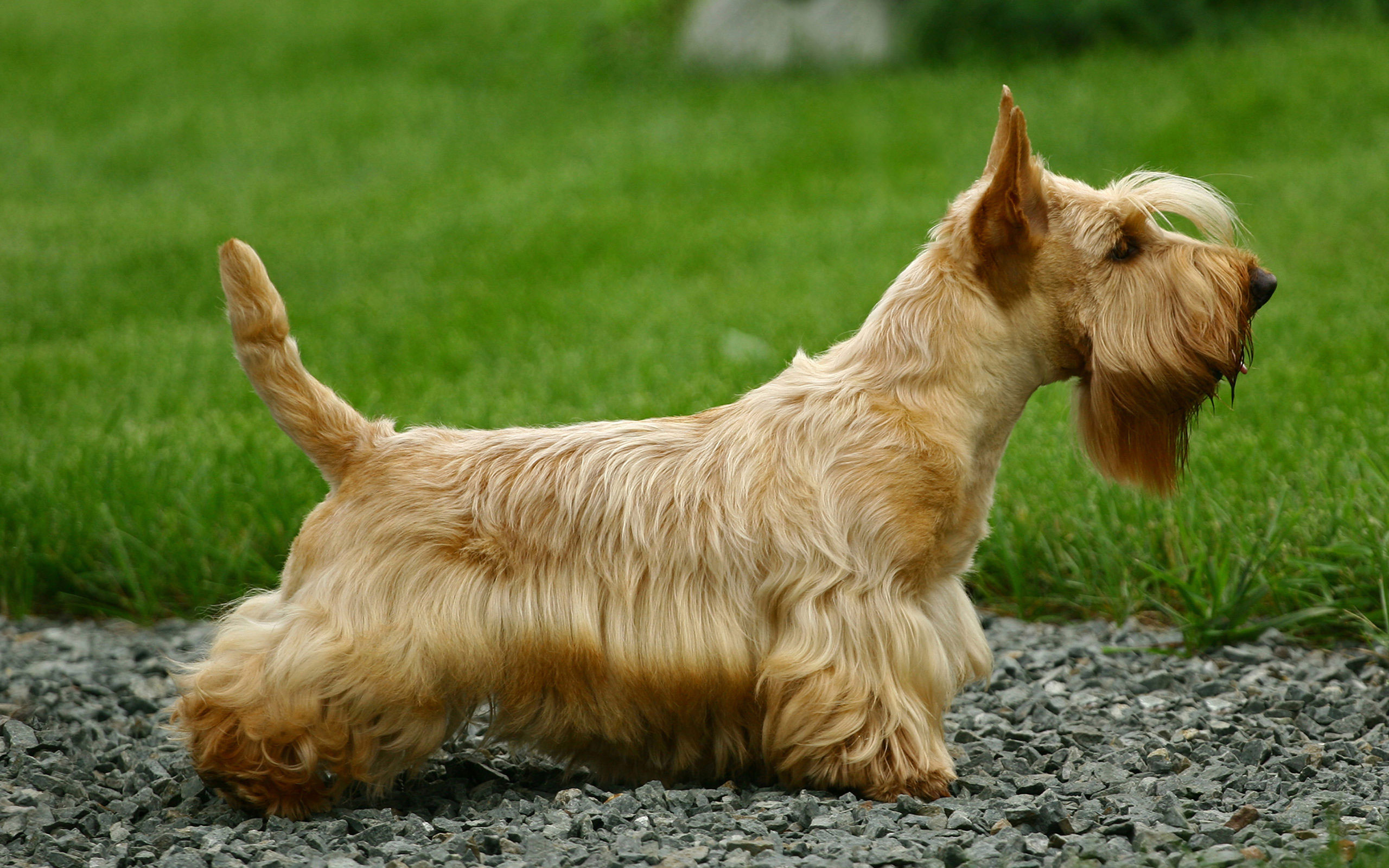
relatively short (about 5 cm), double, the outer hair is wire-like, hard |
|
Undercoat |
thick |
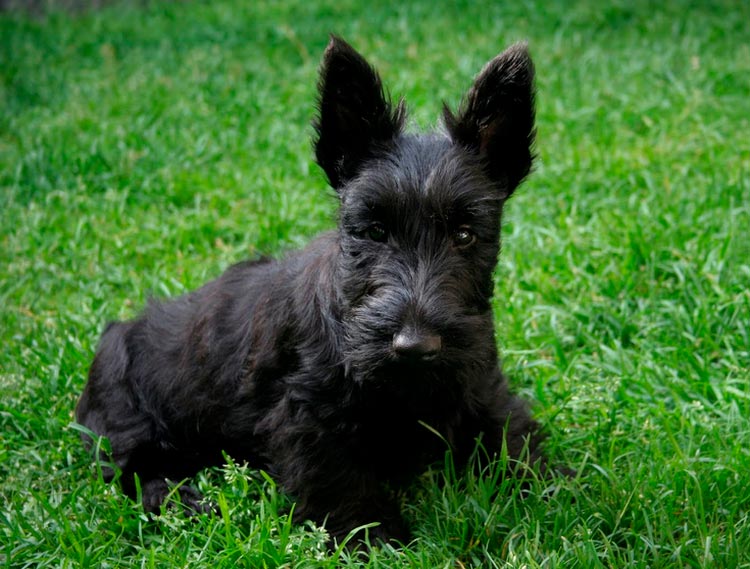
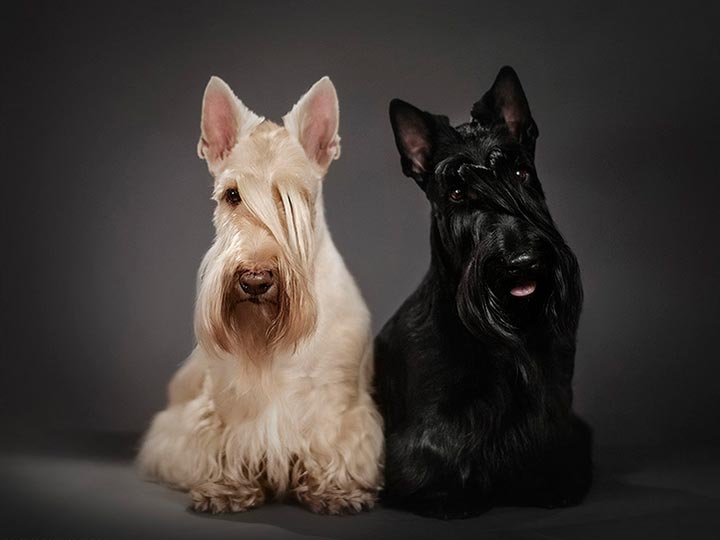
Scottish Terriers come in a wide variety of colors. The standard specifies:
- black;
- steel (extremely rare in its pure form);
- steel gray;
- brindle;
- motley;
- with gray hair;
- shortbread (wheat);
- white (considered undesirable).
In all variations, white patches are allowed only on the chest and in small quantities.
We invite you to appreciate the wide variety of Scottish Terrier colors in photographs:
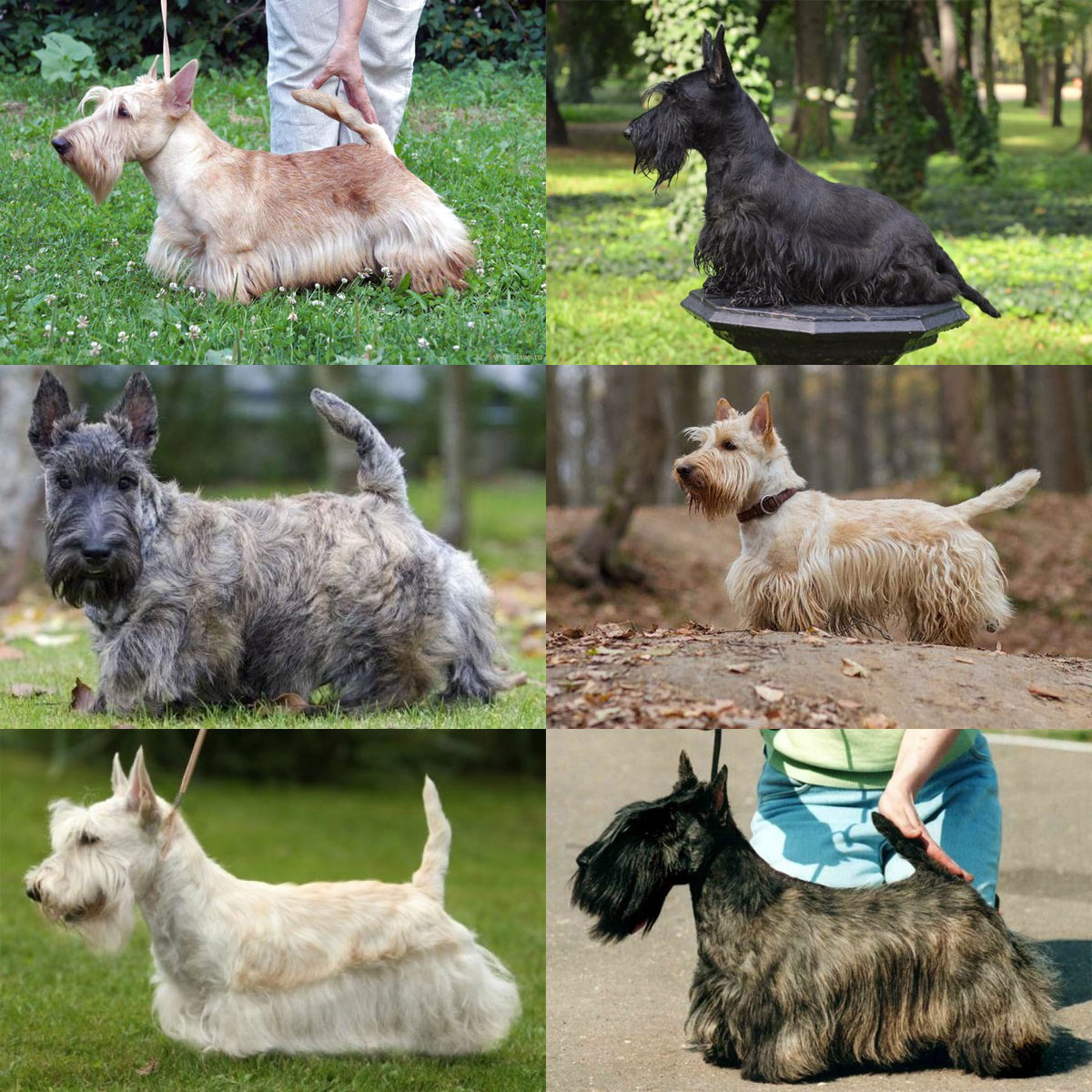
An interesting fact: many colored Scotch cats "change color" several times during their growing period, so you shouldn't expect your baby to retain its original color.
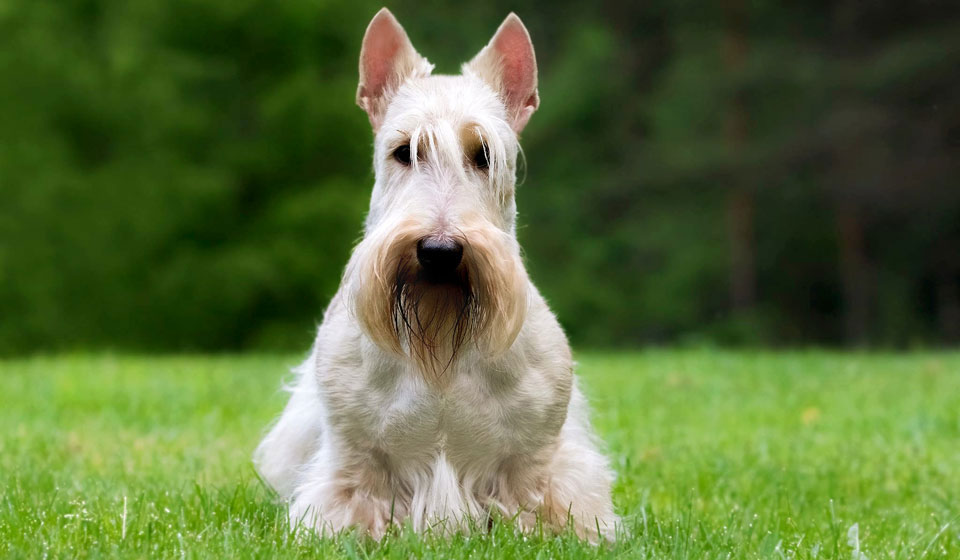
Despite breeders' efforts, white Scottish Terriers are not uncommon. These dogs are very impressive in appearance, but are generally considered unsuitable for show and breeding.
Character
The Scottish Terrier is a loyal and devoted dog with a strong sense of self-worth. The breed's distinctive character traits include independence, restraint, activity, courage, and a keen intelligence. Despite their courage, Scottish Terriers are never aggressive.
This serious and reasonable dog interprets everything around him in his own way, which can make him appear incredibly stubborn. He develops his own opinions on various matters, which his owner often finds illogical and unreasonable. Scottish Terriers value their freedom, but at the same time, they are sensitive and strongly attached to their family, and are devoted to their owners. Non-aggressive and non-confrontational toward other dogs, the Scottish Terrier will never attack first, but if provoked by a more aggressive dog, he will not back down, will inevitably snap, and may even engage in a serious fight. A good watchdog, the Scottish Terrier will always warn of guests approaching the door with a loud bark. Generally not very talkative, he will happily bark at birds, cats, cars, bicycles, and so on. This characteristic should also be taken into account during training, and such behavior should not be encouraged.
The Scottish Terrier is a creature of habit; any attempt to change its daily walking route or feeding time can be met with strong resistance. It has high self-esteem and considers itself the leader of the household.
The Scottish Terrier tolerates being left alone for long periods of time without panicking or expressing destructive behavior, barking, or howling. It's not the best choice for families with children—the dog has a strong sense of how things should be, and loud, unpredictable children don't fit into its master plan, nor do cats, other small animals, or reptiles. Of course, if a small puppy is raised in a home with other animals, it will adapt to them and get along well, but its patience doesn't extend to all potential prey found outside the home.
Education and training
When training and raising a Scottish Terrier, it's important to always remember their highly developed sense of self-worth. Unreasonable punishment, excessive demands, and unfairness will quickly kill the dog's desire to cooperate. However, if you treat your Scottish Terrier with gentleness and patience, rewarding positive behavior, they will strive to please and be easily trained.
How trained and obedient a dog becomes depends entirely on its owner. Habits acquired as a puppy become ingrained and difficult to change.
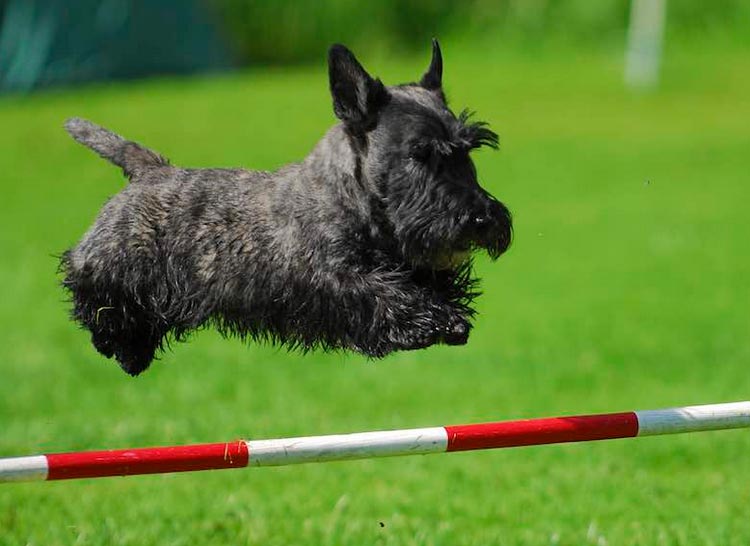
Scottish Terrier owners are advised to take any type of obedience training course with their dog, from Managed City Dog to Mini Agility. These classes will teach your Scottish Terrier basic street etiquette, obedience, and interaction with other dogs, as well as strengthen the bond with their owner and provide a solid foundation for further training. Scottish Terriers are overly independent in work and play, so they rarely score highly in obedience competitions, but some owners successfully participate in agility with their dogs.
Content Features
Thanks to its small size and distinctly aristocratic appearance, the Scottish Terrier is a perfect fit for even a small apartment. It sheds moderately, and regular brushing and trimming will reduce the amount of hair scattered around the apartment. Regular bathing will prevent the dog from smelling like a dog. Some kennels keep Scottish Terriers in kennels, but owners who are looking for a friend and companion rarely encourage year-round confinement and try to give them more freedom. Scottish Terriers who are confined for most of their time require more attention, and without it, they become lethargic and unhappy. When caring for them, it's important to remember that modern Scottish Terriers retain their hunting instincts and a passion for digging.
At home, Scotch must have a personal area, where there will be a sleeping place with toys, as well as a corner with bowls.
The Scottish Terrier is a very active, energetic dog that requires moderate exercise. It's recommended to take the dog for two walks a day, with the evening walk lasting at least half an hour and filled with games and activities. Scottish Terriers aren't athletic enough to handle jogging or long hikes, so they're a good choice for homebodies. Don't let go of the leash during walks through meadows and forests if there's a chance game might be nearby—once the aristocratic Scottish Terrier smells game, it becomes a wanderer and a gawker. Only an adult dog should be allowed to roam freely in a safe area, provided it always returns on command and never fights.
Care
Maintaining a Scottish Terrier's beautiful appearance requires some effort. This dog doesn't require daily brushing and is generally easy to groom, but regular care is necessary, using high-quality products. For Scottish Terriers, use a nourishing shampoo, not one designed for coarse coats, as this can over-dry the hair, causing the beard and coat to become thin and brittle. Lather and rinse the shampoo twice, then massage conditioner into the coat, beard, and paws. Before blow-drying, massage a leave-in conditioner into the wet coat. After drying, comb the coat first with a brush and then with a wide-tooth comb. If any mats are found, comb them out with a mat-removing comb. Once the dog is thoroughly groomed, allow it to air dry. Do not brush the coat until the next wash, which should be in two weeks. Bathing a Scottish Terrier before a show is not recommended. It's best to use a leave-in shampoo spray before the show—it will help maintain the proper structure of the wiry coat.
It is recommended to trim the coat using regular plucking and combing. The frequency of treatments is determined individually – some dogs require trimming once a week, while others need it every two to three weeks. Owners who don't show their dogs often resort to trimming their beautiful coat, which undoubtedly affects the structure and overall appearance of the dog, but makes maintenance easier.
Eyes and ears are cleaned as needed, nails are checked for length, and, if necessary, trimmed to the optimal length. Scottish Terrier ears become erect at approximately 3 months. During the teething period, some dogs experience weakened cartilage, which can delay the erection process for up to 7 months.
Nutrition
A dog's health depends largely on proper nutrition. In the case of a Scottish Terrier, a complete diet can be provided with both natural products and high-quality commercial food. super premium or holistic class. At first, the puppy is fed the same diet it ate at the breeder's. As it grows, you can gradually transition it to a different diet.
Scottish Terriers are prone to gaining excess weight, so it is important not to overfeed the dog and to monitor its body composition.
Health and life expectancy
Unfortunately, the Scottish Terrier breed is not a healthy one today. It is susceptible to a number of hereditary diseases:
- Epilepsy;
- Von Willebrand disease;
- Cushing's syndrome;
- Hypothyroidism;
- Mandibular osteopathy;
- Liver shunt;
- Cataract;
- Progressive retinal atrophy;
- Cerebellar abiotrophy;
- Tumor diseases, in particular bladder carcinoma and brain cancer;
- Neurological problems;
- Hemophilia;
- Deafness;
- Craniomandibular osteopathy.
Of course, this impressive list doesn't necessarily mean that every dog will be diagnosed with one or more of the above-mentioned diseases. Many Scottish Terriers are generally healthy and rarely get sick. They are generally hardy and adapt well to a variety of living conditions and climates. Their lifespan typically ranges from 12 to 15 years. Scottish Terriers require standard veterinary preventive care, vaccinations, and treatment for external and internal parasites. Annual medical checkups are recommended.
Choosing a Scottish Terrier Puppy
When choosing a Scottish Terrier puppy, it's best to follow the same guidelines as when buying a puppy of any other breed. It's best for the future owner to decide on the puppy's gender, desired color, temperament, and class in advance. If you're simply looking for a friend and companion, you can choose a pet-class puppy. Sometimes it's possible to find a puppy with disqualifying faults that prevent it from participating in shows and breeding, but don't pose a threat to its health or quality of life: kinked tail, malocclusion, or cryptorchidism.
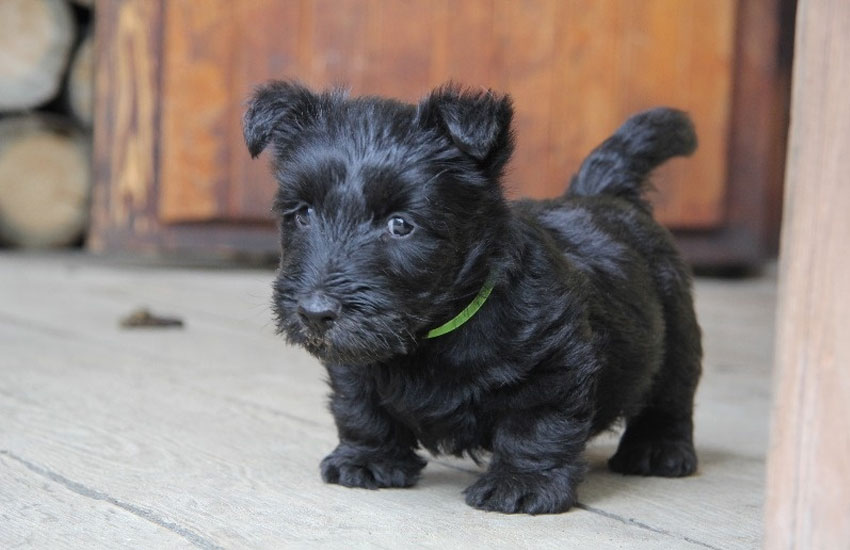
These dogs are significantly less expensive than their show-class counterparts with the correct conformation. Puppies that are capable of showing and, if they achieve high scores, are used for breeding, command the highest prices. If high demands are placed on a dog, it's best to choose a puppy at 6-7 months of age, when it's possible to assess its appearance, bite, and temperament. The older the puppy, the more accurate the prognosis. Seeing a future champion in a 2-month-old puppy is a daunting task, even for an experienced dog breeder. It's advisable to familiarize yourself with the Standard in advance. Even a small puppy largely meets the requirements described in the document.
It's essential to ensure that the puppy's parents are healthy and have been tested for at least the most common health conditions, such as hip dysplasia, bleeding disorders, and progressive retinal atrophy. Purchasing a puppy from hobby breeders who breed their dogs for health or profit increases the risk of getting a puppy with health problems or mental disabilities.
Price
The Scottish Terrier is a rare breed, so puppies are expensive.
The average price of a Scottish Terrier is 45,000 rubles. Pedigree puppies usually don't sell for less than 35,000 rubles. Wheaten or brindle-colored Scottish Terriers are more valuable, and even those unsuitable for breeding typically cost 45,000-55,000 rubles. A show-quality puppy with excellent show potential can fetch up to 100,000 rubles.
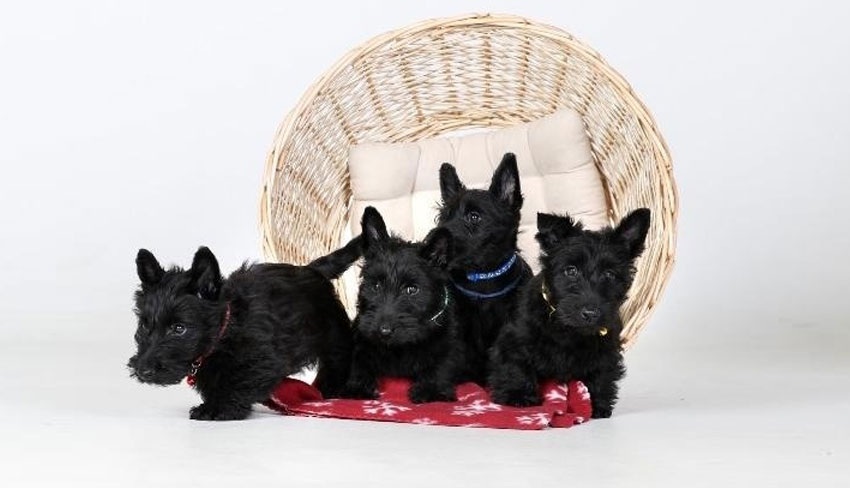
Occasionally, you'll see ads for Scottish Terrier puppies without a pedigree. Adopting such puppies is, of course, a significant risk, but the price is very attractive, ranging from 10,000 to 20,000 rubles.
Nurseries
If you're interested in Scottish Terrier puppies, check the availability of puppies in the class you're interested in at the following Russian kennels:
- Star Destino (Moscow);
- Varendzhi (Moscow);
- Scottish Terriers of Sofia-Elena (Moscow);
- Altyn-Tolobaz (St. Petersburg);
- Mariss (St. Petersburg);
- Scotch Garnet (St. Petersburg);
- Delance Magic (Bryansk);
- Stralyse Hope (Ufa);
- Otakar Elli (Kaliningrad);
- Pines Paradise (Omsk);
- Algiz (Volgograd);
- Aik'brut (Yekaterinburg);
- Brave Tail (Krasnoyarsk);
- Alastrion (Samara region, Malaya Tsarevshchina);
- Scottish Commandos (Chelyabinsk);
- Dariant (Vladivostok).
Photos of Scottish Terriers
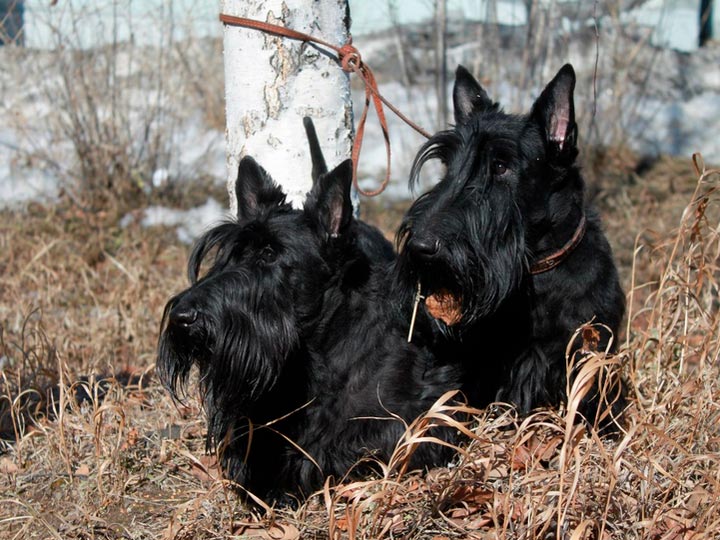
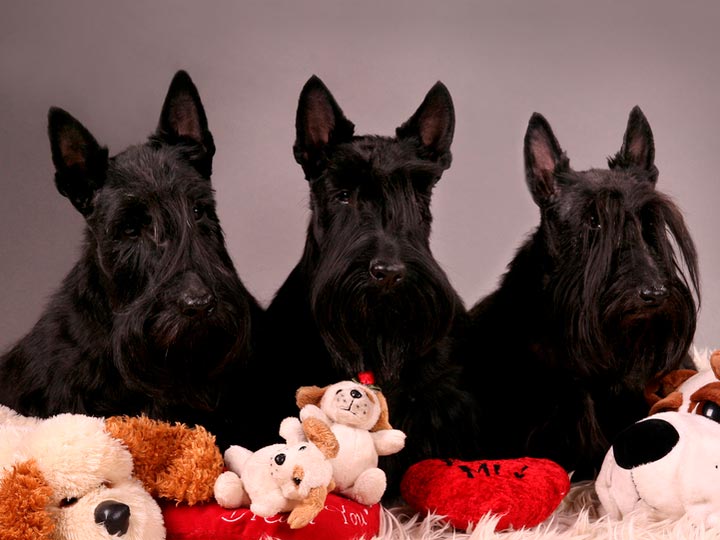
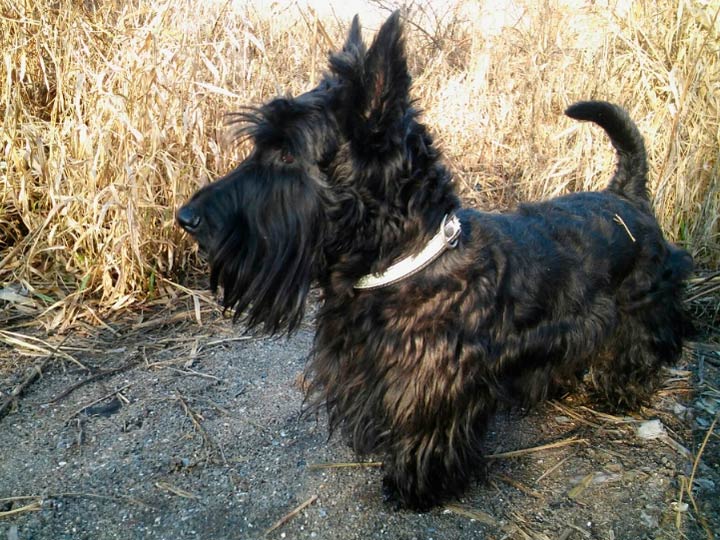
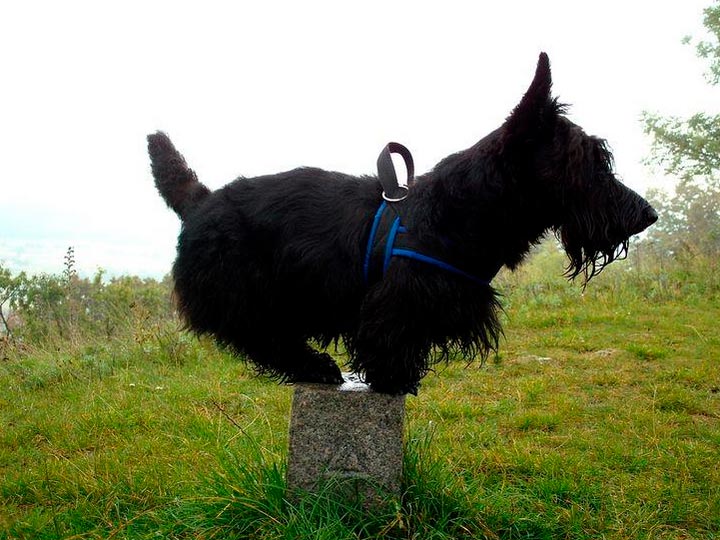
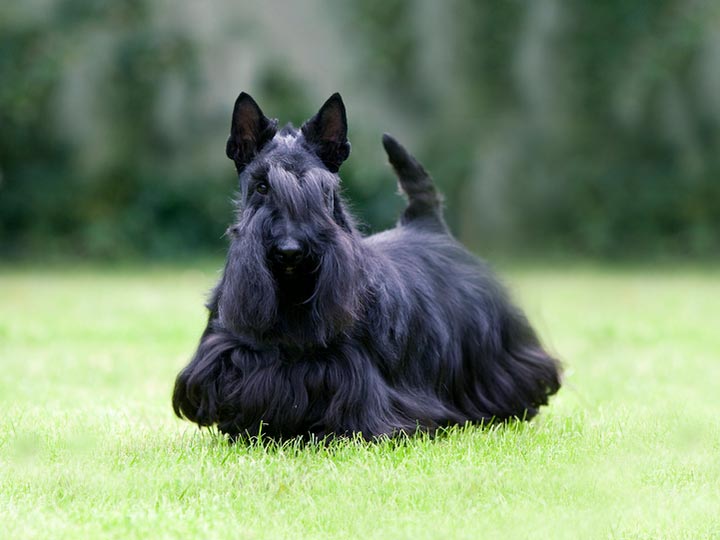
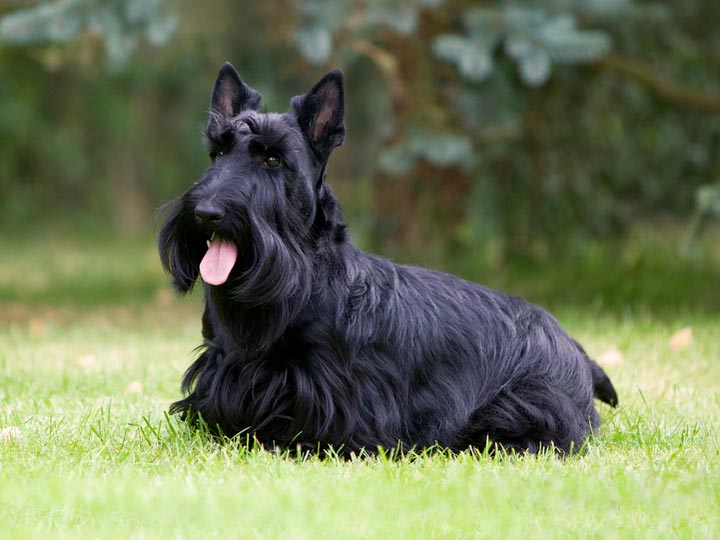
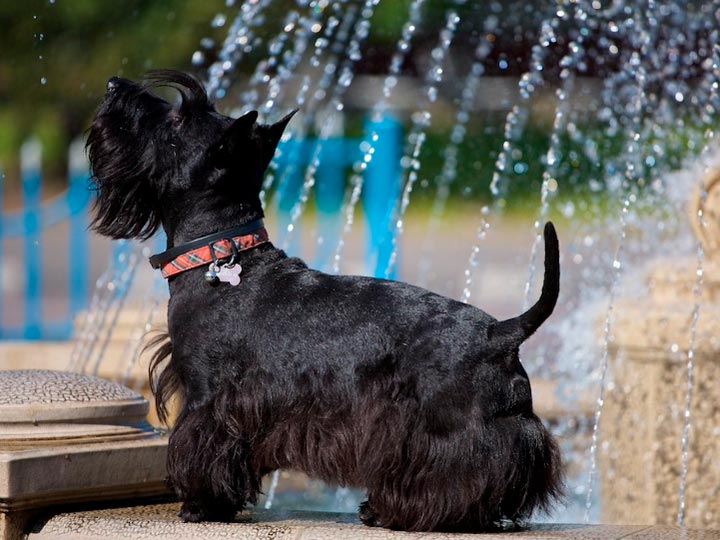
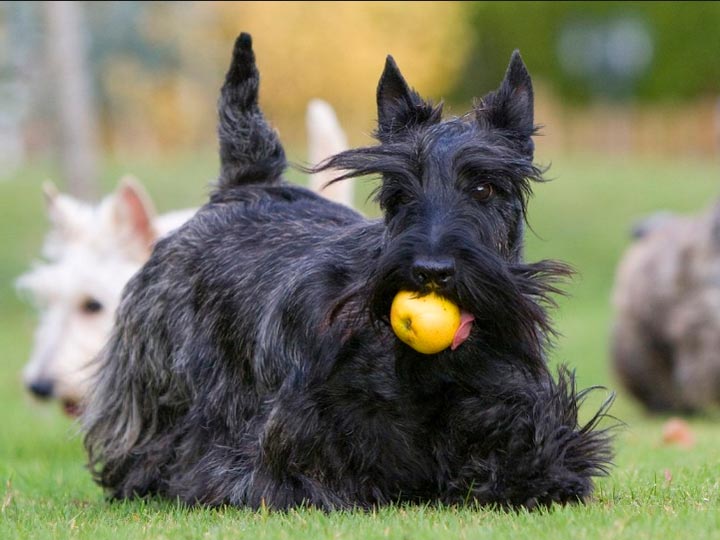
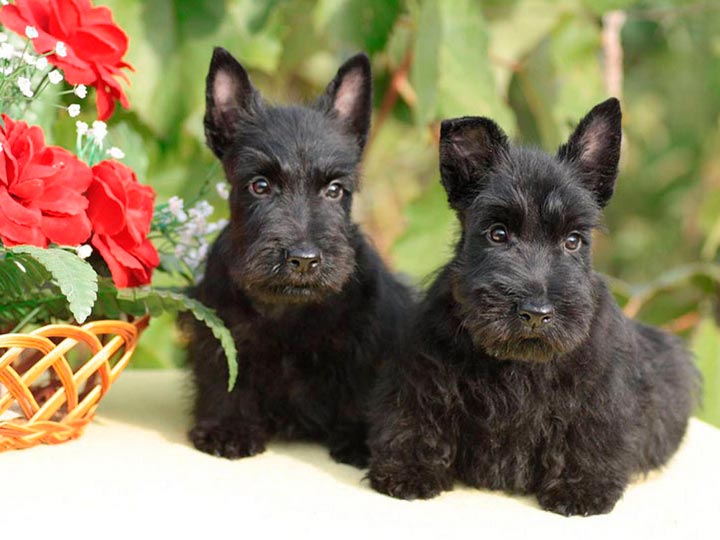
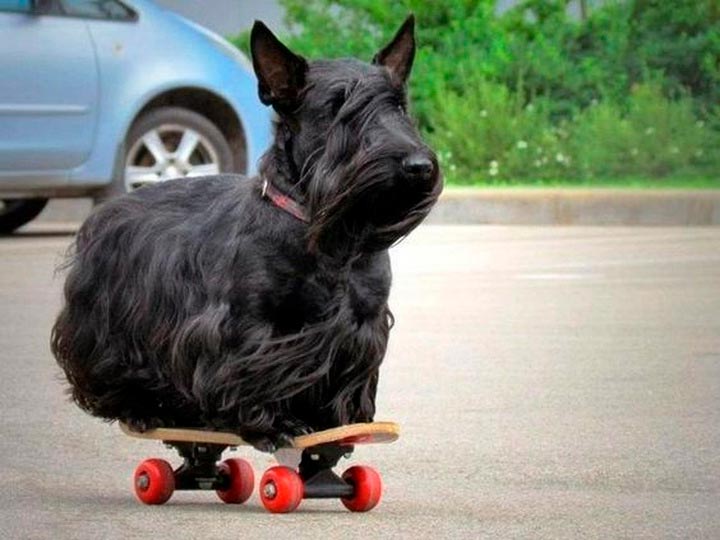
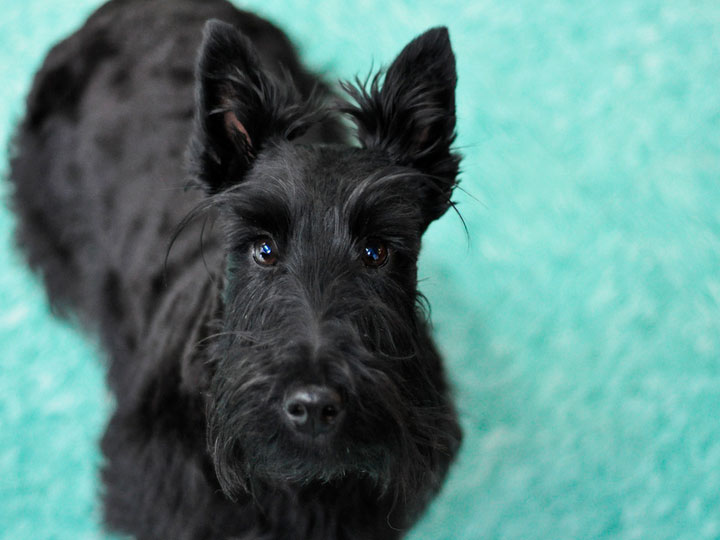
The gallery contains photographs of Scottish Terrier puppies, adolescents, and adult dogs of different sexes and colors.
Video about the breed
We also suggest learning more about the Scottish Terrier breed (description, care, feeding, and puppy training) by watching the video:
https://www.youtube.com/watch?v=HUPjdq3Ts-Q
Read also:


2 comments
Orfu
Ekaterina, we've added it, thank you!
Catherine
In your article you have photographs of some dogs from the Vareniki kennel, Moscow, but in the list of kennels there are none...
Add a comment