
How much water should a dog drink per day?
Water should be freely available to animals 24/7—every owner knows this, but not all dog owners know how much water a dog should drink per day, what determines the consumption rate for adults and puppies, and what to do if the animal refuses to drink.
Content
Water in a dog's diet
Water is the basis of life for all mammals and the most important component of the body's cells.
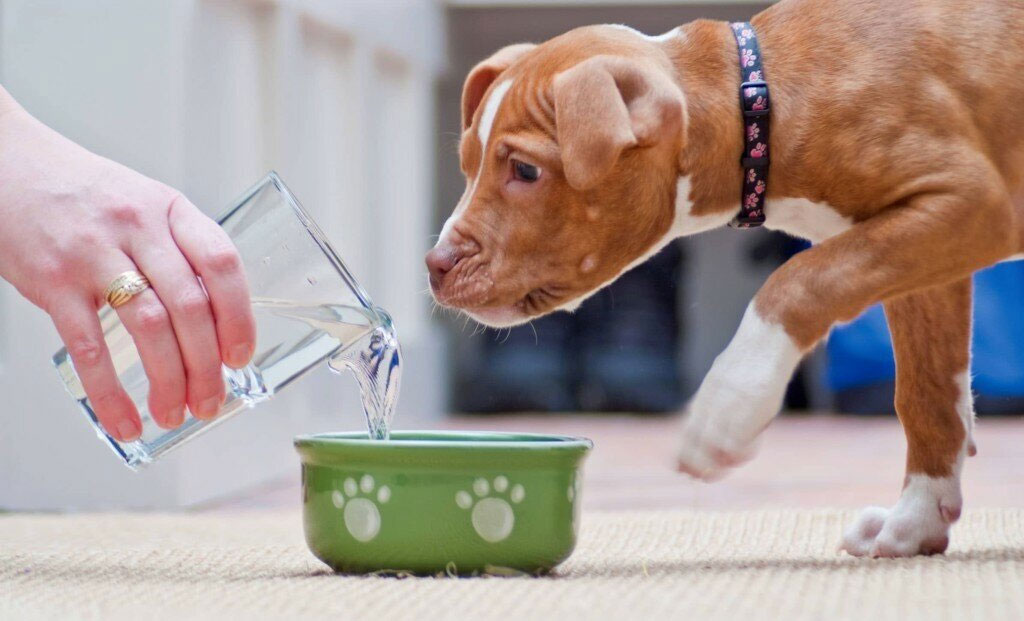
Severe dehydration affects all organs and systems, potentially resulting in death. Without water, an adult dog can die within 2-3 days (depending on the temperature and its health). Dehydration is especially dangerous for young puppies, older dogs, and weakened dogs.
That's why your pet should always have access to clean drinking water, regardless of the type of food they eat. This is especially important if your dog eats only dry food, as the food bolus must be thoroughly moistened for proper digestion.
Important! When feeding a natural diet, water is also supplied to the animal through vegetables, boiled meat, cereals, and other foods. Therefore, dogs fed a natural diet typically drink less water than those fed a dry diet.
Puppies begin to learn to drink water at approximately 2-3 weeks of age. This is the recommended time to introduce solid foods and teach puppies to drink independently from a bowl.
Water consumption standards
The daily water intake requirement for an adult animal ranges from 30 to 70 ml per kilogram of body weight. However, an adult dog must drink at least 20 ml per kilogram of body weight per day; otherwise, the body will not be able to maintain balance and dehydration will occur.
When calculating how much your dog should drink per day, it’s worth considering:
- feeding type;
- features of the coat;
- conditions of detention;
- temperature conditions;
- level of physical activity;
- state of health.
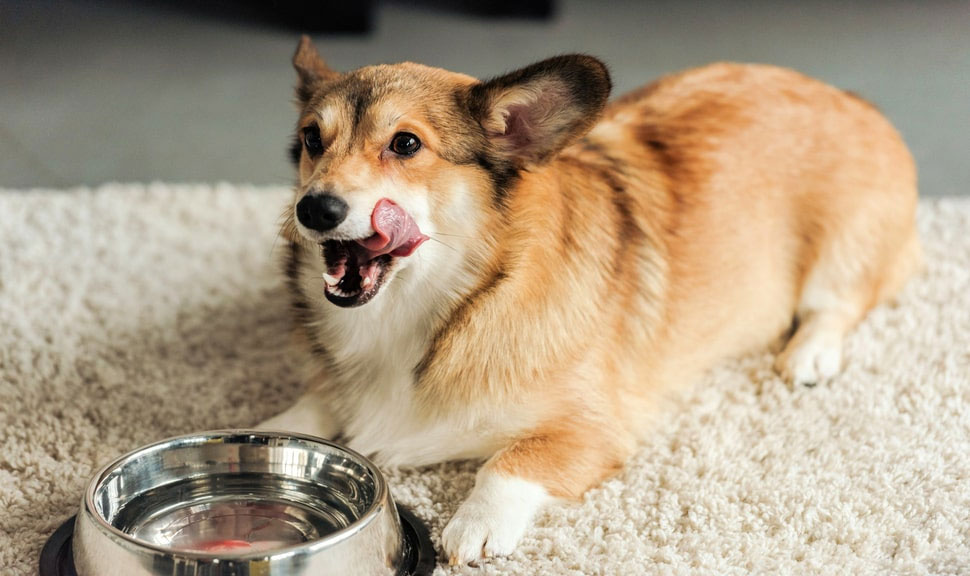
In this case:
- the minimum consumption rate is acceptable for natural feeding;
- basic norm – when feeding dry food under normal conditions or when feeding natural food on hot days or during increased physical activity;
- increased dose (up to 100 ml/kg) – in extreme heat and during high physical activity for dogs fed dry food.
Based on your pet's weight, you can calculate how much drinking water an adult dog needs per day:
|
Dog weight |
Amount of water per day |
|
2 kg |
100 – 200 ml |
|
4 kg |
200 – 400 ml |
|
7 kg |
300 – 600 ml |
|
9 kg |
400 – 800 ml |
|
18 kg |
800 – 1,600 ml |
|
22 kg |
1,000 – 2,000 ml |
|
35 kg |
1,500 – 3,000 ml |
|
45 kg |
2,000 – 4,000 ml |
Important! During the growth period, puppies require twice as much water as an adult dog of the same breed. Dry food for puppies is usually soaked in warm water, and alternative drinking options such as kefir or broth are also offered.
The size of the water bowl should be selected based on the animal's needs. It's also a good idea to place several water containers around the house to ensure that if a bowl is accidentally knocked over, the dog won't be left without water while the owner is away.
What kind of water can you give to a dog?
There's one simple rule: a dog can drink the same water you'd safely offer a small child. Ideally, this should be clean drinking water without any additives.
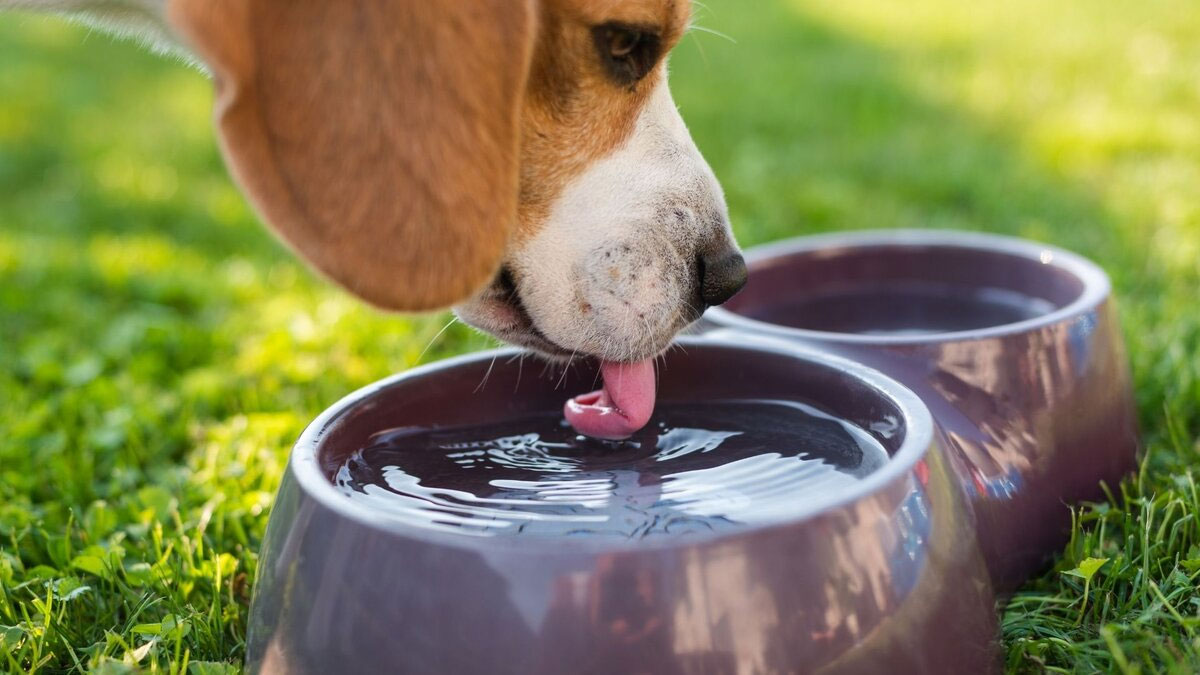
You should not give your dog:
- unboiled tap water;
- water from open water bodies (rivers, lakes);
- rainwater from puddles or containers;
- salty sea water;
- mineral water with a high salt content (medicinal);
- any carbonated drinks (especially sweet ones);
- tea and coffee.
Water that has undergone maximum purification (demineralization) is also not beneficial for either humans or dogs, as it does not contain the necessary salts and minerals.
It is also important to ensure that a thirsty animal does not drink from containers used for household purposes (washing, cleaning floors, etc.), as they may contain particles of household chemicals.
Symptoms of dehydration
Now you know how much water your dog should drink per day based on their temperature, activity level, and health, but your pet may not know this important information and may refuse to drink enough fluids.
The risk of dehydration increases:
- in case of vomiting and diarrhea (regardless of the cause);
- in kidney diseases;
- against the background of diabetes, cancer and other diseases affecting metabolism;
- during pregnancy, after childbirth and during lactation;
- during treatment with certain medications;
- under high physical exertion;
- on hot summer days, when the air temperature in the southern regions of the country rises to critical levels.
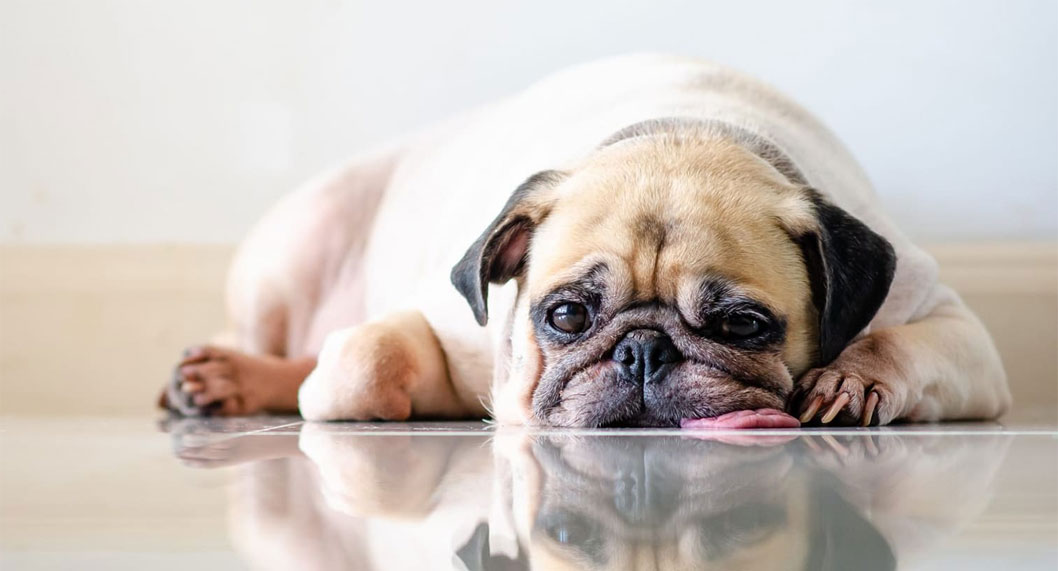
Symptoms such as:
- constipation;
- stools that are too hard;
- dark, concentrated urine;
- sagging skin;
- dry and sticky gum surface;
- apathy, lethargy.
What to do if your dog doesn't want to drink water
Sometimes it happens that the owner knows how much water a dog should drink per day and provides the pet with the required amount, but for some reason the animal does not drink the liquid in the required amount.
Before you worry, try to determine exactly how much water your dog drinks per day, taking into account the liquid that comes from food.
If the problem is obvious, try the following recommendations:
- Change the water frequently, many dogs will not drink hot or dirty water.
- Try offering your pet a different type of water (maybe he just doesn’t like the taste).
- Buy a different bowl (sometimes the material and shape matter).
- Install a drinking fountain with a filter for cleaning.
- Make water readily available if the area is large (install bowls of water in the yard, as well as on each floor of your home).
- For dogs on dry food, you can soak the granules in warm water, kefir or low-fat broth, or replace one feeding with canned food.
- If you urgently need to give your dog something to drink, you can do this with a teaspoon or a syringe (without a needle, of course), pouring water into its mouth in small portions.
- During hot weather, offer your dog ice cubes. Frozen water will help cool the animal down and restore balance (many zoos do just that).
- Flavor the water with special veterinary additives, or simply cook a light, low-fat broth.
- Try giving your pet water by hand.
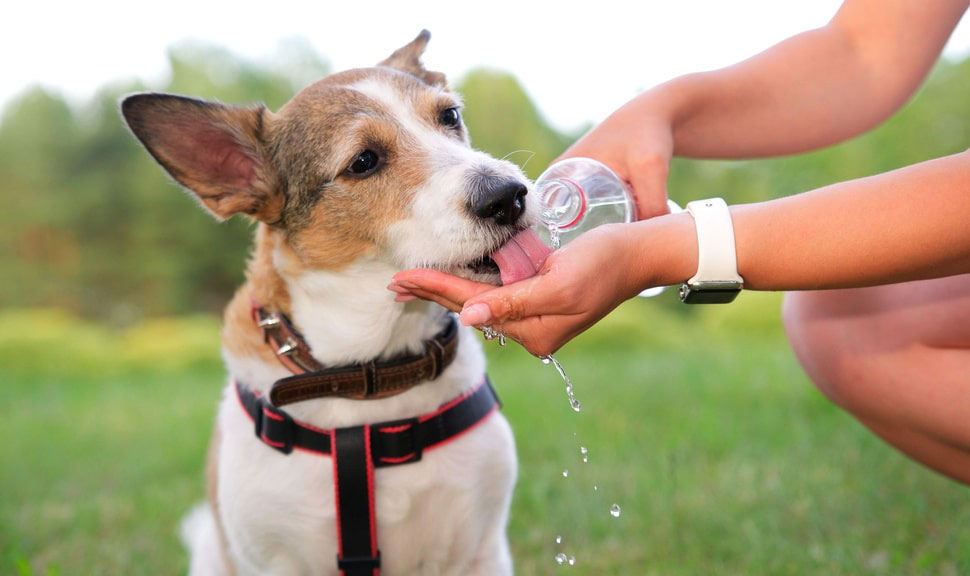
If your pet's condition is alarming or if the dog completely refuses water, you should take the animal to the veterinarian as soon as possible.
Read also:
- Can dogs have salt added to their food?
- Can you mix wet and dry dog food?
- Fiber for dogs: what foods contain it?




Add a comment