
How many cat breeds are there in the world?
The ancestor of all cats in the world was a steppe species (or, according to another theory, a forest cat), which began to be domesticated 12,000 years ago. It was then that selective breeding began, through which the animal acquired certain traits beneficial to humans and lost others. It's difficult to say how many cat breeds exist in the world, but it's possible to understand the question.
Content
Who determines the breeds?
The uncertainty in the number of breeds is due to the fact that there are three largest felinological organizations in the world:
- The WCF is the World Federation, currently the largest and most authoritative. Founded in 1988 in Rio de Janeiro, it comprises over 540 clubs.
- FIFe is a member of the World Feline Congress. It was founded in 1950 in Belgium.
- TICA is an International Association, founded in 1979 in the USA, but later acquired an international format.
The main difficulty is that these organizations do not register and recognize breeds simultaneously. Most often, this occurs with a time lag, but sometimes a species recognized by one organization is never confirmed by others. Furthermore, several breeds are constantly in the preparation and documentation stages.
Each organization uses its own criteria and parameters to determine purebred status. Most often, these criteria include:
- body shape and proportions;
- eye color;
- temperament and character;
- wool characteristics;
- health characteristics, etc.
Currently, the WCF registers the most varieties: approximately 74, 9 of which are newly registered. FIFe and TICA register 51 and 73 varieties, respectively.
Classifications
The main classifications of cat species are divided into 4 main criteria:
- by body type;
- by coat;
- by color;
- according to the drawing.
By body type
Based on this parameter, cats are divided into 6 main groups:
- Animals with a powerful build (heavy type). These include the largest representatives. They have the thickest and strongest tail, powerful, stable paws, and a large, short neck. Typical representatives are Maine Coons or Siberian cats.
- Cobbies (stocky). They have a compact and stocky build. Their skeleton is characterized by a broad chest, a large head with a short, wide nose, and a short neck, which sometimes appears almost nonexistent. Their paws are typically not very high, and their tail is short and blunt. Examples include Exotics and Manx.
- Oriental. They have a graceful build with high paws. They have a graceful neck and a narrow, long tail. The head and muzzle always taper toward the nose. Typical Oriental cats include Javanese, Balinese, and Siamese cats.
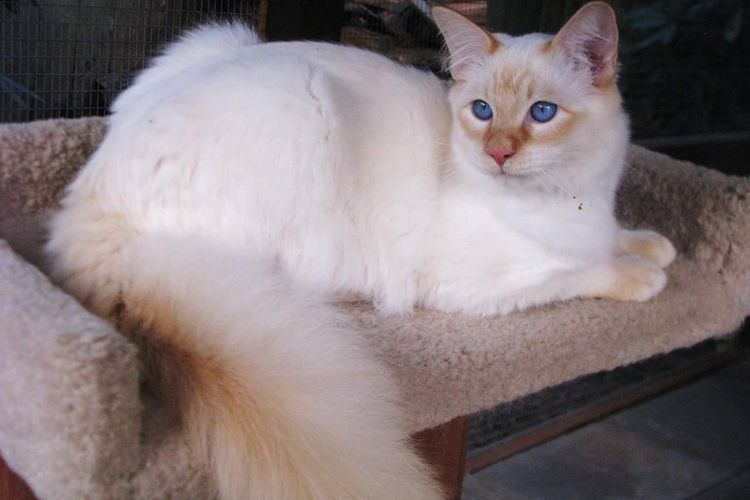
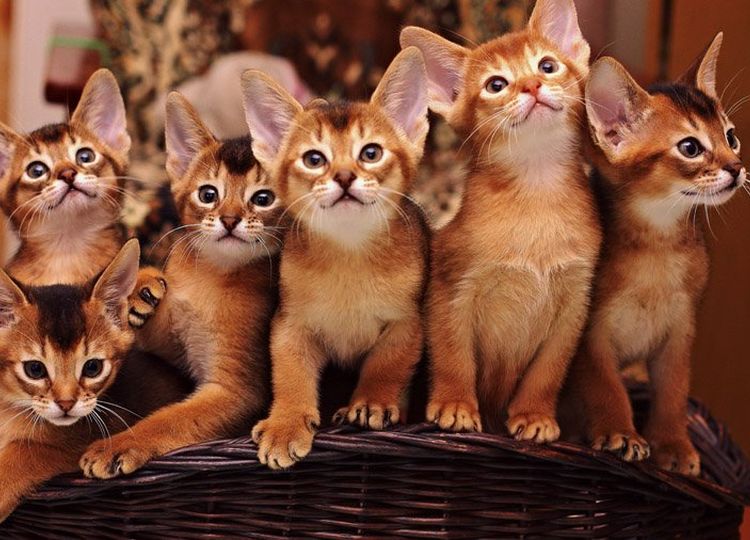
- Foreign. A flexible body with well-defined muscles. High legs and a long tail, a wedge-shaped head, and oval or almond-shaped eyes. Ears may be elongated. Abyssinians are an example.
- Semi-foreign. These have average parameters and are the most common. Representatives are the American Shorthair or Russian blues.
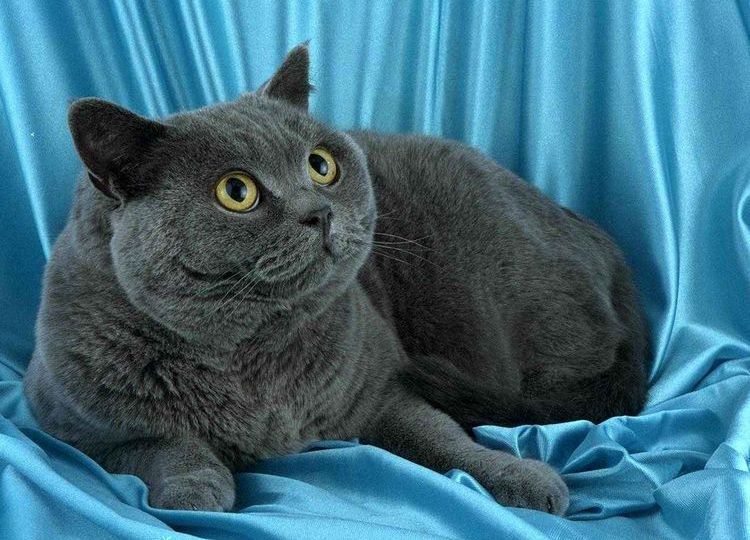
- Semi-cobby. Slightly stockier breeds than the previous type. The typical example is the British Shorthair.
By coat
According to this parameter, cat breeds are divided into 5 varieties:
- long-haired with fur up to 15 cm long (Burmese, Siberian, Persian cats);
- shorthaired (Egyptian Mau, chartreuse, Russian blue);
- curly coat (German Rex, Cornish Rex);
- wirehaired (American wirehair);
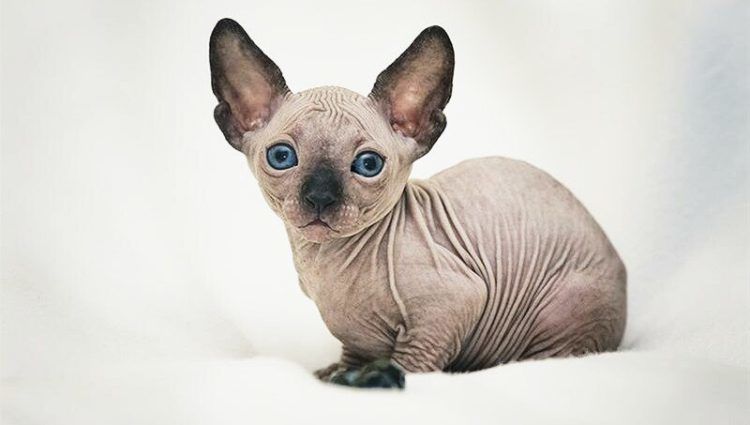
- without wool (Ukrainian Levkoy, bambino, sphinx).
By color
There are a huge number of colors, but they are all divided into the following main types:
- one-color (Korat, Havana);
- bicolor (Norwegian Forest Cat, ragdoll);
- motley (color-point, angora);
- with speckles (Persian Chinchilla or American Shorthair cat);
- multi-colored or tortoiseshell (bobtail, sphinx, Persian).
According to the drawing
The main pattern variations that form the breed:
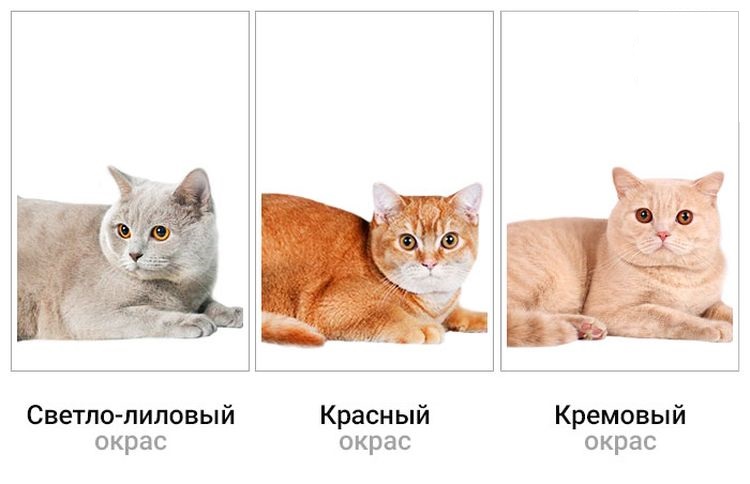
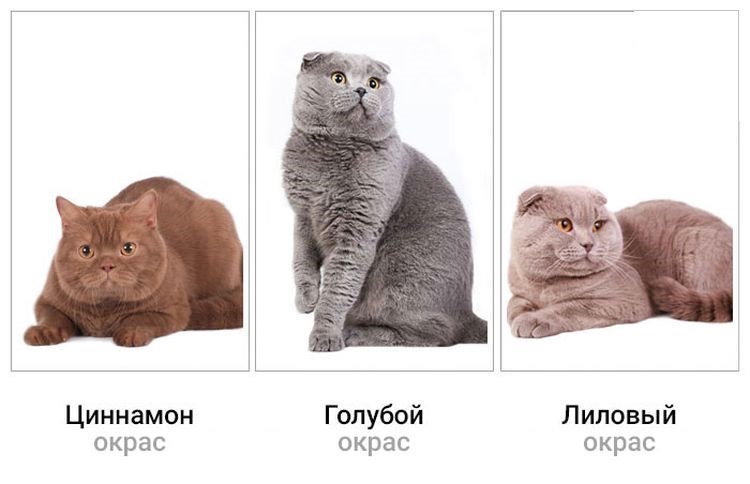
- solid pattern (red, black, brown, gray, etc. breeds);
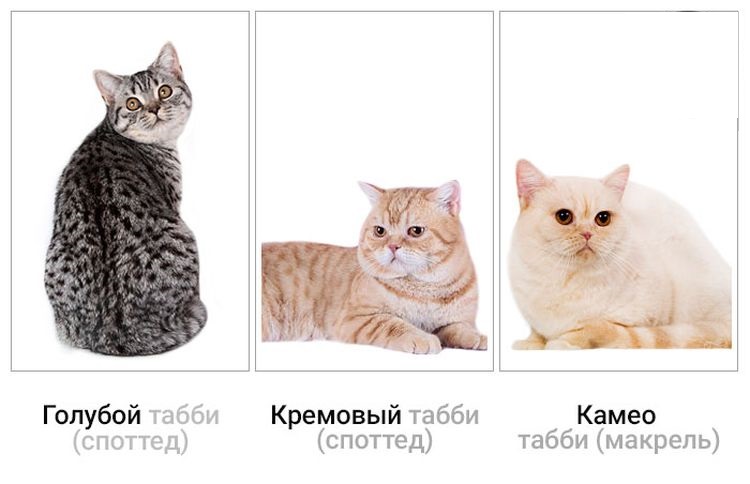
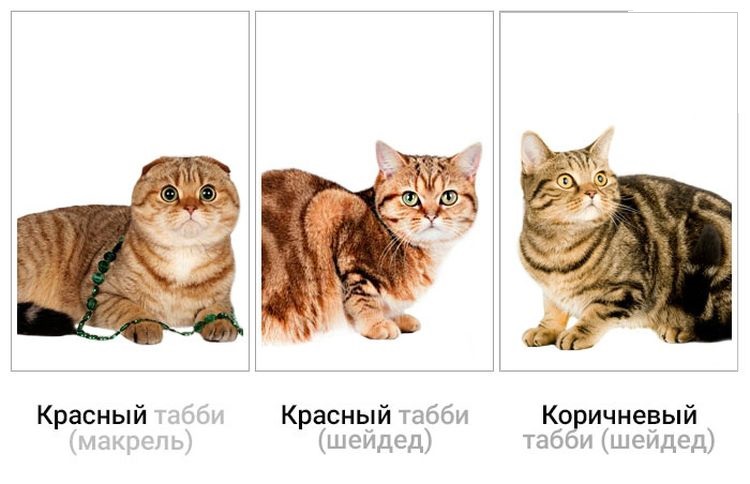
- zonal color (striped, marbled or spotted tabby);
- white spot (mostly a single color with spots of different colors);
- solid white;
- colorpoint (light body and dark limbs);
- silver (smoky, silver, chinchilla and cameo).
Some of the drawings can be seen in the gallery:
Description of the main breeds
The main cat breeds were derived from the earliest, but not always the most widespread, breeds. Breeders continue to experiment with these breeds, achieving ever-new results.
- British. They became the founders of two main lines: British Longhairs and shorthaired, the older of which is the shorthaired. Both species are characterized by perfect fur that is very easy to care for: it doesn't mat or shed as much as other feline species.
- Abyssinian. Their coloring resembles that of wild rabbits, hence their first name – "rabbit cats." They are very sociable, have a good disposition, and a graceful body.
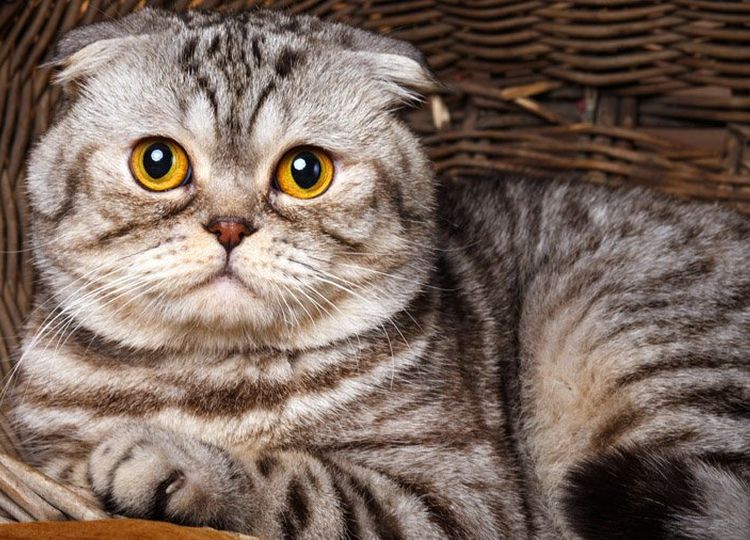
- Scottish. There are two main forms: straight-eared and fold-eared. The straight-eared variety was the baseline, while the fold-eared variety was the result of genetic experiments that succeeded in fixing the gene responsible for cartilage regression.
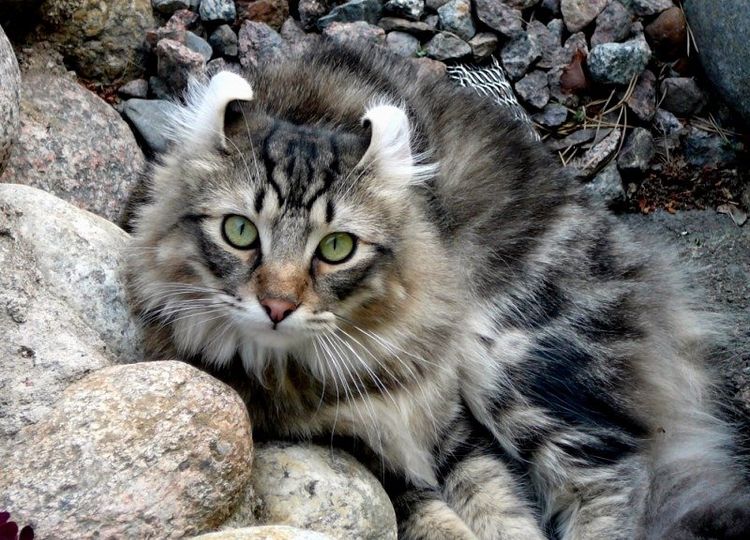
- American Curl. The main distinguishing feature is the ears, which curl inward or backward at varying angles. The inner surface of the ear is densely furred. American Curls are very active animals, and their playfulness and energy persist into old age.
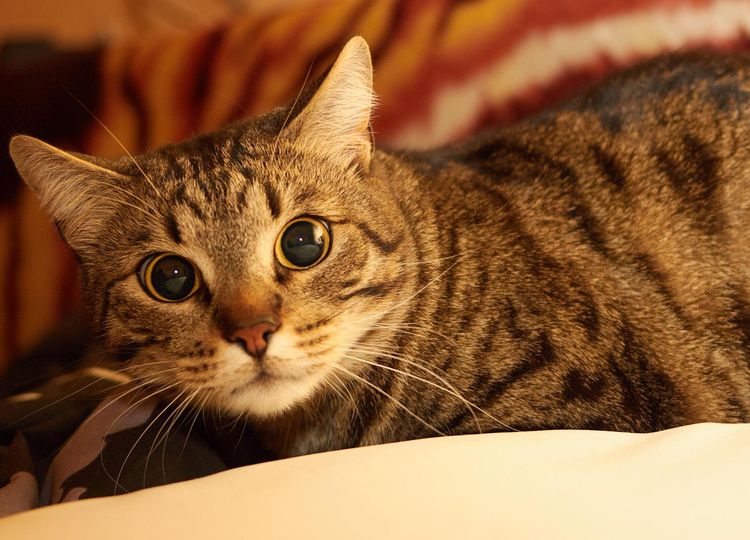
- European Shorthair. Experts believe this breed developed with minimal human intervention. It's quite difficult for a layperson to distinguish these cats from ordinary stray cats, as they are extremely similar in genotype and appearance.
- Angora. It is believed that it became the ancestor of all long-haired breeds. Its distinguishing features are the absence of undercoat and a thick ruff around the neck.
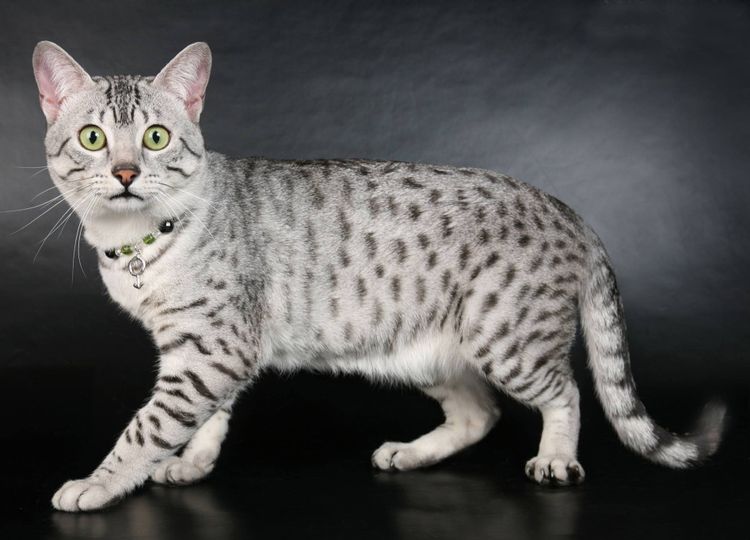
- Egyptian Mau. Of all the currently known species, the Mau is the oldest. Its first depiction was 3,000 years ago. Its eyes are very unusual: they appear to be lined with eyeliner, and a "W"-shaped pattern is visible between its ears.
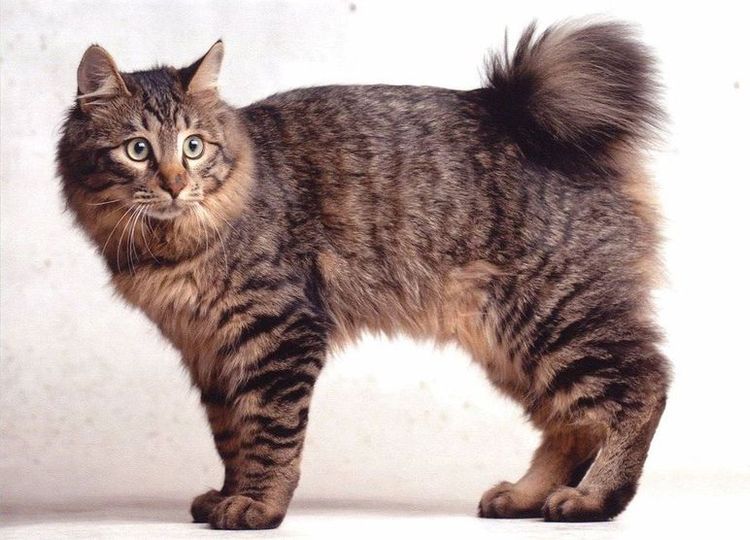
- American Bobtail. It has a short, fluffy tail, making it easily distinguishable from other species. There are short-haired and long-haired varieties.
- Bengal. They live not only near humans but also in the wild. They most often have white fur, but occasionally have spots.
- Sphinx. Their main characteristic is a slightly underdeveloped coat, expressed to varying degrees. Due to their lack of fur, they thrive in warm places. They have a friendly and affectionate nature.
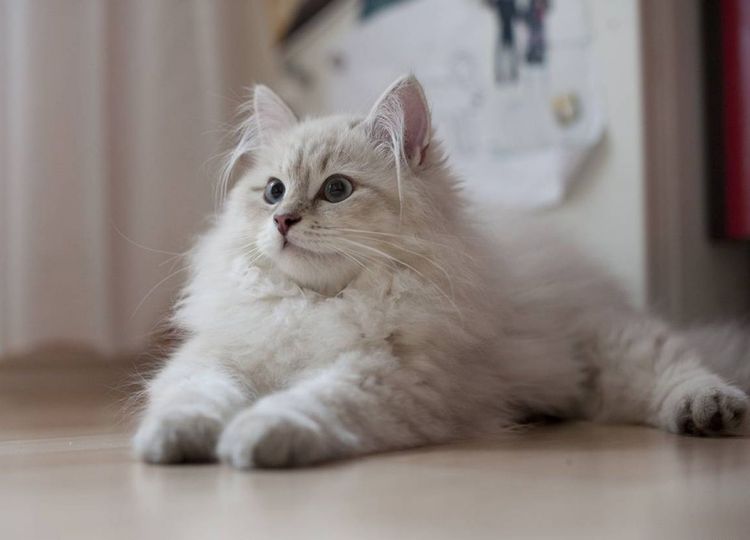
- Siberian. The breed emerged thanks to the harsh, cold climate, which led to the development of this cold-adapted cat species. They are distinguished by their excellent hunting skills, making them excellent ratters and mousers.
- Siamese. They appeared in the 16th century and have since become the basis for the development of many new species. They are very friendly creatures, distinguished by their beautiful coloring.
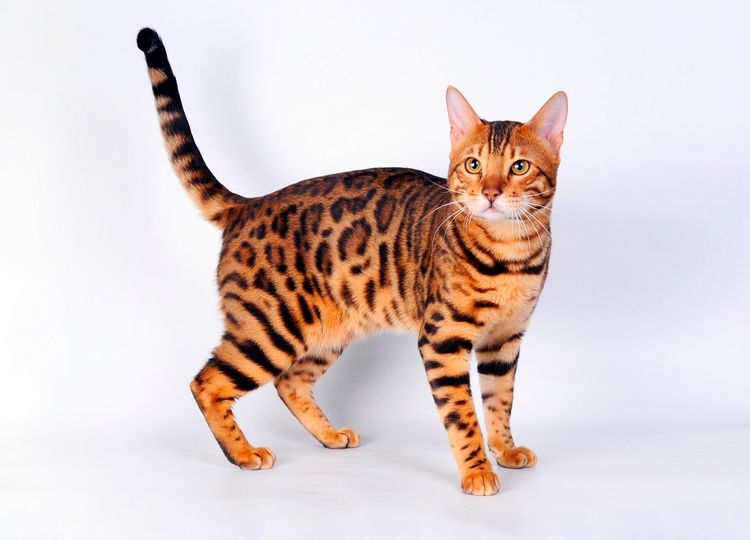
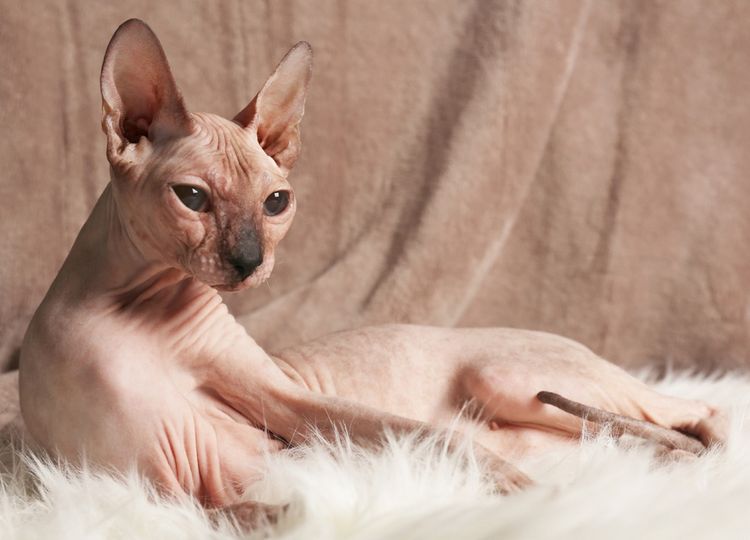
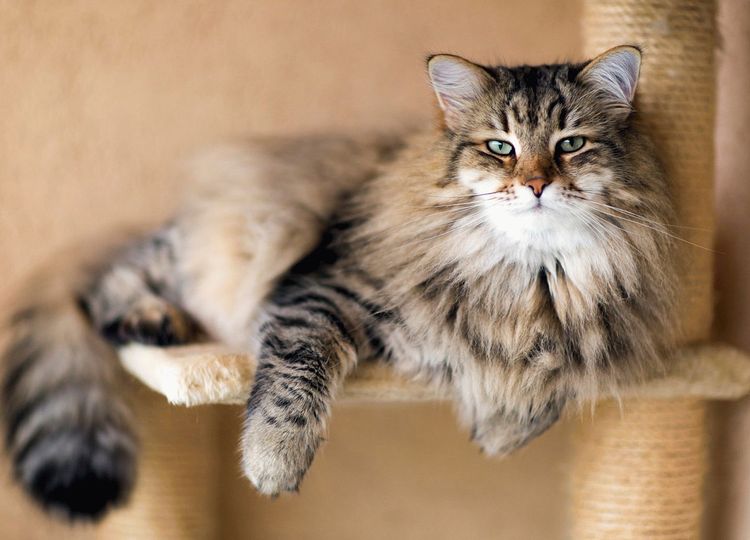
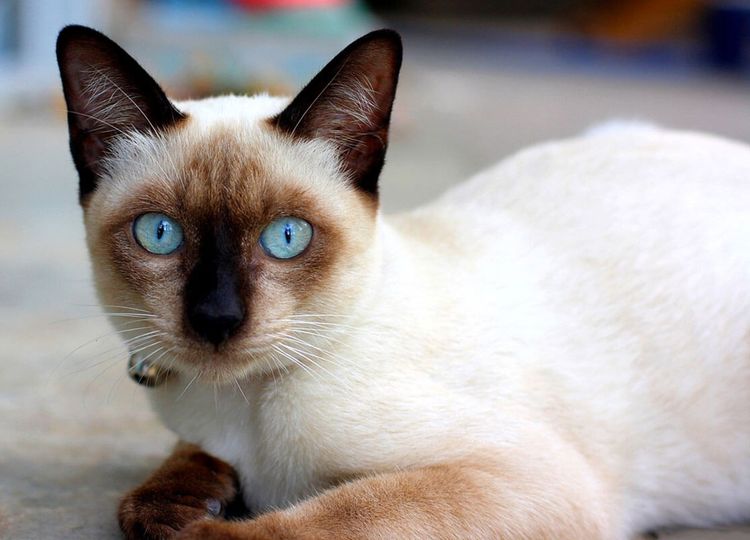
These cat species have become the main ones that most breeders around the world work with, achieving a constant expansion of cat breed reference books.
Read also:
- How to determine a cat's breed
- Spotted cats: breeds
- The cutest cats in the world: breeds with photos


Add a comment