
How many hours a day do dogs sleep?
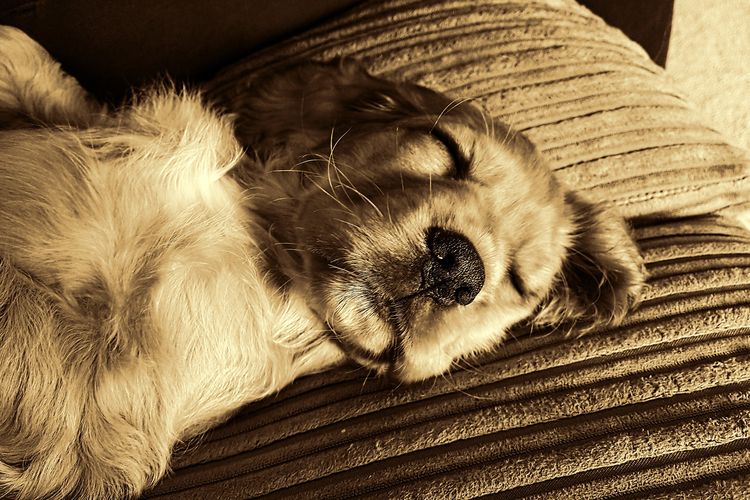
The quality and duration of sleep are both a cause and a consequence of the overall physical and mental health of people and animals. Unlike humans, dogs require a longer rest period, averaging 12–18 hours and accounting for 50–75% of their daily sleep. This amount varies depending on breed, age, living conditions, and many other factors. However, the amount of sleep a dog gets per day can be used to assess their well-being and mood.
Content
Why do dogs sleep so much and how much exactly?
Dogs' sleep is complex and polyphasic: they continuously alternate between drowsiness and activity, allowing them to quickly respond to stimuli. They typically spend up to 50% of their time drowsy, another 30% quietly awake, and only about 20% actively awake. This pattern differs from humans—we spend up to 25% of our time in deep sleep, while dogs spend only about 10% of their time in deep sleep.
Table:Sleep norms depending on age and size
| Dog category | Sleep per day |
|---|---|
| Puppies (up to 6 months) | 18–20 hours |
| Adult dogs (1–7 years) | 12–16 hours |
| Senior (7+ years) and large breeds | 4–6 p.m. |
-
Puppiesneed more sleep for growth and normal development of the nervous system - deep sleep phases dominate in them, and they can sleep up to 20 hours.
-
ElderlyAndlarge breeds(mastiffs, St. Bernards) sleep longer, spending more time on recovery.
-
Active breeds(Border Collies, Huskies) sleep less because their lifestyle requires energy and activity.
Deep sleep and phases
Canine sleep consists of three stages: drowsiness, light sleep, and deep sleep (REM). REM sleep lasts only 10–20 minutes and functions to process information, strengthen memory, and strengthen the immune system. Then comes the transition to drowsiness, during which dogs can wake up immediately—an adaptive response inherited from their hunting ancestors.
Sleep mode
Dogs sleep completely differently than humans. This applies not only to their longer sleep duration but also to their sleep patterns. Humans typically sleep all night and sometimes even a little during the day. Dogs, however, sleep in short bursts spread throughout the day. For this reason, dogs' sleep patterns include the same stages (phases) as humans, but each has a different duration.
In general, there are 4 phases of dog sleep:
- drowsiness, or the stage of falling asleep - the pet is relaxed, but remains conscious and in control of the situation around it;
- shallow - complete relaxation occurs, recovery processes begin in the body, but the animal hears sounds;
- deep – the dog switches off, all muscles are completely rested;
- fast - the animal is motionless and relaxed, but you can see the eyes moving under the closed eyelids.
The rapid eye movement (REM) phase is so named because it ends quickly. Afterward, the pet either wakes up or enters a light sleep phase. Dogs rarely enter deep sleep, but they can fall asleep quickly in any environment and wake up instantly with the slightest change in the situation.
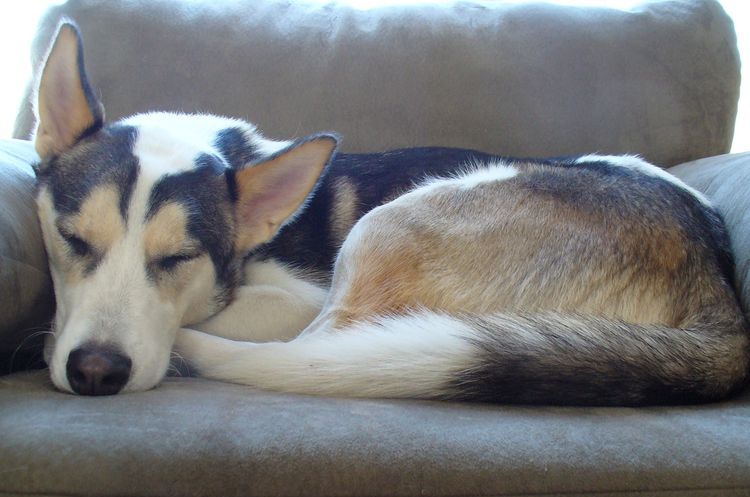
Important to know! Depending on how much time a dog sleeps, one can judge its health. If your pet's sleeping habits change, and instead of being normally active, it becomes drowsy, or if a phlegmatic animal begins to be awake excessively, it should be examined by a veterinarian.
Influencing factors
To more accurately determine how many hours dogs should sleep, taking into account individual subjective and objective characteristics, it is necessary to pay attention to the following factors:
- Age. Pets under 3 months of age and over 8-9 years of age require additional rest, as the former require more time to grow, while the latter need more time to recuperate. However, no matter how old a dog is, it will sleep as much as it wants (it's impossible to force it).
- Breed. The larger the animal, the longer it should sleep. Furthermore, sleep duration is often determined by the breeding goals (service dogs tend to be more active, while toy dogs traditionally lead a sedentary lifestyle).
- Health status. Depending on the duration and course of their stress or illness, dogs experiencing stress or illness may sleep all day or, conversely, suffer from insomnia.
- Living conditions. Stray dogs don't have time to sleep much because they have too many things to do and interests to occupy them, while apartment dogs, at best, only get a view from the window. Depending on how many other residents live in the apartment and how often they're home, the dog may also be constantly busy or constantly bored when alone and, consequently, sleep a lot.
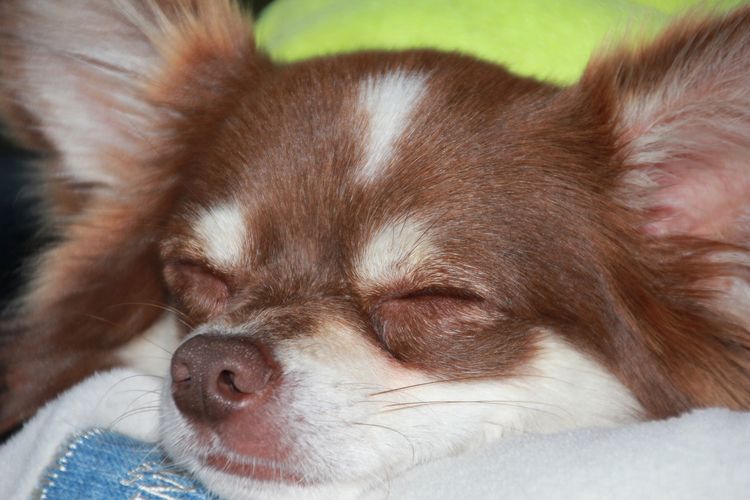
Furthermore, the reasons why dogs sleep a lot can be external. For example, the weather, which affects pets just like it does people. Cloudiness or rain, as well as excessive heat usually cause drowsiness, while bright sunny days increase activity.
Possible violations
When dogs sleep unusually much, it may indicate an underlying medical condition. The most common causes are diabetes, hypothyroidism, or depression. If your pet is sleeping less than expected, they should be monitored. It's quite possible there's no underlying medical condition; they're simply not tired and don't require recuperation.
Important to know! Paw-wagging, whining, and even sudden movements while sleeping are not cause for concern, as dogs dream too. However, walking while sleeping is a sign of a neurological disorder that requires treatment.
Unlike humans, dogs sleep as many hours a day as they want. On the other hand, they are social animals and adapt to the daily routines of those around them. Therefore, owners need to take this into account, as without adequate quality and duration of rest, their pet may become ill because their body won't have time to recover.
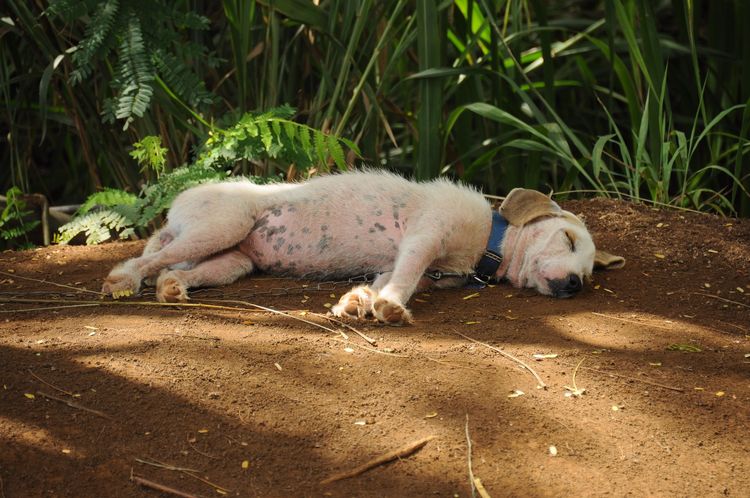
To ensure your dog gets the sleep they need, you need to carefully monitor their health and mood, provide them with proper nutrition, timely walks, and a comfortable sleeping area. This will ensure your pet is always alert, rested, and energized.
When to worry: too much sleep
Excessive sleepiness can be a sign of problems. Factors thatdogs sleep so much:
-
Diseases (arthritis, infections, hypothyroidism) - sleep becomes long, but not refreshing.
-
Obesity reduces activity and accelerates the onset of fatigue.
-
Stress or boredom are compensated by long periods of rest.
Criteria for a visit to the veterinarian: sleeping > 18 hours/day in an adult dog without cause, lethargy, loss of appetite, avoidance of activity, trembling or lameness.
Improving the quality of sleep in dogs
-
Provide adequate physical and mental stimulation – active games, walks, puzzles.
-
Organize a comfortable place: a warm bed in a quiet area, protected from drafts.
-
Establish a routine: regular sleep/wake cycles at the same hours contribute to a stable biorhythm.
Read also:
- Do Koreans eat dogs?
- Why does a dog lick its owner?
- My dog isn't eating well, but is active: why and what to do


Add a comment