
How many ribs does a dog have?
Dogs and cats are the most popular companion animals, but not all owners are familiar with their pets' anatomical and physiological features. We offer to fill this educational gap by learning how many ribs a dog has, what tissues they are made of, what they do, and what they look like in photos.
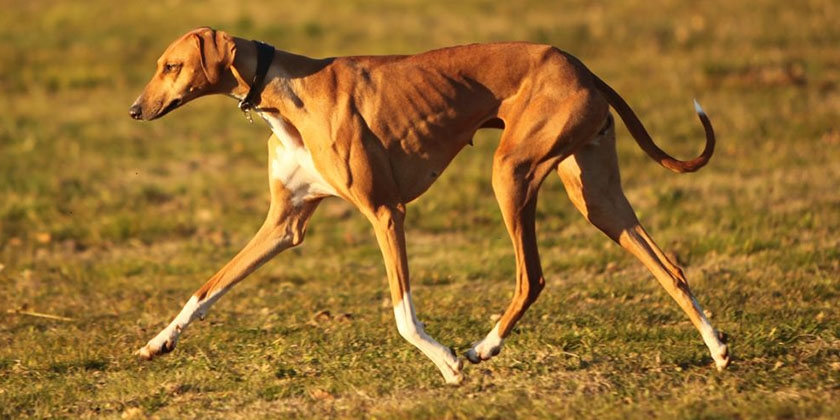
Ribs as part of the skeleton
The bones of the mammalian skeleton are part of the passive musculoskeletal system. The skeleton serves as the body's framework, protects vital internal organs, provides shock absorption during movement and respiration, and is where muscles attach. The vertebrate endoskeleton consists of tubular, spongy, flat, and mixed bones; in dogs, it comprises 292 elements. Some of these bones form the rib cage, which includes the thoracic spine, ribs, and sternum (breastbone).
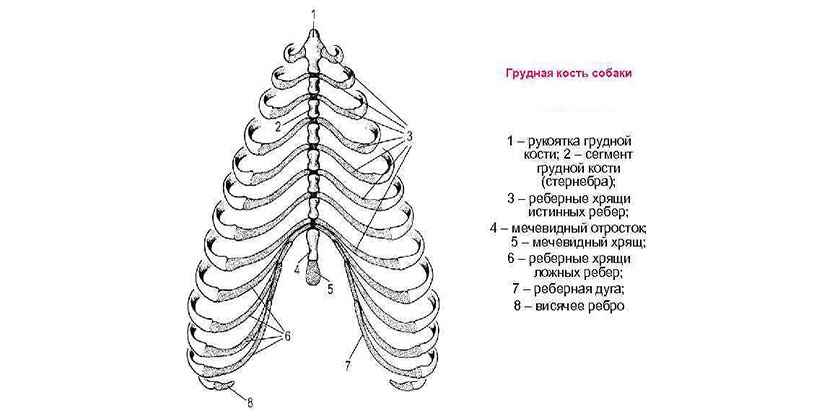
Ribs are paired bones, long, flat, arched plates, slightly twisted, concave on the inside and convex on the outside. The thicker end of the rib bone attaches to the spine, fitting into the so-called costal fossae between two adjacent vertebrae. The thin end of some ribs is directly connected to the sternum, while in others, a common cartilage connects to the sternum, forming a fairly strong yet flexible costal arch.
Bone tissue is a type of connective tissue. Ribs are flat bones, thin, compact plates composed of inorganic and organic components and water. The basis of flat bones (approximately 40% of their total volume) is collagen protein fibers, which give the ribs the necessary flexibility and elasticity. Inorganic substances, represented by calcium, phosphorus, and magnesium salts (primarily calcium phosphate, calcium carbonate, and magnesium sulfate), provide bone hardness and strength.
The composition of bone tissue in dogs changes with age: in puppies, it contains more organic matter, making bones softer and more flexible. As they age, the content of inorganic salts gradually increases. This leads to a loss of flexibility and increased fragility, which is why older dogs are more likely to suffer fractures than younger ones.
Number and classification of ribs in dogs
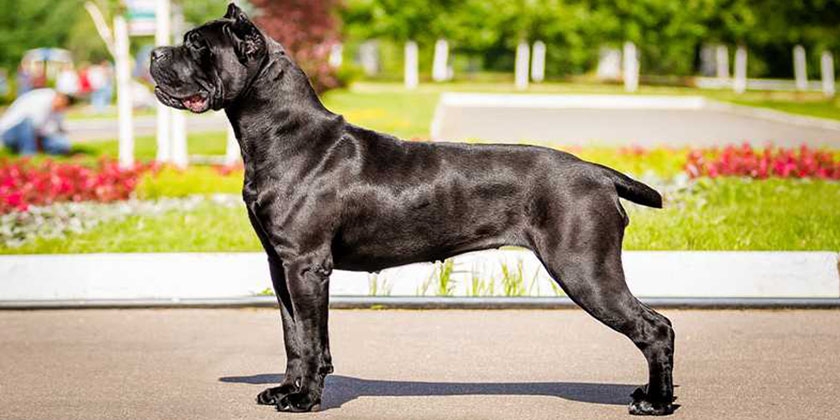
Dogs have as many pairs of ribs as there are thoracic vertebrae in the ribcage. All carnivorous mammals of the canine family—wolves, jackals, coyotes, foxes, raccoons, and domestic dogs—have 13 pairs of ribs (unlike humans, who have one pair less).
A distinction is made between true (sternal) and false (asternal) ribs. The former (of which there are nine pairs) attach directly to the sternum via cartilage, while the latter (of which there are four pairs) are joined by a common cartilage before attaching to the sternum. The free end of the latter pair can be located within the muscles, which is why these ribs are called pendulous ribs.
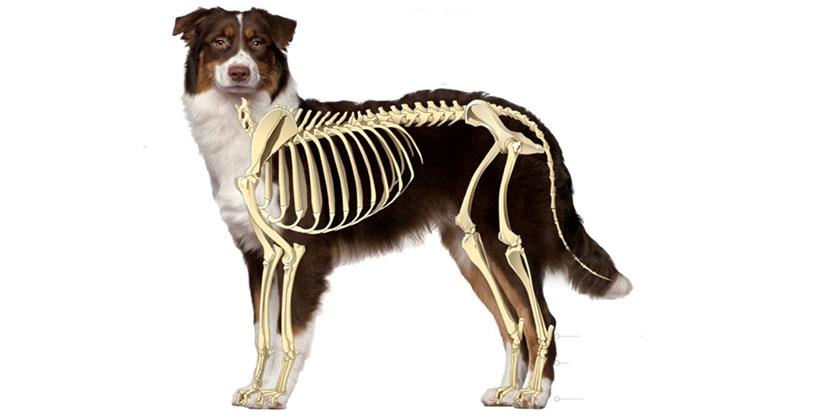
Unless your pet is severely obese, its rib bones are easily palpated, so you can count the number of ribs by running your hand along the sides of its body. Upon palpation, you'll find that the ribs vary in mobility: they move least in the cranial (closest to the shoulder girdle) part of the thorax. The first rib is the shortest and thickest, the middle ribs are the longest, and the last ribs are the shortest, thinnest, and noticeably thinner on the side facing the abdominal cavity.
Read also:


Add a comment