
How many times a day should you walk your dog?
A dog isn't just a loyal friend, a sea of affection, and a storm of emotions—it's also a serious responsibility! So before bringing a puppy into your home, be sure to learn how many times a day you should walk a dog, how to properly walk the breed you like, and consider whether you can fit the animal's needs into your work schedule.
Content
Why is walking so important?
It would be a grave mistake to view walking a dog solely as a bathroom break. Moreover, both apartment-dwelling pets and dogs kept in kennels need to be walked regularly.
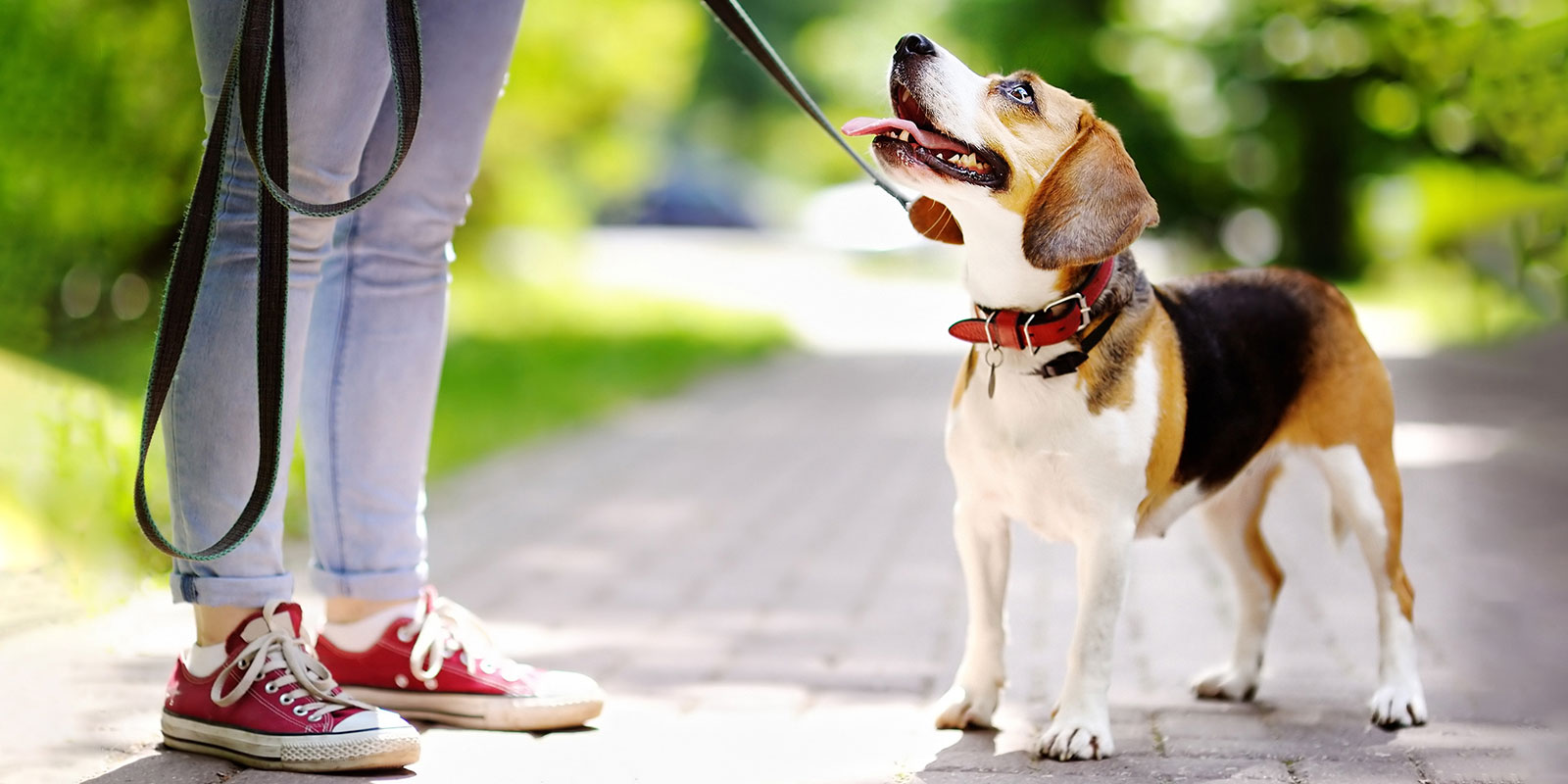
Every walk should meet the dog's basic needs:
Socialization is a crucial stage in any puppy's development, so a walk with your dog should include time alone, physical activity tailored to the dog's needs and health, and interaction (contact or simply being around other dogs or strangers).
How many times a day do you walk your dog?
Given their physiological characteristics, medium and large breed dogs should be walked at least twice a day (morning and evening). The interval between walks (think potty breaks) for an adult dog should not exceed 12 hours.
In some situations, it is necessary to walk the dog much more often.
Puppies
You can take your children for walks after a 2-week quarantine after the 2nd vaccination.
During potty training, puppies need to be walked frequently (up to 7-8 times a day). Until 4-5 months old, puppies can't consciously hold their toilet for 5-7 hours, but they can cope quite well if the interval between walks is about 3 hours during the day.
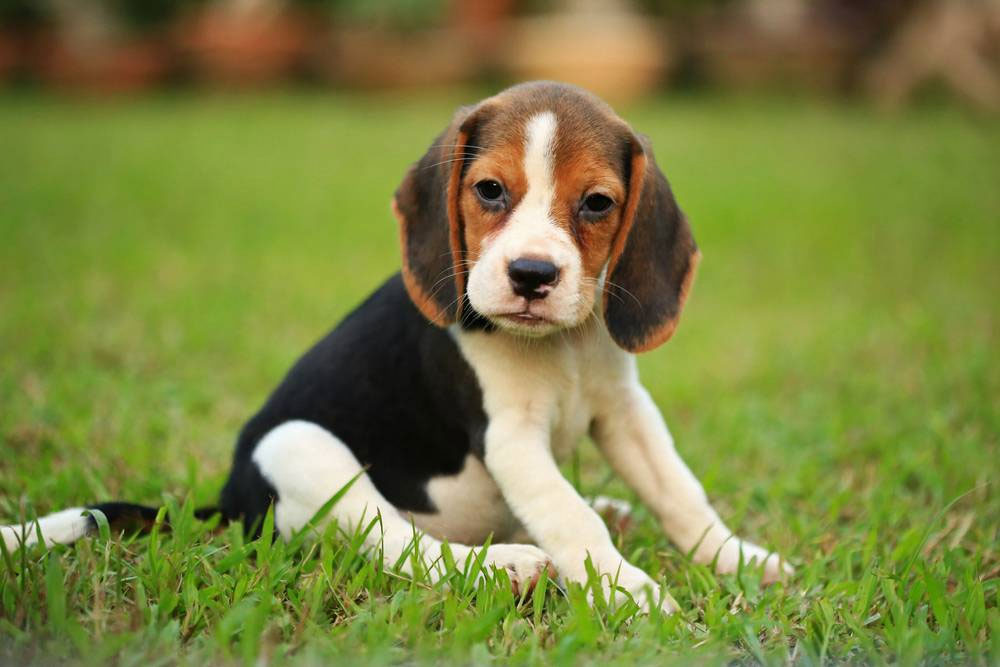
In this case, the first walk should take place as early as possible in the morning (5-6 o'clock), and as late as possible in the evening (10-11 o'clock), so that the puppy can endure it at night.
Gradually, the number of walks is reduced, and the time of the first and last walks is shifted to a time convenient for the whole family.
Small dogs
Small and toy breed dogs (Yorkshire Terrier, Chihuahua, Spitz) often have a high metabolism, so two walks a day may not be enough for them. An alternative option is to potty train your dog and on the diaper, and out into the street.
Important! Having a blanket doesn't eliminate the need for walking, as socialization, emotional, and physical stimulation are essential for the animal's psychological and physical health.
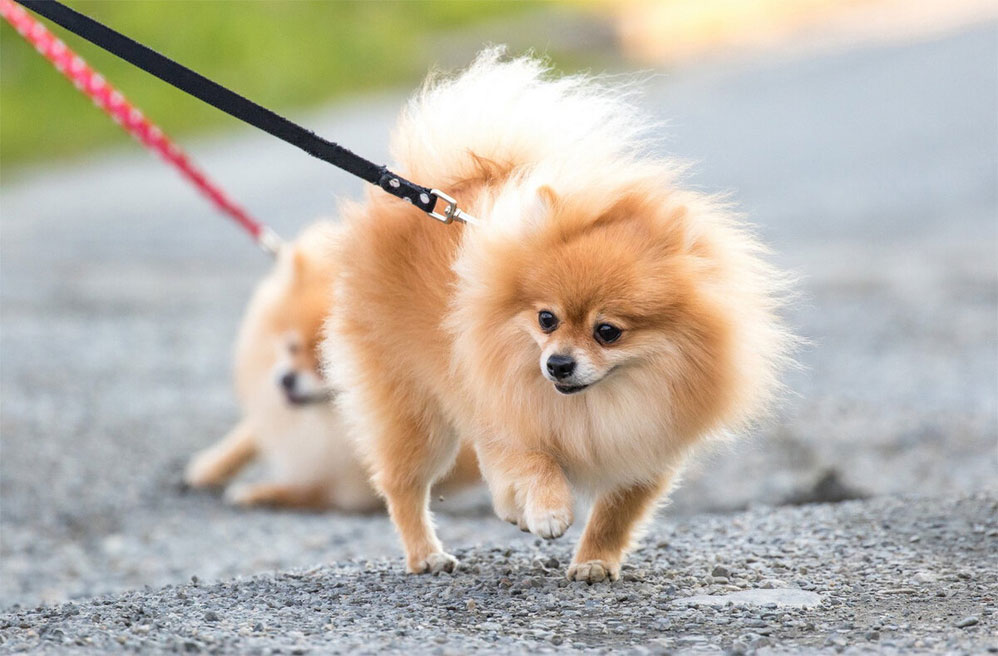
When talking about how much you need to walk a dog with a diaper, veterinarians are unanimous in their opinion - the walk should be daily.
Elderly pets
Age-related changes in dogs begin to occur after 7-8 years of age. During this period, various illnesses become apparent, and it becomes physiologically difficult for animals to endure 10-12 hours of rest.
How many times a day you need to walk an older dog depends largely on the pet's health, but veterinarians recommend walking such animals three times a day.
Special conditions
From time to time, dogs have conditions that require more frequent walks, such as:
- during estrus (the dog experiences more frequent urge to go to the toilet and the need to mark territory);
- during pregnancy (growing puppies put pressure on the bladder, which is why the dog cannot hold it for as long as before);
- for diseases of the kidneys and urinary system;
- in the postoperative period (if there was abdominal surgery);
- while taking medications that have a diuretic effect.
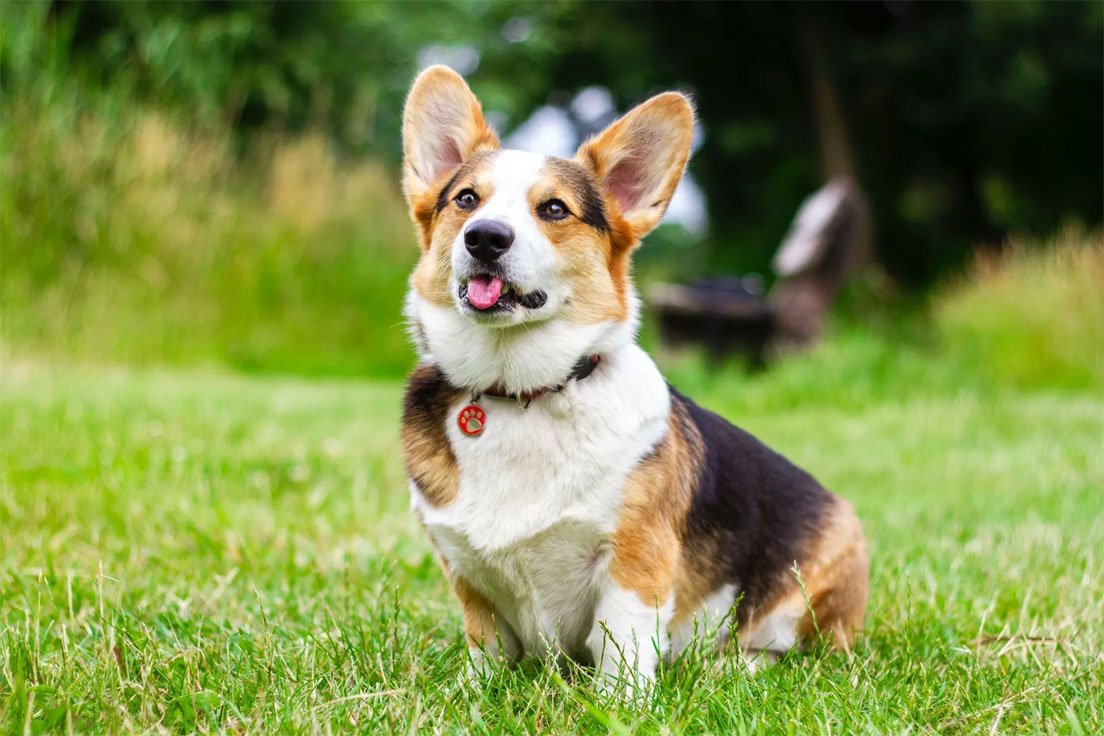
Don't scold a dog that couldn't cope in one of the above situations until its next scheduled walk. It's better to think about how to walk the dog more often or who you can ask to help in the situation if you can't take the dog out yourself.
Basic rules for walking
A contented, properly walked dog will sleep peacefully at home between walks, without causing unnecessary problems for its owners and neighbors.
Please remember that in public places dogs are only allowed to be walked on a leash, and large breed pets must also be on a leash. muzzle.
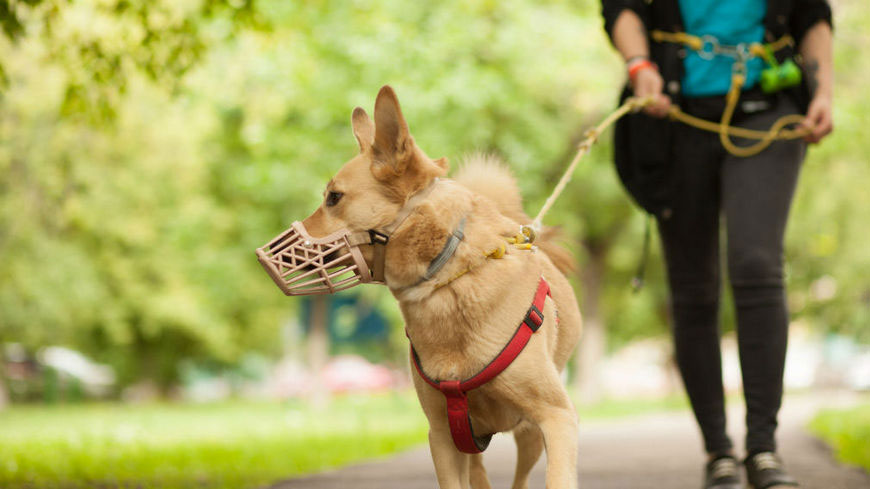
To allow your dog to enjoy freedom and run around without a leash, you can periodically take your pet out of town or visit specially fenced areas.
How long should you walk your dog?
On average, veterinarians believe that a walk should last at least:
|
Dog size |
Minimum walking time |
|
Small and dwarf |
20 minutes |
|
Average |
40 minutes |
|
Large and gigantic |
60 minutes |
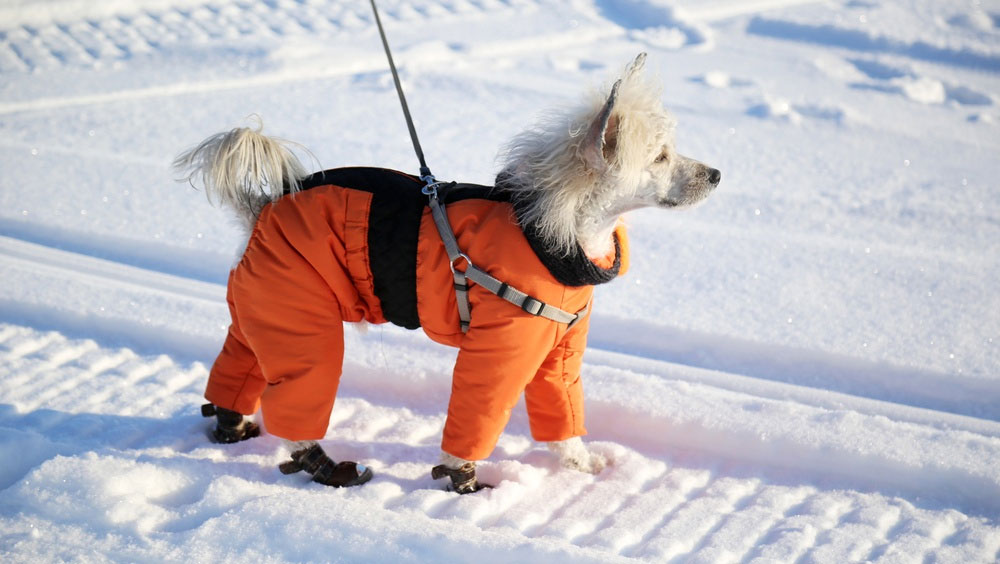
You shouldn't shorten the recommended walk duration even in the rain (in spring or autumn, walk your pet in protective overalls) or in frosty weather (in winter, it's better to dress smooth-haired breeds that don't tolerate cold well in insulated vests or overalls).
Activities during a walk
It is not only the duration of the walk that is important, but also its intensity.
Important! Walk your dog before feeding, as activity after eating can cause gastric torsion.
To ensure the necessary level of activity for small and medium-sized dogs (Yorkies, Dachshunds, Bichon Frise, Corgis, Spaniels, Poodles, etc.), you can:
- jogging together;
- throwing a ball, stick, ring;
- overcoming an obstacle course on a special site;
- active training;
- pet playing with other dogs.
Exercise for brachycephalic breeds (French and English Bulldogs, Pugs, Shih Tzus, Chow Chows, Boxers, etc.) should be strictly regulated due to the physiological characteristics of their respiratory system. It's important to remember that dogs shouldn't become excessively out of breath after playing or running.
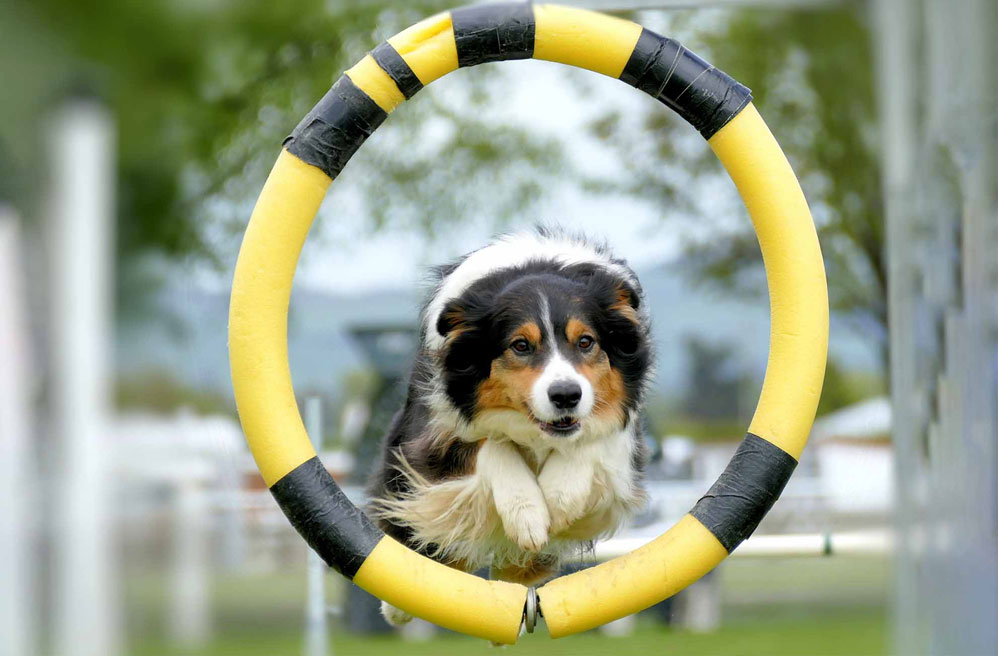
Large breeds such as Huskies, German Shepherds, and Labradors require more activity than medium-sized dogs. These pets may enjoy:
- jogging together;
- bike ride;
- strength training (e.g. running with weights);
- active training on a special site.
Walking the dog with a child
If we are talking about representatives of a small breed, then it is quite possible to entrust the lunchtime walk to your son or daughter, provided that:
- the child is quite independent and responsible;
- the dog obeys its little owner;
- The child will walk the pet in a safe place and always on a leash.
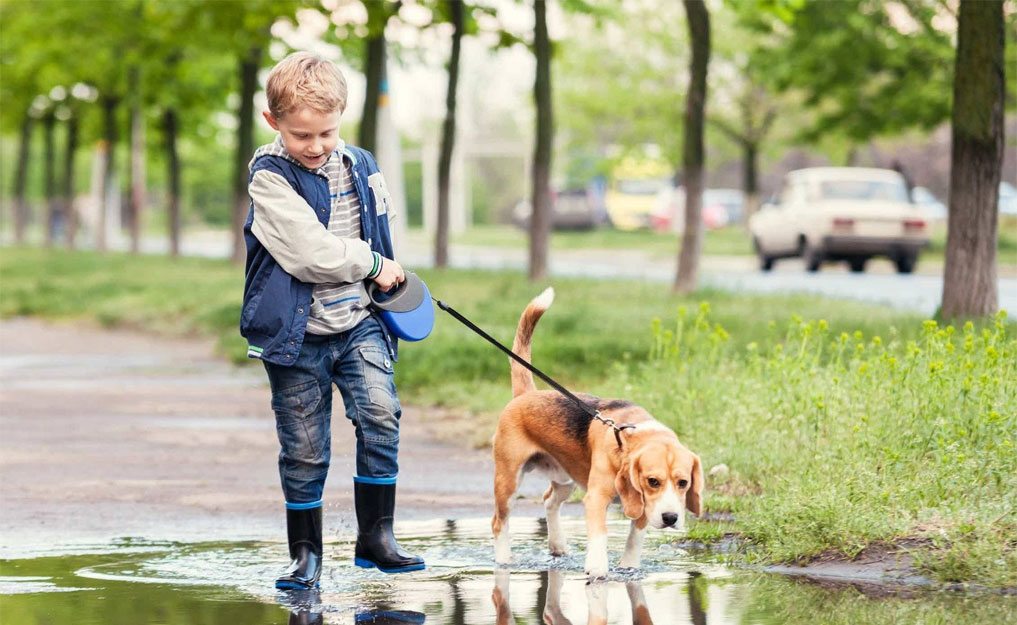
If you need to walk a German Shepherd, Husky, Labrador, Mastiff, Great Dane, or other large or giant breed dog, keep in mind that a child will not be able to handle such a pet, especially if we are talking about grown puppies or animals that recognize only one owner.
Walking an adult large dog can be entrusted to teenagers over 12 years of age, provided that the dog has completed a special obedience course and the son or daughter is ready to take responsibility for the pet.
In this case, the child must be given absolutely clear instructions:
- where and how much you can walk;
- how to communicate with animals correctly;
- What to do if someone else's dog is being aggressive;
- what to do if the dog doesn’t obey;
- What to do if a dog runs away.
Breeders' Advice
To summarize, you will gradually understand how many times a day you need to walk your pet, but you should be prepared for the fact that sometimes you will need to walk more often (the period up to a year for puppies, as well as special moments with an adult dog).
For more information on how to properly walk your dog, watch the following videos:
https://www.youtube.com/watch?v=EPDgyQoOv3s
https://www.youtube.com/watch?v=mKP3JIatjBg
Read also:
- When can I start walking my puppy?
- How to teach a dog to fetch a stick and other things
- How to stop a dog from pulling on a leash during a walk


Add a comment