
How many times a day should I feed my cat?
A properly and effectively organized cat feeding schedule will determine not only the pet's health and well-being, but also the owner's peace of mind. Unsatisfied animals, not accustomed to a specific schedule, will constantly beg for food or simply steal it. There's no exact calculation for how many times a day to feed a cat; you'll have to decide based on your own resources.
Content
How often should a cat eat?
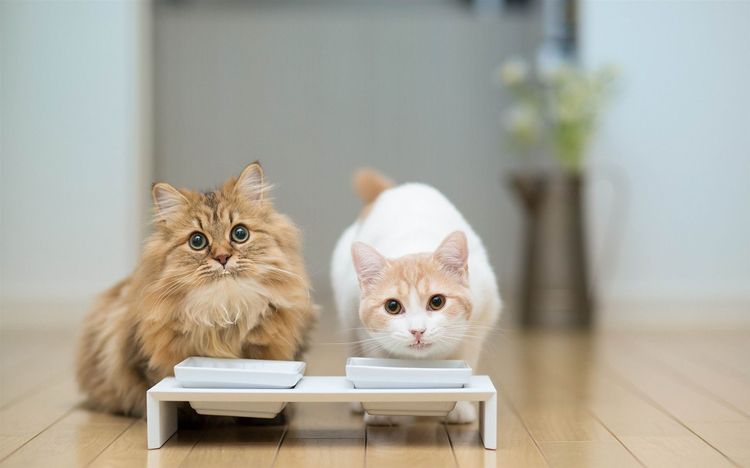
Feeding adults twice a day is considered optimal. When determining how many times a day to feed a cat, it's important to consider a number of factors, including:
- own daily routine;
- type of feeding - natural food or prepared food;
- age-related characteristics and health problems of the animal.
With a standard eight-hour work schedule, you can feed your cat twice a day: morning and evening. Once you establish this routine, stick to it even on your days off. Following this routine, your cat will get used to being fed at specific times and won't bother you with hunger cries.
If it's not possible to feed your cat frequently, you can switch to a one-time feeding schedule, or even better, provide unlimited access to food. Of course, this approach is more appropriate if your pet is accustomed to dry food:
- the daily portion can be poured directly into the food container;
- the industrial mixture in this form does not spoil for a long time;
- An adult individual controls how much and when it needs to eat.
In addition to the obvious advantages, ready-made high-quality food has other benefits:
- it already contains the necessary amount of vitamins and microelements for cats;
- You can choose a variety based on your pet's health—food types have been developed that are suitable for individuals suffering from urolithiasis, allergies, and diabetes, as well as for young and active cats.
When choosing a natural diet, you'll need to not only carefully develop a menu but also meticulously calculate how much your cat should eat per day to obtain the recommended amount of nutrients. Furthermore, to ensure your pet's healthy growth and robust health, you'll need to stock up on vitamin supplements. This type of feeding requires significantly more time from the owner for grocery shopping and meal preparation, as well as a more responsible and attentive attitude toward their pets.
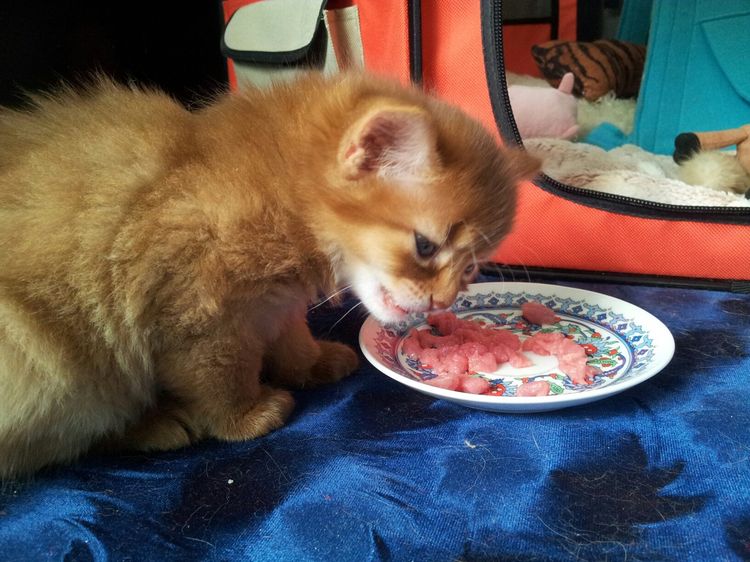
As cats age, they develop more and more health problems. First and foremost, their teeth become damaged and their gums become inflamed. If oral problems arise, a change in food may be necessary. dry to wet, and for natural feeding, liquid and softened foods. Older cats and those suffering from illnesses only need to be fed once a day.
How often does a cat eat?
When it comes to feeding a male cat daily, there's no significant difference from feeding a female cat. One thing to note: male cats, especially growing ones, have less control over their appetite and are therefore more likely to experience weight problems than females. Because they like to eat a lot and often, it's important to strictly limit the amount of food they feed from the start.
Contrary to popular belief that a neutered cat's diet should differ significantly from that of an intact cat, both cats can be fed the same diet. Those who argue otherwise believe that neutered cats are more susceptible to developing urolithiasis. In fact, urine concentration increases when cats drink little and eat dry commercial food.
Amount of food
Since all animals are different, it's important to focus not so much on the number of feedings as on the daily food portion. To calculate this, consider the following factors:
- Nutritional quality – for example, holistic foods contain high amounts of protein and nutrients beneficial to cats, while being completely free of added bulking agents, so smaller quantities are required. Budget-friendly products, on the other hand, typically contain a large number of unnecessary additives, so a pet will need a larger portion to be satisfied.
- Calorie content is one factor that influences the number of feedings. To satisfy hunger, a pet will require more food with a low energy value than more nutritious foods.
The total daily portion is determined based on the pet's weight: 30-60 grams of food per kilogram of body weight. This wide range is due to the differences in the nutritional value of different foods.
Important: During periods of illness and recovery of the pet, as well as for pregnant and lactating cats, a special feeding regimen is required.
Does the cat have enough food?
It's also important to weigh your cat periodically to ensure they haven't gained or lost too much weight, as both can negatively impact their health. The ideal weight for most domestic cats is between 2 and 4.5 kg, so if your pet's weight is outside this range, you'll need to adjust their feeding. This could be due to:
- change of feed type;
- increase/decrease in the number of meals.
You can also tell if your pet is getting enough food by looking at its ribs:
- if the ribs protrude too much, this is a sign of malnutrition and excessive thinness;
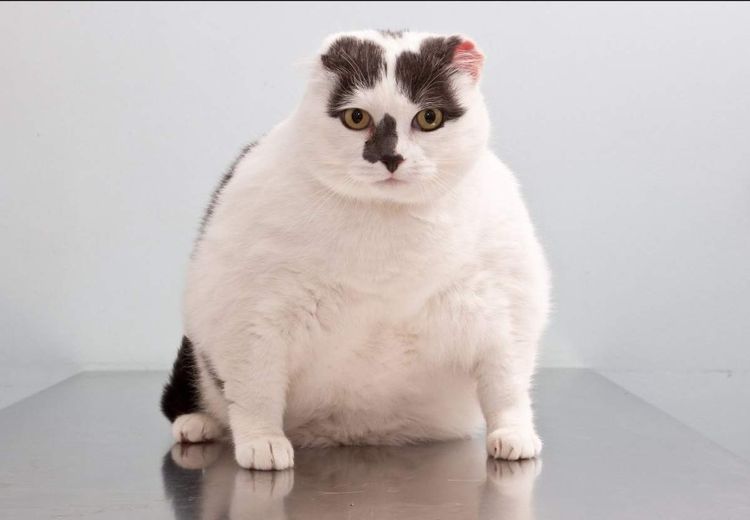
- If the ribs cannot be felt, it is sign obesity.
Normally, a cat's ribs should be covered with a thin layer of fat and not be visible through the skin, but they can be easily felt. In pregnant cats, increased fat on the sides is perfectly acceptable.
Every animal's body is unique, so it's important not to blindly follow recommendations, but to choose a feeding regimen for your pet that takes into account its individual characteristics.
How to water cats
IN in sufficient quantity clean drinking water Both male and female cats need water. Pets should always have easy access to drinking water. It is recommended to filter warm water or let it sit for 24 hours, then serve it to animals in a wide, spacious bowl. Keep the bowl clean and change the water regularly. It's important to remember that cats fed formula need to drink more frequently and more abundantly.
Dry food works by expanding in a moist environment and filling the cat's stomach, providing a feeling of satiety. However, without sufficient fluid, this process doesn't occur, so the animal will need more food to feel satiated. Furthermore, consuming only dry food without water can lead to more serious health problems.
Once you've decided on the type of food, taking into account your pet's age and health, as well as your own daily routine, it'll be easy to determine the number of times your cat should be fed.
Any questions? You can ask our website's staff veterinarian in the comments below, who will answer them as quickly as possible.
Read also:


3 comments
Elena
Thank you for the detailed story about cats. You are an amazing person, or a veterinarian, or maybe both.
Olesya
Good afternoon. We have a British shorthair cat, now 5 months old. We started feeding him Pro Plan dry food. He weighs 2 kg. We feed him 5 times a day, a total of 70 grams. Please tell me how many times a day the kitten should be fed. And if 3 times, how many grams should he eat per feeding? We consulted with veterinarians, but everyone says different things. Some say we feed him often, others say 5 times a day is fine, but only a little at a time. Please tell me the correct method. Thank you very much.
Daria is a veterinarian
Hello! Everything is individual. Opinions will always differ because veterinarians are not trained in nutrition. Everything is learned over time through additional literature.
I'm judging by humans: some need to eat frequently, but in small amounts (especially if they have metabolic disorders or are involved in significant physical activity). A healthy person with a normal lifestyle is fine with three meals a day, just larger portions and ones that are nutritious enough to provide energy from one meal to the next. I think about animals the same way: if they don't have intense exercise, gastrointestinal diseases, diabetes, or thyroid problems, then three meals a day is enough. A single portion is calculated based on the daily requirement (each food has its own norms based on age and weight). Divide the daily requirement into three parts, or you can divide it into two parts. My cat eats twice a day: at 7 a.m. and at 7 p.m. I give her her daily allowance in the morning and add more in the evening. She eats little by little throughout the day. But I've also heard of cases where an animal overeats if fed twice a day (eats, overeats, then vomits). These animals need to be fed small portions frequently. As you can see, it's a case-by-case basis, and the decision is yours. But in my opinion, it's easier and more appropriate to switch to two or three meals a day. Otherwise, it'll be harder to maintain this regimen (cats live for 20-25 years, remember), and the older they get, the worse they handle stress, and changes in regimen can be nerve-wracking.
Add a comment