
How many times a day should a cat pee?
Unfortunately, our beloved cats, like us humans, are susceptible to urinary tract infections. Experienced breeders are familiar with the symptoms and consequences of urolithiasis, which often affects young cats. However, inexperienced cat owners often ask how many times a day their cat urinates and what their toilet schedule is, thus "telling" their owners that their urinary system is healthy.
Content
What are normal urination values?
The normal daily urine output of domestic felines should be between 50 and 200 ml. Naturally, these figures vary depending on the individual characteristics of the animal, including its gender, age, weight, feeding system, and activity level.
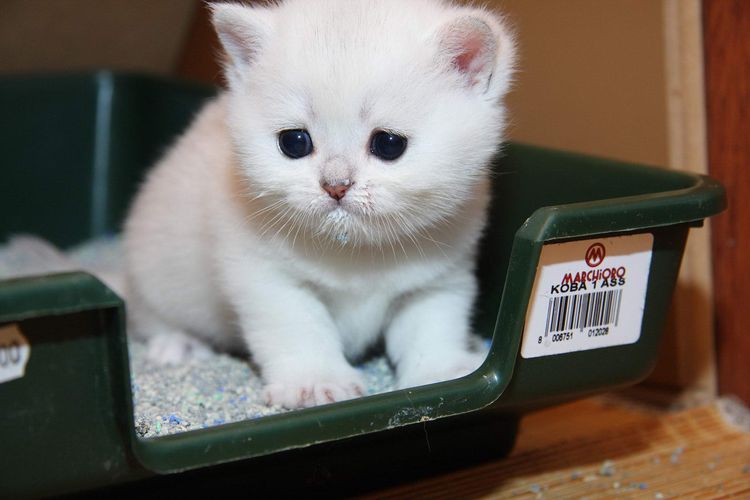
Newborn kittens typically urinate once a day. As they grow, the frequency of urination increases to three times by 2-3 months, and by six months of age, this active, fluffy kitten may urinate up to six or even ten times! As they mature, they'll drink less, and the urge to urinate will become less frequent; five urinations will be sufficient.
To determine if your kitten's urination is normal, observe how often they sleep and drink, as these are the times they most often urinate. If these indicators match, it means they're not having problems urinating.
If you're wondering how many times a day a healthy, mature male cat should urinate, there are no strict guidelines. Don't be surprised if you notice that he uses the toilet twice as often as his female cat. This noticeable difference is explained by physiological reasons: male cats have narrower and more curved urinary tracts, which slows the flow of urine and forces them to urinate more frequently. This same specific structure of the urinary system is also responsible for the fact that male felines are more prone to this problem. development of urolithiasis, than female.
How often does an adult cat pee?
A normal adult pet can urinate between 2 and 6 times a day. If they're so lazy that they won't even get up to drink, it's understandable that they'll urinate only once a day. More active pets, who are frequently played with and walked by their owners, tend to drink a lot and frequently, which means they urinate.
A cat's diet plays a major role. If you feed it dry food, it should have regular access to fresh, preferably filtered, water. Many owners wonder why their cat urinates frequently. Most likely, it's because it's overeating dry food and drinking too much, which triggers the frequent urge to urinate. However, it's important to watch for blood in the urine.
It has already been mentioned that male cats are more prone to developing urological diseases than female cats. Their narrow urinary tracts accumulate large amounts of salt crystals, which can form stones. Some experts claim that animals should drink three times more water than they eat dry food. So, calculate roughly how much fluid your pet needs. If he's drinking very little, try giving him additional fluids using a syringe without the needle. Neutered male cats require special attention, as they are more susceptible to urological diseases.
What are the deviations from the norm associated with?
It can happen that a cat urinates only once a day, despite previously using the toilet frequently. There can be various explanations for this. Psychological causes are usually related to stress due to a change in living conditions (owner, housing, etc.). Depressed and ill cats often develop depression after castration or sterilization (in female cats). Their urinary function may take up to three days or more to recover.
It's dangerous if urinary retention lasts more than two days, and the animal either doesn't urinate at all or urinates in small amounts. If you notice pain when urinating, or if you see traces of blood or sand in the urine, take your cat to the veterinarian immediately.
You can also ask our website's staff veterinarian a question, who will answer them as quickly as possible in the comments box below.
Read also:
- How to train a cat to use the toilet?
- Methods for toilet training a kitten
- Triple phosphates in urine in cats


100 comments
Alina
Hello, I have a kitten who is about 7 months old, not yet neutered, a Siberian mix, and we recently switched to dry food. He can poop once every 2-3 days. Is this normal? He doesn't seem to have any complaints. I massage his tummy, and it's soft and lumpy.
Also, after he's run around a bit, he lies down in a cool place and starts breathing with his mouth open, like dogs. Is this his shortness of breath? Please tell me what to do.
Thank you.
Alina Veterinarian
Hello. It's generally accepted that kittens should defecate 1-3 times per day. Otherwise, your condition may be called constipation. However, some cats may defecate once or once every three days throughout their lives.
Monitor the quality of the stool. If it looks like dry peas, your cat is constipated. It might be worth reconsidering the kitten's diet (this is a common complaint among kitten owners, who are later diagnosed with nutritional secondary hyperparathyroidism).
Shortness of breath in a cat may be due to heart problems. It's best to consult a cardiologist in person.
Health to you and your pet!
Mayan
Good evening! My 2-year-old cat, neutered, urinated this morning. I noticed he was using the litter box frequently, but not urinating, and meowing occasionally. We gave him No-Spa shots and an antibiotic at the vet. But he still hasn't urinated. He sits in the litter box for a long time, then licks himself clean and meows again. He was eating well. How long should I expect improvement, or should I go to the vet in the morning? Should I give him extra water, as I noticed he's not drinking? Thank you in advance for your advice.
Alina Veterinarian
Hello! Your cat most likely has ostia urinary retention (OUR). In these cases (we usually tell owners to wait no more than 6-12 hours after administering medication), if the medications don't help, you should go to the clinic for urethral catheterization and urine drainage. Giving additional water or subcutaneous or intravenous solutions to the catheter for unresolved urethral obstruction is strictly prohibited.
Irina
Hello! My cat has heart failure, kidney stones, and pyometra. She's 1.5 years old. She's on a special diet, including Zoocard, and Furosemide. She pees twice a day and sometimes refuses to eat. Should I be concerned?
Daria is a veterinarian
Hello!
If you're concerned about any behavior or health issues in your pet, don't be afraid to make an extra visit to the clinic. Cats don't voluntarily starve themselves. If your cat isn't eating, and the vet says it's normal, I recommend consulting a specialist for a second opinion.
Long life to your beauty!
Svetlana
Hello! My cat is 8 years old, neutered, and has kidney stones. I noticed he pees once a day. He eats three times a day and drinks a lot, up to two bowls a day. He's inactive. I took him to the vet, and they said there's no swelling, so I can go home.
Snezhana
Hello, my cat has been drinking almost no water lately and has started going to the toilet only once a day. Before, she used to go twice a day. She eats good food, dry Royal Canin and liquid Gourmet. We mistakenly bought Royal Canin for neutered cats, but she is not neutered. Could this be the reason?
Tatyana Shmonina - veterinarian
Hello! No, the reason is different. You need to have your blood tested, both clinical and biochemical.
Kate
The cat appears healthy. He's 9 months old, neutered 1.5 months ago. We did a urine test. Only four abnormalities were found. And the urine test wasn't done according to the guidelines. The litter box was rinsed with water, but not wiped dry. He wrote it at night, and the clinic courier didn't pick it up until 12:00 to take it to the lab. The results were: pH 8 (normal range: up to 7), protein ++, struvite crystals ++, amphoric phosphate ++, cocci ++.
Tatyana Shmonina - veterinarian
Hello! If you doubt the informativeness of your results, please retake the test (following all the instructions) and perhaps at a different lab.
Anastasia
My cat hasn't peed for two days! He's happy, plays, gives kisses, eats normally, and uses the litter box for bowel movements. He doesn't drink at all! He refuses to drink at all. He eats dry food. Is this serious, and should I rush to the vet? They'll perform terrible procedures, and my cat doesn't handle stress well.
Daria is a veterinarian
Hello! If your cat doesn't drink, especially if it's eating dry food, its urine will quickly become so concentrated that sand will form in the bladder, and then crystals and stones will form. Instead of an ultrasound, IV, and urine collection, they'll prescribe surgery to remove the stones, a course of antibiotic injections, and a catheter. Your cat needs to drink water! Could you go two days without drinking anything? Or going to the bathroom? Would you go to the vet or just hope it goes away on its own? Would you feel discomfort from a full bladder and thirst? So there are two options: either the cat is drinking and urinating elsewhere, or the animal will soon have serious health problems.
Julia
Hello. Please help me understand what's wrong with my 9 month old cat. He's not neutered. What food is he on?
Monge for kittens. It started with him peeing frequently about 3 weeks ago, for several days. Then it was fine, and he started drinking a lot of water. We gave a urine sample ourselves 3 days ago and the results were not good. We gave it in a washable container from a clean litter box and immediately took it to the lab. Leukocytes 75, protein 1, struvites ++++, acidity 7, specific gravity 1.010... The next day, not believing it, we re-tested - leukocytes 500!!!, protein 5, struvites ++++, acidity 8, specific gravity 1.005. Very strange. The cat is becoming lethargic, sleeps a lot and goes to the toilet once. We went to the vet, he prescribed Urolex and an ultrasound.
We went to another clinic and had an ultrasound done - signs of urolithiasis. Biochemistry - ALT 228, in the complete blood count, leukocytes 15.4 with a norm of up to 15, eosinophils 0.8. The rest is normal. We dewormed a week ago. There they prescribed Urolex, Hepatovet, Urinary food, and to re-test the urine, they will send us to Moscow, if it is still bad, then Cladaxa. There are no results yet, the cat is lethargic, eats, drinks a lot, but went to the toilet a little in the morning and in the evening about a tablespoon. I could not stand it and bought an antibiotic, we started drinking ... So far I gave 1.5 tablets once, as prescribed. What's wrong with the cat? The breed is Burmese. One doctor said it is hereditary, another that it is because he is not neutered ... So, drink Urolex and on Neutering. But the cat is going to the toilet less and less, drinking a lot, and is lethargic—where is this liquid? I'm really upset... And his fur is somehow bad, it's shedding, like dandruff—which means there are internal problems... WHAT SHOULD I DO, WHERE SHOULD I GO? I'M AFRAID HE WILL STOP PEING TOTALLY. AND WHY IS THIS HAPPENING TO A SMALL, UNNEUTRATED CAT? Maybe it's from the food, maybe he's not Italian at all now...
Natalia
Good afternoon. My cat is 3 years old. He was diagnosed with urolithiasis. I switched him to Royal Canin Urinary dry food. He doesn't like it, and there's no medicated wet food from that line. He drinks little and now urinates only once a day. We're on antibiotics. Is it possible to switch him to medicated wet food from another line? Thank you.
Daria is a veterinarian
Hello! Yes, of course, you can switch to a different manufacturer of therapeutic food. But ideally, dry and wet food should be from the same manufacturer, as they are made from virtually the same raw materials. The world doesn't converge on one piano. The choice is vast. Just don't choose cheap, budget-friendly options, but rather holistic or super-premium ones.
Julia
Hello, my cat is 15 years old, we moved to a new apartment a week ago, he went to the toilet for the first time on the second day, now he goes to the toilet once a day (before he went 2-3 times a day), his appetite is normal, he eats as before, should I be worried or is this due to stress and will it go away?
Daria is a veterinarian
Hello! Yes, it's most likely stress. But! Cats have one problem: idiopathic cystitis. This means that urinary tract problems can develop specifically due to stress. Give your beloved pet veterinary sedatives to reduce anxiety and prevent illnesses from developing due to stress. Otherwise, you'll have to treat your little one later.
Galina
Hello. My cat always peed twice a day. After we decided to change his food, he peed once. He's been acting as usual: happy and playful. We tried Royal Canin for sterilized cats, Carmi, and Purina ProPlan. We gradually changed the food. We switched to Purina One on the vet's advice. Should I take him to the vet or should I switch back to Purina One? Or would you recommend another food?
Daria is a veterinarian
Hello! You should monitor how much fluid your cat is drinking and how much they are urinating. If frequency is a concern, consider replacing one of the feedings with wet food. This will help provide additional moisture (especially helpful for cats who are reluctant to drink normally). If the amount of fluid they are drinking hasn't decreased or changed, but the amount of fluid they are urinating is significantly less than before, get an ultrasound. Rule out kidney and bladder problems, and check for any mechanical obstruction to urine flow.
Anastasia
Hello. My cat was spayed on September 6th. The next day after the incision was cleaned, we noticed swelling. Today, September 10th, we noticed a small sore near the incision and some redness around it. We treated it with chlorhexidine twice a day. What is this and do I need to take her to the vet immediately? It's an hour and a half drive to the nearest veterinary clinic. Cats usually get stressed after traveling.
Daria is a veterinarian
Hello! Incision swelling during the first 24 hours is a normal reaction. Any breach in skin integrity will be accompanied by swelling, redness, tenderness, and a slight increase in local temperature. However, this usually subsides within the first 2-3 days. Regarding your visit to the clinic: call them and ask if one of the doctors is available to view photos. Messengers are now common.
Perhaps you have a messenger app on your work phone, or you can email them a photo of the suture and wound. Generally, if the sutures don't need to be removed, everything will heal fine by the 10th day (a little longer for cats, closer to the 12th to 14th day), unless the cat licks the suture and it comes apart. But then, no one will resuture it; granulation tissue will form and healing will occur by secondary intention. However, you may need to remove the sutures (non-absorbable sutures were used). This should be clarified with the doctors performing your pet's surgery.
Tatiana
Hello, we have a 2.5-year-old neutered cat who eats Ovnat 35g dry food and Blitz pouches twice a day (all suitable for neutered cats). He's started peeing once a day and going to the toilet once every two days. His nose is cold and wet, and he's started sleeping a lot, but he plays on his own and asks to be played with. We're worried about his infrequent bathroom visits. Could he be stressed? We took him to the dacha and he didn't sleep for three days, then slept for the same amount of time at home. If this is stress, how long can this continue? Thanks in advance!
Svetlana
Good evening, my Scottish Fold kitten is 3 months and 3 weeks old. Since May 5th, she's been peeing once a day, but it's not a lot and doesn't smell. She has no urge to pee, and her urine is clear. She eats Royal Canin Baby Cat dry food, but since May 3rd, I've been gradually switching her to Royal Canin British Shorthair.
Before this, I peed twice a day. I was active in the first half of the day and rested more in the second.
Daria is a veterinarian
Hello! If this isn't bothering your cat in any way, then there's no need to worry. You're not following it around 24/7, watching how and where it pees. It's possible it's drinking less fluids. If this is a concern, consider adding a soft, moist food from the same manufacturer to its diet, feeding it separately. It's too early to switch from a baby food. It's perfectly balanced for the needs of a growing body. Keeping the kitten on the kitten food is a good idea. You'll have time to switch to adult British Shorthair food later.
Elena
Good evening, Dasha. My foundling, a neutered Siamese cat, is already 9 years old. I fed him Felix with beef, which I now know is poison, but he ate it with pleasure. I also fed him Perfect Fri for neutered cats. He drank little water. He peed twice a day, heavily. He had intestinal problems, but after I started giving him Bifidumbacterin, he began pooping every other day, with a normal consistency. But he remained skinny. I decided to give him dry Proplan for neutered cats, but in small quantities. He gained weight and drank water moderately. I now understand that I was feeding him incorrectly. Now he hasn't drunk any water for three days, so I started giving him Koterwin, which I had done before as a preventative measure. He peed twice a day, 25 mg each. I called the vet today.
I examined him; his gums are light and normal, his abdomen is soft, his bladder isn't full, I listened to his heart – it's normal. His nose is moist and wet, no fever. I took a urine sample; it's slightly cloudy, yellow, and has a normal smell – slightly renal, like store-bought calf kidneys, for example. The day before, he was playing with balls, running around the apartment a bit, being playful. But today, he hasn't urinated at all. He's eating a little dry food and perfect fries. Perhaps he needs an ultrasound and blood work? Tomorrow, I'll call another clinic. I understand that urgent action is needed. It's just that because I'm 80 years old and my health is changing, I haven't thought about a lot of things. Before, his behavior and health didn't bother me. He's unusually affectionate, understands a lot, and is obedient, even though he's spoiled. And now I feel guilty and confused about what to do next to prolong his life. All the best to you, thank you in advance for your reply.
Daria is a veterinarian
Hello! Switch your cat to a wet diet; this will alleviate the concern about him not drinking enough. It's a good idea to have blood tests and an ultrasound. It's possible that the cat is peeing, but only sparingly, simply because he's not drinking enough water. This is bad. However, it's important to remember that most cats begin to experience kidney problems around age 10. Clear signs of kidney disease only become visible when 70 percent of the kidneys are damaged. At this point, it's too late to do anything about it. It's better to detect this as early as possible and adjust the diet. But don't worry too much.
Olga
My cat is 6 months old. On February 24th, after a visit to the vet (for vaccinations), he started peeing once a day. Before that, he peed twice a day. Should I be concerned?
Daria is a veterinarian
Hello! How is your pet's daily fluid intake? Has it increased or decreased? Remained the same? If your pet isn't experiencing any discomfort and no other clinical signs have appeared, don't panic. Every situation is different. Perhaps they're still walking around at night or when you're not home. Monitor your pet's overall condition. If everything else remains the same, don't panic.
Natalia
Hello, my cat is a Scottish Fold, 4.5 years old... He was neutered a year ago... He peed 3-5 times a day, and pooped 1-2 times a day. He ate Purina One dry food, Purina Gourmet Gold wet pates... Over the course of a year, wet food became more prevalent in his diet... Now he eats Gourmet pates, he can eat 2-3 cans a day, eats dry food once a day... He began drinking less water... He is a lazy cat by nature, he can sleep all day, and if you offer him to play, he plays, but not for long... But he has always been like this... Now he has started pooping once a day, he goes calmly, doesn't cry while doing it, and poops a lot... He may not go poop for 1-2 days, then 2 times a day... His tummy seems soft... He doesn't let you touch him much, he has a strong character... What could be the reasons for this change in urination? Should I be alarmed or is the reason that the cat mostly eats wet food?
Daria is a veterinarian
Hello! When we fed primarily dry food, your pet drank a lot of water on his own. This explains the frequent trips to the bathroom. Now, however, moisture comes from the food (canned food), so your cat is drinking less (why should he drink as much if the food is already soft and moist?). Therefore, less frequent trips to the litter box may be due to less water being drunk. If you're concerned, you can take him for an ultrasound and visit your veterinarian every six months or year simply for diagnostic purposes (to ensure your pet's health). Such visits to veterinary specialists, just like annual checkups in humans, are necessary for the timely detection of pathologies, even if no complaints or visible problems are immediately apparent.
Victor
The neutered cat is 18 years old and lives in a private home. He is potty trained and only asks to go outside. He doesn't use litter boxes and has started pooping all over the house. Is there any way to help him or do we need to make a decision?
Daria is a veterinarian
Hello! Has he started defecating or urinating everywhere? If he does urinate, how is it going (is it painful, how much urine is being released, how much fluid is he drinking)? Does he ask to go outside or does he do it quietly? In front of you or when no one is home? In one place or everywhere? Could he have caught a cold? Has this behavior been observed before? Has he recently experienced any stress (has he been punished by anyone, was there a renovation, has a new pet or children been visiting, or something else)? We need more details before we can recommend anything.
Tatiana
Hello! This summer, a Scottish Fold kitten came to live at our dacha. He's about a year old now. We took him home when we moved out of the dacha in the fall. His toilet habits are: pee once a day and poop once every two days. Is this normal? Water is always available, and he drinks whenever he wants. He only eats Royal Canin dry food for British Shorthairs, sometimes raw blue whiting, and milk. He won't eat meat or chicken of any kind. He loves to chew green oats and also catnip treats (Drimis) and Felix. I also give him cat vitamins.
Daria is a veterinarian
Hello! Well, about once a day, rarely. Definitely in the morning after sleep, and at least once during the day. It's also important to pay attention to the volume of urine produced and the odor. Regarding stool, once a day is ideal, but if your pet eats dry food, then as often as your pet eats is acceptable. Why feed natural food if your pet eats commercial food? You don't want to develop kidney stones or other health problems, do you? You can't structure the diet like that. Vitamins shouldn't be given constantly. Take breaks, otherwise you'll develop hypervitaminosis, which is just as bad as vitamin deficiency.
Natalia
We have it exactly as you described, it's been 2 years now and everything is the same.
Alexander
Hello, we switched my cat to a different food a few days ago. He's been peeing less often. Before, he was peeing once or twice a day, but now it's once every 1.5 days. Is this normal?
Daria is a veterinarian
Hello! No, this isn't normal. This could be a sign of stress from a sudden change in food. It could be too dry, and your cat isn't drinking enough water. This could lead to cystitis or urolithiasis (the urine may be too concentrated, but it will cause inflammation in the bladder). Therefore, either switch to the previous food (only if it's a super-premium or holistic food), or replace one meal with a commercial wet food (again, a good quality one).
Daria is a veterinarian
Make sure there's plenty of clean, fresh water (it's best to look for a large container—a deep plate, a mug, or even a small basin; cats prefer drinking from large containers rather than from their small bowls). Change the water at least once a day, or preferably twice. If your cat is on dry food, they should drink plenty!
Olga
Good afternoon. Male cat, 12 years old, neutered.
Never had problems with the toilet. Now he's started peeing everywhere sometimes. His urine volume is normal. He pees about 5-6 times a day, sometimes in the potty, then maybe anywhere. He eats Royal Canin dry food. He drinks water well. Just one thing. He screams like they do when they want a cat. He tramples on his toy.
He's always done this, even after he was neutered. Now it's become more frequent. What should I do? He needs to see a vet, of course, but it's very stressful for him when you put him in a carrier, take him out of the apartment, and put him in the car. He screams at the top of his lungs, thrashes around in the carrier, and even walks wildly.
Daria is a veterinarian
Hello! There are special sedatives that are given the day before going to the clinic and again 2-3 hours before the appointment. Stop by the clinic and ask for a prescription. It's called gabapentin (they'll adjust the dosage based on your pet's weight), but there are others. An ultrasound is still necessary to rule out any genitourinary issues. You can also leave the carrier open at home. Your cat associates the carrier with the doctor! Just leave it open, even remove the door, put a blanket inside, and some favorite toys inside. Let your cat just go in and out. Your cat is afraid of being pushed in. But if it can go in and out, the fear will subside over time. But! Ask about sedatives.
Marina
Hello. I suspect my 6-year-old cat has urinary tract problems. She's urinated all over my mom's bed, and now, four months after we adopted her, she's been urinating on my husband and I's bed and our three-year-old daughter's bed. We've never had cats in the house before, so there's no smell of urine in inappropriate places, but she consistently urinates on the bed about once every three days, either when we're not home or when we're sleeping. We feed her Proplan, have easy access to water, and she pees once a day, with plenty of attention. What tests should I take to determine if there are any problems?
Daria is a veterinarian
Hello! Well, to check your pet's health, you need a complete blood count, a biochemical analysis, a urinalysis, and an ultrasound of the abdominal and pelvic organs (but this is the ideal option). At a minimum, an ultrasound and a urinalysis are necessary. However, if I were you, I would ask the mother: was the cat under any stress before this all started? Is the cat spayed? Could she be doing this out of spite, rather than inflammation? And is this urination simply revenge or an attempt to get attention? But in any case, it's good that you want to examine your pet. It would also be a good idea to rule out incontinence (sphincter weakness), although she's still young (but perhaps she gave birth shortly before this behavior began?).
Olesya
Good evening! I have a question for you. My one-year-old cat was neutered three months ago, and everything is fine. But for the past two days, I've noticed he's been going to the bathroom once a day. Before, he'd go three or four times a day. He's active, eats well, and is on MERA premium dry food with urolithiasis prevention, as well as wet food. He drinks a little water, but I think that's because of the wet food. He also takes Koterwin every three months for prevention. Should I be concerned about his infrequent toilet visits? It's very hot now, could that be the cause?
Daria is a veterinarian
Hello! Because it's hot, your cat needs to drink more. Change the water several times a day, placing it in different places. It should be cool. It wouldn't hurt to have him examined (urine, blood, and ultrasound) to rule out any serious kidney or bladder problems.
Alfia
Hello, please advise what medication to give my cat. I suspect cystitis and the beginning of urolithiasis. My cat is 2.5 years old and urinates once a day, often a lot. He caught a cold and had cystitis. We treated him with Kotervin, 4 ml twice a day for 10 days, and Ciprovet 7 days, 1 tablet, injections for 4 days. The vet didn't say what exactly. An ultrasound is not available. He eats Proplan dry food, but wet food. He drinks little water. Can I give him Canephron? Thank you.
Daria is a veterinarian
Hello! Use any human medications with caution on animals! What works well for some may cause an allergic reaction or be inappropriate for others. You can take a chance with Canephron (but remember, it's homeopathic). It's necessary to add an antispasmodic and a diuretic for a day or two (use with extreme caution to avoid excessive potassium loss in the urine, which could cause kidney problems). An antibiotic is also a good first choice—amoxicillin (Sinulox or similar). Give your animal water! Remove completely dry water, leave only wet water, and supplement with a little water using a syringe.
Olga
Good day. My cat is in foster care and has ear mites. I know I need to clean the crusts with hydrogen peroxide and chlorhexidine, and then with Decta drops. I have two questions:
1st: Are there any other options for treating ears?
2nd: The drops are an oily liquid and when I bought them I didn’t have any information about how they were stored. Do the drops lose their properties when frozen?
Thanks in advance.
Daria is a veterinarian
Hello! Of course, treatment plans vary depending on the selection of veterinary pharmacies, the owner's budget, and, ultimately, the severity of the disease. It begins with carefully removing the crusts and gently wiping the ears with a cotton swab soaked in an antiseptic solution (squeeze the cotton swab and wipe it WET, but not wet. Don't pour it into the ears or put drops in, just wipe. You can use hydrogen peroxide, aqueous furacilin, or chlorhexidine). Then come drops. There are plenty of options for this, too: Bars, Frontline, Strongold, Nexgard, Advocate, Inspector. You can apply it to the withers once, repeating it after 2-4 weeks. Some people even risk putting one drop directly into the ear, BUT only if you are sure there are no wounds (such medications are only applied to intact skin).
After freezing, almost all drugs lose their effectiveness (unless otherwise provided in the storage instructions)
Oksana
Hello! My cat is 1.5 years old and neutered. He recently had urolithiasis. I'm transitioning him from dry food to natural food. He's happy and playful, eats well, but doesn't drink and pees only once a day. What should I do? Thank you!
Daria is a veterinarian
Hello! Oh, you're playing with fire. Balancing a natural diet for animals with any pathologies is extremely difficult. And with urolithiasis, it's necessary to monitor phosphorus and magnesium levels, and make sure calcium doesn't exceed the required amount. Water is a must! He should drink plenty. If he doesn't, the food needs to be very wet (in commercial foods, it's better to opt for pouches or preserves). If you want natural food, then give him additional meat-based baby food (it doesn't have spices, but it's quite wet, with vegetables and grains mixed in). If you feed a lot of meat or fish, double the amount of water, as protein is drying. Too much protein in the diet can cause kidney problems.
Svetlana
Hello! My cat is 6 years old, neutered, and has always urinated no more than twice a day. About four years ago, he was treated for cystitis, and the doctor recommended giving him a course of Erwin every four months as a preventative measure. On the fourth day of treatment, he suddenly started drinking a lot and urinating a lot, which hadn't happened before. At first, I thought it was the medication's diuretic effect, but a week has passed since the treatment, and he's still drinking and urinating, but no more than four or five times. Now I'm not sure if this is normal or if he's developing diabetes. What would you recommend in this situation?
Daria is a veterinarian
Hello! The easiest way to tell if your cat has diabetes is to test their blood sugar on an empty stomach. There's no other way. Increased thirst and frequent urination alone won't confirm the diagnosis. An ultrasound would be a good idea, not just of the pancreas but also of the kidneys and bladder.
Catherine
Good evening. We have a 7-year-old Persian cat. For the last week, he's been going to the bathroom a lot. We just changed his litter box and immediately peed, and it's been like that all day. I was starting to think he might have a kidney problem. But yesterday, he peed and saw blood in his litter box. This happened twice. I started keeping an eye on him. He hasn't gone to the bathroom again (either pee or poop). A day has passed, and he still hasn't gone. He's active, eating, jumping, but he doesn't go. I'm starting to worry. He's been eating dry food and drinking a lot of water for the last two weeks. Now that I've seen the blood, we've taken the food away. Can you tell me how to treat him? Thanks in advance.
Daria is a veterinarian
Hello! I need an ultrasound at the clinic immediately! It's important to rule out urolithiasis. The blood could be due to sand or small stones scratching the lining of the bladder and urinary tract. A lack of urination is a worrying sign! A urinary tract/urethral obstruction may have occurred. Urgent catheterization or a ureostomy will be needed. It's extremely difficult to help at home—the only thing you can do is give an antispasmodic to relieve the spasm and perhaps relax the muscles and pass the stone (if it's small). What kind of food were you feeding? Did you suddenly change your diet? What were you feeding before?
Marina
Hello!
Kitten Nevsky, 5 months old, 3.1 kg. Has been living with us for two weeks.
He goes to the bathroom a maximum of twice a day, and once a day for the last three days (that's for sure, I'm always home). He eats Pro Plan and Royal food, a pack of liquid food a day and dry food throughout the day, as well as cooked chicken breast. He drinks water; there are four jars of water around the apartment.
The litter box (all our cats were trained this way and there were never any problems) is without filler, I always wash it right away.
He's the only one I have as a pet. He only goes to the bathroom when I get up in the morning.
Daria is a veterinarian
Hello! Just because you've had cats before and they were happy with the lack of litter doesn't mean this kitten will be fine with it. Some cats are "capricious" and require two litter boxes: one for peeing and one for pooping. Digging litter is a must. You've only had your kitten for two weeks, which isn't long enough, so he might be stressed from the change in home and living conditions. Perhaps his previous environment was completely different, which is why he's stressed and going to the bathroom infrequently. Don't mix commercial cat food with natural food! Going once a day isn't good. Urine stagnation in the bladder can lead to cystitis or even urolithiasis. Feed more wet food and reduce the amount of dry food.
Daria
Good afternoon! My cat is 1.5 years old. He was neutered a month ago. He used to urinate 1-3 times a day. After the surgery, it decreased to once a day, but he was quite heavy. I feed him Royal cat food, and his behavior is normal; he's active and playful. I'd like to know if it's possible that he only goes once a day, mostly in the morning. Could this be a problem? If I go to a veterinary clinic, what tests should they perform to determine if my cat has a medical condition? What treatment can they offer?
Thanks for the answer!
Daria is a veterinarian
Hello! Are you sure he's only going once? He might go during the day or at night, and you just don't notice (you don't spend all day looking after a cat). It's not good that he's going so infrequently. Urine stagnation in the bladder can trigger cystitis, and if there's a metabolic disorder or high phosphorus and magnesium levels in the food, it can even lead to urolithiasis. The least harmful thing you can do is get an ultrasound (it's painless, after all). A biochemical analysis is also good, but it's stressful for the animal. Regarding feeding: introduce more wet food (not just dry), and don't feed him raw food. Be sure to give him plenty of fluids.
Svetlana
Hello! I have a 4.5-year-old Scottish Fold cat. We went on vacation, and a friend stayed with him. When we returned, he started peeing on my daughter and me. I noticed a month ago that he would sometimes sit in his litter box and then come out without doing anything. He started peeing once a day. He eats and drinks as usual, plays when he wants, and behaves normally. I can't give him a urine sample because he pees around 10 pm. Previously, he peed in the morning and evening.
Daria is a veterinarian
Hello! Then you need to get an ultrasound to rule out/confirm idiopathic cystitis, which develops due to stress. Your departure is a kind of trigger for severe stress. Rule out cystitis. But the bedwetting may be demonstrative, "being naughty."
Marina
Good afternoon! Please advise! We have a 9-month-old kitten, neutered 5 days ago. Before neutering, we fed him Friskes food, both wet and dry, and gave him Konin vitamins and minerals. He grew up active, cheerful, and playful.
Now, after the neutering, they told me to feed him food for neutered cats. I read reviews, and it turns out that Friskies is not very good quality for neutered cats, as it causes urolithiasis. Please advise what food to feed the kitten so as not to harm him. Thanks in advance for your reply!
Daria is a veterinarian
Hello! Of course, Friskies isn't the best choice for feeding cats (just like Whiskas, Kitekat, Felix, Meow, Darling, and other budget foods that have nothing good to offer except perhaps the price). If you really want to feed your pet well, you should consider super-premium or holistic foods (Hill's, Brit, Acana, 1's Choice, and, for cheaper options, Purina/Pro Plan). There's a huge selection, but the price isn't the same as Friskies. However, with this kind of food, your pet gets full much faster. There are both dry and wet options. As a tip: to avoid kidney stones, be sure to ensure your pet drinks plenty of fluids. It's best to feed wet commercial food of the SAME BRAND as the dry food (don't mix brands) even in the same meal.
We brought our cat in for an appointment. He was eating 1 kg of cheap food a week, constantly demanding food and screaming at his bowl. Over the course of a week, we gradually switched him to a good food diet. Now, this 1 kg lasts for 2-3 weeks without any problems, and the cat looks much better cared for and calmer. And in terms of cost, 1 kg of expensive food for 2-3 weeks costs almost as much as several kg of cheap food for the same period. So, where are the savings? It's the animal's health (and then the medications, surgeries, consultations, and tests).
Marina
Thank you very much for your answer.
Daria is a veterinarian
You're welcome =)
Galina
Hello, my six-month-old cat has had a sudden change in mood: he doesn't play, doesn't clean himself, licks his genitals, and even started peeing once. His condition is good! But he's drinking very little, eating from our table, and has a cold, wet nose! What should I do? We don't have any clinics!
Daria is a veterinarian
Hello! If your cat is licking your penis, it's bothering him. There are several possibilities: either the male is starting to mature, or he has health problems. It's very bad that your cat isn't drinking enough. This can lead to urolithiasis. Stop feeding him table food! It contains salt, spices, and foods that are prohibited for cats (like onions and garlic—even the smallest amounts, even boiled, fried, or stewed—can cause poisoning and lead to methemoglobinuria and death). This type of feeding will inevitably lead to gastrointestinal problems. Either prepare your cat's food separately and balance it according to your pet's needs, or buy high-quality commercial food (not budget-friendly).
Sergey
A 1.4-year-old Scottish Fold cat has suddenly started peeing everywhere. He rarely goes outside, but asks to go. We're afraid to let him out. Maybe he senses the cat? What should we do? Will neutering help? Or are there other reasons? Please help.
Daria is a veterinarian
Hello! Before neutering, have an ultrasound of the bladder and kidneys done at the clinic. Rule out cystitis, bladder atony, and other pathologies. If the doctor finds no abnormalities during the examination, then neuter. The hormones will calm down, and perhaps the fussiness will stop. It's a little unclear how exactly he urinates. Is he leaking or doing it deliberately, demonstratively. What are the volumes of puddles? How much water does he drink? Does he go to the toilet frequently or as usual? Are the stools small? In the middle of the room or on objects (corners, entrances)? What is his general behavior?
Irina
Good afternoon. My Scottish Fold cat is 7 months old and used to pee once a day and pee twice. Now, for almost 3 weeks, he's started going pee once a day and once every 1.5 days. What's causing this? Is it dangerous? I blamed it on stress; I had to give him to friends twice in the last month because I was away. He's playful, active, and drinks well. He was on Nutram kitten food a month ago, and now he's on Hills kitten food. He eats both well. A month ago, he ate 1.5 meters of thin rope and a piece of cotton swab. I took him to the vet, they gave him injections, injected him with Vaseline oil, and gave him Duphalac in the evening. Everything eventually worked out. But he was incredibly stressed... what should I do? He's started sleeping a lot.
Daria is a veterinarian
Hello! It's unfortunate that he's peeing so little. This means he's not getting enough moisture: either introduce wet food (commercial) into his diet, or provide more clean water (maybe even in several corners of the house). By the way, I know British cats have this quirk (maybe Scottish cats have picked it up too): they use separate litter boxes for urine and feces. They just can't go in the same one. You can't let a cat go without peeing for long periods of time. The urine will become concentrated, irritating the lining of the bladder, and salts can settle. This can lead to cystitis, then urolithiasis. The same goes for stool: if there's not enough moisture, the feces will be dry, move slowly through the gastrointestinal tract, and scratch the lining. This can also lead to blood in the feces, which can lead to enteritis. Monitor your cat's drinking habits. Everything will return to normal.
And yes, cats are very susceptible to stress. As a result, idiopathic cystitis, dermatitis, and enteritis (due to stress) can occur.
Olesya
We adopted a British kitten at almost 2 months old. We fed him natural food (chicken, turkey, quail eggs, baby food, baby cottage cheese, milk until 4 months, boiled beef and veal, boiled fish). He ate three times a day, in large portions. He developed an allergy to chicken and turkey. This manifested itself in his eyes – they began to water. Around 8 months, the kitten began to lack vitamins. He began to fall on his paws. We consulted the vet, who said he lacked calcium, prescribed vitamins and arthroglycan, and switched him to a dry food. We decided to switch him to industrial food, which showed that his balance was normal. We fed him Real Kanin and N@D. He ate and drank well – willingly.
His stool is regular. His eyes are still watery. Incidentally, we also introduced a wet food (Real Konin, Hills) into his diet. After reading some veterinarians' smart ideas about sticking to a single line, and RK isn't particularly popular due to its ingredients, I ordered the higher-quality Sanabelle (Bosch, made in Germany) online. I had to make the switch abruptly; he ate readily and had regular bowel movements every day. His eyes stopped watering. We fed him only this brand's food; they don't have wet food. He was on dry food for two weeks. Eventually, he stopped going to the toilet and went to the water less often. I called the vet, and they gave him injections. He was given Koterwin and lingonberries, and I force-fed him water with a syringe. I switched him back to natural food, and in the mornings I give him wet food in bags.
I'm adding more broth to the natural food. He won't drink water on his own. He's started going to the bathroom regularly, urinating once a day. He hasn't returned to his previous schedule of 3-4 times yet. What should I do? On a natural food diet, his eyes water from most foods. We're currently feeding beef. The kitten (a British Shorthair) was on a natural diet. He developed an allergy to chicken and turkey. It manifested itself in his eyes—they started watering. Around 8 months old, he started getting fewer vitamins. We decided to switch him to commercial food, as the balance was normal. We fed him Real Kanin and N@D. He ate and drank well—eagerly.
His stool is regular. His eyes are still watery. Incidentally, we also introduced a wet food (Real Konin, Hills) into his diet. After reading some veterinarians' wisdom that there should be only one line, and RK isn't particularly popular due to its ingredients, I ordered a higher-quality Sanabelle (Bosch) online, made in Germany. I had to make the switch abruptly, but he ate readily and had regular bowel movements every day. His eyes stopped watering. We fed him only this brand's food; they don't have wet food. He was on dry food for two weeks. Eventually, he stopped going to the toilet and went to the water less often.
I called the vet, they gave him injections. I gave him Kotervin, lingonberries, and forced water from a syringe. I switched him back to a natural diet, giving him wet food in bags in the mornings. I also add more broth to the natural food. He doesn't drink water on his own. He's started going to the bathroom regularly once a day. He hasn't returned to his previous schedule of 3-4 times yet. What should I do? Natural foods now include beef (scalded with boiling water, small pieces), boiled rabbit (broth with vegetables at night), baby cottage cheese once a week, and wet food in RK bags for British Shorthairs or Urinary. I give dry food twice a week, diluted with water. He goes to the bathroom once a day.
He doesn't drink water on his own, so I force him to. He sleeps a lot, has no tummy pain, and lets me pet and massage him. He plays for about 15 minutes at night, just before bed. Any advice on how to normalize my cat's urination? How can I train him to drink on his own? I'm afraid to switch him entirely to a dry diet, as most people disagree about dry food and the risk of developing kidney stones. I'd like to keep some natural food in his diet, at least in the evening.
Daria is a veterinarian
Hello! You decide: either natural or commercial food. No natural food in the evening and dry food in the morning. This can cause kidney stones. Poor, cheap food can cause kidney stones. Lack of water can also cause them. Excessive phosphorus and magnesium in the diet can cause urolithiasis. Your cat has stopped peeing. He needs an ultrasound to check his kidneys and bladder. This infection could be starting. Give him water, water, and more water. Broth is food, not water. It will begin to digest in the stomach. If he doesn't drink much, then only wet food. Feeding dry food cuts his moisture intake in half. If he doesn't drink on his own, pour small amounts into his mouth (frequently, but in small amounts). If the ultrasound reveals no problems with the cat's genitourinary system, then you need to think about how to normalize urination and determine the cause of the delays.
Alina
Hello! We just got a Sphynx kitten (female) three days ago. She has a good appetite and drinks water. She's been going to the bathroom every day, but hasn't had a bowel movement. What could be the cause?
Daria is a veterinarian
Hello! There are many possible causes: ureteral/urethral obstruction, bladder atony, urolithiasis, inflammatory processes in the genitourinary system, etc. But it could also be stress from moving, which can lead to idiopathic cystitis. Is your kitten urinating, but in corners or elsewhere (in flower pots, for example)? It needs to be examined. It may require emergency care.
Marina
Hello! My cat is 1.5 years old, a Scottish Fold, and he pees once a day. He eats homemade food and always has water. He used to drink milk and pee twice a day, but now he doesn't drink. He's happy and playful. Is this normal, or should he be given extra water?
Dasha is a veterinarian
Hello! Milk is not a drink, it's food (for both animals and humans). Therefore, provide water as a drink. What is homemade food? If the animal feels fine, pees almost as much as it drinks, and there is no pain or difficulty urinating, there is no need to worry. If you say that the cat has clean, fresh water every day in sufficient quantity and freely accessible, there is no need to supplement it. The cat knows when to drink and how much. But remember that cats love to drink from large containers (not from their small bowls): buckets, basins, pots, mugs, fish tanks, etc. You can place the water in several places. I gave my cat water in a Korean carrot jar =) I change it every day, and she drinks a third of this jar in a day, and she didn't even drink a tenth from her own bowl - she didn't like small dishes. Try replacing it with a deeper and wider water container and place it in several places around the house, and see if the frequency of urination changes.
Alena
Hello. I adopted a 2.5-month-old Kurilian Bobtail kitten. I've read some articles and, as I understand it, a kitten this age should pee 5-10 times a day, but she only goes to the litter box 2 (maximum 3) times a day. She pees so much, I can't even understand how such a small kitten can accumulate so much urine. Is this considered normal or is it too little for her age?
Dasha is a veterinarian
Hello! It's possible the kitten is stressed (we just brought it home recently), getting used to the environment, so it holds its urination for a long time and then pees. In general, everything is individual. You can't apply the same approach to everyone. It's like with a temperature. One kitten's normal temperature is 36.5°C (98.5°F), another's is 36.9°C (98.9°F). Some need to pee once, while others need to pee twice. Everything is unique to each living organism. The kitten may pee at night or when you're not around. Stop watching it closely, and it will stop holding its urination for so long. Everything is fine with the kitten, don't worry.
Evgeniya
Hello, my cat is 4 years old and neutered. My daughter and I went on vacation for a month, and my husband was with him. He eats Royal Coney dry food and gives him a little bit of raw food. When we arrived, he went to the bathroom and sat there for about 10 minutes, occasionally meowing. He left, then sat down again after a while, but this time he peed. For the past two days, he's peed once a day, but at night. He used to peed 2-3 times. Could this be due to his emotions (he loves me and my daughter very much)? He eats well, but has started drinking less. He seems healthy and acts normally. But is this normal? Send once.
Dasha is a veterinarian
Hello! Your cat needs an ultrasound and urinalysis. It could be cystitis (due to improper feeding; perhaps your husband has made a mistake in the feeding schedule, feeding him something he didn't eat or not giving him fresh water; or it could be bacterial), or it could be idiopathic cystitis due to stress (in which case a urinalysis will be clear, but an ultrasound will show a thickened bladder wall). We'll then choose a treatment plan based on the type of cystitis.
Julia
Good afternoon.
Adult cat. Diagnosis: urolithiasis. Treatment was completed. Prescribed prophylactic urinal RK. Eats mostly dry and occasionally wet food. Urinates once a day. Is this normal?
Dasha is a veterinarian
Hello! It depends on how much the cat drinks. If he drinks little, it's no big deal. But if he drinks as usual, it wouldn't hurt to get another ultrasound and check his kidneys and bladder. Once a day isn't enough. What else was prescribed besides food? Have you tried No-shpa (papaverine, drotaverine) to relieve spasms? Have diuretics been prescribed during treatment? Has the urine been tested lately?
Tatiana
Good morning! I recently took my cat to the veterinary hospital. They diagnosed him with kidney failure, ran an IV, took a urine sample, and found a lot of protein. They prescribed prednisolone injections and Canephron and Hofitol tablets. I've been giving him all this for a week, but he's started having diarrhea, peeing once, and looking lethargic. What could it be?
Dasha is a veterinarian
Hello! Other medications you can give include Liarsin, Cantaren, and Ketosteril (one tablet daily). He needs IVs with Dufalight, Heptral, Mannitol, and Vitamin C. He rarely pees due to kidney problems. How is he drinking? Do you see any swelling? What is his urine like? Has the smell changed? Or the color? What are you feeding him? Has he been prescribed a diet? High protein levels in his urine are due to kidney failure. Review his diet and eliminate protein-rich foods to avoid further kidney strain.
Olga
British cat. 3.5 - 4 years old.
Neutered. Started peeing once a day… (previously it was more often, three times a day)
Poops once a day (it has always been like this).
Diet: Whiskas and Felix dry and wet food. Nose is NOT wet.
The cat has started lying down and sleeping more. He's less active than before. He seems to be peeing a normal amount. I can't say anything about painful urination, since he pees when I'm not around. I tried touching his belly, but I can't tell if it's painful or not, since he always bites, and he's not a particularly affectionate cat. I'm worried. Maybe something's wrong with his kidneys? Or is it just the summer?
Dasha is a veterinarian
Hello! It's not summer that's causing this, but rather the pet's improper diet. The notorious, readily available Whiskas and Felix are poison for animals. Would you eat Rollton or Doshirak forever? It seems fine, but if you eat them every day, you're not far off from gastritis. By using Whiskas, Friskas, Kitekat, Darling, Felix, Meow, and other cheap alternatives, you're ruining your pet's health. A warm nose isn't an indicator—take your temperature. Take your pet to the vet. Rule out urolithiasis.
Xenia
Hello. My cat is 6 years old, unneutered, and has never been sick. In the last week, he's started going to the bathroom only once a day. Before, he used to go 4-5 times a day. He's also started drinking more water. There have been no other behavioral changes. A friend recommended Kotervin, but I'm afraid to give him medication without consulting a doctor. I can't take him to the vet right now. Thank you.
Dasha is a veterinarian
Hello! It's correct that you don't self-medicate without a consultation. However, a consultation should follow an IN-PERSON examination by a veterinarian. Blood and urine samples should be taken. It's abnormal for there to be virtually no urine after drinking a large amount. Edema, including internal swelling, and kidney problems should be ruled out. What are you feeding? What other symptoms? Has his temperature been measured? KotErvin alone won't help. It only helps with early cystitis, but then the cat would be urinating frequently, but only a little at a time, and painfully. He may be urinating little because the ureters or urinary ducts are clogged with stones or severely swollen (due to inflammation). Get examined, and get examined again.
Zoya Pavlovna
British shorthair cat. We adopted him 2.5 years ago. Neutered and vaccinated. Eats 50g of Royal Canin cat food daily. Peeing once a day. Hasn't peed in almost 2 days. Eats and drinks as usual, plays in the bowl, and doesn't go.
Dasha is a veterinarian
Hello! Your pet needs an urgent examination. Urinary stasis is extremely dangerous (it can lead to cystitis due to irritation of the bladder lining by urine, and toxins from the urine can cause intoxication). Ureteral obstruction and urolithiasis must be ruled out. An ultrasound, complete blood count, and biochemical analysis are required. If necessary, the veterinarian will insert a catheter.
masa
Good evening. My cat is 8 years old, neutered.
He stopped eating dry food. We called the vet, they removed his teeth and cleaned the remaining ones. Since then, he's only eaten pates and baby food.
He started urinating frequently and a lot (6-7 times) a day. During the drying period, he peed 2-3 times.
Please tell me if this is normal?
Is this related to switching to a different food?
Does your cat have kidney problems?
Has a good appetite, runs and plays.
Dasha is a veterinarian
Hello! Let's start by saying that he started eating soft foods because he's either in pain or unable to eat hard foods with his remaining teeth. Regarding frequent trips to the bathroom, if he's drinking more fluids and his urine volume is normal (not just small drops or huge bladder empties), then there's no need to worry. However, if there's little or too much urine output, pain when urinating, he sits for a long time but nothing happens, or there are other signs of illness, consult a veterinarian. Get your pet tested for urine and blood, take him for an ultrasound, and only AFTER an in-person examination and receiving all the test results can they tell you if there are problems with his kidneys, bladder, or something else. Without an examination and tests, no doctor can make a diagnosis.
Olga
Hello, could you please tell me if antibiotics are required after a cystocentesis urine collection, as it's a sterile procedure. My cat had a catheter inserted for three days after the catheter was removed, and he started urinating 10 times a day in 4-10 ml increments. I suspect cystitis, and I want to submit a urine sample for culture, as the catheter could have introduced an infection. He also received kotevrin in his bladder while the catheter was in place. After going to the bathroom, he also lifts his leg and urgently needs to lick it. He licks and meows, and I think he's feeling a burning sensation there.
Dasha is a veterinarian
Hello! How sterile? Was the animal in a sterile bladder? Even if the catheter itself is sterile, as soon as it's removed from the packaging, it's already contaminated with microorganisms from the air (the environment), and while it was inserted, it touched the NON-STERILE walls of the urethra. Therefore, all such procedures are considered CONDITIONALLY sterile. Moreover, antibiotics were most likely prescribed for treatment (since the catheter was inserted, there was tissue swelling and, likely, inflammation). And then you mention cystitis—there's an indication for antibiotic therapy. There will be a stinging sensation after catheter removal (believe me, the process of removing it is not pleasant; inserting it is not as painful as removing it). And there will be some stinging (urine leaking out irritates the walls of the urethra). Therefore, follow all the recommendations of your veterinarian.
Irina
Hello, my cat (3.5 years old British) was recently dewormed and started peeing rarely once a day. Previously she used to go 2-3 times a day. What could this be related to?
Dasha is a veterinarian
Hello! Deworming is clearly not the answer, so look for other causes. Are there any other alarming symptoms (lethargy, fever, poor appetite, increased sleep time, reluctance to play, dull or matted fur, or urinary incontinence or restlessness?)? If anything raises concerns, then rush to the vet for an in-person examination. If none of these are present, check how much water he's drinking. He may simply be drinking less, which is why he's urinating less.
Irina
The cat isn't showing any signs of distress; she's been eating and drinking a little less than usual, which could be the reason. We'll keep an eye on her for a couple more days, and if anything happens, I'll take her to the vet.
Thanks for the answer.
Olga
Good afternoon, today I noticed small drops of blood, very tiny, but the cat left them all evening
My cat is 2.5 years old, not neutered. He eats and drinks, and is in a good mood, though he rarely pees. There was no blood in his urine. I'm very worried and afraid to go to the vet, as he won't let me hold him…he's very stubborn, and they almost killed him once. Please tell me what to do, thank you.
Dasha is a veterinarian
Hello! Unfortunately, a visit to the veterinarian is unavoidable. Let's be honest, if a person had these symptoms, would they stay home or would they go to a specialist and get tests done to find out why exactly this happened? The vet would prescribe a treatment plan and monitor the progress of the disease. So why should animals be left without professional help? Don't be afraid; take them to a veterinarian. At the very least, get a urine test and an ultrasound of the kidneys and bladder. It could be a urinary tract infection, urolithiasis, or a foreign body has lodged and is injuring the urethra. In any case, an in-person visit to the vet is unavoidable. Get well soon.
Add a comment