
How long does it take for a cat to give birth?
The question of how long it takes for a cat to give birth is especially relevant for owners expecting their first litter. These pets have well-developed natural instincts, so they usually give birth to kittens on their own, although owners should be aware of the specifics of the process. This will allow them to provide timely assistance or contact a veterinarian if necessary.
Content
Preparatory stage
It's difficult to say definitively how long it takes for cats to give birth, but it's possible to predict the onset of labor with almost 100% accuracy. A cat's behavior may remain unchanged throughout pregnancy. There may be no indication of the presence of kittens, but within a day, everything changes.
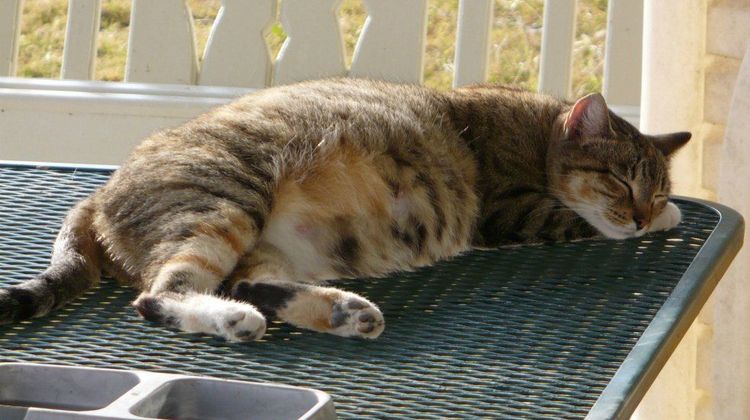
You should start preparing for the upcoming event if you notice the following changes in your pet's behavior:
- looks for a secluded place, hides under the sofa or in the closet;
- starts digging things, making a “nest”;
- meows loudly due to pain;
- refuses to eat, only drinks water;
- licks himself intensively, especially the area around the genitals;
- behaves restlessly.
Some cats begin to rub against their owner's legs. This is a sign they're asking for help. Other cats may become aggressive and even avoid their owner. If the animal doesn't shy away, it's important to reassure it, pet it, and speak soothingly, but avoid picking it up.
Physical changes also indicate the approach of labor:
- breathing becomes rapid and difficult;
- the mammary glands swell and their color changes;
- colostrum (a yellowish or creamy liquid) begins to be secreted from the mammary glands;
- body temperature drops to 37 degrees;
- the genitals swell.
If you place your hand on the kittens' bellies, you can feel them actively moving. This indicates that they are preparing to emerge and are assuming the necessary position.

At the first sign of labor, it's important to prepare the area. A large box works well for this purpose. Line it with sterile, clean sheets and place a bowl of clean water nearby. Place the box in a secluded area away from noise and commotion.
How labor proceeds: three main stages
To understand how long a cat's labor takes, it's important to understand the specifics of the process. There are no set figures, as labor duration depends on the breed, heredity, the presence of excess weight and other conditions, and the number of kittens.
On average, a cat's labor lasts 12-24 hours, but can last up to 36 hours. If the process is prolonged, remember that kittens can remain alive for up to 2 days. since the beginning of contractions.
The first stage is contractions
Contractions begin a few hours before birth. Sometimes they last up to 12 hours. Contractions are indicated by the cat meowing in pain. Gradually, they intensify and become gentle pushing. During this period, the cat finds a comfortable position. She lies on her side in a prepared box.
Contractions cause the kittens to move toward the exit. This increases pressure within the uterus. This causes the mucus plug to be released. This mucus plug serves a protective function, preventing infection from entering the uterus. The release of the mucus plug indicates the imminent birth of the kittens.
The second stage is the birth of kittens
The mother's waters then break. The first kitten is usually born within fifteen minutes. If the process is delayed, be sure to contact your veterinarian immediately. Oxytocin or other labor induction techniques may be necessary.
Typically, part of the amniotic sac is revealed first, followed by the fetus. In most cases, the mother will chew through the umbilical cord and, if necessary, rupture the amniotic sac, but the owner should be prepared to assist the kitten if the mother fails to respond.
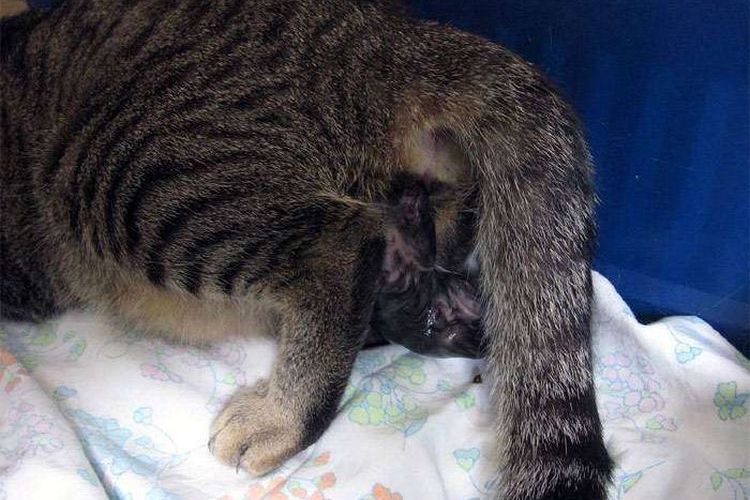
To understand how long a cat's labor takes, it's important to consider that kittens are born on average every 10-30 minutes, but sometimes the interval extends up to 2 hours. If labor is taking a long time, contact your vet. You may also need veterinary attention if, from the moment the kittens begin childbirth More than a day has passed.
The third stage is the release of the placenta
The cat will be able to free itself from the remnants of the amniotic sac or placenta without assistance. After the placenta is delivered, the cat's condition stabilizes, and her breathing and heart rate return to normal. The animal calms down. Read more on our website about How do you know if a cat has given birth to all her kittens?.
Duration of labor for the first time
It's impossible to say exactly how long a cat's labor takes if she's giving birth to kittens for the first time. Many people mistakenly believe that the process is longer with her first birth, drawing an analogy with humans. However, animals are designed differently, so the length of labor doesn't depend on the number of times she's given birth. In rare cases, a cat's first birth takes longer—up to a day—although this can happen even with an experienced cat.
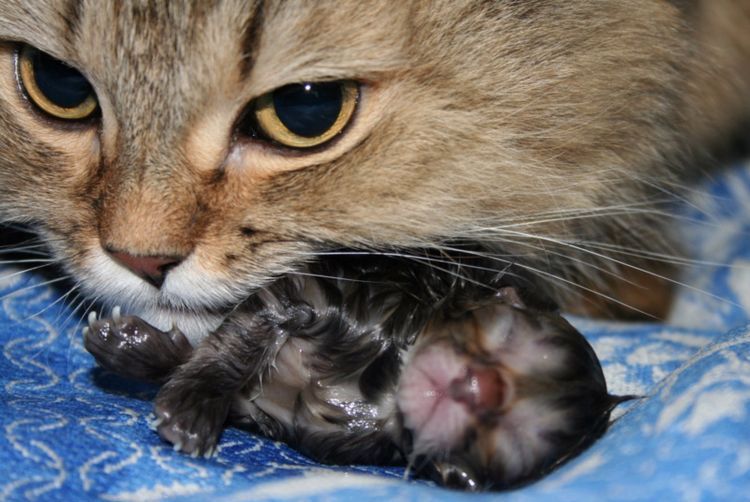
A cat's first birth can be frightening, so it's important to reassure her and support her during this difficult time, remaining close at all times. Due to inexperience, some cats don't respond to the kittens, so it's up to the owner to cut the umbilical cord and clean the baby of mucus.
Read also:
- How many kittens does a cat give birth to for the first time?
- How to help a cat give birth at home
- Why can't a cat give birth?


Add a comment