
How long do dogs of different breeds live?
If you have a dog, you've probably wondered, "How long do dogs live?" For breeders, a dog has become a companion with a personality, habits, and an intelligent, thoughtful look. How you want this pet to be around for as long as possible! Does breed affect lifespan? How long do dogs live in captivity?
Content
How long do dogs live and what does it depend on?
A dog's lifespan is influenced by its environment, genetics, and breed. We'll cover in detail how long dogs live indoors and outdoors, and the lifespan of mongrels. We'll also explore whether owners can influence their little friend's lifespan.
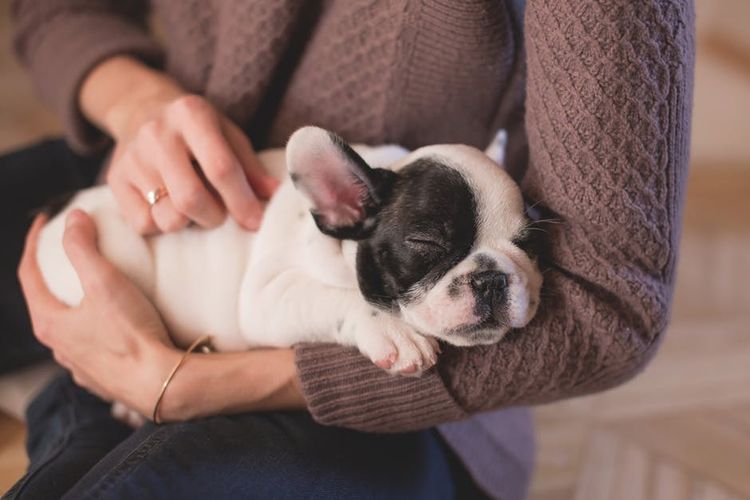
Most often, one year of a dog's life is considered equivalent to seven human years. This is incorrect. This indicator has its own coefficient at different stages of life. Two months of a dog's life is equivalent to 14 human months. But six months is equivalent to five years. Eight months is equivalent to nine years, and so on. A one-year-old dog is equivalent to 14 human years. This is how American scientist B. Foster proposes calculating a dog's age. According to his calculations, a five-year-old dog is equivalent to a 40-year-old human.
This is taken into account when caring for and training your four-legged friend. It's best to train your pet until they're 3-5 years old. From this age, they enter maturity. Their character, habits, and relationship with their owner begin to develop. This is also the age when their energy and intellectual abilities peak. It's best to begin training your pet during their first two years. Remember, at one year, they begin a transitional period.
Old age sets in when your pet reaches 8-9 years of age. This is important to consider. It's difficult for your pet to be too active, so the daily routine and walk times need to be adjusted in advance. For an older dog, it's best to spend more time lying on a warm mat. It's difficult for them to follow commands or play.
Those who reach 14-15 years of age can safely be considered long-lived. They require respect, care, and the utmost care.
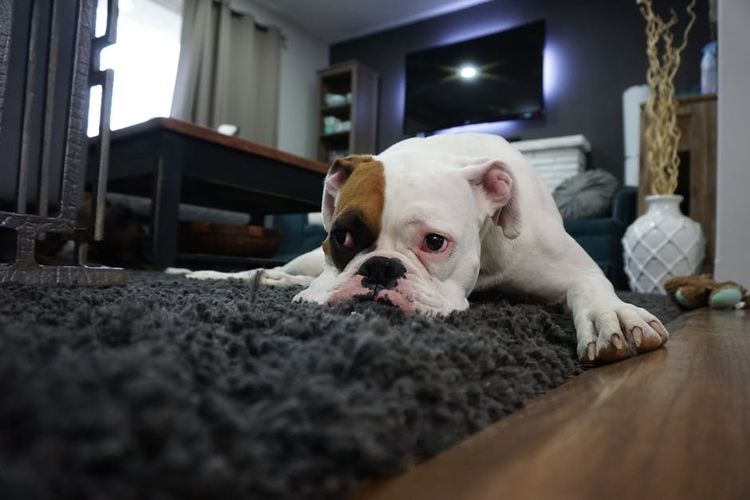
Life expectancy is directly affected by:
- Size. Large dog breeds live an average of 10-12 years. Small breeds can enjoy a lifespan of 14-15 years. Why do large breeds have a shorter lifespan? It's directly related to their size. Large body mass puts excessive strain on organs and systems, leading to rapid wear and tear.
- Genetic predisposition to disease. Purebred dogs are inferior in endurance to their non-pedigree counterparts. Every breed has its weak points. The goal of kennels is to produce healthy purebred puppies. This is ensured by proper breeding. But problems still remain. For example, Pekingese suffer from respiratory and cardiovascular problems. at dachshunds – spine, joints; Great Danes are diagnosed with heart defects, joint dysplasia, and arthritis. If you're considering a purebred pet, be sure to consider the breed's shortcomings and predisposition to diseases. Knowing this, you can tailor your pet's care to minimize the risk of these conditions.
- Nutrition. Don't rely on pet food manufacturers. Remember that nutrition must be balanced. This is where you shouldn't skimp. Dry food is convenient, but it doesn't provide the body with essential vitamins and minerals. If you must choose dry food, choose premium. However, it's best to prepare your pet's food yourself. Please note: table scraps are not suitable. Prepare food according to your pet's age and needs. Be sure to monitor the portion sizes you offer. Avoid obesity! It can lead to diabetes, cardiovascular disease, liver disease, and hypertension.
- Lifestyle. Provide the animal with the necessary activity. It's a pity for large breed dogs that are kept in an apartmentThey lack active outdoor exercise. Most often, they are taken out simply to relieve themselves. However, these animals require targeted training. Help your pet realize their breed's potential. They need daily exercise for their body and mind, including outdoor activities. If this isn't possible, it's better to choose a toy breed. Interestingly, dogs that receive significant daily exercise live longer than their peers. Shepherds and service dogs tend to live longer. The secret to longevity isn't just good exercise. Every day, they experience not only physical exercise, but also intellectual stimulation. A trained mind is the key to longevity.
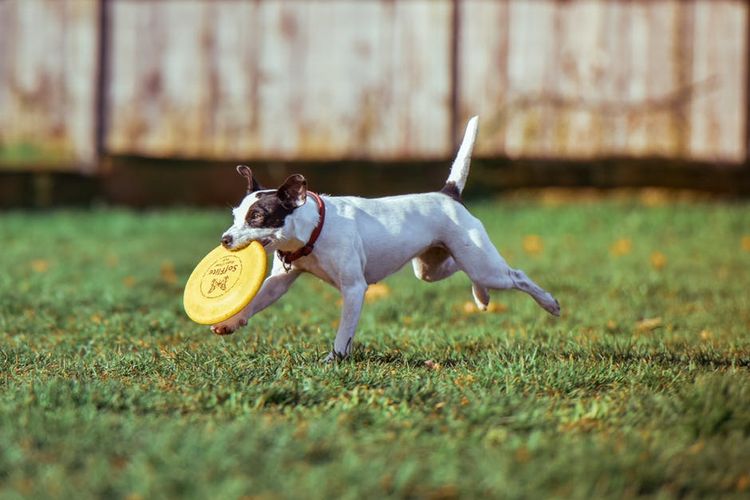
- Proper treatment and prevention. A good owner takes care of their pet's health proactively. Don't wait for that unfortunate moment when an illness is gaining momentum. If you have a purebred dog, consider the breed's weaknesses and address them. If your dog does become ill, begin treatment immediately to prevent the condition from becoming chronic.
- Stress. This is a significant factor affecting life expectancy. Stressful situations trigger the release of adrenaline. This hormone seriously disrupts the body's functions. A constant release of it is extremely detrimental. It has been noted that dogs do not tolerate loneliness well. Talk to your pet regularly and don't leave them alone for long periods. Make them feel needed and loved. Try to constantly protect them from stress and create opportunities for positive emotions. Five minutes of play with your pet will lift their spirits throughout the day.
- Pregnancy. If a dog gives birth too frequently, her body quickly wears out. Remember that after pregnancy, it will take at least six months for her body to fully recover. Frequent hormonal changes weaken the animal's health. It's not surprising that after prolonged nursing, the female may even experience hair loss.
- Popularity of the breedThis is a negative factor. Puppies of popular breeds are bred too frequently. This affects the quality of the herd, making it weak. Therefore, frequent matings should be avoided.
Does life expectancy depend on breed?
Breed can influence a dog's average lifespan. Cynologists know that there are average lifespans for different breeds. Large breeds have been observed to have slightly shorter lifespans than smaller dogs. It's important to note that all figures are relative. These are averages.
Purebred dogs and mongrels: who has a better chance of longevity?
It's commonly believed that mongrels are more adaptable and therefore live longer. They supposedly don't have the weaknesses of purebred dogs. Their immune systems are believed to be stronger. Among stray animals, only the strongest survives.

However, veterinarians don't notice any significant differences. They claim that mongrels live, on average, as long as purebreds. Furthermore, mongrels suffer from extremely unfavorable living conditions. They don't have a balanced diet, are often cold, and experience chronic stress. They don't receive veterinary care. They lack a home, and are constantly exposed to danger.
But what about those mongrels who are lucky enough to find a home and live in a house? How long do mongrels live? On average, they live as long as purebred dogs. A mongrels are essentially a mix of different breeds, a crossbreed. Their bodies have inherited something from each breed. These aren't necessarily advantages. Mongrels can also suffer from the deficiencies of a particular breed. The only difference is that they are a mixture of several breeds, meaning they have several weaknesses.
The lifespan of mongrels also depends on their size. On average, it's 14 years. Larger individuals live shorter lives.
Parade of centenarians
We offer you a brief overview of those breeds whose representatives live the longest.
Dachshund

These are cheerful and charming pets. Despite spinal problems, they live 13-14 years. They become truly attached to their owners. Don't forget that these friends love hunting.
Yorkshire Terrier

They're currently at the peak of their popularity. These tiny creatures can live up to 15-16 years. Interestingly, their ancestors were used to hunt rats.
Beagle
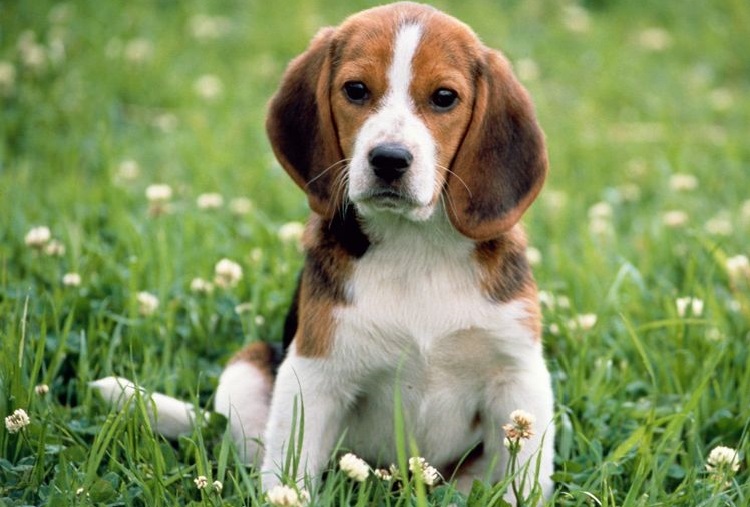
If you want to get a cheerful and cheerful friend, buy beagleThey live 13-14 years. The main thing is not to overfeed them.
Boston Terrier
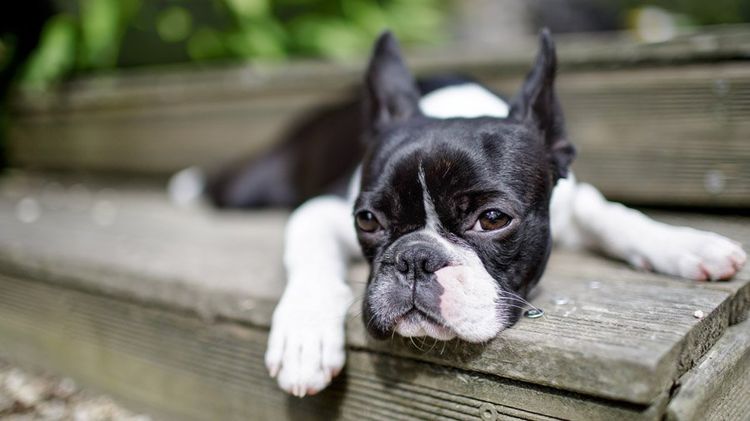
This cute, large-eyed creature lives an average of 14 years. It has a playful, cheerful nature. Its weak point is its eyes. Debris and hard particles often get into them, and they can be damaged by glaring sun or gusty winds.
Pug
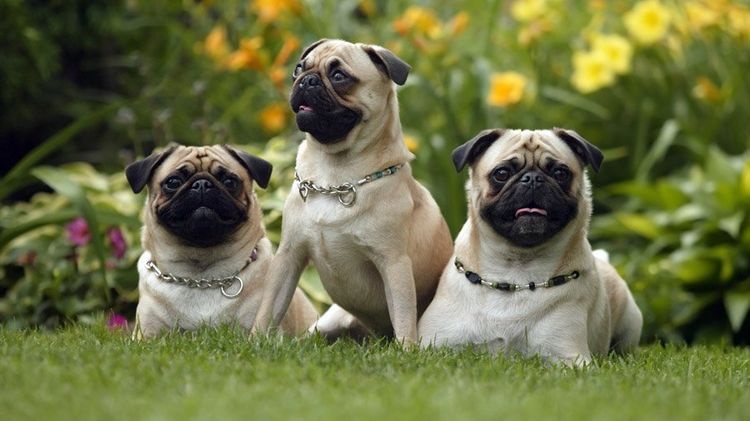
These cute little creatures with huge eyes have become very popular. Life expectancy pugs – 14-15 years. The breed's disadvantages include poor heat tolerance and a tendency to be overweight.
Chihuahua
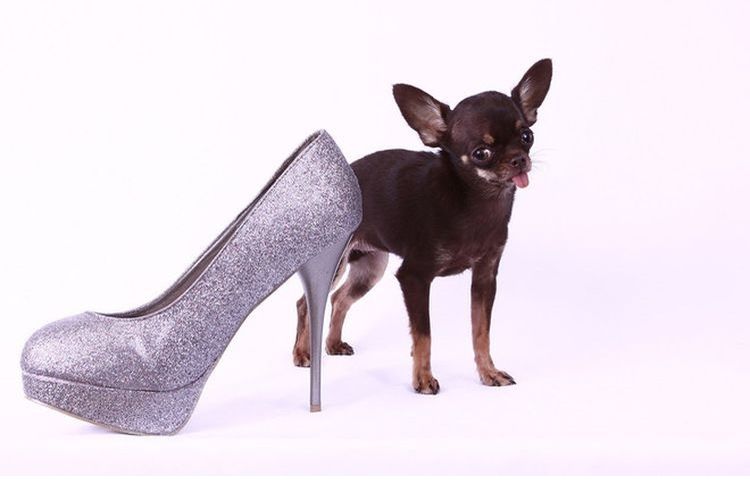
This is the smallest breed. It's very ancient. These tiny creatures delighted the Incas, Aztecs, and Mayans with their cheerful disposition. Amazingly, they can live up to 18 years.
Labrador
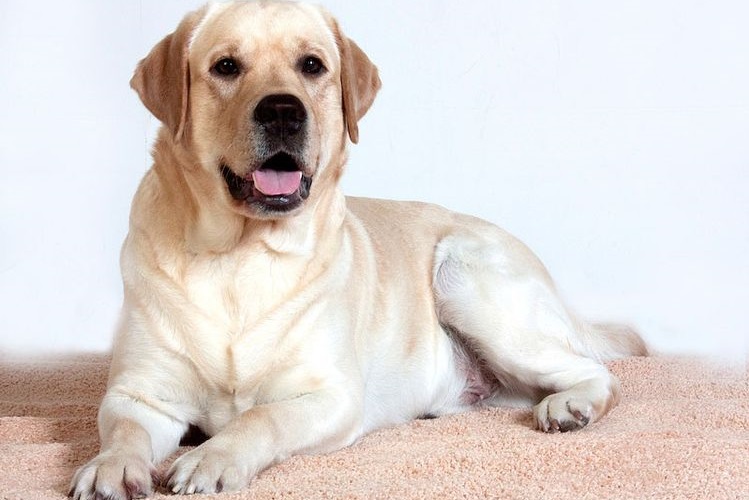
These are very popular dogs. They are quite large and can live up to 12 years. Their weak point is the hip joints, which become less functional with age.
Sheltie

This dog was originally used by farmers to tend sheep. The Sheltie is small, hardy, and a light eater. It can live for about 13-14 years. A weak point is kidney failure, which develops due to poor teeth. Therefore, proper dental care is essential. Regularly giving the dog something hard to chew on is sufficient.
Miniature Schnauzer
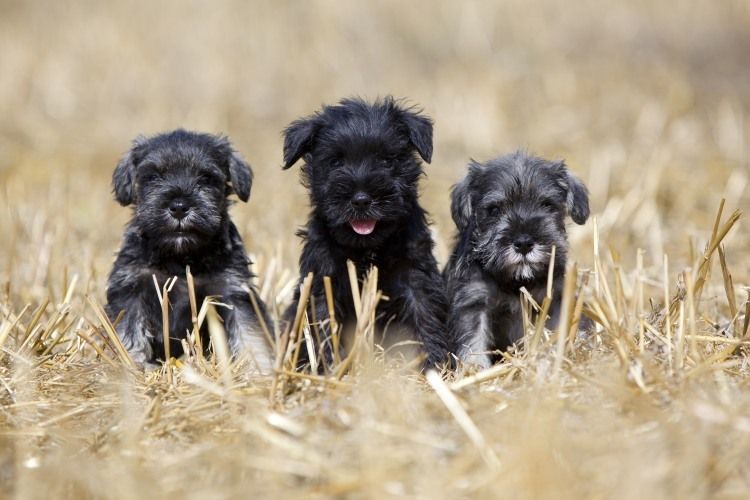
Schnauzers are known for their endurance and tenacity. They live 12-14 years. This is a wonderful companion And lover of childrenThis breed has a weak point – a tendency to pancreatitis.
Shih Tzu
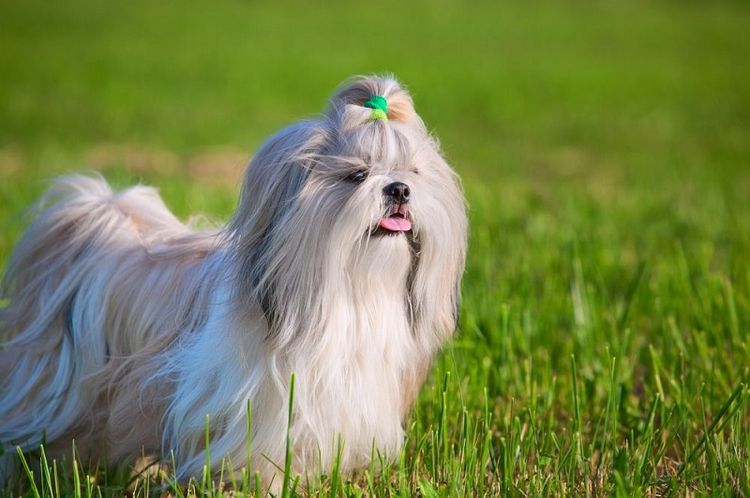
These tiny creatures live 12-14 years. Their homeland is ancient China. They were even kept by members of the ruling dynasty. However, they only became known in the West in the 20th century. To prevent skin diseases, their fur must be carefully groomed.
Maltese

This breed is very ancient. References to it can be found in Greek, Roman, and Egyptian cultures. A Maltese will delight its owner for 13-14 years.
As you can see, the owner can influence a dog's lifespan at home. Diet, care, daily routine, stress management, and medical care are all crucial factors. It's important to consider the breed's weaknesses. Your pet should be treated with care, but at the same time, don't limit its activity.
Take these recommendations into account, and your pet will be by your side for many years.
Read also:


Add a comment