
How long do Maine Coons live at home?
Although in Russia interest in Manx cats arose relatively recently (after 2000), Maine Coon breed The Maine Coon has a long history, and its representatives live in various parts of the world today. You can find a detailed history and description of the breed standard on our website. In this article, we'll discuss how long Maine Coons live in captivity, what factors determine their lifespan, and what owners can do to ensure their beloved pet continues to delight them with its activity for as long as possible.
Content
Maine Coon Lifespan
According to statistics, the average lifespan of Maine Coons ranges from 12 to 15 years, but some individuals living in captivity can live up to 20 years.
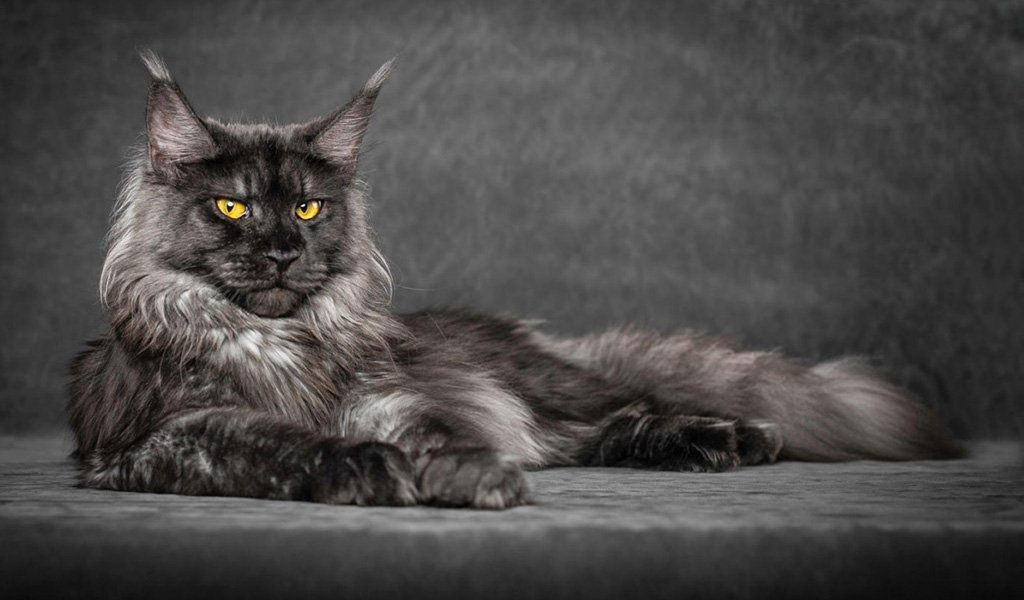
The official record, set in 2020, belongs to an English Maine Coon named Rubble, who lived to be 31 years old (about 150 years in human years). An American Maine Coon named Velvet lived to be 26 years old (which, in human years, is about 120 years).
Long-lived Maine Coon cats are quite common, as the Maine Coon breed is indigenous (developed naturally) and most of its representatives have robust health and good genes.
According to statistics collected by the Swedish insurance company, of all officially insured Maine Coons in the country:
- 75% survived to age 10;
- up to 13 years old – 54%.
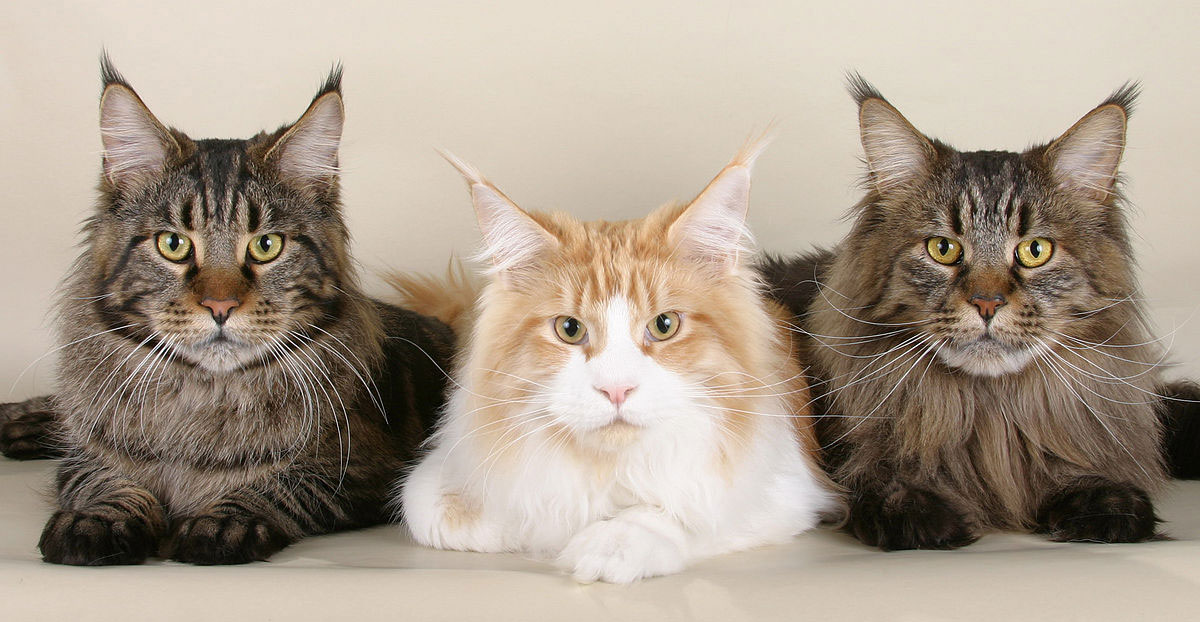
To understand how long Maine Coons live in human years, we suggest using this simple comparison table:
|
Cat age |
Age appropriateness |
|
1 year |
15 years |
|
2 years |
24 years old |
|
3 years |
28 years old |
|
4 years |
32 years old |
|
5 years |
36 years old |
|
6 years |
40 years old |
|
7 years |
44 years old |
|
8 years |
48 years old |
|
9 years |
52 years old |
|
10 years |
56 years old |
|
11 years old |
60 years old |
|
12 years old |
64 years old |
|
13 years old |
68 years old |
|
14 years old |
72 years old |
|
15 years |
76 years old |
|
16 years old |
80 years old |
|
17 years old |
84 years old |
|
18 years old |
88 years old |
|
19 years old |
92 years old |
|
20 years |
96 years old |
At what age should you consider your Maine Coon to be old? The first signs of aging typically appear after 7 years (decreased activity level), although many cats remain just as playful and active until 10 years of age or longer. After 10-12 years, changes in coat structure can occur, and the tendency to gain excess weight increases sharply.
Factors Affecting Life Expectancy
When considering how long Maine Coons live at home, it's important to consider a number of factors that can affect the quality and length of an animal's life:
- Genetics. Although genetic pathologies are much less common than in artificially bred breeds, they still exist.
- The conditions in which the pet will live. The lower the risk of infection with dangerous pathogens and the risk of injury, the longer your pet will live.
- Quality of food. The Maine Coon breed is one of the largest cats in the world, so it is especially important to provide the animal with a properly balanced diet at every stage of its life.
- Level of physical activity. Cats kept in apartments should receive sufficient physical activity to prevent obesity and the development of pathologies associated with excess weight gain.
- Sterilization. According to statistics, spayed and neutered cats live longer, as this category has a reduced risk of a wide range of hormonal-related diseases.
- Conducting preventive measures. The key to a pet's long life is adherence to the vaccination schedule, regular deworming therapy, and prevention of diseases to which the animal is predisposed.
- Timely treatment of any possible diseasesOne of the most important factors affecting the lifespan of Maine Coon cats is timely veterinary care, examination, proper diagnosis, and prompt treatment. Unfortunately, some owners delay seeking professional help, attempting to treat their pets themselves or simply failing to notice problems (animals don't always show signs of illness).
What diseases do Maine Coons have?
Diseases that Manx cat breeders may encounter are divided into hereditary (usually they can be detected at an early age) and acquired (arise as a result of infection of the animal or as a consequence of improper maintenance).
Among the hereditary diseases found in the Maine Coon breed, veterinarians highlight:
- hypertrophic cardiomyopathy (heart failure);
- hip joint hyperplasia;
- spinal muscular atrophy;
- predisposition to diseases of the teeth and gums.
Among acquired diseases, the following are traditionally leading:
- viral and bacterial infections;
- skin diseases;
- injuries (it is important to ensure that an adult, fairly heavy cat does not make extreme jumps at home);
- urolithiasis;
- inflammation of the genitourinary system;
- gastrointestinal disorders;
- helminthic infestations;
- neoplasms (benign and malignant);
- arthrosis (occurs in older animals).
Some diseases only affect the animal's quality of life, while others can pose a real threat to life if the correct treatment method is not selected in time.
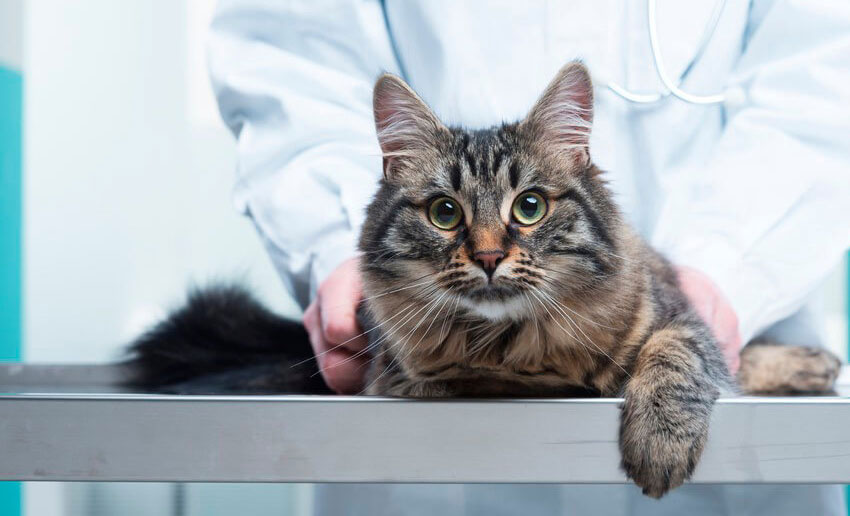
More details about what is encountered cat diseasesTo learn how to diagnose them, and what treatments a veterinarian may recommend, read the relevant materials on our website.
What can an owner do to prolong the life of a pet?
We've told you how long Maine Coons live on average and what factors may determine your pet's lifespan.
Experienced breeders and veterinarians agree that the primary factor in determining a cat's lifespan is not genetic predisposition to certain diseases, but the quality of care provided to them.
To ensure your pet continues to enjoy its active and striking appearance for as long as possible, and to limit veterinary visits to routine vaccinations and checkups, we recommend:
- carefully approach the choice of a kitten;
- think about the safety of your pet in your house or apartment in advance;
- follow the vaccination schedule taking into account the specifics of your region;
- engage in the education and socialization of the animal from an early age, providing it with the necessary activity through daily games or walks;
- select a diet taking into account age, activity level, and health status (there are special foods for kittens, pregnant and lactating cats, sterilized or elderly animals, as well as specialized veterinary diets);
- If the cat is involved in breeding, then observe a break between births to allow the body to recover;
- If the animal has a pedigree defect or you are simply sure that you will not breed it, it is better to resort to sterilization (castration);
- Monitor your pet's behavior and immediately contact a veterinarian if you notice any changes in behavior, even minor ones;
- do not skimp on examination and treatment of the animal;
- strictly follow the veterinarian’s recommendations during the animal’s treatment and recovery period;
- Love your Maine Coon and give him attention and love every day!
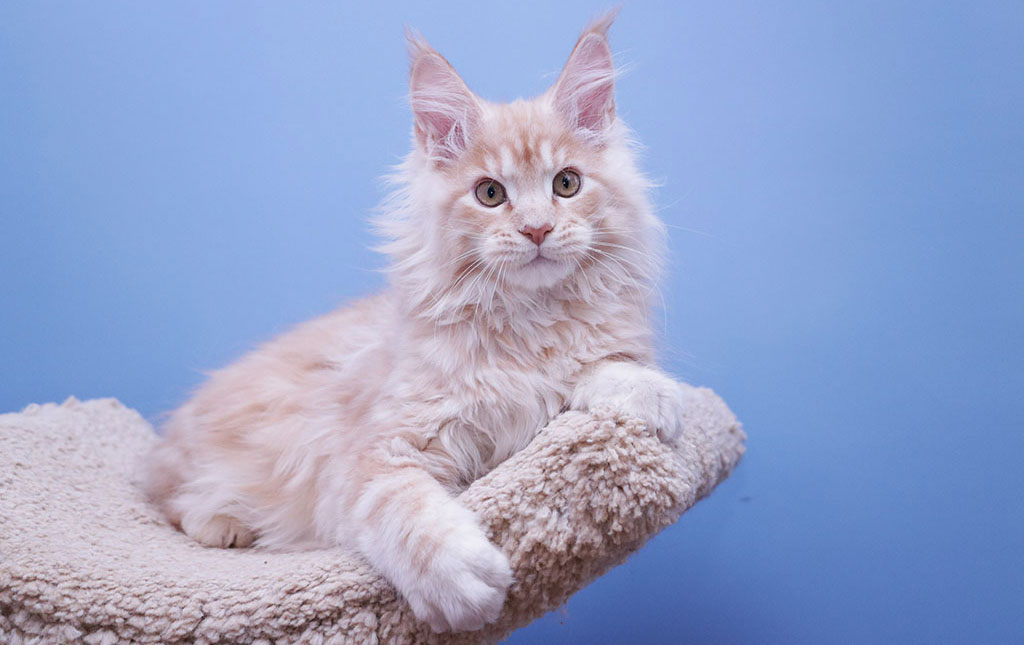
How old is your pet? Do you know how long their ancestors (grandparents) lived? What health issues did your cat have during this period? We invite you to share information about your beloved Maine Coon, as well as recommendations for extending the lifespan of Manx Coons, in the comments to this article.
Read also:
- When do kittens open their eyes after birth?
- Eye color in cats: what colors are they?
- The Smartest Cat Breeds in the World: Top 10


Add a comment