
How long do cats live?
There are significant differences in the lifespan of cats in the wild or outdoors, and the lifespan of cats living indoors. However, it's important to remember that specific lifespans vary from person to person, as they are genetically determined. Changes in lifespan are possible depending on environmental factors, living conditions, and the availability and timeliness of veterinary care.
Content
Aging processes and the influence of genetics
Furry family members begin to gradually decline when they reach 8 years of age. After this point, they become less active and show no interest in active play, but if they feel comfortable and are well-fed, they can easily live for another 8 years.

A cat's lifespan is greatly impacted by their predisposition to serious illnesses. The following can easily shorten a beloved pet's lifespan:
- airway obstruction;
- cardiomyoscopy;
- malignant tumors;
- polycystic kidney disease.
It has been established that the upper lifespan of mongrel cats is 2-3 years longer than that of purebred females. The lifespan of artificially bred breeds ranges from 9-12 years.
Maximum possible age
Just 25 years ago, 10-year-old cats were considered long-lived. However, improved care, the development of new foods, widespread vaccinations, and veterinary care have all positively impacted their average lifespan. Over the past quarter century, it has increased by 5-8 years.
How long can pets live?
When well-cared for, a pet receives a balanced diet, and receives necessary treatment promptly, several additional happy years are assured. The average lifespan of cats largely depends directly on the creation of favorable conditions and the owner's attitude toward them. When all care recommendations are followed and chronic illnesses are absent, this lifespan can easily extend to two decades.
However, this figure is rather arbitrary. Modern history knows of long-lived individuals who reached advanced ages—such records are reflected in the Guinness Book of World Records. For example, American Cream Puff managed to live 38 years plus 3 days.
The influence of breed on longevity
The average lifespan of cats is greatly influenced by their breed. Many artificially bred cats suffer from hereditary illnesses. For this reason, their lifespans are significantly shorter compared to other cats. The table clearly demonstrates how the average and maximum lifespans can differ.
|
Breed |
Average life expectancy (years) |
Maximum life expectancy (years) |
|
Siberian |
15 |
25 |
|
15 |
20 |
|
|
Scottish Fold |
15 |
20 |
|
Russian Blue |
15 |
19 |
|
Bengal |
13 |
16 |
|
12.5 |
16.5 |
|
|
Abyssinian |
12 |
20 |
|
Persian |
12 |
20 |
|
British |
12 |
17 |
|
10 |
16 |
Most purebred cats don't reach their potential maximum. Read also about How long do mongrel cats live?.
Long-lived breeds
The longest-living pets are those belonging to the Siamese-oriented group, Siberian and Maine Coons, and representatives of other aboriginal breeds. Human selection has not interfered with their breeding, so it has occurred naturally, selecting the strongest and most resilient individuals to continue the lineage. As a result, aboriginal cats have relatively strong immune systems, which helps them maintain good health over a long period.
What helps you live longer?
Some felinologists believe that the decisive factor isn't genetic predisposition, but rather how a person treats their pet. The average lifespan of cats is much higher in homes where owners properly care for their furry pets and treat them responsibly.
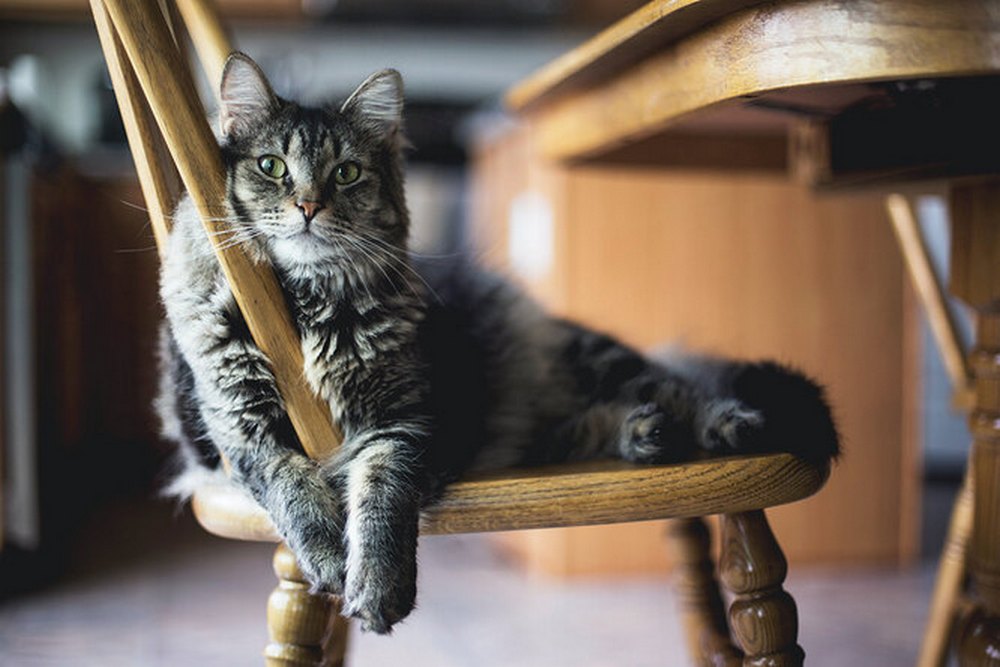
Both people and cats thrive in similar microclimates. Therefore, it's best for them to live indoors. Pets shouldn't be allowed outdoors to roam completely alone. The risk is roughly the same for both them and their outdoor counterparts, but the latter are more accustomed to harsh environments and are better able to avoid danger.
Unsupervised walks can negatively impact the health and general well-being of defenseless cats:
- this way you can miss the onset of a serious illness;
- in case of infection with helminths and ectoparasites, it will be difficult to get rid of them;
- It's much easier to get inflammation due to hypothermia.
It is necessary not only to arrange a place for food and rest in the house or apartment, but also to take the dog for walks on a special harness.
Proper arrangement of the place
Responsible owners, having received information about the average lifespan of cats, try their best to reduce this figure to the maximum. First and foremost, they create a space where their furry pet feels comfortable and at ease.
The room you plan to allocate for pets must meet the necessary hygiene standards. In addition to cleanliness, it must maintain an optimal room temperature. The sleeping area should be located away from drafts. Avoid allowing your cat to sleep directly on the tiles. To prevent hypothermia, provide a cozy, soft bed for them. This is especially necessary if the apartment lacks an underfloor heating system.
It's also important to change litter regularly, promptly wash bowls after meals, and provide fresh water daily. Drinking water should be high-quality and free of harmful contaminants.
It is best to use store-bought drinking water or use a special filter to remove harmful components.
How and what to feed
To increase lifespan, it's important to carefully monitor your pet's daily diet. Some experts believe the diet should be as close to what you'd find in the wild. Others recommend choosing commercially prepared foods. balanced by microelements and nutrients.
Both options are acceptable if you follow some important rules:
- do not feed the cat food from the common table, but cook for him separately;
- Don't forget about animal proteins - beef, poultry - and be careful with fish - too much of it can provoke the development of urolithiasis;
- regularly introduce fermented milk products, bran, and vegetables into your diet;
- If the food is natural, it needs to be supplemented with pharmacy vitamins and microelements.
When purchasing ready-made food, it's best to choose specialized stores, choose products from trusted manufacturers, and ensure the chosen option is appropriate for your pet's age and health.
Veterinary care
The lifespan of domestic cats largely depends on timely veterinary care. Participation in preventive examinations is a primary requirement. Early diagnosis allows for the detection of hidden pathologies at an early stage and their successful treatment. Another important positive aspect that helps prolong life is annual vaccinations. This is a serious matter. If an animal does become ill, treatment must be appropriate and timely.
How do cats and humans compare in age?
To find out not only how long cats live, but also how their lifespan compares to human age, you can use various methods. The first method, while the most popular, is not very reliable. To convert, multiply the pet's age by 7.
The second method allows for more accurate calculations, but is also more difficult to use. This is the so-called slow-paced scheme. In it, the first year equals 15 human years, two years from birth equals 9, and any subsequent year equals 4. According to this scheme, a one-year-old cat is considered a 15-year-old teenager, and a two-year-old is considered a 24-year-old woman. At 3 and 4, she would be 28 and 32 human years old, respectively.
Veterinarians typically use the scheme developed for international veterinary passports. In this case, a slightly different ratio applies.
|
Age of the person (years) |
Cat's age (years) |
|
1 |
18 |
|
2 |
25 |
|
3 |
30 |
|
4 |
35 |
|
5 |
40 |
|
6 |
43 |
|
7 |
45 |
|
8 |
50 |
|
9 |
55 |
|
10 |
60 |
|
11 |
62 |
|
12 |
65 |
|
13 |
68 |
|
14 |
72 |
|
15 |
74 |
|
16 |
76 |
|
17 |
78 |
|
18 |
80 |
|
19 |
90 |
|
20 |
100 |
But even these figures should be taken with a grain of salt. Regardless of the average lifespan of cats, Siberian breeds and Maine Coons enjoy a relatively long youth. This is why, psychologically, even at 4-5 years old, they are still teenagers—a fact that must be taken into account.
Read also:


Add a comment