
How long do raccoons live?
When considering getting a pet, many people wonder about its lifespan—after all, parting with a pet is never easy, and some animals, such as rodents, have very short lifespans. Recently, raccoons, cute and fluffy creatures with their chic black-and-white striped tails and dark "glasses" around their eyes, have become especially popular. Those considering adopting one often ask how long raccoons live in captivity versus in the wild. Experts say the difference in lifespan is significant. We'll try to explain why.
Raccoon as a biological species
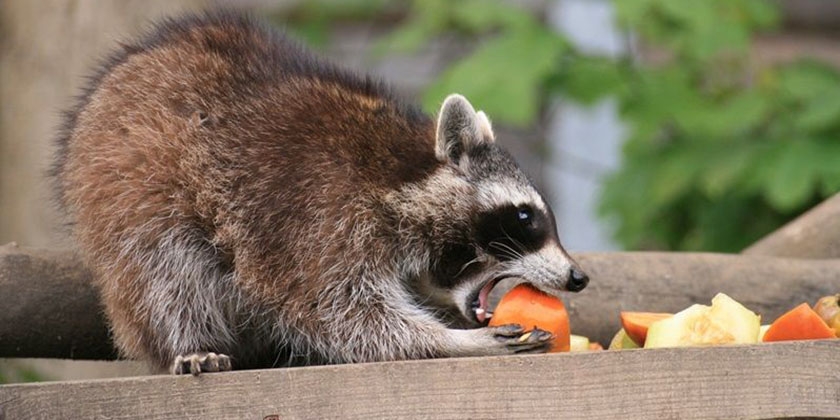
The raccoon (procyon) belongs to the canine family and has been around for tens of millions of years. In the wild, raccoons prefer to live in trees close to water. Although they are considered carnivores, they are actually omnivores.
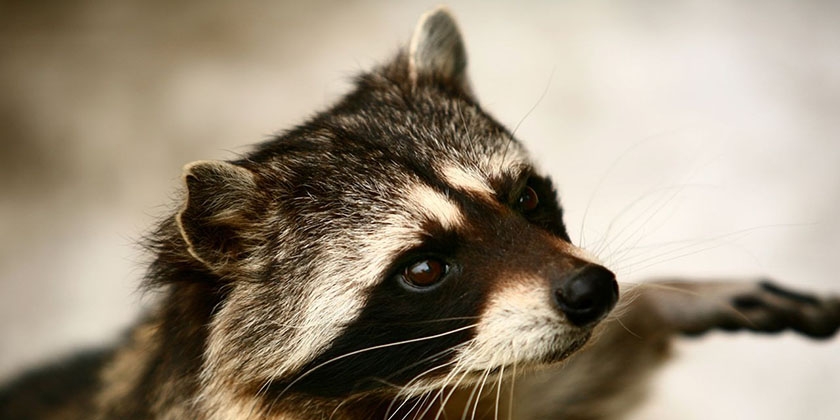
The raccoon is similar in size to a well-fed cat, measuring 45-60 cm in length and weighing between 5 and 9 kg. Its head is broad, with a pointed muzzle and small, erect ears. Its fur is brownish-gray, with a very dense undercoat that allows the animal to stay warm even in cold water during winter hunting. Its forepaws are short and have well-developed toes, allowing it to grasp and hold objects as if with its hands. The feet of its hind legs can rotate 180 degrees, allowing it to move through trees with the agility of an acrobat.
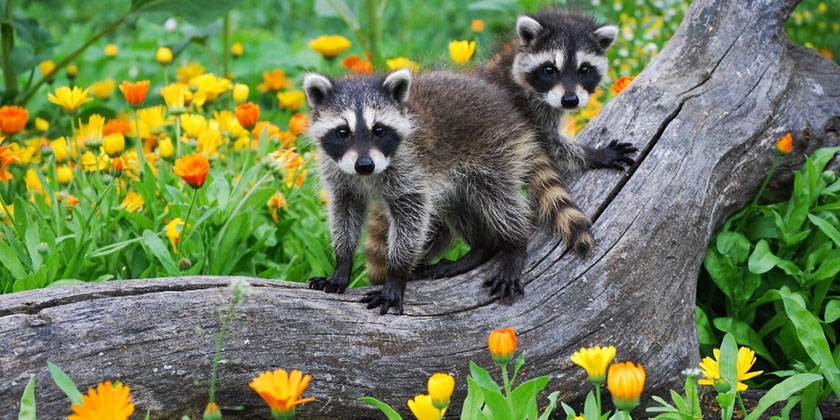
The genus Procyon includes four species, which differ more in their habitat than in their external characteristics:
- Gargle — the most popular and widespread species in the world. Its natural habitat is North America.
- The crab-eater is a raccoon species that feeds primarily on crustaceans, giving it its name due to its limited diet. It lives in the swampy jungles of South America.
- The Cozumel scaly-sided ...
- The Guadalupe scaly-sided ...
What determines the lifespan of raccoons?
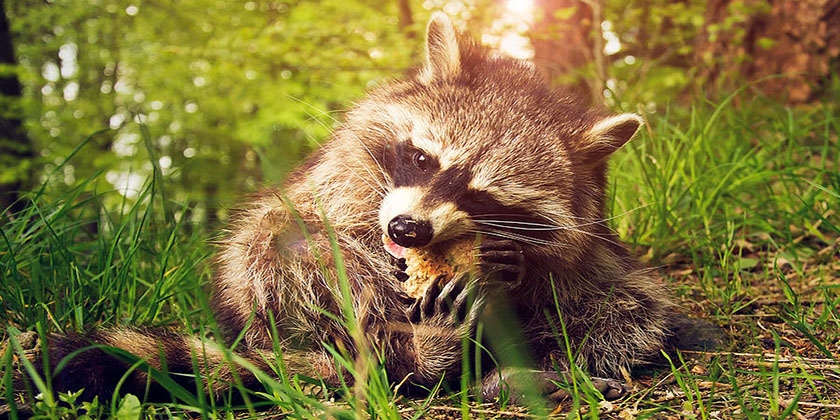
In the wild, raccoons live no longer than 3-5 years, despite their remarkable physical endurance. These animals face challenging living conditions and have many natural enemies; they often fall prey to lynxes, wolves, jackals, foxes, and, near bodies of water, alligators. Owls and venomous snakes also pose a danger to raccoon cubs.
Furthermore, disease negatively impacts raccoons' lifespans, although their excellent immune system makes them relatively resistant to many infections. As a canine, Procyons are susceptible to the same diseases as dogs, including dangerous ones such as leptospirosis, distemper, parvovirus, and hepatitis.
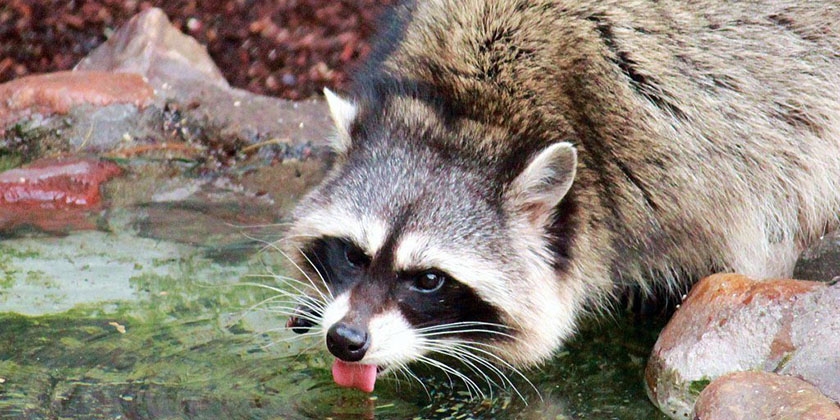
In captivity, under the care of a person who provides reliable protection and excellent nutrition, this animal's lifespan increases significantly. Raccoons kept at home can live 15 to 20 years.
Its longevity is promoted by:
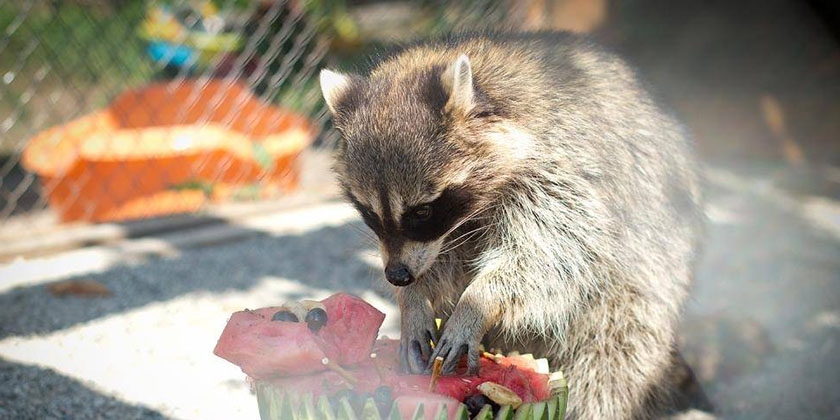
- Proper nutrition. The digestive system is a weak point for most canines. Raccoons, on the other hand, have insatiable appetites and are constantly begging for food, even foods they are strictly forbidden to eat. Veterinarians forbid giving raccoons salt and smoked foods, and only honey is allowed as a sweet treat, with flour-based foods rarely and in small amounts. Commercial cat and dog food should only be considered a treat.
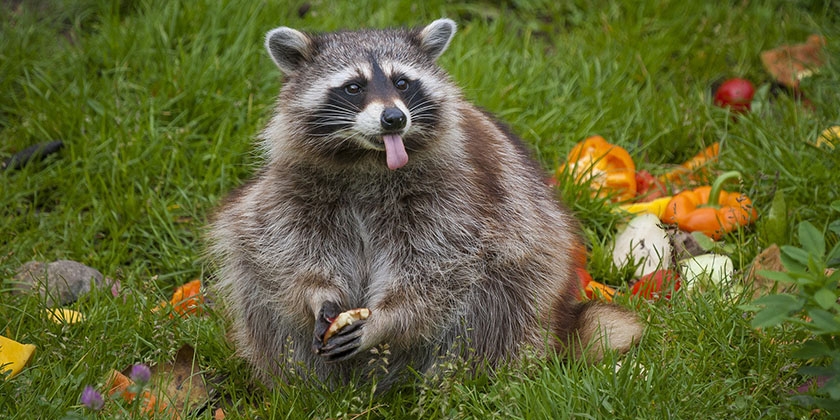
If fed improperly or overfed, the animal's intestines are unable to fully digest food, resulting in gastrointestinal problems such as intestinal arrhythmia, bloating, gastritis, and poisoning. This, of course, affects your pet's lifespan. Until they're one year old, raccoons are advised to have their bellies massaged after each feeding to improve intestinal motility. Young raccoons usually enjoy this treatment.
- Housing conditions. A raccoon is such a curious and active animal that it's almost impossible to keep it contained in a house, unless you take up half a room for a large cage. In search of food or for fun, this furry hooligan can easily open the refrigerator, locked cabinets, and even dismantle hardwood floors.
The best place to keep a raccoon is a spacious enclosure. It should have everything necessary for a comfortable life: a sleeping area filled with sawdust or a pile of rags, a climbing tree, and a pool or at least a large bowl of water.
- Physical activity. Canines need to expend a lot of energy daily. Therefore, if possible, it's advisable to walk your pet on a leash every day.
- Preventive examinations and vaccinations. It's not always possible for a pet owner to detect health problems and take timely measures to address them. Therefore, raccoons need to visit a veterinarian at least several times a year. To prevent infectious diseases, canines are vaccinated. The first vaccination is administered at three months of age, and then repeated once a year.
Raccoons are highly intelligent and highly sensitive to how they are treated. Knowing they are needed and loved gives this charming animal a powerful boost and can delight their owners with their company for many years.
Read also:
- What do raccoons eat?
- Where do raccoons live in the wild?
- What is the difference between a raccoon and a raccoon dog?


Add a comment