
How long do beagles live?
Do you dream of getting a Beagle puppy to enjoy for years to come? We'll tell you how long Beagles live in homes, what factors influence their lifespan, and what owners can do to ensure their beloved pet stays by your side for as long as possible.
Content
Briefly about the breed
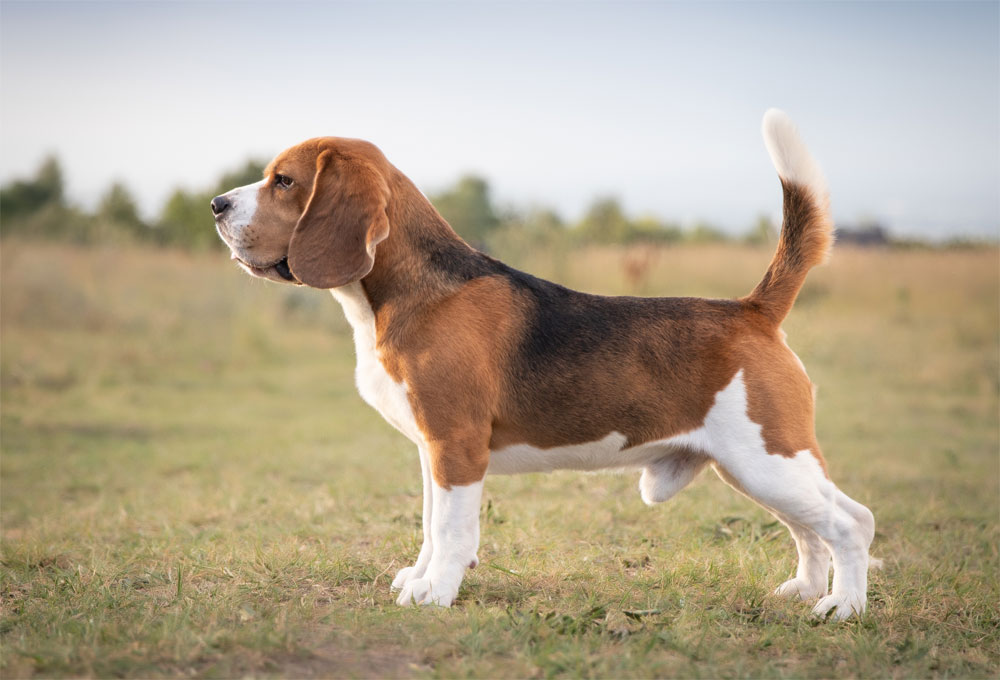
The Beagle is an intelligent and agile hunter originally from Great Britain, although historians believe the breed's ancestors date back to Ancient Greece. They are medium-sized dogs, weighing between 8 and 18 kg (17-40 lbs), and typically standing no more than 40 cm (16 in) at the withers.
The main character traits of this breed are considered to be:
- energy;
- friendliness;
- sharp mind;
- excellent memory;
- intelligence;
- independence.

Cheerful and good-natured, Beagles get along well with children, but may perceive cats and other small animals as prey due to their hunting heritage, firmly rooted in their genes.
The breed thrives in both a spacious apartment and a private home. The key for this pet is long, active walks and sufficient mental stimulation.
Important! This breed is not recommended for those inexperienced in dog training. Dog trainers report that Beagles are prone to stubbornness and unruliness.
Without proper training and attention from their owner, dogs can become bored and misdirect their boundless energy. Left alone for long periods, a Beagle can cause a veritable "Armageddon" in the apartment.
|
Advantages of the breed |
Disadvantages of the breed |
|
exterior |
loud barking |
|
unpretentiousness |
stubborn character |
|
easy to care for |
hunting instincts |
|
high activity |
seasonal molting |
|
sharp mind |
can't stand loneliness |
For more information on all the breed's characteristics, as well as how to care for a Beagle, watch this video:
Dog age compared to human age
On average, medium-sized dogs in captivity live up to 15-16 years. Of course, every breed has its own long-lived individuals. For example, a Beagle named Butch from the United States lived to be 28 years old, making it into the Guinness Book of Records while still alive.
To understand why any dog that has passed the 16-year mark is considered a long-liver, we suggest you familiarize yourself with an approximate table of dog and human ages.
|
Age of the dog |
Human age |
|
1 year |
15 years |
|
2 years |
24 years old |
|
3 years |
29 years old |
|
4 years |
34 years old |
|
5 years |
39 years old |
|
6 years |
44 years old |
|
7 years |
49 years old |
|
8 years |
54 years old |
|
9 years |
59 years old |
|
10 years |
64 years old |
|
11 years old |
69 years old |
|
12 years old |
74 years old |
|
13 years old |
79 years old |
|
14 years old |
84 years old |
|
15 years |
89 years old |
|
16 years old |
94 years old |
|
17 years old |
100 years |
How to determine a dog's age
If you've acquired a Beagle and you don't know its exact date or even year of birth, a table that can help you determine its approximate age will be helpful:
|
Approximate age |
Characteristic signs |
|
2-3 months |
All 28 baby teeth are already present. |
|
3-8 months |
The period of teeth change |
|
8 months |
All permanent teeth are present |
|
2 years |
The lumpy surface of the teeth begins to wear down |
|
3 years |
Traces of wear are visible on the front teeth |
|
4 years |
Tooth enamel darkens and becomes duller |
|
5 years |
The enamel begins to turn yellow and tartar deposits appear. |
|
7 years |
The yellow tint becomes more intense and the front teeth may tilt slightly forward. |
|
10 years |
Teeth are severely worn down or missing |
What Affects a Beagle's Lifespan?
Having compiled breed statistics, scientists calculated the lifespan of Beagles today. The average lifespan ranges from 11 to 15 years (this is the average for all dogs).

There are many factors that influence the lifespan of Beagles:
- Heredity (When choosing a purebred puppy, inquire how long its ancestors in the 2nd or 3rd generation lived).
- Quality of foodAnimals require balanced natural food and high-quality, ready-to-eat premium or super-premium foods.
- Living conditionsStatistically, dogs living in private homes, but not used for hunting, live longer than working dogs and Beagles kept in apartments.
- The fact of sterilization (for a girl), since a large number of births is a negative factor.
- The fact of castration (for a boy), since a neutered male is more sedate and obedient, he is less likely to be hit by a car or get injured in a fight with a larger dog due to competitive sexual behavior.
- Quality of medical care. There are diseases that are specific to Beagles.. It is the responsibility of owners to regularly take their pet to the veterinarian, carry out preventive care, and promptly treat any illnesses.
Hereditary factors
The lifespan of a Beagle depends primarily on its health and predisposition to certain diseases. Scientists have long since discovered that some breed-specific diseases can be inherited.

For Beagles this is:
- Imerslund-Graesbeck syndrome is an autosomal recessive disorder characterized by impaired absorption of vitamin B12;
- cerebellar abiotrophy is a neurodegenerative condition characterized by ataxia, impaired motor coordination, tremor, and subsequently paralysis;
- Factor VII (FVII) deficiency is a hereditary disease that causes prolonged, heavy bleeding;
- Musladin-Luc syndrome - disorders in the development of connective tissues and skin affect the appearance and gait of the dog;
- Pyruvate kinase deficiency is a genetic disorder that causes anemia and abnormal bone hardening;
- primary open-angle glaucoma;
- retinal atrophy;
- epilepsy.
Nutrition factor
Proper nutrition is essential for a puppy's development and for maintaining sufficient activity in an adult dog.
A lack of vitamins and microelements can negatively impact not only an animal's appearance and performance, but also cause a sharp decline in immunity, which in turn leads to the development of various diseases.
For more information on how to create the right natural diet for your dog, watch this video:
Beagles (neutered or simply not given enough exercise due to living in a city apartment) are prone to gaining excess weight.
Remember that obesity significantly shortens an animal's lifespan, significantly increasing the load on the musculoskeletal system and leading to the development of a whole range of concomitant diseases.
That's why it's important to formulate a diet tailored to your pet's individual needs, or choose the right ready-made food and feed it according to the recommended daily calorie intake.
Living conditions
Naturally, to live a long and happy life, a dog needs comfortable living conditions. In winter, Beagles need an insulated room where they can shelter from the harsh cold.
Whether a dog lives in an apartment or is kept in a kennel, it needs a daily walk with its owner, lasting up to two hours. It's during walks that a young puppy gets acquainted with the world around him and becomes socialized, while an adult dog receives the necessary emotional and physical stimulation.

Statistically, the lifespan of hunting (working) dogs is shorter, as Beagles are game herders, meaning there is a high risk of injury to dogs from direct contact with wild animals, which can carry a wide variety of diseases.
Castration and sterilization
Dogs can be admitted to breeding only after reaching physiological maturity - for Beagles this is 20 months for girls and 24 months for boys.
Important! Pregnancy and childbirth are not good for your dog's health! The Russian Cynological Federation limits the breeding of female dogs to six times in their lifetime. Having more than one child per year can significantly impact the animal's health.

According to statistics, castration increases the life expectancy of Beagle dogs by 1.5-2 years, because:
- the stress factor is eliminated;
- dogs become calmer, they lack aggression and the desire to run away “in search of adventure”;
- The risk of developing cancer of the reproductive system is minimized.
Prevention and treatment of diseases
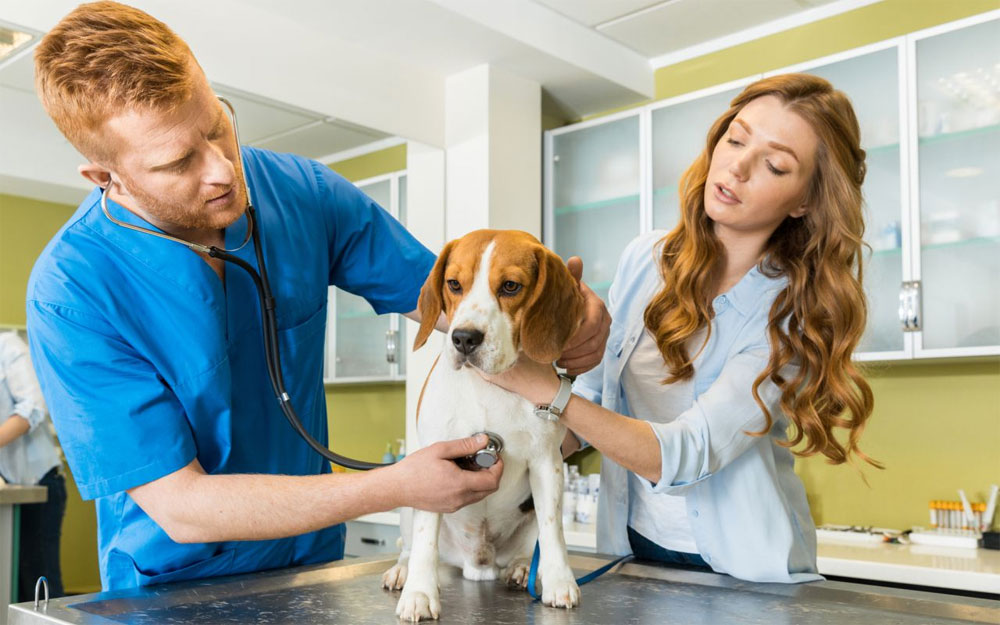
Veterinarians emphasize that the lifespan of Beagles at home largely depends on the breeder's attention to the pet's health.
To ensure that a dog lives its entire natural lifespan in good health, its owner must:
- Follow the vaccination schedule.
- Take your pet for preventive examinations.
- Regularly carry out prevention of helminthiasis and other parasitic diseases.
- Contact your veterinarian at the first signs of a developing disease.
- Strictly follow the doctor's recommendations during the treatment and rehabilitation of your pet.
If you visit any forum dedicated to Beagle health, you'll find that the most common health problems owners encounter with this breed include:
- disorders associated with the musculoskeletal system;
- various injuries;
- thyroid disease;
- diseases of the ears and eyes;
- obesity;
- intervertebral disc diseases;
- infectious diseases.
Breeders' Advice
Now that you know how long Beagles live and what factors can affect your pet's lifespan, you can create the optimal conditions for a long and happy life.
For more information on Beagle health and illnesses, watch this video:
Read also:




Add a comment