
How long do mongrel cats live?
It's impossible to say exactly how long a mixed-breed pet will live indoors. A cat's lifespan depends on a number of factors that affect their health and emotional well-being. These include proper care, professional treatment of illnesses, the risks associated with outdoor play, and a balanced diet.
Content
What influences life expectancy?
A mixed-breed cat living indoors has every chance of living at least as long, and often longer, than a purebred pet. This lifespan depends largely on a combination of factors:
- Heredity. Longer live animals whose ancestors passed away at a respectable age.
- Care. Most centenarians live in comfortable conditions and have caring owners.
- Health. Cats can live up to 20 years without chronic illnesses and with prompt treatment.
- Physical fitness. Even in old age, an animal needs to maintain physical activity.
- Diet. A properly formulated menu prolongs your pet's lifespan and prevents gastrointestinal problems.
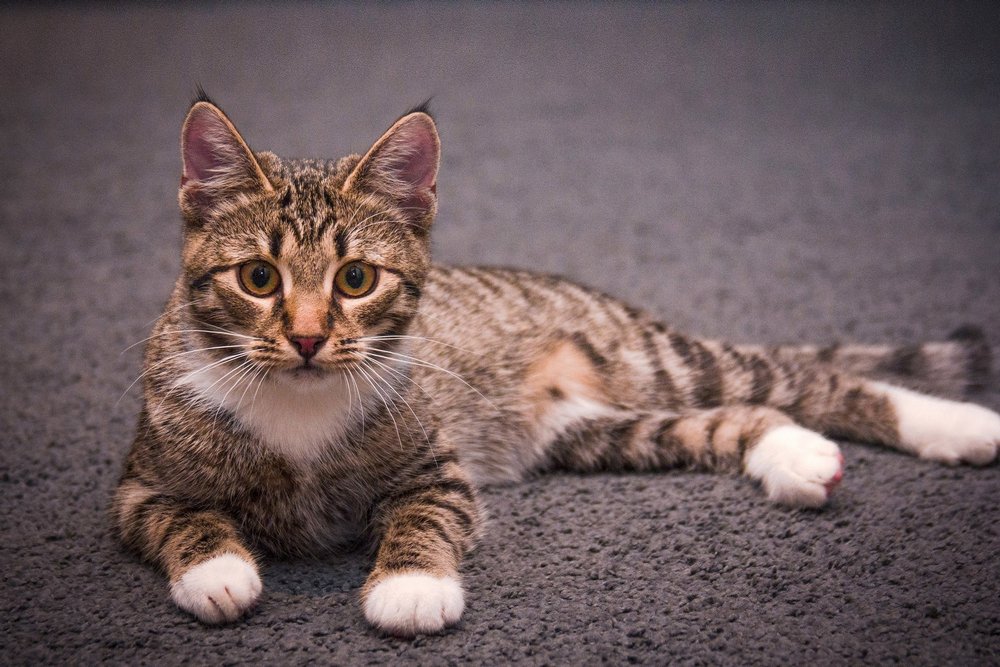
The average lifespan of a mixed-breed adopted as a kitten reaches 15-20 years, provided the owner takes good care of the pet and follows veterinary recommendations. Often, mixed-breeds live longer than elite breeds—many animals without passports live an average of 20-25 years.
Age difference with purebred pets
Continuous selective breeding of cats is aimed at improving their appearance, increasing disease resistance, and extending their lifespan. The table shows the average age of the most well-known breeds:
|
Breed |
Life expectancy |
Risk factors |
|
British |
15-20 |
Stress |
|
Scottish Fold |
15-20 |
Deformation of joints by growths of cartilaginous tissue |
|
11-15 |
Intolerance to anesthesia during surgery |
|
|
Abyssinians |
10-15 |
Progressive retinal atrophy, allergies, dental diseases |
|
Persians |
10-15 |
Problems with the musculoskeletal and urinary systems |
|
Bengalis |
10-16 |
Hypertrophic cardiomyopathy, food poisoning, leukemia |
|
Sphinxes |
8-14 |
Obesity, eye and skin problems |
|
9-15 |
Physical inactivity, obesity, joint and cardiovascular diseases |
|
|
Exotics |
8-15 |
Statistics show that the lifespan of domestic mongrel cats exceeds the average for purebreds. Uncontrolled selective breeding often leads to tragic results—genetic mutations. To maintain the purity of the breed, breeders crossbreed closely related cats prone to the same hereditary diseases.
Non-pedigree pets live long lives at home for a number of reasons:
- Genetic memory contributes to their long lifespan. For millennia, cats have hunted for food independently and struggled for survival.
- They inherited from their ancestors a strong immune system and the ability to adapt to any conditions.
Spaying and neutering increase lifespan by 1.5-2 years. Favorable factors include the absence of stress associated with estrus, the reduction of pregnancy- and birth-related pathologies in females, and a reduced risk of cancer.
Lifespan of a stray cat
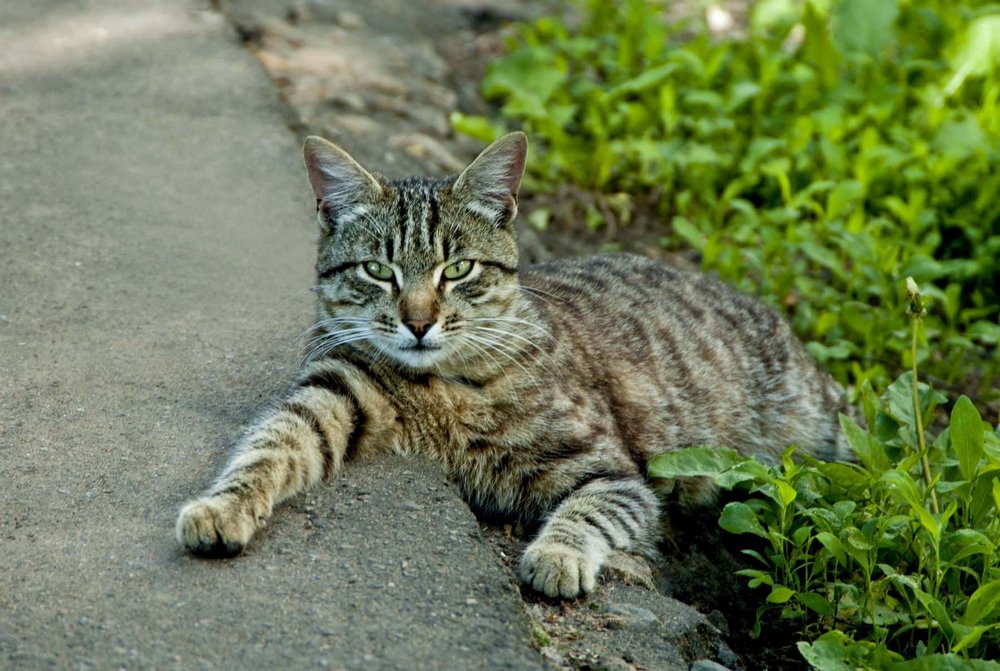
Unlike domesticated animals, stray cats are constantly exposed to threats that significantly shorten their lifespan. The lifespan of stray cats depends on environmental conditions, helminth infestation, risk of injury, and poor nutrition.
Often, stray cats die in fights with stray dogs, get hit by vehicles, or freeze to death in winter next to boarded-up basements.
Statistics show that stray cats with no pedigrees live no more than 5 years. The lifespan of abandoned cats is even shorter – 2-3 years.
Long-lived cats
In 2015, Lucy, the pet of British cat Bill Thomas, died. In human years, she was approximately 175 years old. She lived for 43 years, a record that is listed in the Guinness Book of World Records. Interestingly, the breed of the oldest feline has not been determined. Judging by photographs, Lucy belonged to the common tabby "janitor" species. She spent most of her years in a fishmonger's shop.
Before Lucy, the record holder was an American cat named Cream Puff from Texas. Jake Perry's beloved cat died in 2005 at the age of 38. He believes she reached such a prestigious age thanks to a special diet that included asparagus, eggs, broccoli, and bacon.
In early spring 2023, Russia's oldest cat, a Siamese named Dashun, passed away. He lived to the ripe old age of 26.
How long can a non-pedigree cat live with proper care?
You can extend your pet's lifespan by providing proper care and consistent attention. Just follow a few rules:
- The diet should include all the necessary ingredients for a healthy life – proteins, vitamins, fats, and carbohydrates. It's best to use food recommended by your veterinarian.
- It's essential to provide a comfortable environment—a peaceful sleep environment and a warm place to rest. It's best not to expose the animal to stress, which can negatively impact the body and shorten its lifespan.
- Physical activity is important for maintaining health and regulating metabolism. Play with your cat more often, using balls, mice, and special exercise equipment.
- Routine veterinary examinations, vaccinations against common feline diseases, and deworming can prolong the life of your pet.
- Avoid taking your dog for walks outside without a leash. Your pet could get injured or infected with worms.
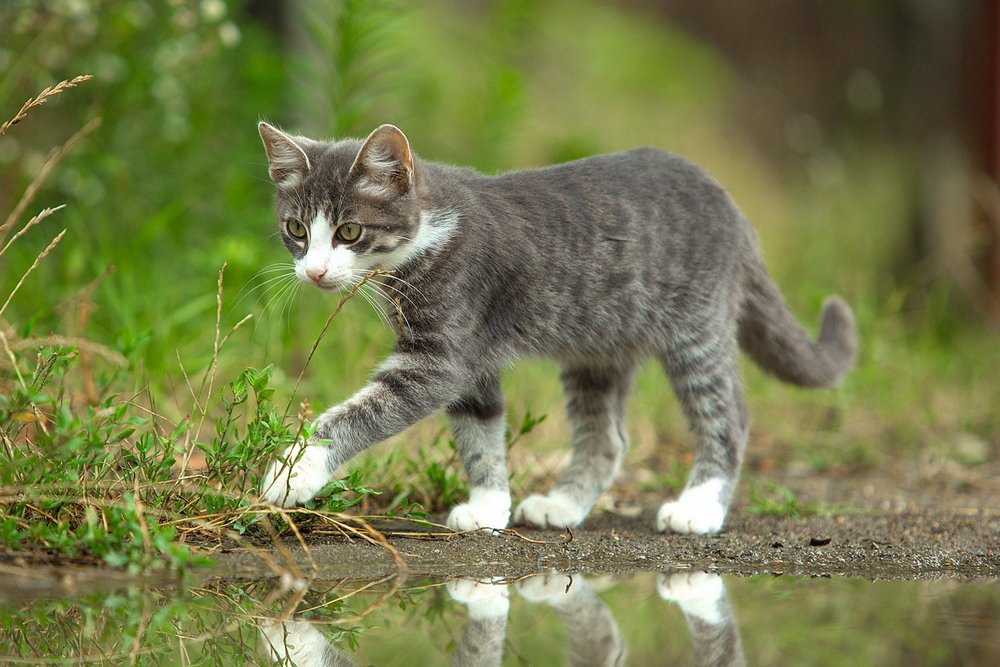
The lifespan of non-pedigree cats remains a mystery to owners and scientists. The problem lies in the neglect of mandatory registration of these "street cats." Owners issue them passports indicating their age only when transporting them. The average lifespan of a cat is 15 years. Under good living conditions and without health problems, their lifespan can exceed 20-25 years. However, proving longevity without registration is virtually impossible.
Read also:
- Can a cat return home if it runs away?
- A cat's age in human years
- How to Cope with the Death of a Cat


Add a comment