
How long do Alabai live?
Dreaming of getting a Central Asian Shepherd puppy? We'll tell you how long Alabai dogs live, what determines their lifespan, and how to create comfortable living conditions for these giants in an apartment or kennel.
Content
Briefly about the breed
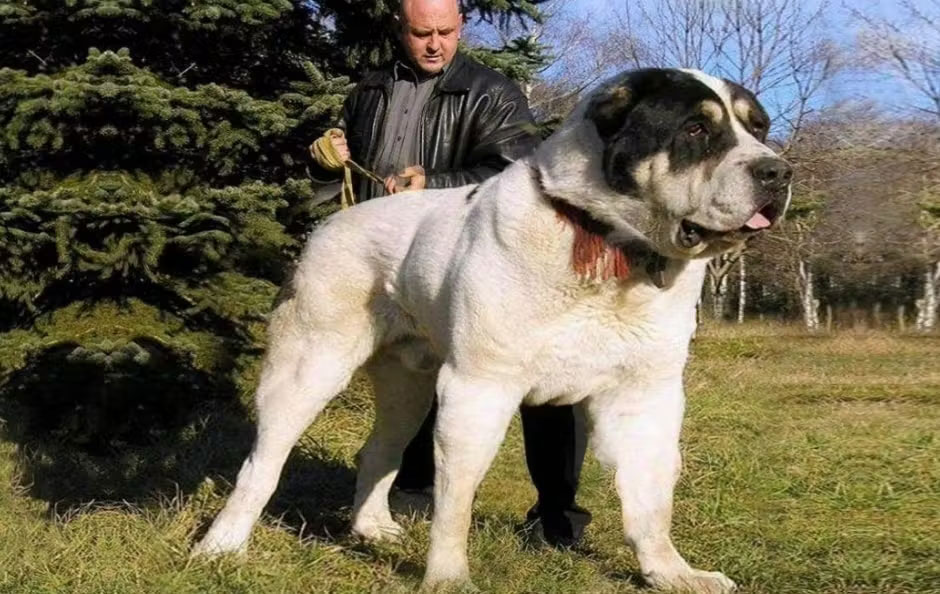
The Alabai is a reliable guard dog, whose genes are imprinted with the code of ancient ancestors from Central Asia, as well as the fearless fighting dogs of Mesopotamia (according to scientists, the breed has existed for 3,000-6,000 years). Central Asian Shepherd Dogs are fairly large dogs, weighing between 40-50 kg and reaching a height of 65-70 cm at the withers.
Representatives of the breed have the following traits:
- loyalty to the owner;
- equilibrium;
- courage and fearlessness;
- developed intellectual abilities;
- willfulness and independence.
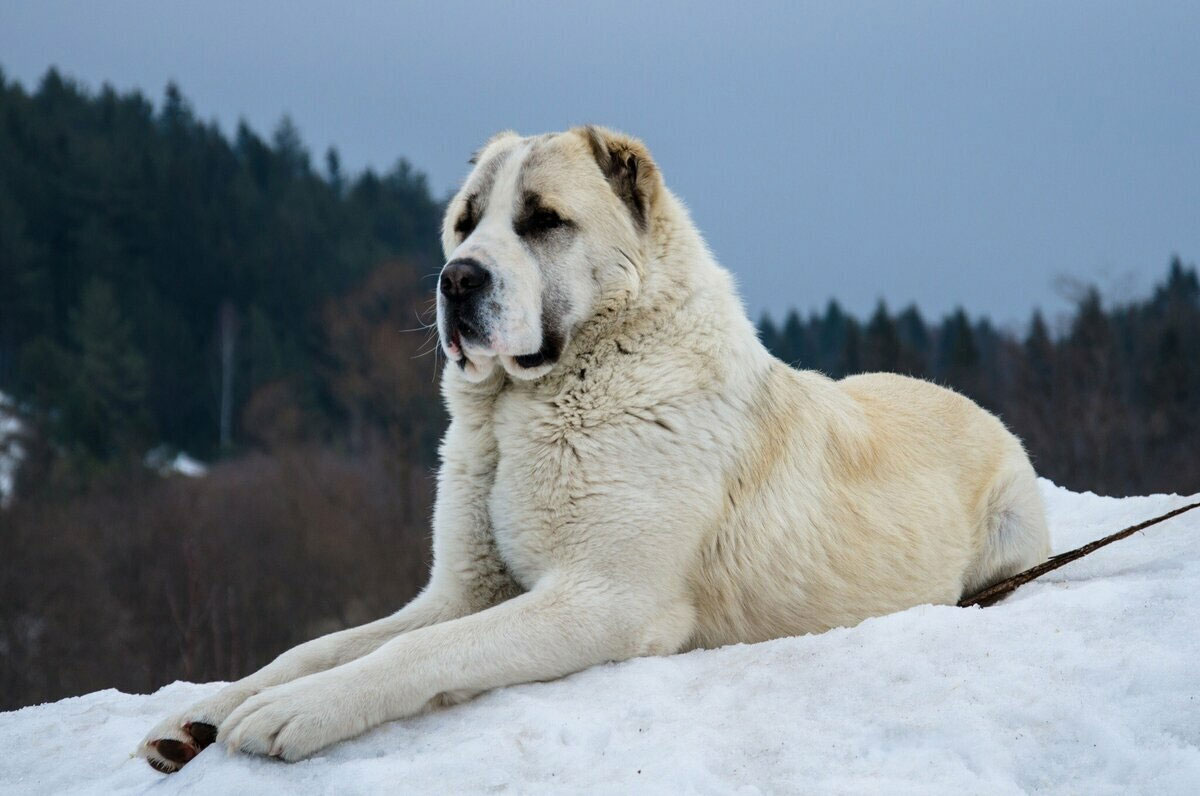
Thanks to its thick, coarse coat with a well-developed undercoat, the Alabai can easily withstand even severe frosts, which is why working dogs are often kept in an outdoor enclosure, although there are also representatives of the breed living in city apartments.
Important! The Alabai is a guard breed, but keeping one on a chain is not recommended, as without proper training and confinement, the dog may develop mental disorders and become dangerous to others and their owners.
When getting a puppy of this breed, it's important to understand that the key to a comfortable life with an Alabai is proper training. Although the breed is not listed as potentially dangerous, training such a dog should be supervised by an experienced trainer.
|
Advantages of the breed |
Disadvantages of the breed |
|
easy to care for |
large size |
|
unpretentiousness |
difficulties of maintaining an apartment |
|
sharp mind |
independent character |
|
loyalty to children |
tendency towards aggression |
|
security qualities |
the need for professional training |
For more information on the characteristics of the Alabai breed and how to care for these dogs, watch the video:
Dog age compared to human age
The average lifespan of a Central Asian Shepherd Dog is 10-12 years, but there are also long-lived representatives of the breed whose lifespan exceeds 15-18 years.
To understand how long Alabai live, it is important to know how large and giant breed dogs mature by human standards.
|
Age of the dog |
Human age |
|
1 year |
12 years old |
|
2 years |
22 years old |
|
3 years |
31 years old |
|
4 years |
40 years old |
|
5 years |
48 years old |
|
6 years |
55 years old |
|
7 years |
65 years old |
|
8 years |
75 years old |
|
9 years |
84 years old |
|
10 years |
94 years old |
|
11 years old |
100 years + |
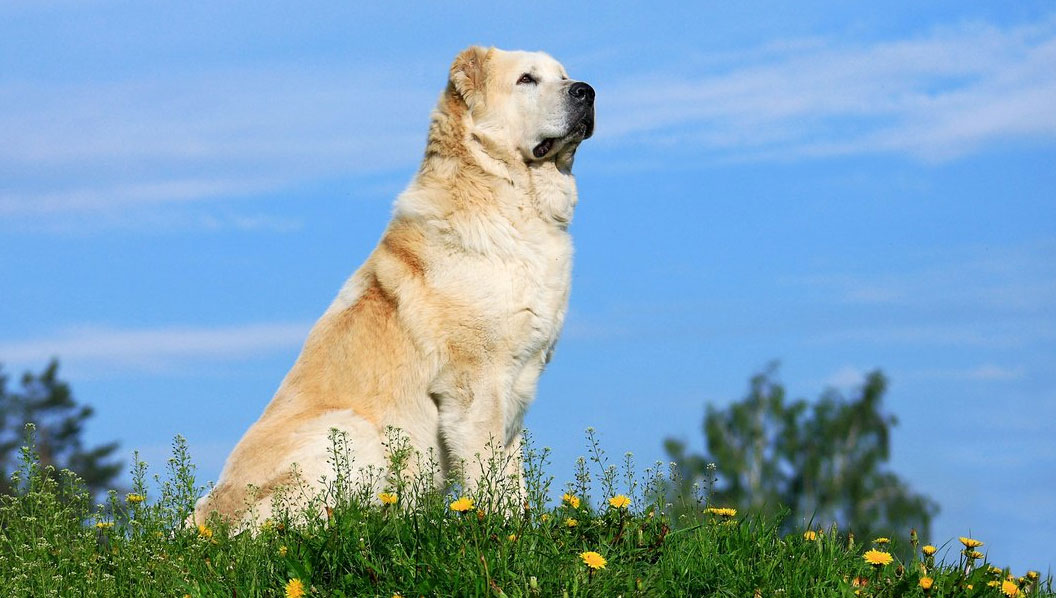
How to determine a dog's age
If there is no documentary evidence of how long an Alabai lives, then the animal's age can be determined by assessing the dog's appearance, activity, and dental condition.
The maturation period for large dogs lasts until almost 2 years of age. It is around this age that the dog acquires the correct appearance and becomes calmer and more sedate. Dogs are considered senior after reaching 7 years of age. During this period, dogs may stop playing actively, and age-related changes begin to occur in their bodies, affecting their appearance. Older dogs may develop gray hair, their coat may become duller and thinner, and they may experience weight gain.
If the dog allows you to examine its teeth, then this is the best way to understand how long your Alabai has been living.
- All baby teeth appear in puppies by 3 months;
- change of teeth Alabai dogs' permanent hair loss ends at 8-9 months;
- in young dogs up to 2 years old, the teeth are white, almost without plaque, not worn down;
- after 2 years, teeth begin to wear down, gradually acquire a yellowish tint, and tartar deposits can also be seen;
- by the age of 5, the dog's teeth become dull and tartar deposits are significant;
- After 8-9 years, teeth may begin to loosen and fall out.
What influences the lifespan of the Alabai breed?
When assessing the lifespan of Alabais in breeders' homes, as well as service dogs in canine centers, veterinarians identify the following factors that influence the lifespan of these dogs:
- Heredity inherited by a puppy from its ancestors.
- Living conditions (whether the dog lives indoors or outdoors).
- Dog diet and food quality.
- Use in breeding (of particular importance for owners of female Alabai).
- Castration (according to statistics, Alabai boys live 1-2 years longer after the operation).
- Timely disease prevention (depends on the owners).
- Quality and availability of medical care.
Hereditary diseases
The Alabai breed is one of the most ancient, having developed naturally, without human intervention, so there are not many genetic defects specific to Central Asian Shepherd Dogs.
For females and males of mold value, before starting breeding, it is recommended to conduct genetic tests for the following diseases:
- Bullous dystrophic epidermolysis (about 27.7% of the breed are carriers of the mutated gene);
- Degenerative myelopathy (clinical signs may appear after 8 years);
- Hyperuricosuria (a disorder of uric acid metabolism characteristic of many large breeds);
- Hip dysplasia;
- Malignant hyperthermia.
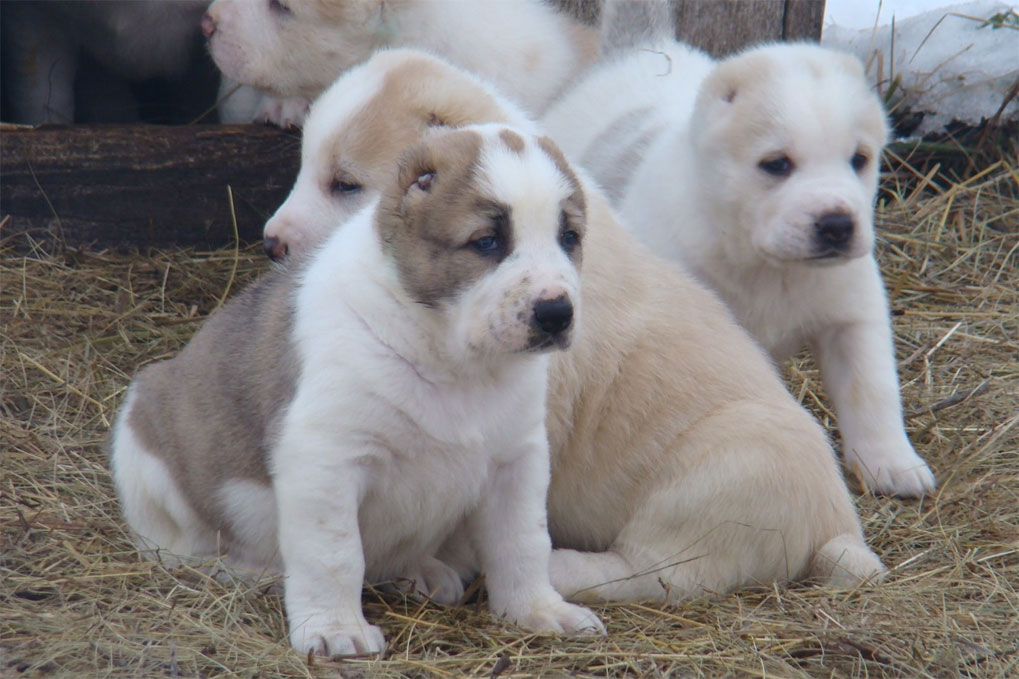
That's why it's best to choose a puppy from reputable breeders, clubs, or kennels. The breed is quite popular, so it's easy to find good, purebred puppies free of genetic defects not only in large cities like Moscow or St. Petersburg, but also in other regions of Russia.
Conditions of detention
If we compare statistics on how long Alabai live outdoors in an enclosure and in an apartment, we can see that with proper enclosure housing, dogs live longer.
Experts believe that the following factors play a role:
- balanced nutrition (as a rule, dogs kept in the yard, as well as service dogs, are rarely offered “homemade” human food, which is extremely harmful to them);
- level of physical activity (when kept in an aviary, dogs are more active, whereas in the cramped conditions of an apartment they cannot meet their physical activity needs and often suffer from obesity);
- temperature conditions (the conditions of a heated apartment are not the best option for the Alabai, which has a thick coat).
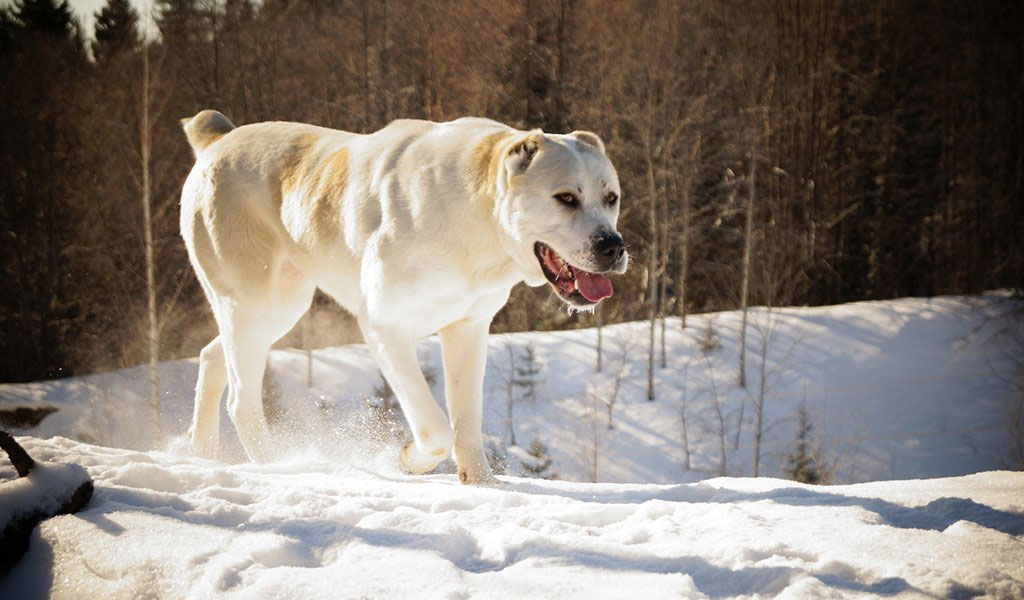
It is worth noting that this statement does not apply to "yard" and "chain" dogs, which extremely rarely live to be 8-10 years old.
Nutrition factor
As puppies, large and massive Central Asian Shepherd dogs require a balanced diet with sufficient vitamins and microelements for active bone and muscle growth.
The amount of meat in a dog's daily portion should be at least 70-80%. It is recommended to give preference to lean meats (veal, beef, turkey, rabbit).
The remaining portion can be divided between healthy grains (rice or buckwheat) and vegetables, which also need to be given to the dog to maintain normal gastrointestinal function.
For more information on how to create a natural diet for your dog, see the expert's recommendations:
If you can't regularly prepare fresh, natural food for your dog, you can introduce your dog to dry food from puppyhood. It's important to:
- Choose food from trusted manufacturers in the super-premium or premium segment.
- Feed the dog granules in accordance with its age and breed size (you cannot feed Alabai with food for small and medium breeds).
- Strictly adhere to the recommended daily feeding rate indicated on the packaging (this parameter varies among different manufacturers and may vary depending on the calorie content and composition of the granules).
Malnutrition, nutrient deficiencies, or poor-quality food can seriously compromise your pet's health and significantly shorten its lifespan.
Participation in breeding
Pregnancy and childbirth are not good for a female dog! The Russian Cynological Federation allows only six births in a dog's lifetime.
Too frequent births, improper nutrition during pregnancy and lactation, and ignoring the dog's body's signals of developing problems are factors that significantly shorten the dog's lifespan. It's important to understand that with each subsequent pregnancy, the risk of complications and associated diseases in the dog only increases.
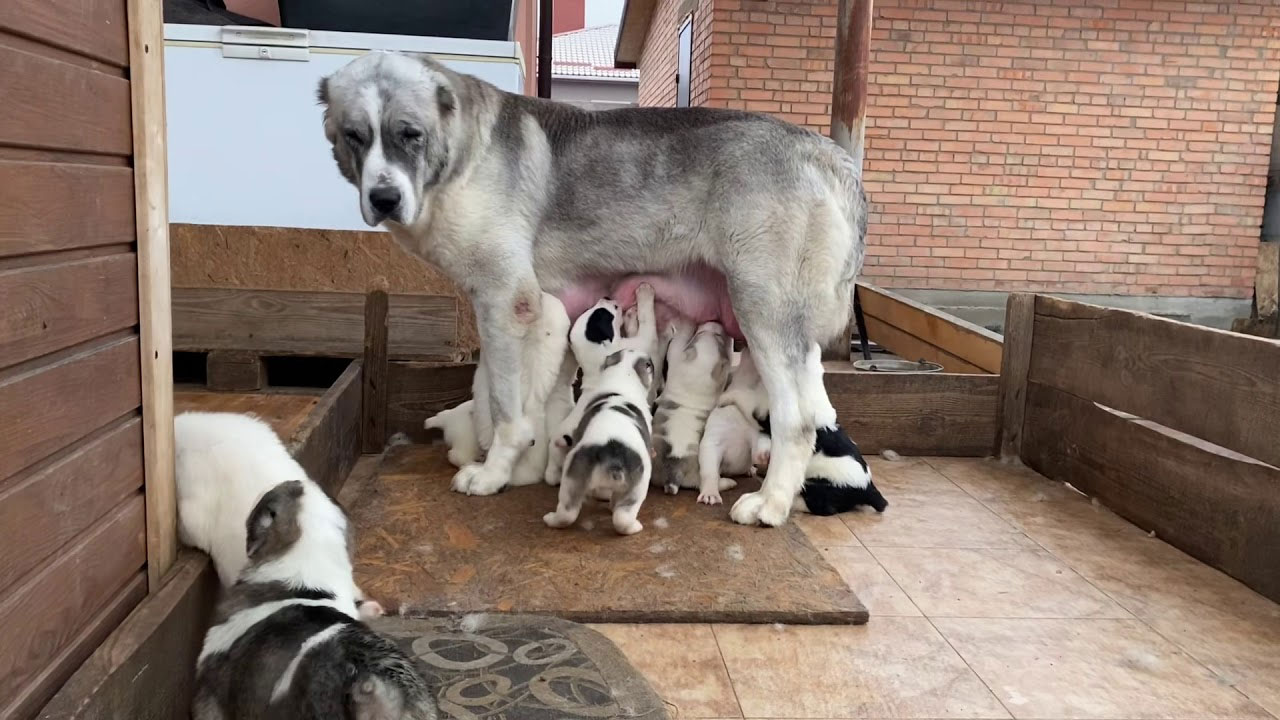
Keeping Alabai dogs for breeding has its own peculiarities, which you should definitely familiarize yourself with before heading to a forum in search of a "mate" for your growing dog. A littered male will constantly seek a mate, which can lead to him becoming aggressive and dominant, disobedient, and willful.
Neutered dogs retain their working abilities, but they will be more domesticated, calm, and owner-oriented. On average, neutered dogs live 1-2 years longer, as they have a lower risk of developing specific cancers and are less likely to sustain serious injuries in conflicts with other males.
Prevention and treatment of diseases
The highest mortality rate among young dogs is due to infectious diseases, so the most important condition for a long healthy life for Alabai is timely vaccination according to the schedule.
Among the main causes of premature death in representatives of the breed are the following diseases:
- intestinal volvulus;
- pyometra (for bitches);
- obesity;
- cardiovascular diseases;
- accidents.
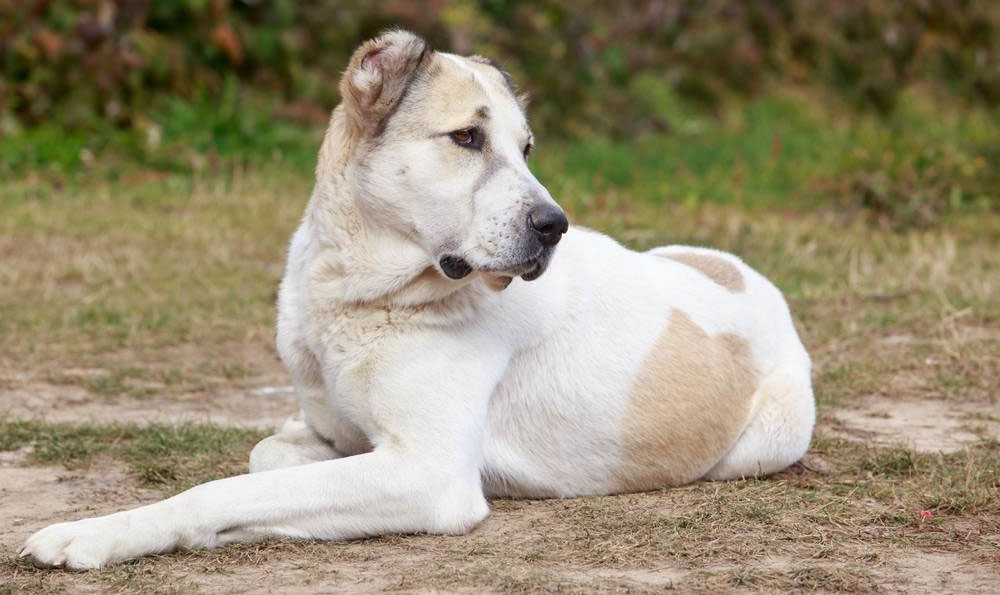
Analyzing owner reviews and veterinary clinic statistics, we can say that throughout the life of their dogs, Alabai owners most often encounter the following illnesses in their pets:
- musculoskeletal disorders (typical for all giant breeds);
- gastrointestinal disorders;
- otitis;
- eye diseases;
- hypothyroidism.
Breeders' Advice
For more information on keeping and raising an Alabai, as well as how to care for dogs of this breed to ensure a long and happy life, watch these videos:
Read also:


Add a comment