
How long does it take for a cat to recover from anesthesia after castration?
Most often, cats experience anesthesia during spaying and neutering. Animal behavior after the procedure can sometimes be clearly inappropriate. Therefore, every cat owner should be aware of How does a cat behave? After anesthesia, how long does it take for a little pet to recover from surgery? Let's review all the important points on this topic so you're mentally and physically prepared to help your pet survive the first few days post-operatively.
Content
How long does a cat sleep after anesthesia?
The duration of anesthesia in cats and the recovery period depend on various factors, including the drug used and the method used to induce sleep.
If short-acting medications are used, the condition required for surgery occurs quickly, and the effects on the pet's body wear off just as quickly. Their scope of use is limited:
- dental procedures;
- nail removal;
- castration.
In general, they are used when a simple operation is required.
Modern gas anesthesia techniques for cats make it possible to prepare the pet for surgery and return them to their original state just a couple of hours later. If deeper anesthesia is used, postoperative sleep can last up to eight hours.
If the veterinarian deems it necessary, they may recommend keeping your furry friend at the clinic for a while. Doctors not only know how to help a cat recover from anesthesia but can also help the little one if breathing or heart problems arise.
Moreover, temporary hospitalization is a way to save both yours and your pet's nerves. After all, when furry animals awaken from anesthesia, they can behave inappropriately. If you don't understand the methods that can normalize the animal's psyche, you can harm the pet, and the owners themselves won't benefit from their abnormal behavior.
When leaving the clinic, ask the doctor how long it will take for your pet to recover from the medication used in this case. Since the timeframe can vary considerably, this question will be relevant.
Cat and female cat after anesthesia - features of the condition
We've already established that animals sleep for some time after surgery. But after a cat regains consciousness, its brain will remain under the influence of a sedative, such as ketamine, for about a day.
Most often, a cat after anesthesia appears drowsy. They may exhibit a gag reflex, and they may also experience problems with coordination and reaction time. A rise in temperature and chills may also be observed.
In some cases, the following scene can be observed: the animal regains consciousness, stands up, takes a few steps, and then collapses. Also, after anesthesia, the cat may move its paws as if in a hurry, or bump into an obstacle and try to push it aside with its head.
No matter how your cat feels after anesthesia or how long it takes to return to normal, you should provide a warm bed for your pet. Just don't use a sofa or chair for this purpose. A disoriented animal can easily fall over.
Since your pet may vomit and even wet themselves, be prepared for anything. This is generally normal, but if the vomiting continues for a long time (more than 24 hours), you should take your cat to the veterinarian.
Regarding a high temperature, periodically feel your pet's nose. If it's hot and dry, your cat has a fever. There's no need to seek immediate medical attention, but, as with vomiting, if the fever persists, your cat should be taken to a doctor.
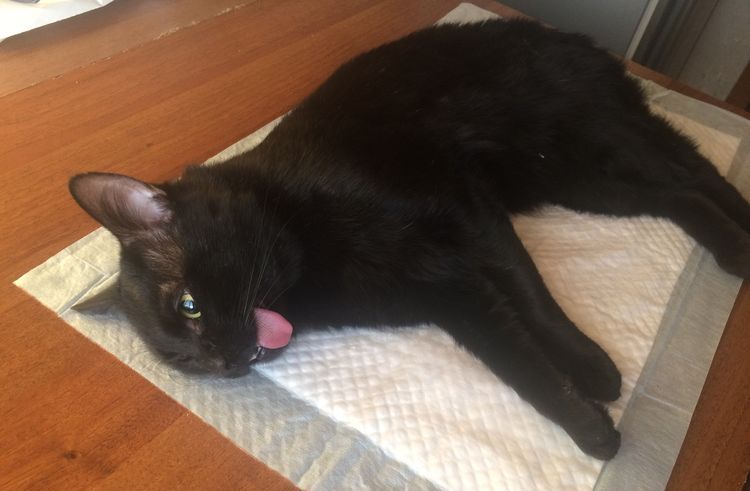
Another important task for the owner during the post-anesthesia period is to ensure peace and safety. Typically, if the doctor's care recommendations are followed, the animal should return to normal within 24 hours. Playfulness, desire, and other signs will return.
How do cats recover from anesthesia after castration?
Neutering is considered a simple and common procedure. Many owners of adult cats consider the surgery a good solution. And to a certain extent, they're right. Not only does the little predator retain its natural beauty, but it also avoids the melancholy of heat cycles and hormonal problems associated with medication. An additional benefit of neutering is for pets who live outdoors. The procedure reduces the number of homeless kittens, and the cat is reliably protected from infections transmitted by stray cats. Furthermore, a neutered cat retains its social significance for other members of its family. But that's a separate topic; we'll explore how long it takes for a cat to recover from anesthesia after neutering and what to expect.
It's worth mentioning right away that no veterinarian can give a definitive answer. Every cat's body is unique, and it's impossible to accurately predict their reaction to a medication. For example, a surgeon might claim the medication's effect will last no more than three hours, but in reality, the animal will lie motionless for seven to eight hours. Incidentally, anesthesia for cats and humans is different. Most often, a nerve-numbing agent is used for animals. The pet's eyes may remain open.
Don't panic if your cat takes a long time to recover from anesthesia after neutering. It's best to check on their condition. You can do this by shining a light into their eyes. If they start squinting, you can hold their eyelids closed. Ideally, their pupils should begin to constrict. If this doesn't happen, things are bad. In this situation, you should immediately contact the surgeon who performed the surgery. There's no point in going to another doctor, as they won't know the dosage or the name of the medication.
If you're concerned that your cat is taking a long time to recover from anesthesia but is still active—its paws and tail are twitching—this is normal. Not every pet is eager to return to a full life after surgery. Some animals prefer peace, quiet, and sleep. They find this method of recovery better than others.
How to behave when a cat is recovering from anesthesia, what should you do?
Some people recommend washing the animal in warm water, but this is completely unnecessary. Yes, the animal does need warmth, as it may be experiencing temporary circulatory and heart problems. However, a warm blanket or terry towel is sufficient to keep the animal warm.
You can also lightly massage the cat's paws to stimulate blood flow. However, this is only suitable for pets under anesthesia. When the cat wakes up, you can warm it in the standard way – with your body. However, it's important to remember that not every cat will appreciate forced cuddles. Some pets prefer solitude during this time.
Don't worry if your cat vomits—this is common. Even on an empty stomach, animals can vomit bile. Therefore, avoid placing your pet on the couch or armchair to avoid contamination. Furthermore, after anesthesia, your cat may temporarily lose bladder control. If this happens to you, you may notice a foul odor from the urine. This is also normal—hormones are being released.
No matter how your cat recovers from anesthesia after neutering, whether well or poorly, it's unlikely to want to eat at first. Therefore, don't try to give your pet treats or water. Once your pet recovers, it will begin eating on its own. Incidentally, many cats gain weight after neutering.
In general, your cat needs simple things after neutering:
- attention;
- warm;
- peace.
These are the main components of successful rehabilitation.
When to call a doctor
Most cats feel well after anesthesia. Side effects do occur, but they are usually short-lived. However, there are a number of signs that, if persistent, require immediate veterinary attention:
- pallor, cyanosis, redness of the mucous membranes;
- irregular heartbeat, weak, twitching pulse;
- temperature disturbance, lack of response to touch;
- You see that your pet is feeling unwell, this can be reflected in everything.
Contact your veterinarian, even if it's midnight. Anesthesia puts significant strain on your pet's heart and respiratory system. Timely assistance is sometimes the only chance to save your cat's life.
Read also:
- When is the best time to neuter a cat?
- How to prepare a cat for neutering
- Cat neutering: how it happens and what to do before and after the surgery


Add a comment