
How long should a cat wear a bandage after sterilization?
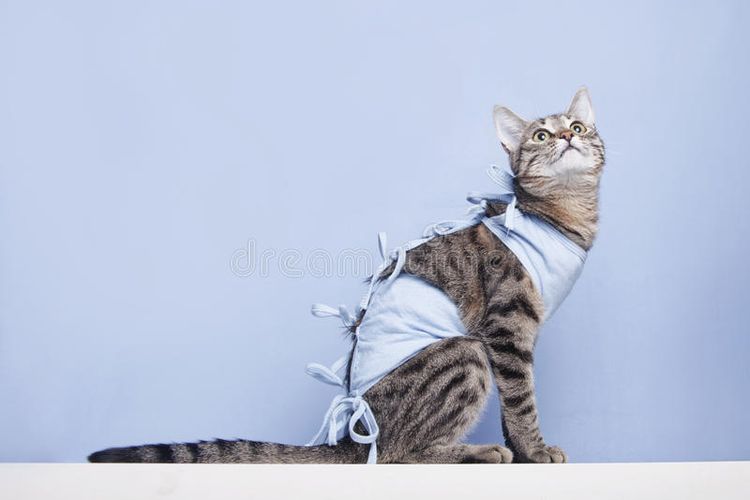
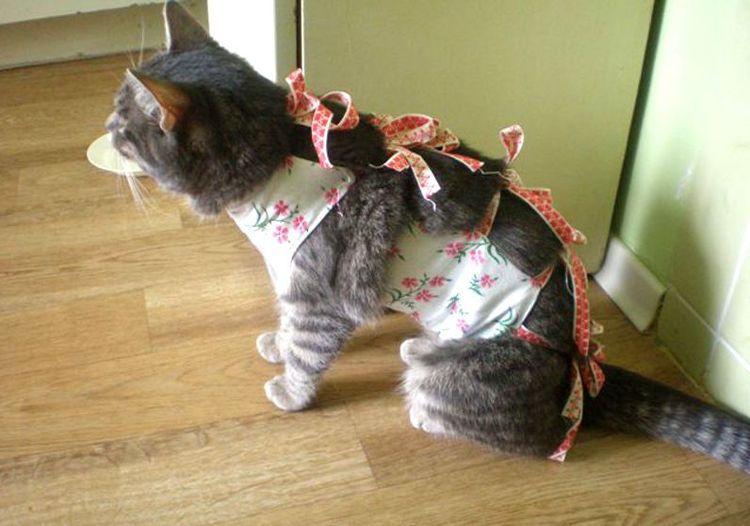
One of the most important aspects of sterilization is post-operative care, which is entirely the responsibility of the cat's owners. The most challenging question is how long the animal should wear the bandage (or blanket).
The main problem is that cats may resist putting on and wearing the bandage, trying with all their might to get rid of it. Often, the animal appears completely unhappy or resents people, so owners naturally want to get rid of the device as soon as possible. However, it's important to remember that the optimal timing for removing the bandage will protect a pet weakened by surgery from unnecessary problems.
When can I film?
How long you will need to wear the bandage depends on the type of suture treatment used by the operating veterinarian:
- treatment with a spray that protects the seam from contaminants;
- without spray treatment.
Using a spray significantly reduces the risk of inflammation. Provided your pet is feeling well and there are no complications in the incision area, the maximum period of wearing the blanket is 7 days. Also, please see our website for more information. How to make a cat harness yourself.
In the second case, surgeons recommend a 5-10 day interval for final removal. To be on the safe side, it's best to wait 10 days.
If the surgery was performed laparoscopically, the damage to the skin is so small that the cat does not need to wear a blanket.
Early withdrawal
Sometimes, a cat removes the bandage on her own early. This most often occurs within the first four days after spaying, as the pet eventually adjusts to the bandage and becomes more relaxed. Whether to replace the bandage and continue wearing the bandage depends on the method of suture application:
- If non-absorbable threads were used during sterilization and will be removed 7-10 days after the operation, the blanket must be immediately returned to its place.
- If absorbable sutures were used and more than 4 days have passed since sterilization, and there is no oozing blood or lymph at the surgical site, and no inflammation is visible, then the cat no longer needs to wear a device to limit access to the wound.
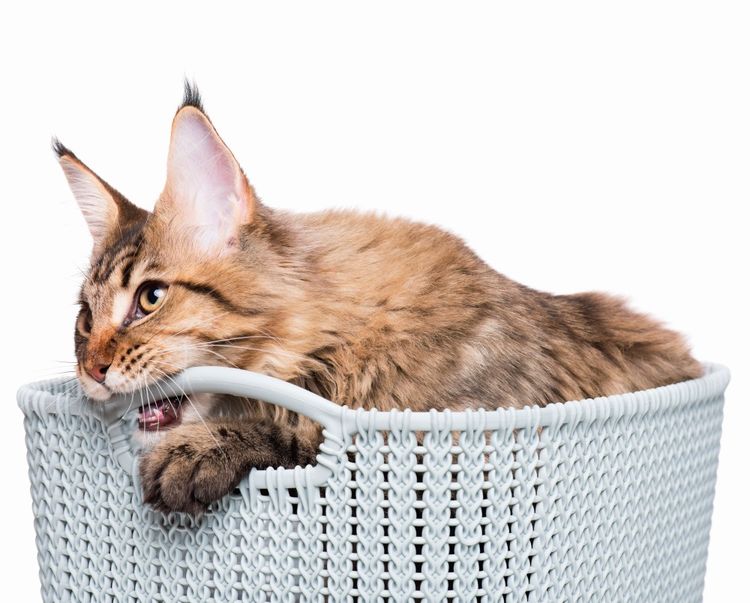
Many owners allow their cats to walk around without a bandage because they don't understand the urgent need for it. However, it's important to be aware of the consequences of removing the bandage prematurely:
- chewing or licking of surgical thread and suture divergence;
- internal and external bleeding;
- penetration of microbes into the wound;
- inflammation and putrefaction of the wound.
All these problems can occur immediately, or they can occur within a few days after the animal is freed from the uncomfortable accessories. It's important to remember that if the owner allows their cat to go without a blanket, they will no longer be able to file a claim or rely on the medical care guarantee offered by many veterinary clinics.
Sometimes the decision to stop wearing a bandage is made by a veterinarian based on factors such as:
- the pet behaves aggressively, constantly trying to chew or pull off the blanket;
- the cat does not stand on its paws, is afraid to take even a few steps, and stops eating;
- obvious signs of deterioration (nausea, vomiting, fever, lethargy);
- ulcers and abrasions in areas of maximum tissue pressure on the skin;
- the blanket is heavily soiled.
Observation after bandage removal
The best option is to have the cat examined by the veterinarian who performed the surgery on the day of the procedure. It's even better if the veterinarian performs the procedure in person.
Your cat will likely lick the surgical site initially. This is completely normal for the first half hour, as all felines are very clean animals. The main thing is to ensure your cat doesn't bite into the wound or injure itself.
If inspection is not possible for some reason, the following points should be taken into account:
- integrity of the wound edges;
- no bleeding;
- presence of inflammation or pus;
- the presence of nodules or blisters.
If at least one of these factors is detected, the cat should be shown to a specialist who will decide what to do.
For several days after the cat has stopped wearing the bandage, you need to monitor its temperature, check the condition of its nose (dry or wet), and monitor the animal's behavior to prevent possible complications.
Read also:


Add a comment