
How many chromosomes do dogs and cats have?
It's assumed that offspring inherit certain physical traits from their parents, but how then can we explain the birth of animals with unique coat colors? The science of genetics explains these phenomena. Thanks to it, we understand heredity and the number of chromosomes in different animal species.
Content
- 1 Features of the karyotype of dogs and cats
- 2 Table: Comparison of chromosomes in dogs and cats
- 3 Principles of heredity
- 4 Features of the chromosome complex
- 5 Why do dogs and cats have different chromosome numbers?
- 6 What do these numbers mean for animals and owners?
- 7 It is also interesting to know: the chromosomal background of other animals
Features of the karyotype of dogs and cats
Every cell in the body has a nucleus, which stores genetic information. Most of this information is stored in specific structures called chromosomes—linked chains of genes that can be seen under a microscope during cell division.
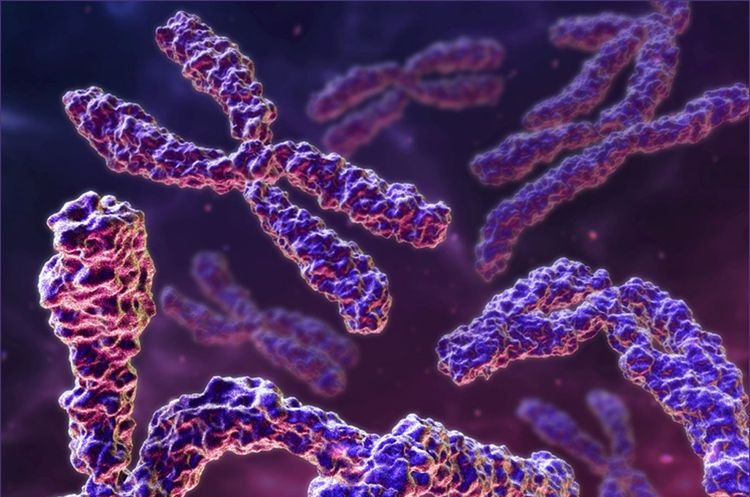
The number and structure of chromosomes is a constant, species-specific indicator known as a karyotype. It determines the inheritance patterns of most animal traits and characteristics. Imbalances in chromosome number or other changes can lead to the development of hereditary diseases, the emergence of non-viable individuals, or, conversely, new species.
Each cell contains a constant, paired number of identical chromosomes, characteristic of the species: domestic cats have 38 (19 pairs), while dogs have 78 (39 pairs). These chromosomes determine the appearance, health, and personality of each individual. Only a portion (half) of this set is found in reproductive cells, and it is restored during fertilization.
All pairs of chromosomes, with the exception of one, have the same appearance (shape and size) and are responsible for the development of the same characteristics, while one pair contains chromosomes of different sizes, which are responsible for sexual characteristics:
- X - is distinguished by its large size and determines the female gender,
- U – is characterized by a smaller size and denotes the male gender.
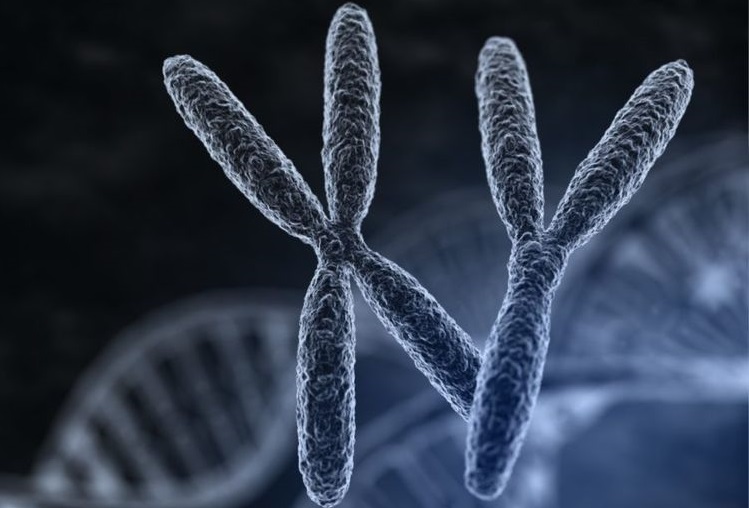
The sex of the future offspring depends on the specifics of their fusion: if, during fertilization, female and male cells with X chromosomes meet, a female individual develops; if one of them contains the Y chromosome, a male individual appears.
Table: Comparison of chromosomes in dogs and cats
| Indicator | Cat | Dog |
|---|---|---|
| Total number of chromosomes (2n) | 38 | 78 |
| Number of chromosome pairs | 19 | 39 |
| Autosomes | 18 pairs | 38 pairs |
| Sex chromosomes | XX or XY | XX or XY |
| Haploid set (n) | 19 | 39 |
Principles of heredity
The genetic information stored in chromosomes is called the genotype, and the external manifestation of these characteristics is called the phenotype. All genes are located in pairs (one from each male and female) called alleles, which include:
- dominant gene – predominates in a pair, is stronger and ensures the manifestation of certain appearance traits already in the first generation offspring;
- recessive – suppressed by the dominant and remains in a latent state until “better times”.
When two recessive genes, inherited from a father and mother, combine, the resulting offspring will have an appearance unlike that of either parent. For example, a black female and an ash-colored male may well produce cream-colored offspring if both possess the suppressed gene that produces the cream color.
Inherited traits include:
- wool coloring;
- eye pigmentation;
- coat structure (length);
- size and shape of the auricle, ear positioning;
- length and shape of the tail, etc.
Features of the chromosome complex
Chromosome analysis is important in the selection process, culling defective individuals to ensure breed purity, and studying the influence of various factors on genomic stability. A key requirement is careful and accurate recording of deviations in the dogs' exterior, physiological, and morphological traits. Owners must understand the importance of accurate information about the quality of their offspring, without concealing defects.
Proper feeding, raising, and training conditions are essential for the development and propagation of desirable breed traits. These conditions are one of the factors responsible for a breed's genetic potential, unlocking "dormant" genes that improve an existing breed or influence the development of a new one.
Why do dogs and cats have different chromosome numbers?
This difference reflects evolutionary history and processes occurring with chromosomes (for example, fusions or fragmentations). Domestic cats have a relatively compact genome, while dogs have significantly more chromosomes, which is due to their extensive kinship with other canines. Wolves, coyotes, and jackals also have 78 chromosomes.
What do these numbers mean for animals and owners?
-
Genetic diversity.Dogs with a larger number of chromosomes may have a more flexible genotype, which is reflected in the diversity of breeds, but it increases the likelihood of errors in inheritance.
-
Diseases.The number of chromosomes influences the chances of developing hereditary diseases. Approximately 250 genetic disorders have been identified in cats, and at least 400 known diseases in dogs.
-
Selection and kinship.Dogs, like domesticated wolves, have the same chromosome complement, making them suitable subjects for studying evolution and comparative genetics.
It is also interesting to know: the chromosomal background of other animals
Looking at the comparative data, we can see:
-
Hamsters have 92 chromosomes.
-
Hedgehogs - 88-90.
-
Wolves and coyotes have 78 chromosomes, just like dogs.
-
Lions and tigers have 38, like cats.
This allows us to see how chromosome number has regulated the evolutionary path of different species.
Read also:
- Scientists have bred a cat that glows in the dark.
- Selection of sighthound dog breeds
- Peculiarities of dog mating


Add a comment