
How many blood types do dogs have?
A dog can suffer significant blood loss as a result of an injury or fight. To replace this blood loss, a transfusion is performed at a veterinary clinic. To prevent the surgery from resulting in death, it's important to determine the dog's blood type in advance—information about this is always recorded in the pet's passport. Therefore, it's a good idea to know how many blood types dogs have and which one your pet has.
Content
What kind of blood does a dog have?
All mammals have a hematopoietic system, which is essential for the body's vital functions. This red fluid, rich in red blood cells and platelets, circulates through the blood vessels, delivering oxygen and nutrients to cells and removing carbon dioxide and toxins through the liver. Canine blood, like that of humans, consists of two main components:
- 50-70% is plasma;
- 30-50% per cell.
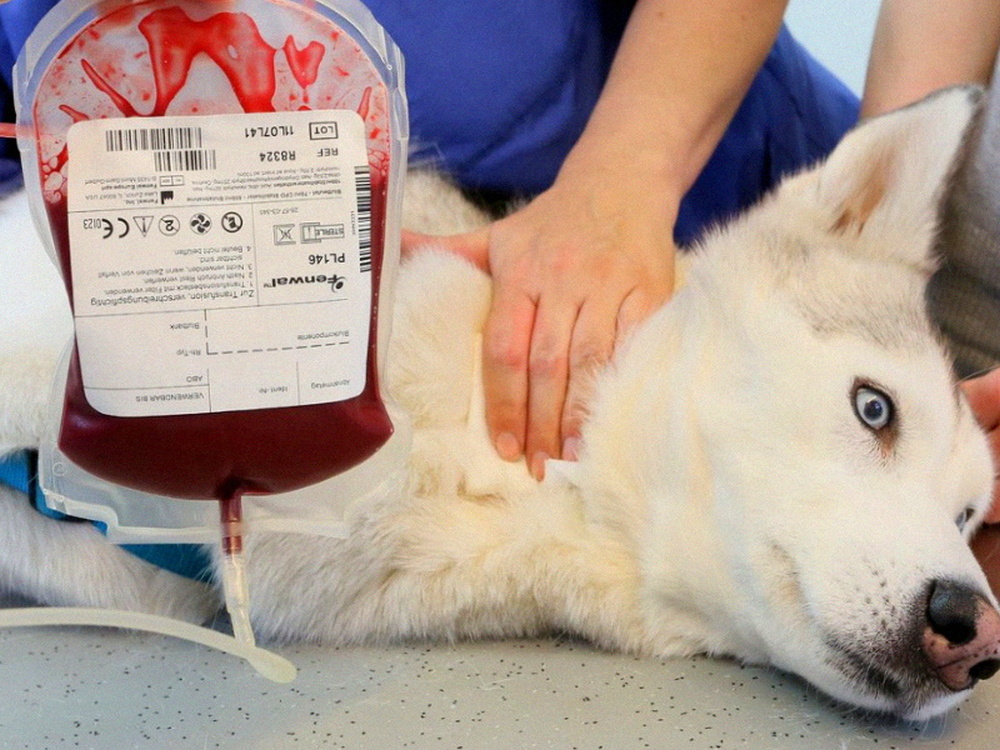
Each component performs an important task:
- numerous red blood cells transport nutrients and oxygen molecules;
- Leukocytes are responsible for immune protection and fight inflammatory processes;
- Platelets provide coagulation, which is essential for wound healing.
Red blood cells contain specific antigens—natural proteins produced by the body. Plasma contains antibodies that distinguish natural proteins from foreign ones. When foreign components appear, the antibodies spring into action and destroy the intruders.
This feature of the circulatory system significantly simplified the task of blood classification, which was based on antigenic characteristics.
How many groups does a four-legged pet have?
Despite advances in veterinary science, scientists still cannot determine the exact number of blood types found in dogs and cats. The process of refining antigen characteristics is ongoing. A total of 11 types have been identified, each identified by a special labeling system using:
- Latin letters;
- digital series from 1 to 11.
There's a DEA classification of canine blood groups that is recognized internationally. The full name of the system is Dog Erythrocyte Antigen. Animals possessing one of the first four antigen types are universal donors, capable of being used to save any breed in the event of significant blood loss. These include animals with class A, which is found in an average of 42% of cases, and class 4, which is found in approximately 90-98%.
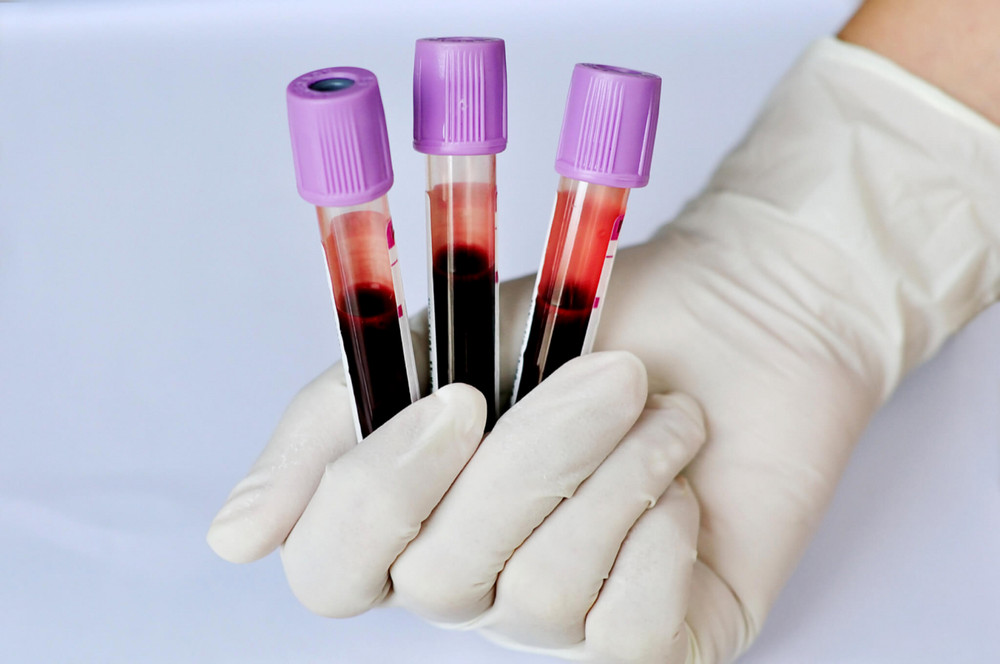
Table of major groups according to DEA:
|
Group |
Possibility of use for blood transfusion |
|
1.1, 1.2, 3, 4 |
Universal |
|
5, 7 |
Primary, then by compatibility |
The fact that most pets have the first group, which is often designated by the letter A, has been proven in practice by veterinarians.
Unlike humans and cats, a four-legged friend can receive any type of transfusion the first time. However, when repeating the procedure, it is necessary to use one of the universal fluids or the most compatible one to prevent rejection. This effect may be due to the absence of the Rh factor.
This difference prevents blood transfusions between humans and pets. The process would lead to red blood cell breakdown, which would be fatal for the recipient.
Instead of the Rh factor, DEA uses phenotypes. There are four possible ones:
- 0 – positive;
- 1.1, 1.2, 3 – negative.
An animal can only have one phenotype. It is also taken into account if necessary. transfusionTherefore, it is advisable to indicate a positive or negative value in the pet's passport.
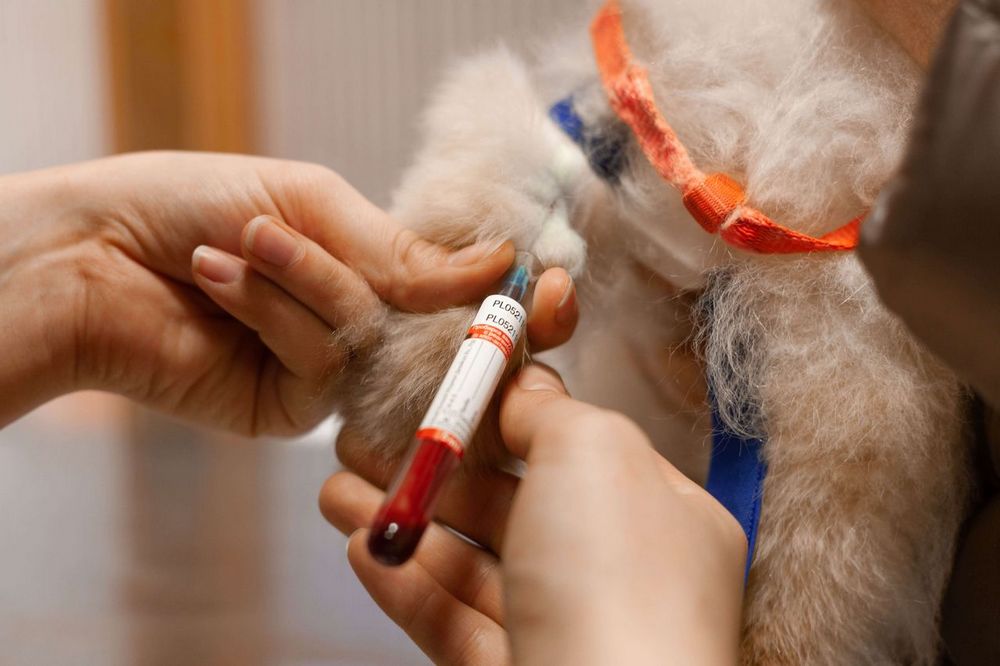
How does phenotype affect the procedure:
- With DEA 1.1 with positivity, the animal will easily tolerate the introduction of biomaterial with a positive or negative characteristic.
- A Pesel with a negative 1.1 will not be able to survive a blood transfusion using a positive phenotype 1.1.
It is noteworthy that the exact number of classes has not yet been described, although scientists suspect that there are slightly more varieties – about 13.
Complete table of dog blood types
Here are presented all the varieties studied to date with a description of their characteristic features:
|
Group |
Quality characteristics |
|
A – 1.1, 1.2, 1.3 |
Antigens 1.1 and 1.2 are detected in approximately 60% of cases and are often considered a single variant. However, surgery on an animal with 1.1 can lead to the development of multiple antibodies to 1.1. Consequences include reduced red blood cell function, and, if repeated, destruction of bloodstream cells, shock, hemolytic reaction, and death. |
|
4 |
Occurs in 90-98% of cases. If no other antigens are present, the pet is a universal donor. However, there is a slight risk of a hemolytic reaction when injected into the blood vessels of an animal lacking this antigen. |
|
3, 5 |
Characteristic of 25% of Greyhound breed representatives. Not found in others. |
|
7 |
It occurs in 8-20%. There is no risk of an acute hemolytic reaction if administered. There are only risks of premature aging of blood cells. |
The remaining classes remain poorly studied.
Probability of donation
Blood donation is under-represented in Russia. This is due to the lack of information available and the lack of fees for the procedure. Dogs in excellent health that meet several requirements are used for blood transfusions:
- not younger than 2 and not older than 8 years;
- weighing 20-25 kg;
- with vaccinations against common viral infections, administered no later than 1 month;
- with mandatory deworming.
Female dogs in heat, nursing, or carrying a litter, as well as blood relatives, cannot donate. The average blood donation rate at any one time is no more than 0.022 liters per 1 kg of body weight, 1% of body weight, or 10% of circulating blood volume. Therefore, even a large pet weighing 60 kg cannot donate more than 600 ml at any one time.
How does a blood transfusion work?
Before the procedure, the biological fluid is tested for compatibility. The donor and recipient samples are mixed; if red blood cells clump together, donation is impossible. The test takes just a few minutes, so it can be performed immediately before surgery.
If the result is positive, the procedure begins using an intravenous catheter. The animal's condition is monitored throughout the transfusion. The transfusion is stopped if the animal experiences a fever, vomiting, swelling, discoloration of the mucous membranes, or rapid breathing. If there is no adverse reaction within the first half hour, the transfusion can continue without fear of serious consequences. On average, the procedure takes about 2-3 hours.
Blood transfusion is a vital procedure for a number of illnesses and serious injuries to pets. To ensure a safe and effective blood transfusion, it is advisable to determine the dog's blood type in advance and record this information in the documentation. The blood sample is collected at a veterinary clinic on an empty stomach. If the animal is fearful or aggressive, the sample is collected after administration of sedatives or general sedation.
Read also:
- Blood sampling for dogs at home: cost
- Ritis coefficient in dogs
- Anemia in dogs: symptoms and treatment


Add a comment