
Skye Terrier
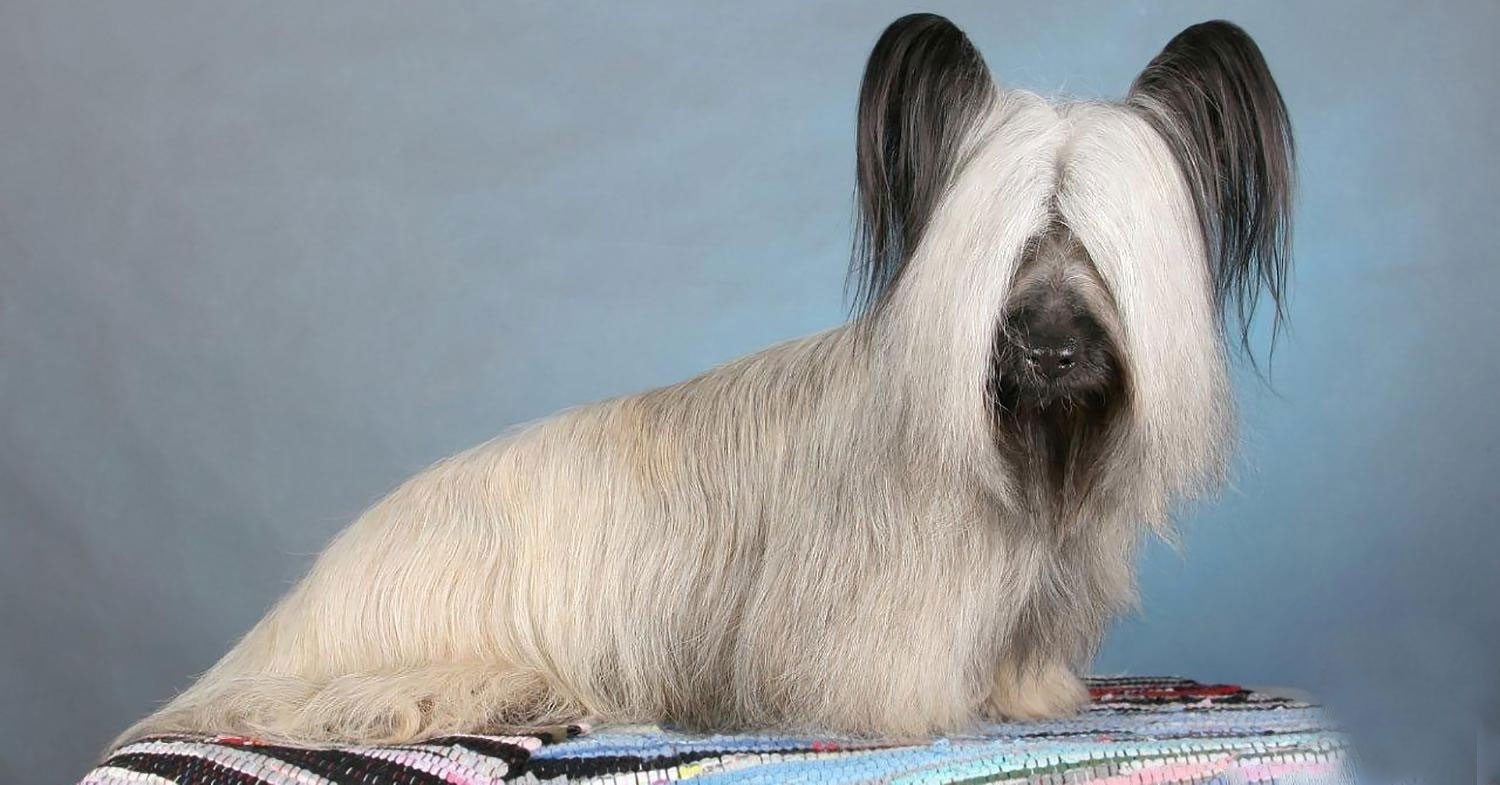
Skye Terrier – a short, medium-sized, long-haired dog that got its striking name from the Scottish Isle of Skye. The breed is considered rare and endangered.
Content
Breed characteristics
Skye Terriers are beautiful and energetic dogs whose bloodlines retain the genes of their ancestors, who specialized in burrow hunting. Despite their hunting heritage, modern Skyes are excellent companions and loyal friends.
|
Original title |
Skye Terrier |
|
Country of origin |
Scotland |
|
The first mention of the breed |
16th century |
|
Weight |
14-20 kg |
|
Height (at withers) |
25-26 cm |
|
How long do they live? |
12-16 years (sometimes up to 20 years) |
|
Price (with pedigree) |
60,000 – 90,000 rubles |
|
Price (without pedigree) |
20,000 – 40,000 rubles |
After analyzing reviews from breeders and experts, we have compiled the following brief description of the Skye Terrier breed:
|
Characteristic |
Level |
Points |
|
Size |
|
3 out of 5 |
|
Intelligence |
|
4 out of 5 |
|
Training |
|
3 out of 5 |
|
Noisiness |
|
3 out of 5 |
|
Health |
|
2 out of 5 |
|
Picky eating habits |
|
2 out of 5 |
|
Activity |
|
4 out of 5 |
|
Aggressiveness |
|
2 out of 5 |
|
The need for communication |
|
4 out of 5 |
|
Molting |
|
3 out of 5 |
|
Attitude towards children |
|
3 out of 5 |
|
Attitude towards strangers |
|
2 out of 5 |
|
Price |
|
4 out of 5 |



History of origin
The first mention of dogs of this type dates back to the 16th century. It appears in the book "The Book of English Dogs," written by the renowned scholar John Caius. According to some sources, Skye Terriers descended from Spanish dogs brought to the islands and local burrowing dogs.
The Skye Terrier is well-suited for tackling badgers and foxes in the tunnels of their underground habitats. It was also used to hunt otters, wild cats, and other small animals. Modern Skye Terriers, with their long coats, as required by the standard, are not used for hunting.
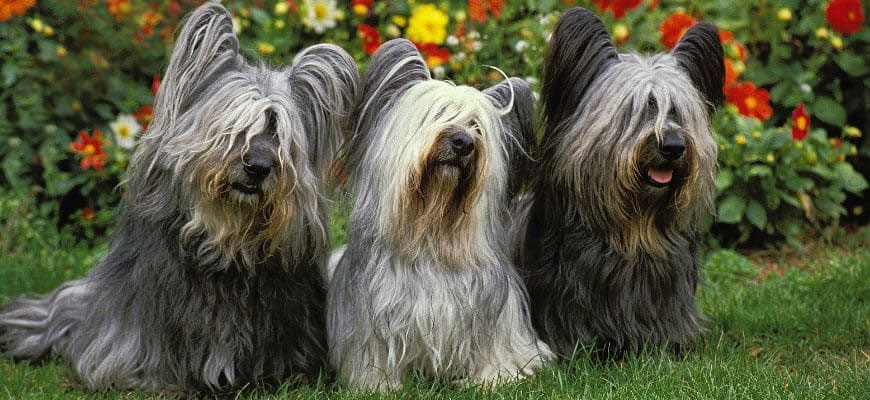
Nineteenth-century accounts indicate that terriers from the West Hebrides can be identified by their appearance and their wiry, long hair. Even then, they were called Skye Terriers. In the popular 1862 edition of The Book of Home Pets, the Skye Terrier is described as the ancestor of all Scottish hunting dogs. They were beloved and popular among both the aristocracy and the common people.
Interesting fact! The Skye Terrier was a favorite of Mary Stuart and Queen Victoria of Great Britain.
Standard appearance
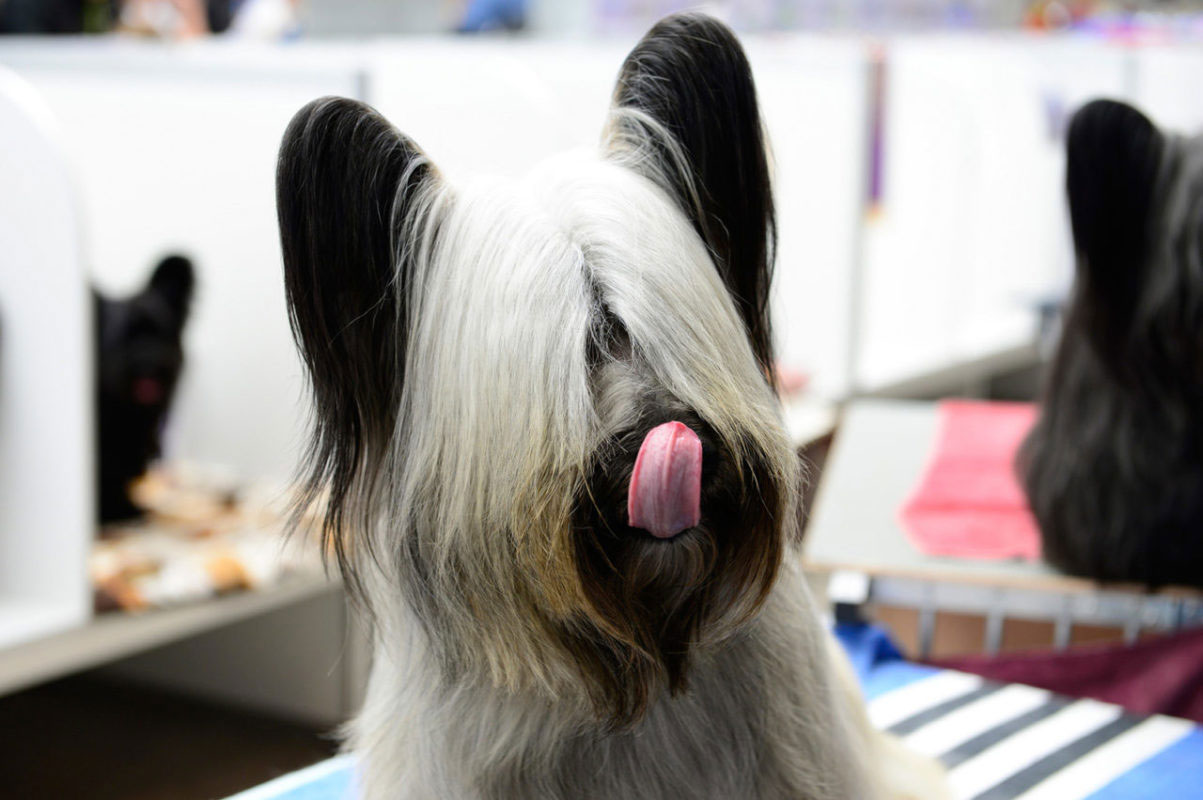
The Skye Terrier is a small dog with a thick, long coat that conceals a stocky, elongated body. The dog should be 25-26 cm tall, and its length (from the tip of its nose to the tip of its tail) should be 105 cm. Females are slightly smaller, but the proportions are the same.
Skye Terriers are most often confused with Scottish Terriers, apparently due to the greater popularity of the latter. They are less often called shaggy dachshund or small briar.
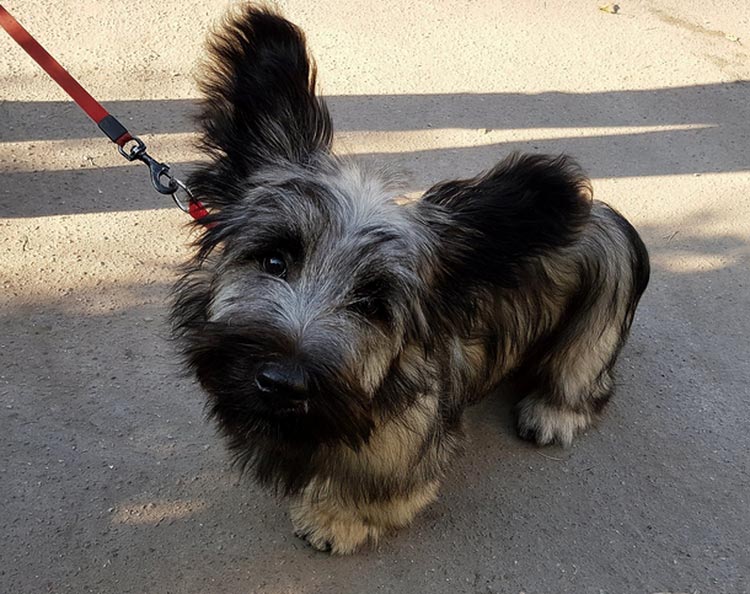
Interesting fact! Some Skye Terriers have folded ears, but finding one is extremely difficult, as most dogs inherit the "classic" erect ears from their parents.
The breed standard gives the following description of the exterior:
- The Skye Terrier's head is long and strong.
- The skull is moderately wide, tapering towards the nose.
- The nose is always black.
- The stop is slightly expressed.
- The muzzle is strong with strong jaws and a correct scissor bite.
- The eyes are dark brown, set close together and of medium size.
- The ears are either hanging or erect. Upright ears are small, with the outer edges of the auricle vertical and the inner edges slanted toward each other. Drop ears are larger, flatter, and lie close to the head.
- The neck is long with a moderately pronounced scruff.
- The body is squat and elongated.
- The sides appear flat due to the straight, heavy coat.
- The back is straight and long.
- The loin is short, the croup is slightly sloping.
- The chest is oval, long and deep.
- The tail is carried low at rest, but the lower half is held in a curve. When moving, it follows the topline.
- The legs are short, with strong bones and well-developed muscles. The paws point forward, with the front paws larger than the back ones.
- The coat is double, consisting of a short, dense, soft undercoat and a long, harsh, straight topcoat. The hair on the head is softer and shorter. The ears and tail are heavily covered.
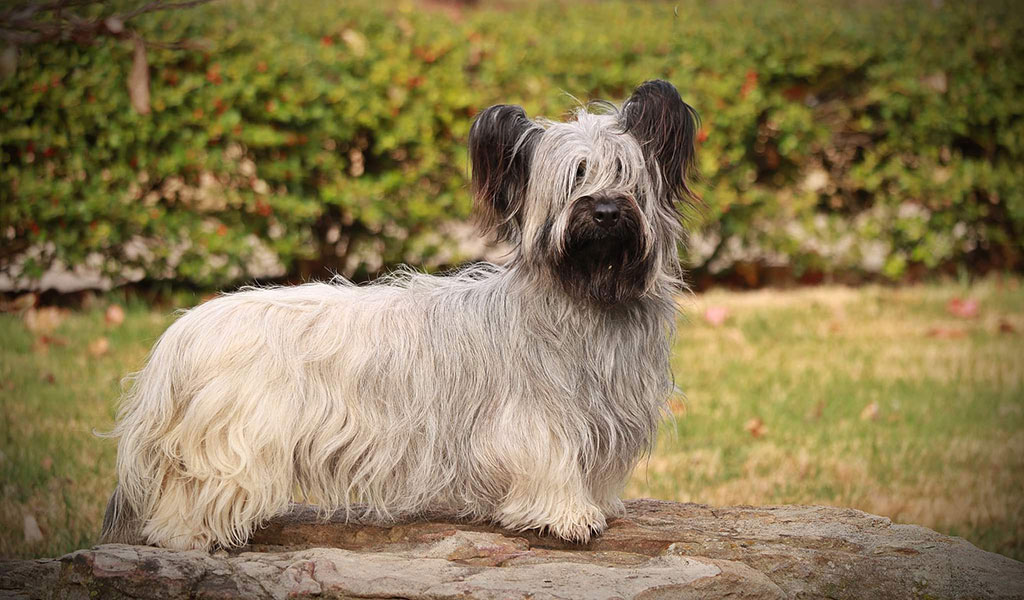
Color:
- black;
- light gray;
- dark gray;
- ginger;
- pale yellow.
All colors have a black mazurinka. The undercoat may be light, as long as the ears and nose remain black. A white mark on the chest is permitted.
Character
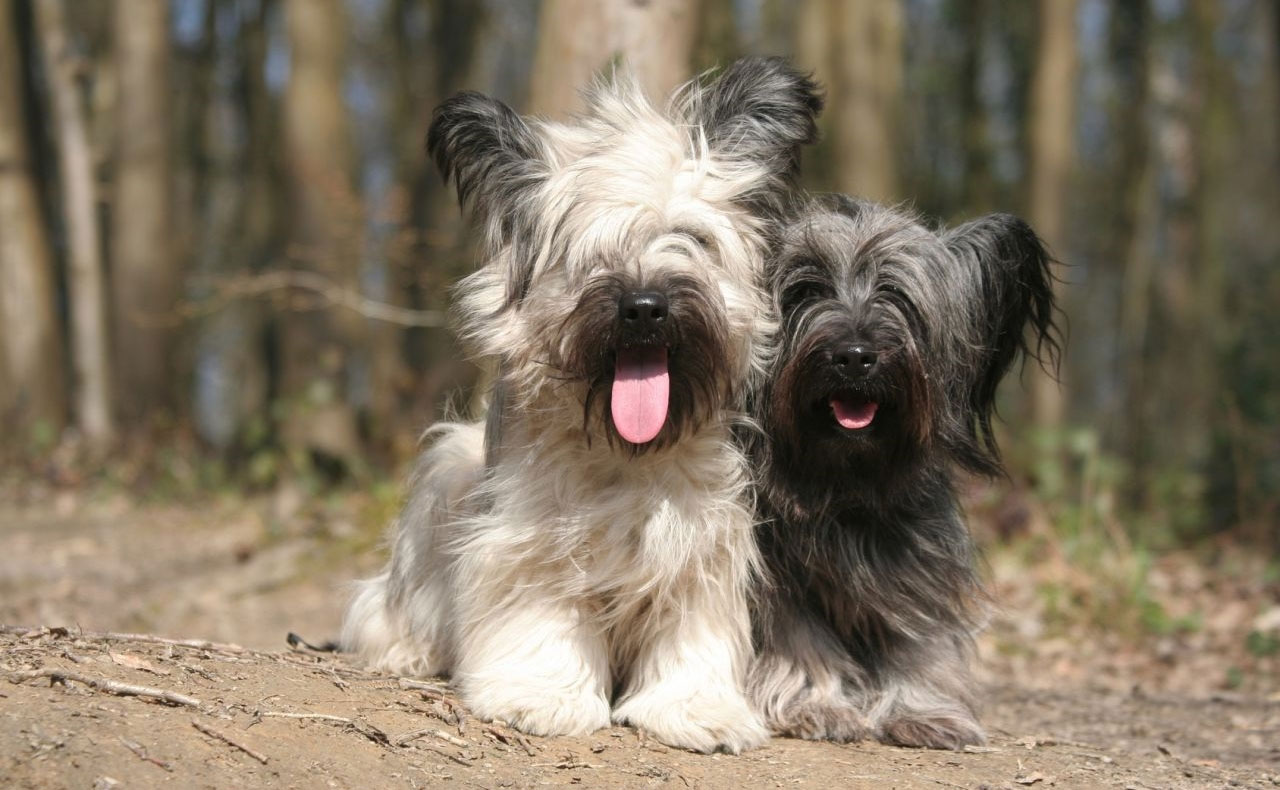
The Skye Terrier is a "one-master dog." Many legends and true stories speak of the incredible devotion of this breed.
Few people know the story of Bobby, a Skye Terrier from Edinburgh. After the sudden death of his owner, Bobby lived at his grave for over 10 years. The dog was fed by local residents, who later commemorated their faithful companion's heroism with a monument.
But this fact also has a “downside” – when choosing one owner, “Scots” will not unquestioningly obey other family members, tolerate the intrusiveness of children, and share the attention of their person with other animals.
The breed is not recommended for people without training experience, as Skye have a terrier-like character – independent and fearless, often unruly, with a distinct personality.
At the same time, the dog is very active and requires a lot of physical and mental stimulation. Without proper attention from its owner and the necessary activity, a Skye can direct its energy toward destruction.
Education and training
The education and training of a Skye Terrier should begin from the first day the puppy is in the family.
The fundamental concepts for successfully developing correct behavior in an animal with a “terrier” character are:
- early socialization;
- the presence of a set of unbreakable rules;
- uniform requirements for the dog from all family members;
- regular training with repetition of already learned commands;
- active games for the development of intellectual abilities;
- Early accustoming to grooming procedures, without which the long hair of Skye can become a problem for both the animals themselves and their owners.
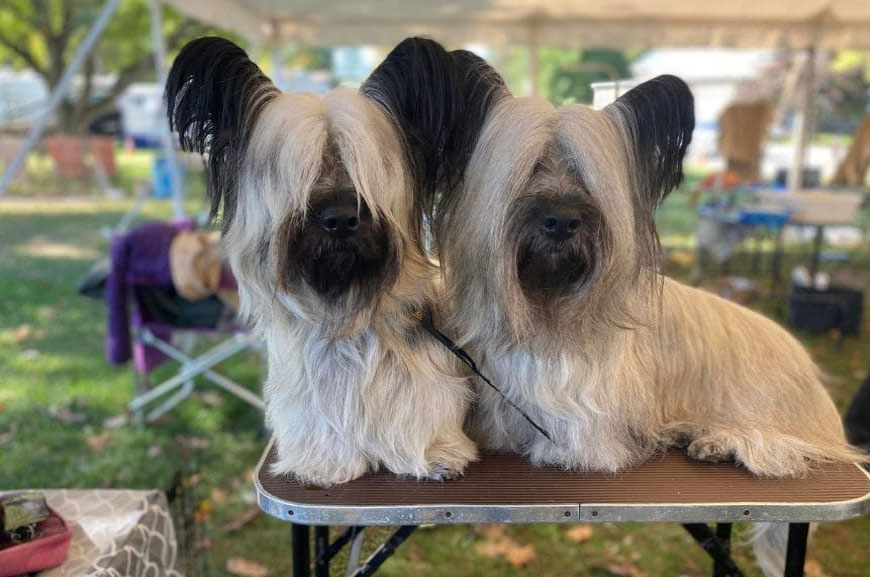
As a puppy grows, much attention must be paid to training and house rules. Skye Terriers are quick to learn, but they're slow to adhere to established rules.
Training should be consistent and fair. The same applies to obedience training. Don't expect unquestioning obedience and perfect command execution; this is not a service dog. Training should not be difficult or lengthy. It's important not to stifle the dog's initiative. As befits a hunter, the Skye Terrier excels in agility and tracking. Avoid working with a trainer who believes that Skye Terriers need to be drilled and "beaten into submission" as a general-purpose service dog.
Skye needs to be educated by communicating with him almost as an equal.
Content Features
Skye Terriers should not live in an outdoor kennel.
At home, representatives of the breed are calm, clean, and tidy. A dog kept in an apartment requires regular long walks. If a Skye is kept in a private yard, taking it out "in public" can be less frequent, but is still necessary. Early socialization is crucial during the development and character development period. Introduction to other animals, people, surroundings, sounds, smells, etc.
Puppies adjust to a new owner very slowly and with difficulty. During the first week, they're just getting used to their new home and surroundings, so it's best not to force your company on them. During the first month of introduction, the owner should maintain a calm atmosphere, be patient, and be caring.
Care
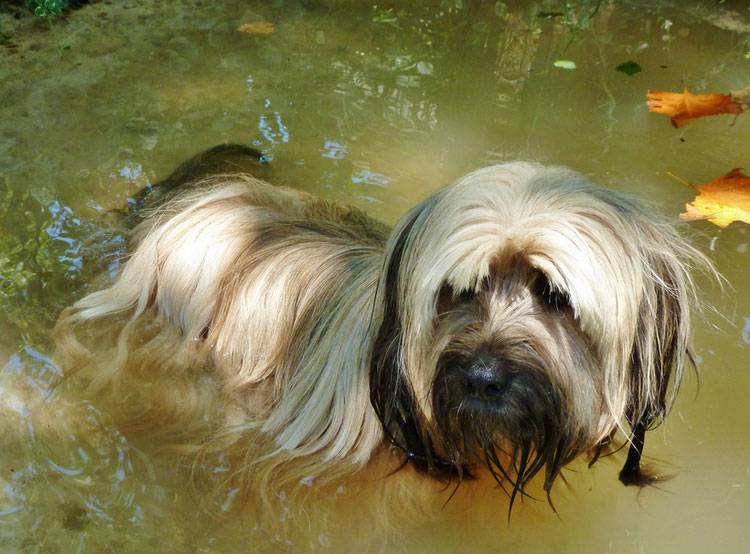
Those who have only seen photos of Skye Terriers and are unfamiliar with the breed will likely assume that grooming such a coat is difficult. This is a misconception. The wiry coat is not prone to tangling. Brushing the dog a couple of times a week is sufficient to avoid long hairs, except perhaps in small amounts, around the house. During the shedding season, brushing may be necessary more frequently. Breeders recommend using a spray to facilitate brushing. Bathe the dog once a month. After bathing, thoroughly dry the undercoat and protect it from drafts. The dog is shown in its natural state. The coat may only need to be trimmed slightly with scissors before entering the show ring.
If the Skye Terrier is not being shown, you can trim it and enjoy the company of a short-haired dog.
Ears should be cleaned as needed. It's also important to ensure that hair doesn't get into the eyes and irritate the cornea. This can cause excessive tearing and, later, conjunctivitis. It's a good idea to accustom your dog to having his teeth brushed. Nails should be trimmed with special scissors or pruning shears if they aren't worn down during walks.
What to feed a Skye Terrier
Skye can be very picky eaters, so providing them with a well-balanced diet of natural ingredients can be challenging. The best option is to choose a good, high-quality dry food. Consider food designed for small, long-haired breeds. Portions are based on the dog's weight; it is not recommended to exceed these limits.
Every dog is an individual, and you can't rely solely on reviews and recommendations. Often, food selection must be individualized and trial-and-error.
Health and life expectancy
Overall, the breed is genetically sound. These dogs are robust and rarely get sick with proper care. However, there are a number of common health conditions:
- Ulcerative colitis;
- Ophthalmological problems;
- Allergic dermatitis;
- In old age, displacement of intervertebral discs and other problems with the musculoskeletal system.
The average lifespan of a Skye Terrier is 14-16 years, but there are also long-lived representatives of the breed.
Choosing a puppy. Prices
Skye Terriers aren't widespread in Russia or elsewhere. The largest population, oddly enough, isn't in Scotland, but in Finland. This is likely due to their difficult care and challenging nature. When choosing a puppy, be sure to meet the parents and assess their temperament. There are still many vicious Skye Terriers that are impossible to even brush.
It's best to buy a dog from a breeder. Breeders usually take two or three of the poorest quality puppies to the bird market. The good ones stay at home and are more expensive. As for personality, it's best to ask a dog expert or the breeder (if you trust them) to tell you what traits a particular puppy already exhibits.
The living conditions and health of all animals, not just the babies, are carefully considered. They should appear healthy and well-groomed. The breeder should provide full information on vaccinations, veterinary and preventative measures, and feeding schedules. Choosing a dog for breeding or show is very difficult. The Skye Terrier is not fully developed until it reaches three years of age. Dogs begin to be evaluated at around 8 months of age. At 3.5 months, puppies' coats are still fluffy and soft, but the first straight hairs should already be appearing.
It is very difficult to say whether the ears will be hanging or erect until six months.
Skye Terrier prices vary widely. Puppies from elite breeders can cost 60,000-90,000 rubles and up. Pet-class puppies typically cost around 40,000 rubles.
Photos
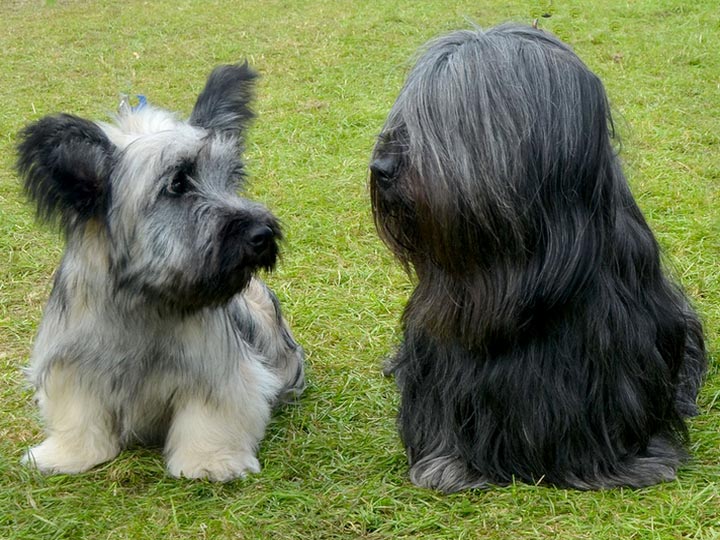
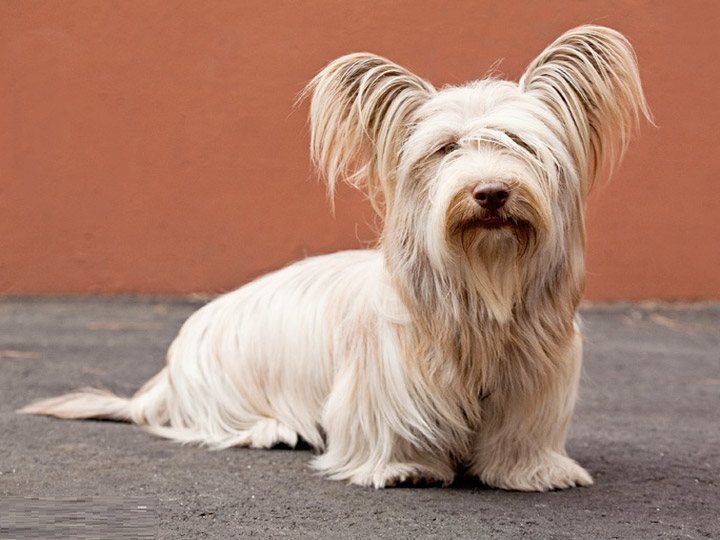
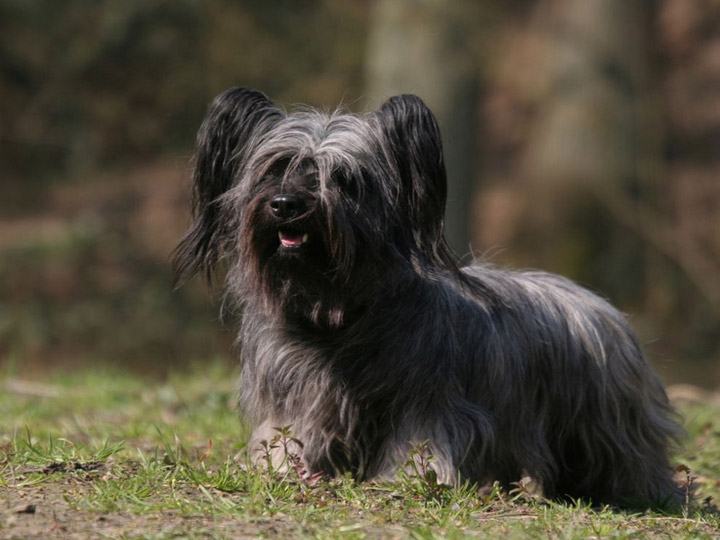
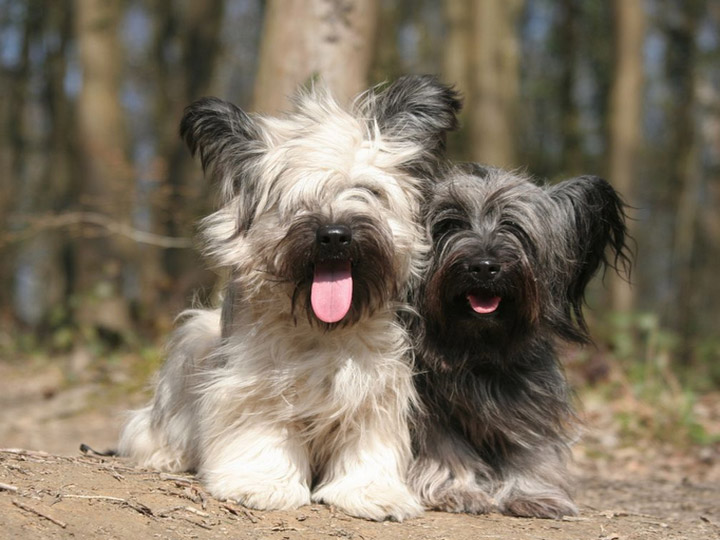
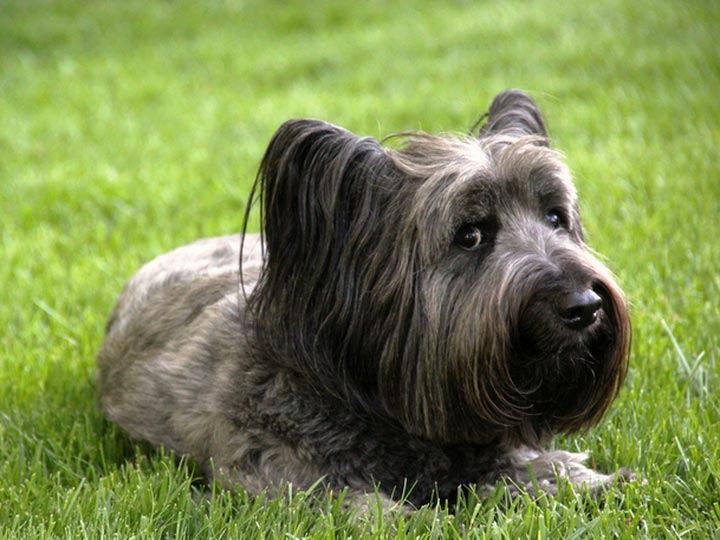
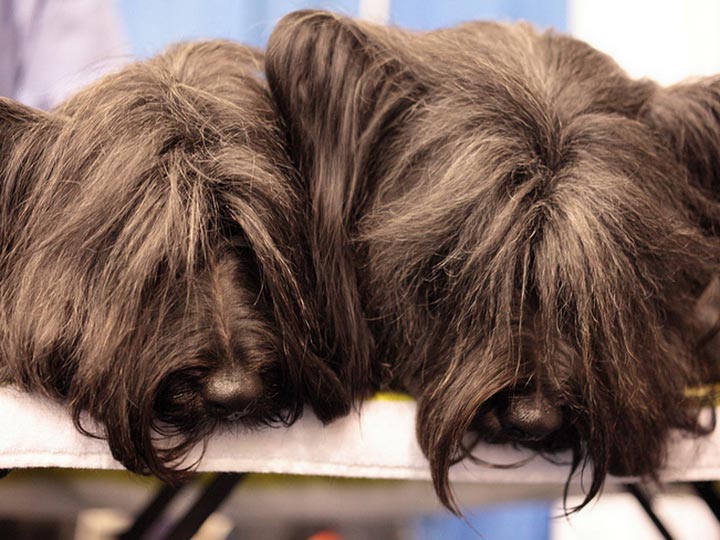
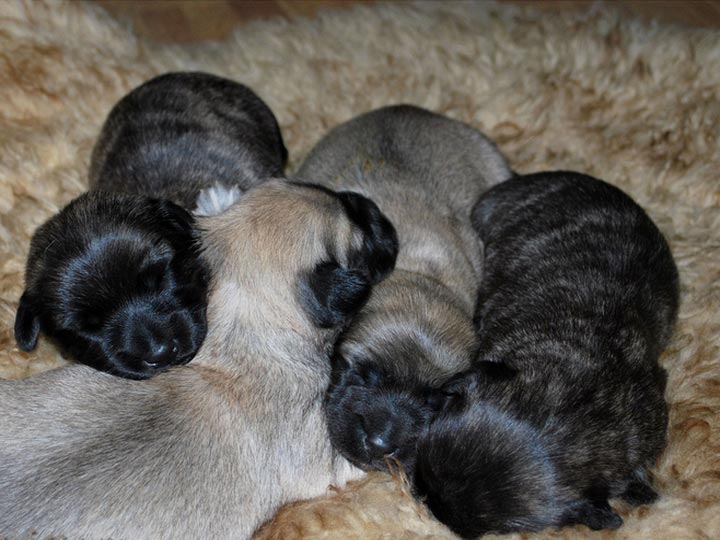
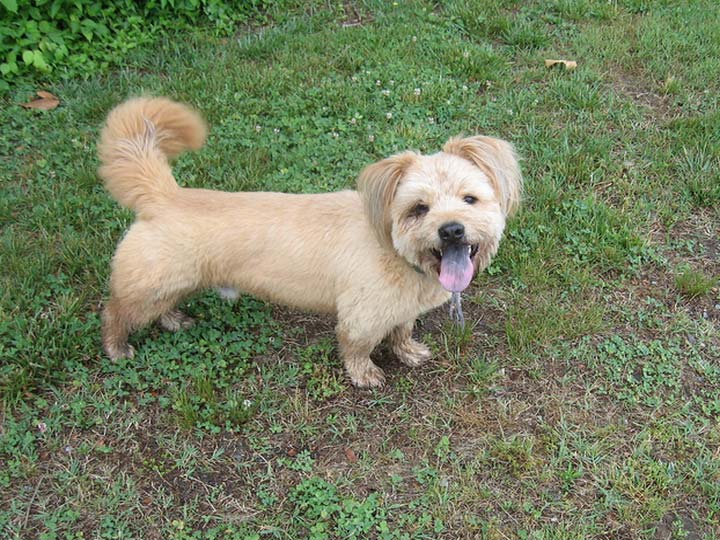
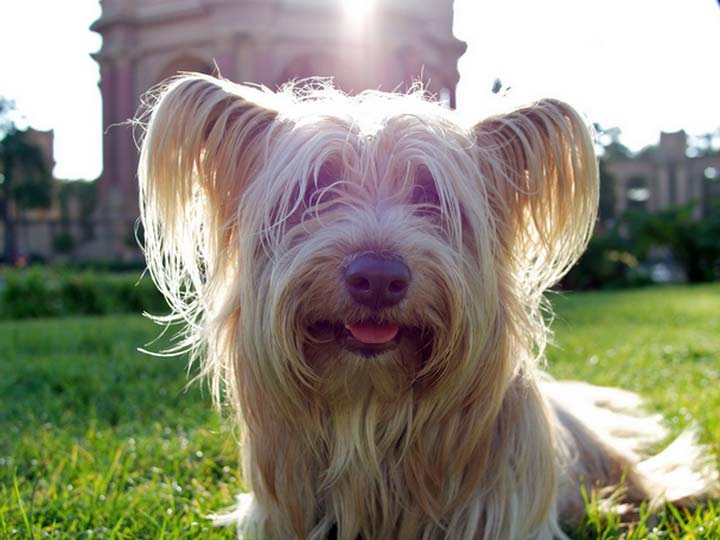
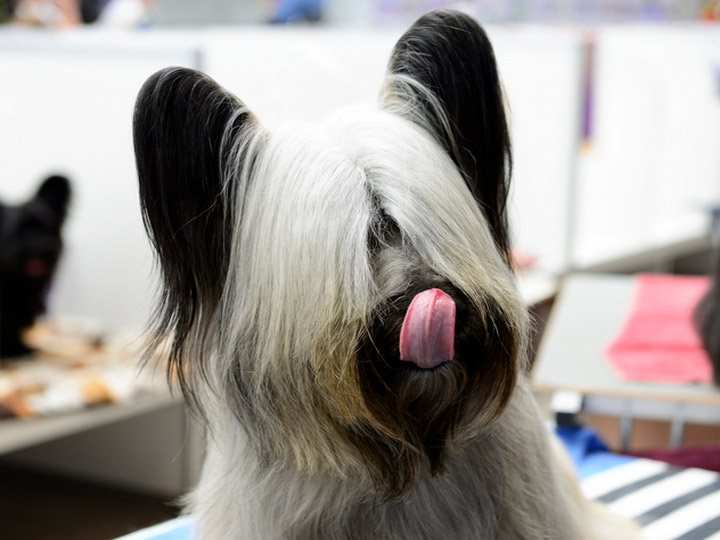
The gallery contains photos of Skye Terrier dogs and puppies:
Video about the Skye Terrier breed
Read also:


2 comments
Elena
Are there any experienced breed owners here? I have a 3.5 month old puppy and I really want to talk to someone knowledgeable.
Elena
Tell me, if I feed natural food, what vitamins should I give?
Add a comment